There's a particular kind of cinematic madness that only a 13-minute experimental film can deliver, and Sergey Murashov appears to have bottled it. Pixel generation(s) lands today, and if the logline doesn't immediately make you do a double-take, read it again: "The original video is filmed again and again." That's it. That's the movie. And honestly? We're kind of obsessed already.
Release Date & Where to Watch
Pixel generation(s) drops on September 17, 2026, so if you're reading this, it's officially out there in the wild - well, as "out there" as a 13-minute experimental Hollywood curiosity gets. The film runs just 13 minutes, which means you can squeeze it into a lunch break and still have time to stare blankly at a wall afterward, contemplating what you just watched. There's no word yet on a wide theatrical rollout, which tracks for a project this size - a quarter-hour runtime isn't exactly designed for a multiplex marquee. Expect it to surface on the festival and boutique streaming circuit, the natural habitat for formally adventurous short-form work. Keep an eye on the usual haunts: limited screenings, curated platforms, and wherever cinephiles gather to argue about whether something counts as a "movie" at all. Which, for a film about filming a film again and again, feels weirdly on-the-nose.
Cast & Crew
Here's where things get delightfully mysterious. The cast is unlisted - genuinely unknown, not "we're being coy" unknown. And in a movie built around re-filming an original video, who even needs a recognizable face? The real star here is the process itself. At the helm is director Sergey Murashov, working within the Hollywood system but clearly marching to the beat of a very different drum. A 13-minute runtime from an industry that worships the 90-minute minimum is already a statement. Murashov is essentially telling us: this isn't about story, it's about the act of capturing something - and then capturing it again, and again, until the act of documentation becomes the subject of the documentary. It has a 0/10 rating on TMDb, but let's be honest - experimental shorts with a handful of votes aren't exactly getting a fair shake from the crowd-sourced score gods. That number means nothing yet. Ignore it.
Story & What to Expect
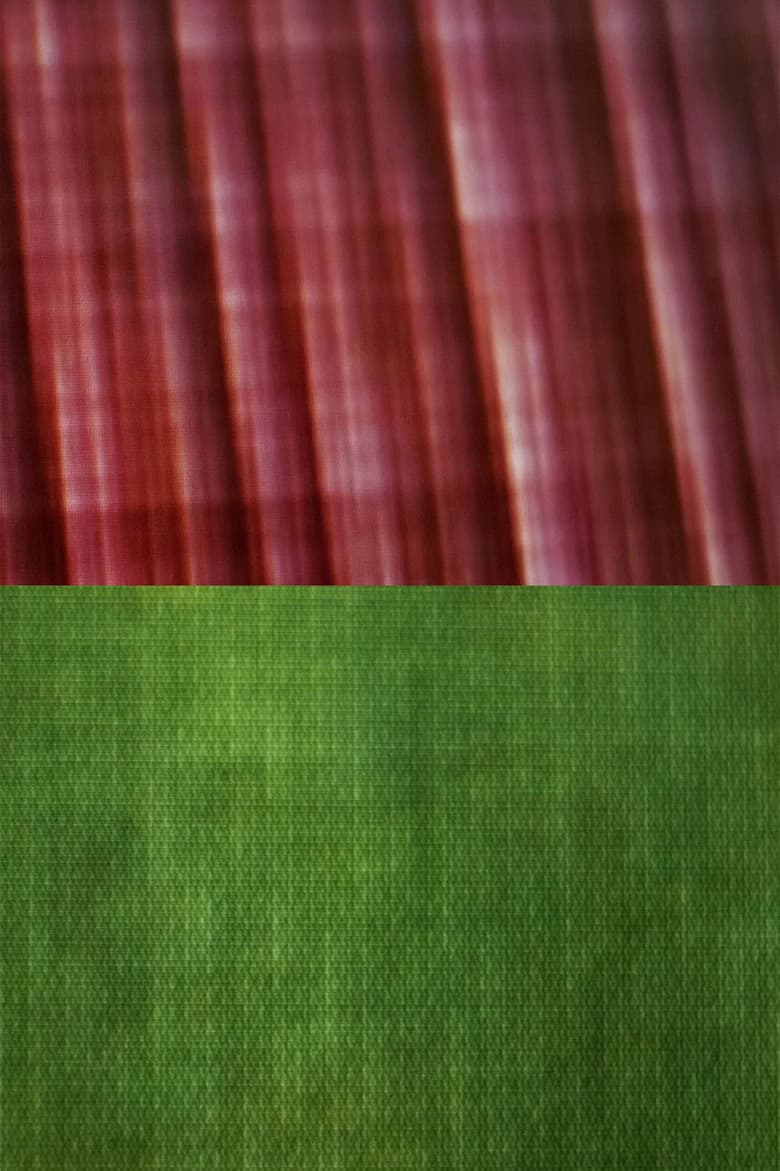
Let's tackle the obvious question: what's the plot? According to the official logline, "The original video is filmed again and again." That's the whole thing. No hero's journey, no three-act structure, no last-minute twist where it turns out the whole thing was a dream inside another dream. Just a video, and then footage of that video, and then footage of that footage, spiraling outward like a cinematic echo chamber.
If you're a fan of experimental film - the kind where the medium itself becomes the message - this is catnip. Think of it as the moving-image equivalent of a photocopy of a photocopy, watching degradation and distortion accumulate with each pass. But because the "original video" is never specified, the film leaves everything up to you: what are we watching? Why is it being re-filmed? Who's holding the camera? Murashov is playing with the fundamental question of what an image even is once it's been copied, compressed, and re-recorded enough times. It's a 13-minute provocation, and given the runtime, expect something tightly coiled - no filler, no padding, just a concept pushed to its logical extreme and then released. Will it be pretentious? Possibly. Will it be fascinating? Also possibly. Those two things aren't mutually exclusive, and the best experimental work lives right in that uncomfortable overlap.
Why It's Worth Watching
Look, 13 minutes is a small commitment for a potentially enormous conversation. This is the kind of film that spawns a hundred dorm-room arguments and at least one very earnest video essay. If you've ever fallen down a rabbit hole of YouTube videos about "the meaning of the image" or gotten genuinely emotional about glitch art, Pixel generation(s) is speaking your language. It's also a fascinating data point in the current moment - a Hollywood project that rejects Hollywood's most basic assumptions about length and narrative. And with an unknown cast and a deliberately opaque premise, it's the rare release that arrives with zero baggage and total mystery. No marketing machine has pre-chewed it for you. You get to form your own opinion, unprompted, in under a quarter hour. That alone is worth the price of admission, whatever that price turns out to be. Grab a friend, fire it up, and see how long it takes you to stop thinking about the video and start thinking about the filming. Chances are, it won't be long.