Taika Waititi has never been the type to let a bad review roll quietly off his back, and the director proved that again this week when he went after critics of his new sci-fi drama Klara and the Sun with both barrels. In a string of posts and a combative public appearance, Waititi dismissed the film's detractors as "sad lost souls," a remark that has done what most press tours only dream of: turned a modestly received literary adaptation into a full-blown talking point.
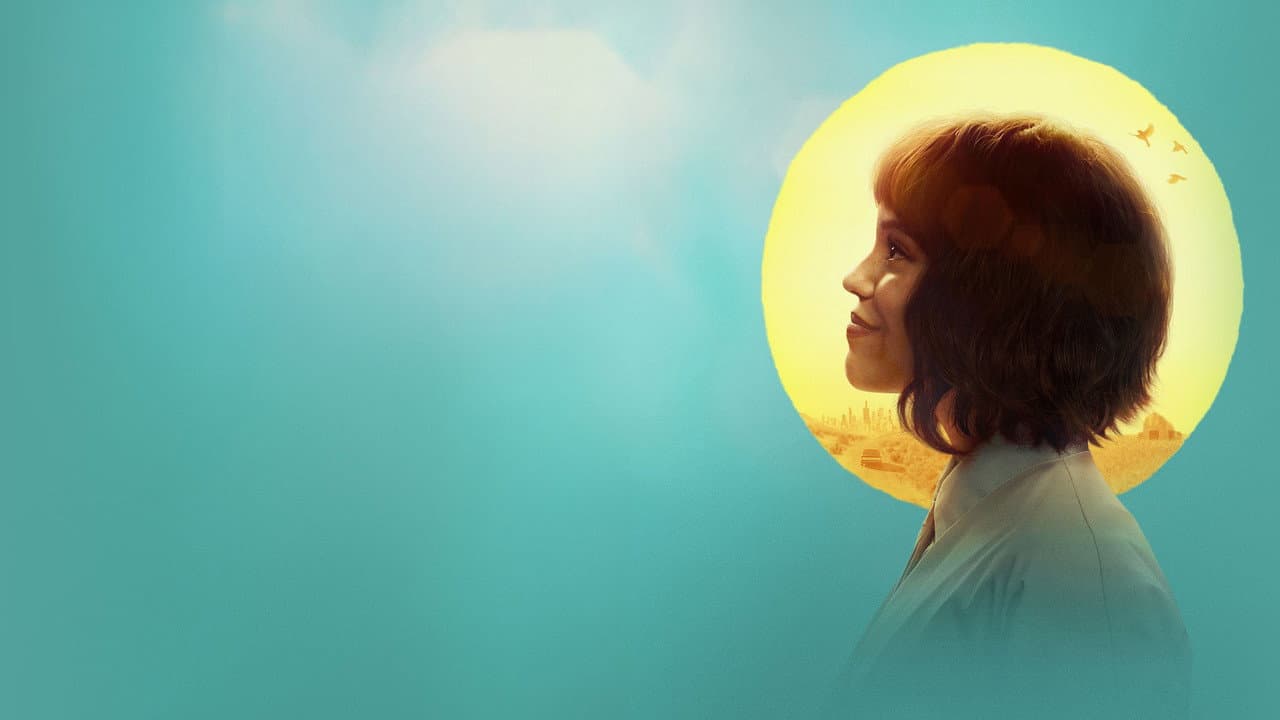
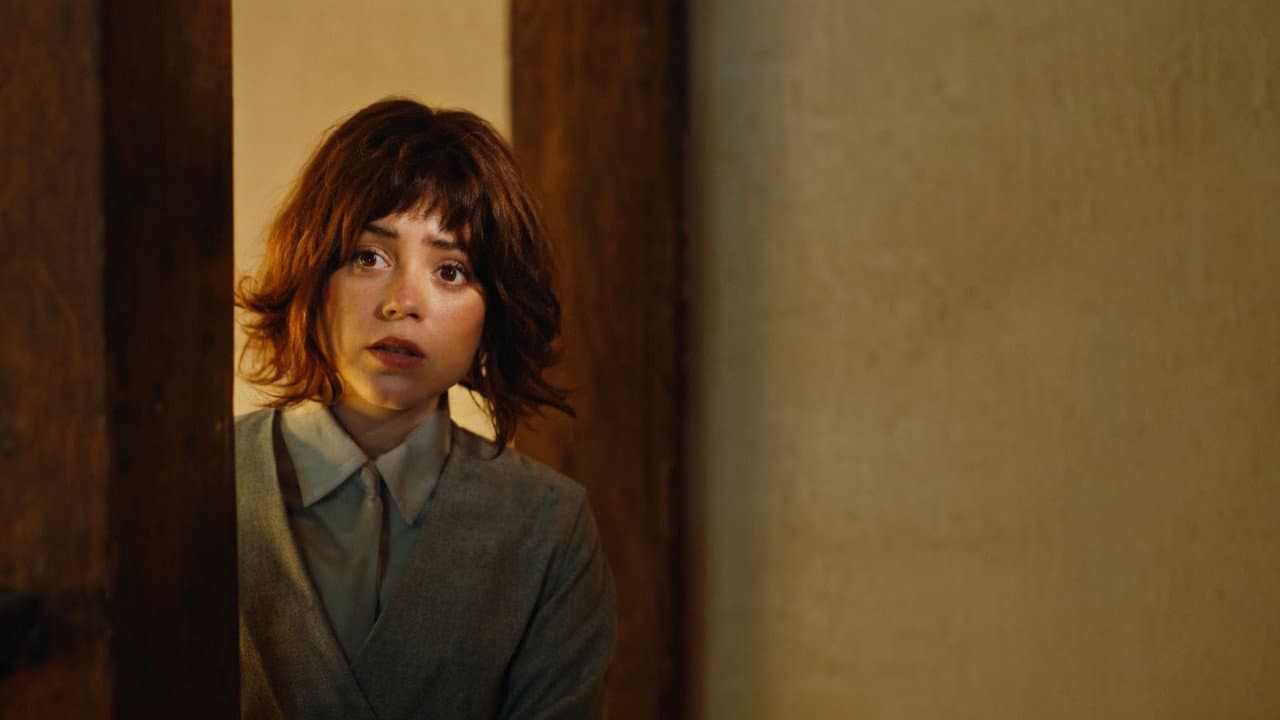
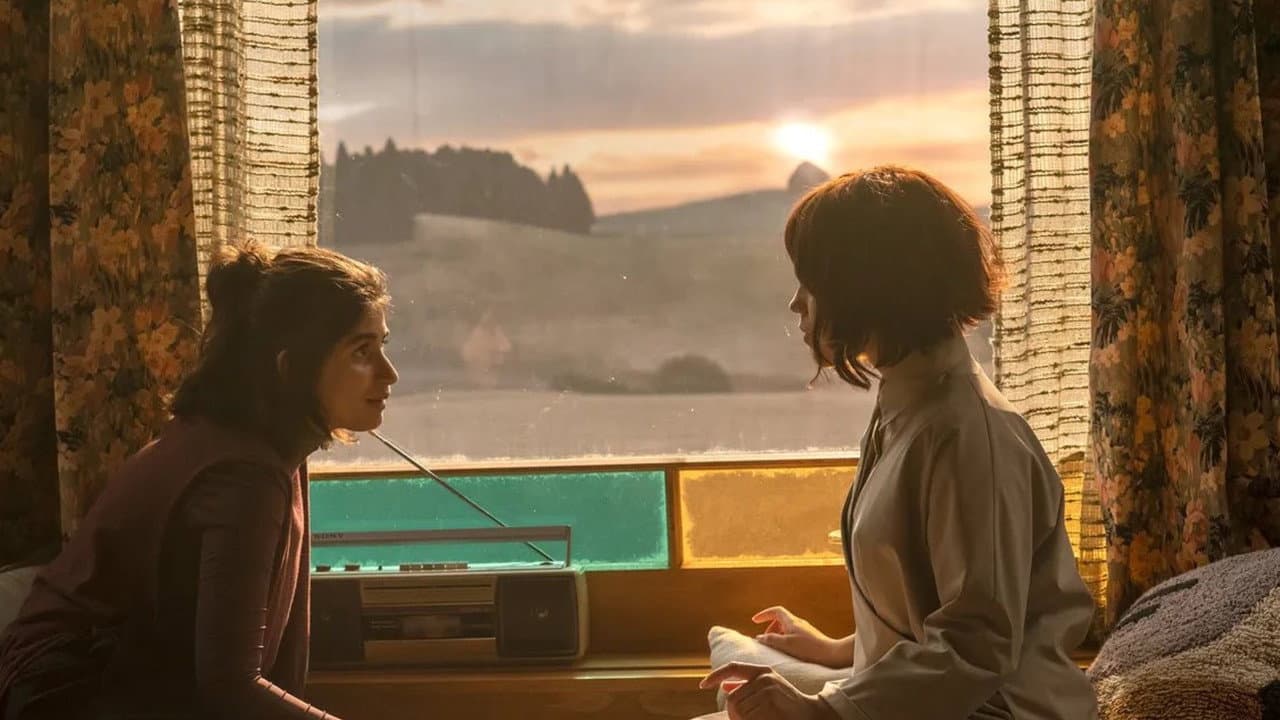
The film, which opened on October 21, adapts Kazuo Ishiguro's novel about Klara, an Artificial Friend - a solar-powered humanoid companion - who is chosen by a family to look after a sickly teenager named Josie. Jenna Ortega voices and plays Klara, with newcomer Mia Tharia as Josie, Amy Adams as her mother Chrissie, and a supporting bench that includes Natasha Lyonne, Steve Buscemi, Rachel House, and Aran Murphy. It runs 116 minutes, which is roughly 116 minutes longer than Waititi seems willing to spend listening to people who didn't like it.
Waititi Fires Back at a Rough Reception
The flashpoint is the film's reception. Klara and the Sun currently sits at a 5.8 out of 10 on TMDb, a number that lands somewhere between "divisive" and "the internet has opinions." Critics have been split, with praise for the performances and the film's visual polish competing against complaints that Ishiguro's interior, melancholy novel resists the screen. Waititi, apparently, has read all of it.
Calling his critics "sad lost souls" is a strikingly blunt move even by Waititi's standards. This is, after all, the filmmaker who turned Thor: Ragnarok into a comedy and once described his approach to big-budget filmmaking as essentially goofing around until somebody hands him a check. He has always played the charming provocateur, the guy who grins while lobbing a grenade. But there's a sharper edge to this particular fight - the sense of a director who genuinely believes he made something tender and is genuinely annoyed that people came at it with knives.
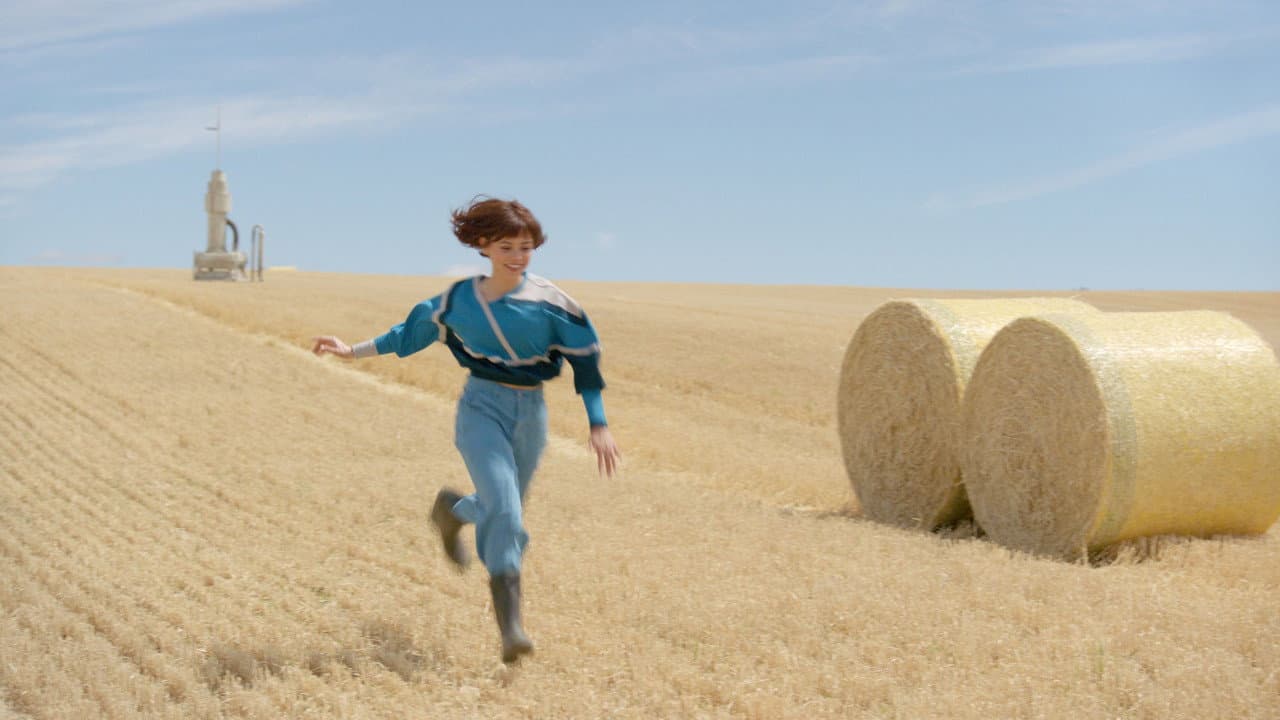
The irony is thick. A film built around Klara's "innocent wonder and unwavering loyalty" - her almost childlike faith in people - has been met by its maker with a distinctly un-Klara-like lack of patience. One imagines the Artificial Friend herself would have found a gentler way to phrase it. Waititi, evidently, did not consult her.
A Beloved Novel, a Tricky Adaptation
To be fair to Waititi, Klara and the Sun was always going to be a hard sell. Ishiguro's novel is narrated by Klara herself, a being whose understanding of the world is partial, strange, and quietly devastating. The book's power lives in that gap between what Klara perceives and what the reader understands - a gap that dialogue and camera work don't naturally replicate. Translating that to film means making choices that will upset somebody.
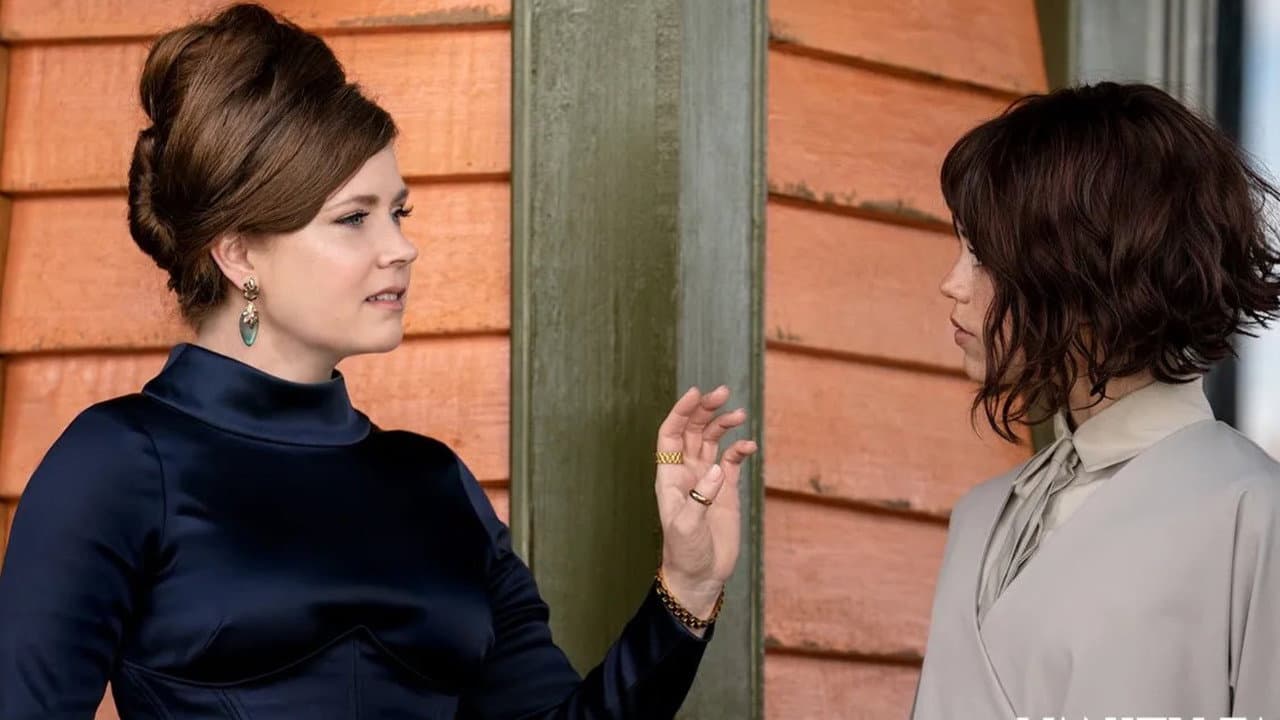
What Waititi has built instead is a family drama wrapped in science fiction. Josie's relationship with Chrissie is fraught, the household is still raw from a loss, and Klara's arrival becomes the catalyst that begins to heal it. That's a warmer, more emotional frame than the novel's chilly philosophical register, and it explains why reactions have been so split. Some viewers wanted Ishiguro's ambiguity; Waititi gave them something closer to a tearjerker with a robot at its center.
The cast, at least, has mostly escaped the crossfire. Ortega's turn as Klara has drawn attention as a genuine departure for an actor best known for horror and teen angst, and Adams continues her recent run of playing complicated mothers with a hard glint. Buscemi, Lyonne, and House round out the ensemble in the kind of eccentric character-actor lineup that makes a movie feel lived-in. If the film has defenders, they tend to start there.
The Director Versus the Discourse
Whether Waititi's outburst helps or hurts is the open question. Studios generally prefer their directors to absorb a drubbing with a shrug and a "we made it for the fans" soundbite. Lashing out can rally a filmmaker's core fanbase - Waititi has one of the more devoted ones in Hollywood - but it also risks confirming the suspicion that the reviews got under his skin. There's a long tradition of directors fighting critics, from the dignified silence to the full scorched-earth Twitter spree, and this one lands somewhere in the middle: theatrical, quotable, and guaranteed to keep the film in the conversation for another week.
That conversation may be the point. Klara and the Sun is a mid-budget literary adaptation in a crowded fall season, and a director beef is free marketing. Nostalgia for the film's quieter virtues - the mother-daughter scenes, the eerie calm of Klara's perspective - might even find a second life among viewers who show up to see what all the fuss is about.
For now, Waititi has made his position clear: he believes in this movie, and he's not interested in a polite debate about its flaws. Whether audiences side with the "sad lost souls" or with the director, Klara and the Sun is still in theaters, still dividing rooms, and still very much the movie its maker wants to defend.
Source: The Hollywood Reporter