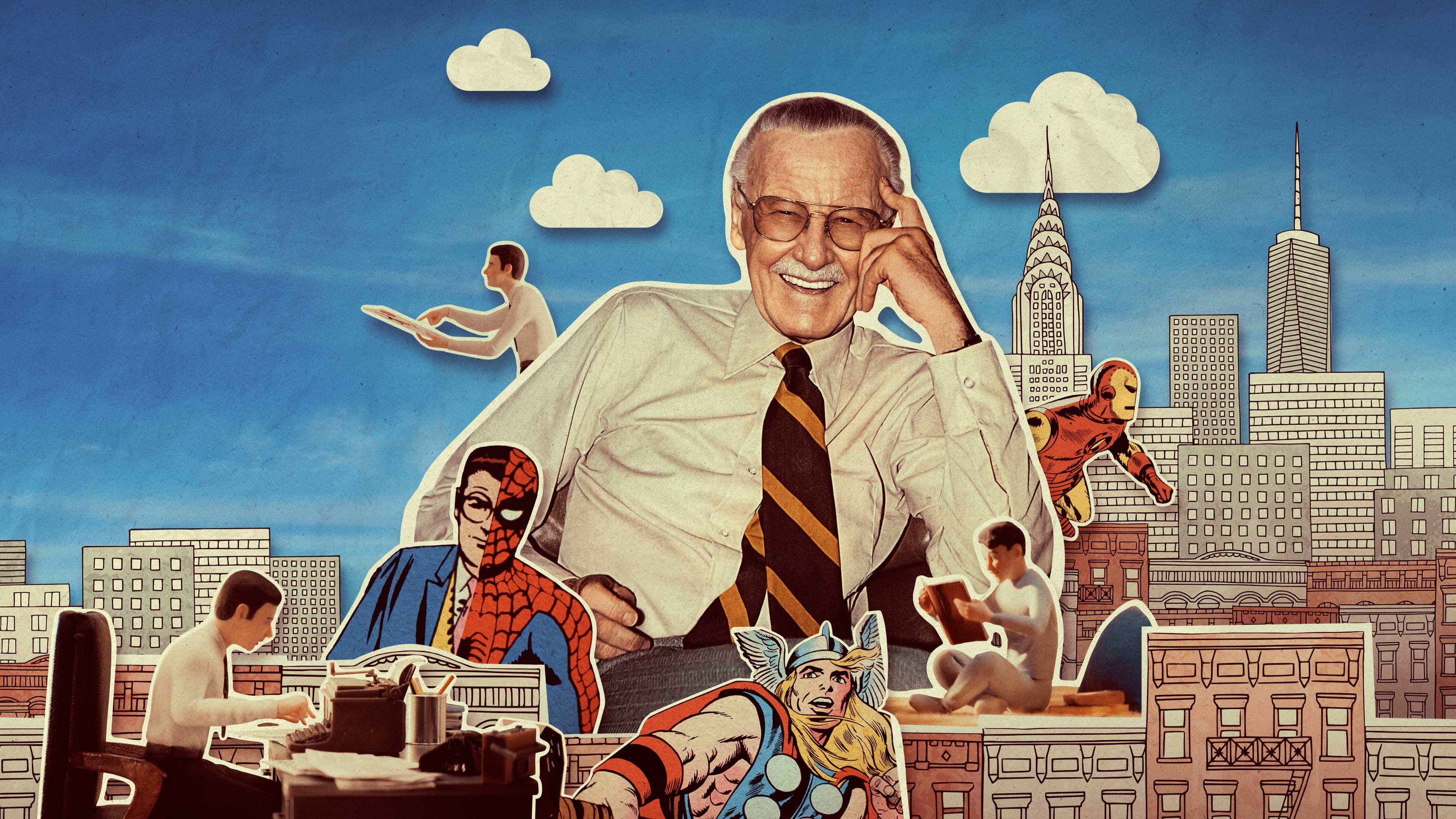
The man who helped build the Marvel universe on the page has some thoughts about what happened when Hollywood got its hands on it. In a candid new round of remarks, the iconic comics creator took aim at the way comic book adaptations have evolved, arguing that the industry's relentless push for scale and spectacle has drifted far from what made these stories work in the first place. His critique lands at an interesting moment - superhero cinema is still a dominant force, but audiences and critics alike have grown louder about feeling fatigued by the formula.
The heart of his argument is simple: somewhere along the way, the movies stopped trusting the comics. What began as a scrappy, character-driven translation of four-color stories turned into a machine obsessed with world-ending stakes, interconnected universes, and post-credits homework. In his view, the adaptations went too far - not because comic books are somehow beneath the big screen, but because filmmakers started treating the source material as raw material to be "elevated" rather than storytelling that already worked. The characters, he suggested, got buried under the spectacle.
The Spectacle Trap
Anyone who has sat through the last decade of superhero blockbusters knows the pattern. The threat isn't just a villain - it's the entire multiverse. The climax isn't a fight - it's a CGI skybeam with a body count in the thousands. That escalation, the creator argued, comes at a real cost. When every movie has to be the biggest thing ever made, the smaller, weirder, more human moments that made readers fall in love with these heroes in the first place get squeezed out.
He's hardly the first to make the point, but coming from him, it carries weight. This is someone who spent years writing the very characters that now anchor billion-dollar franchises, so his frustration isn't the grumbling of an outsider - it's the perspective of someone watching his life's work get remixed beyond recognition. The irony wasn't lost on him: the comics were once dismissed as disposable kids' stuff, and now the movies built from them are treated as the most important cultural product on earth, sometimes at the expense of the stories themselves.
Where the Movies Lost the Thread
Part of the critique centers on how adaptations handle character versus continuity. In the comics, a hero's personality and moral code were the engine - the action was just the vehicle. In many modern adaptations, the creator suggested, it's been reversed. Continuity became the product, and individual films turned into episodes of a much larger machine. That shift made it harder for casual viewers to jump in and, arguably, made it harder for filmmakers to tell a self-contained story with a real emotional payoff.
He also seemed to push back on the idea that bigger always means better. Some of the most beloved comic storylines were intimate - a single neighborhood, a personal betrayal, a choice with no easy answer. Those are the stories that stick with readers for decades, and he implied that Hollywood keeps leaving that power on the table in favor of the next crossover event. It's not that he's against the movies; it's that he wants them to remember what they're adapting.
A Warning Worth Hearing
The most pointed part of his remarks was less about any single film and more about trajectory. When adaptations chase scale for its own sake, they risk losing the very audience they're trying to impress. The recent wave of audience fatigue, softer returns for some tentpoles, and a growing appetite for original stories all suggest he might be onto something. The genre isn't dying - but it is being asked to justify itself in ways it never had to before.
For fans, the takeaway is less "burn it all down" and more "remember the roots." The creator isn't calling for Hollywood to stop making comic book movies. He's calling for it to make them like the comics again - grounded, character-first, and confident enough to be small when small is what the story needs. Given how much of modern pop culture was built on his blueprint, that's a critique worth taking seriously. The man knows what he's talking about, and he's not shy about saying it.
Source: IMDb