There’s a particular kind of dread that settles over a horror movie when the terror isn’t some ancient curse or a masked killer, but something far more modern: the cold, clean terror of medical technology pushed just a little too far. That’s the unnerving space The Restoration at Grayson Manor occupies, a film that arrived just in time for Halloween on October 29, 2026, and has been quietly lodging itself in the minds of genre fans ever since.
Directed by Glenn McQuaid, a filmmaker who knows his way around atmospheric chills, the story centers on the wealthy Grayson family and a catastrophe that upends their gilded world. Boyd Grayson, played by Chris Colfer, loses his hands in a freak accident. It’s a brutal, visceral starting point, the kind of trauma that would shatter any family. But the Graysons aren’t just any family. Enter his mother, Jacqueline, portrayed with icy resolve by the legendary Alice Krige. Jacqueline doesn’t retreat into grief; she invests. She pours the family fortune into radical, experimental technology to give her son a new pair of hands. This isn’t a story about mourning; it’s a story about playing God in a private surgical suite.
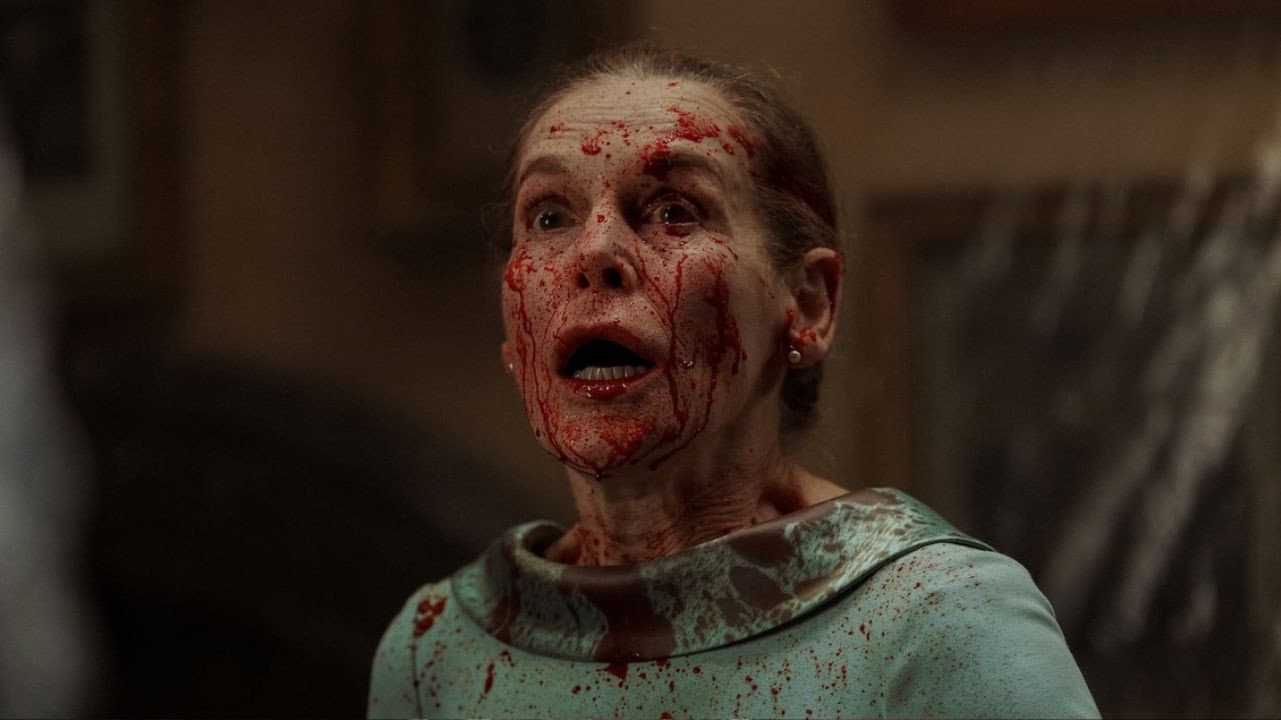
The casting here is genuinely inspired. Chris Colfer, an actor long associated with the world of song and sharp-witted comedy, is diving headfirst into the annals of body horror. The role of Boyd is a physical and psychological tightrope walk, a young man forced to reckon with a body that no longer feels like his own. And then there’s Alice Krige. If you know your horror history, you know she’s no stranger to playing beings of immense power and unsettling calm - her turn in Star Trek: First Contact as the Borg Queen is the stuff of legend. Here, she trades cybernetic implants for a designer wardrobe and a mother’s desperate, perhaps misguided, love. The mother-son dynamic between Krige and Colfer is the film’s dark, beating heart. Is Jacqueline a savior or a monster? The film seems keen to let that question fester.
McQuaid, who previously gave us the found-footage vampire gem The Monster Project and has a long history with horror anthologies like V/H/S, is a director who relishes the slow burn and the creeping sense of wrongness. The Restoration at Grayson Manor seems to be his most ambitious canvas yet. At a lean 96 minutes, it has no room for filler. The premise alone - a wealthy family using bleeding-edge tech to bypass the messy business of healing - feels like a sharp commentary on our obsession with quick fixes and the ethics of human augmentation, all wrapped in the unsettling elegance of a sprawling estate.
The supporting cast is stocked with intriguing names. Daniel Adegboyega steps in as Dr. Jeffrey Tannock, presumably the man responsible for the experimental procedure. Is he a visionary, a quack, or something far more sinister? We also have a compelling ensemble rounding things out with Declan Reynolds as Lee, Gabriela Garcia Vargas as Claudia, and Matthew McMahon as John. Their roles are being kept under wraps, but you have to assume they’re either witnesses to the unfolding nightmare or, more likely, potential victims caught in the crossfire of the Graysons’ hubris.
What makes The Restoration at Grayson Manor so tantalizing is the specific flavor of its horror. This isn’t a haunted house story, despite the manor setting. It’s a story about the body, about identity, and about a mother’s love twisted into something monstrous through technology. The title itself is a clue. “Restoration” implies a return to a former state. But the Grayson Manor might just be the thing that needs restoring, its very foundations - metaphorically and literally - shaken by the secrets and the science lurking within its walls.
It’s the kind of smart, actor-driven horror that’s become a cornerstone of the genre’s recent revival. It’s a film that’s less about jump scares and more about the slow, sickening dread that comes from realizing the people who are supposed to protect you might be the ones engineering your doom. The Restoration at Grayson Manor is now playing, and it’s already carving out a reputation as one of the year’s most unsettling - and thought-provoking - genre offerings.