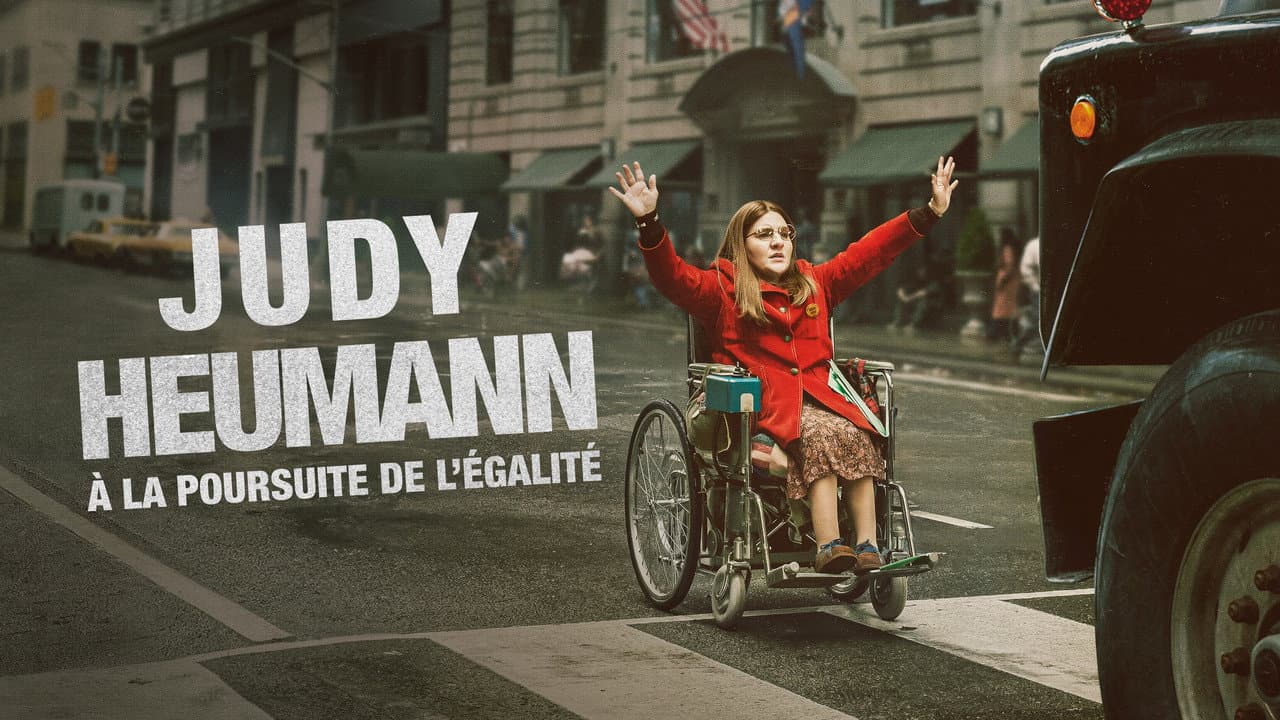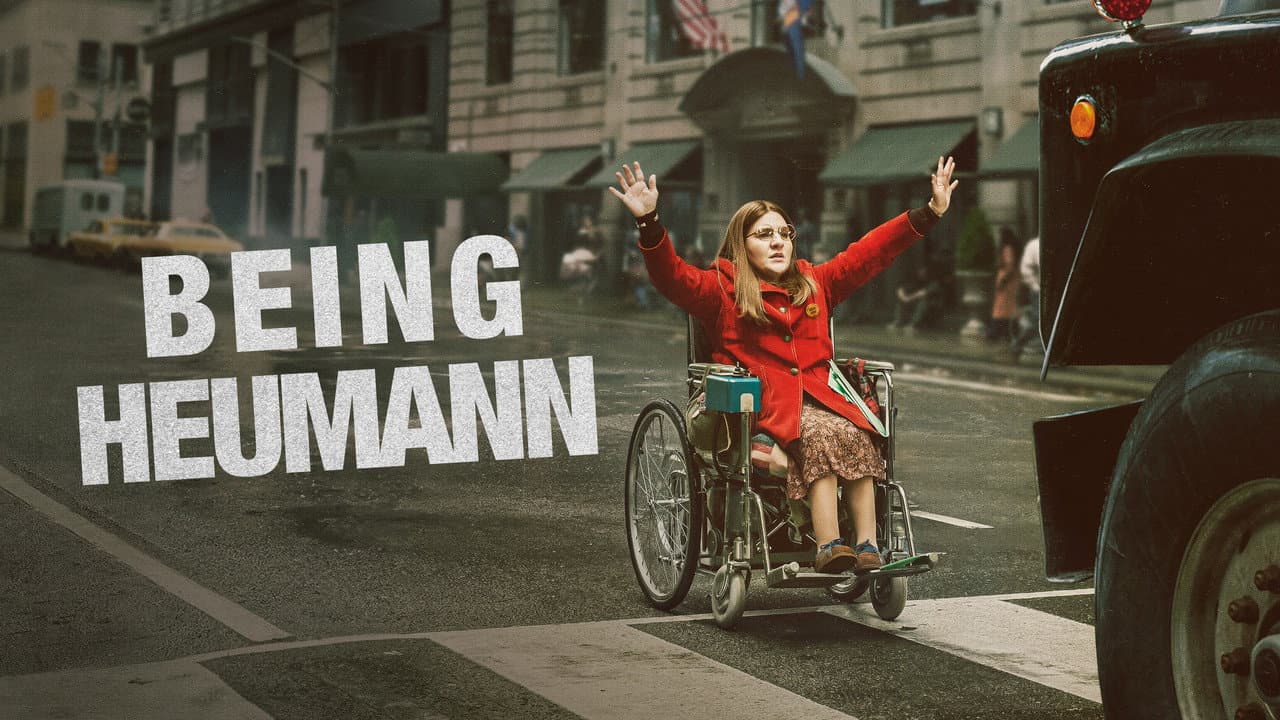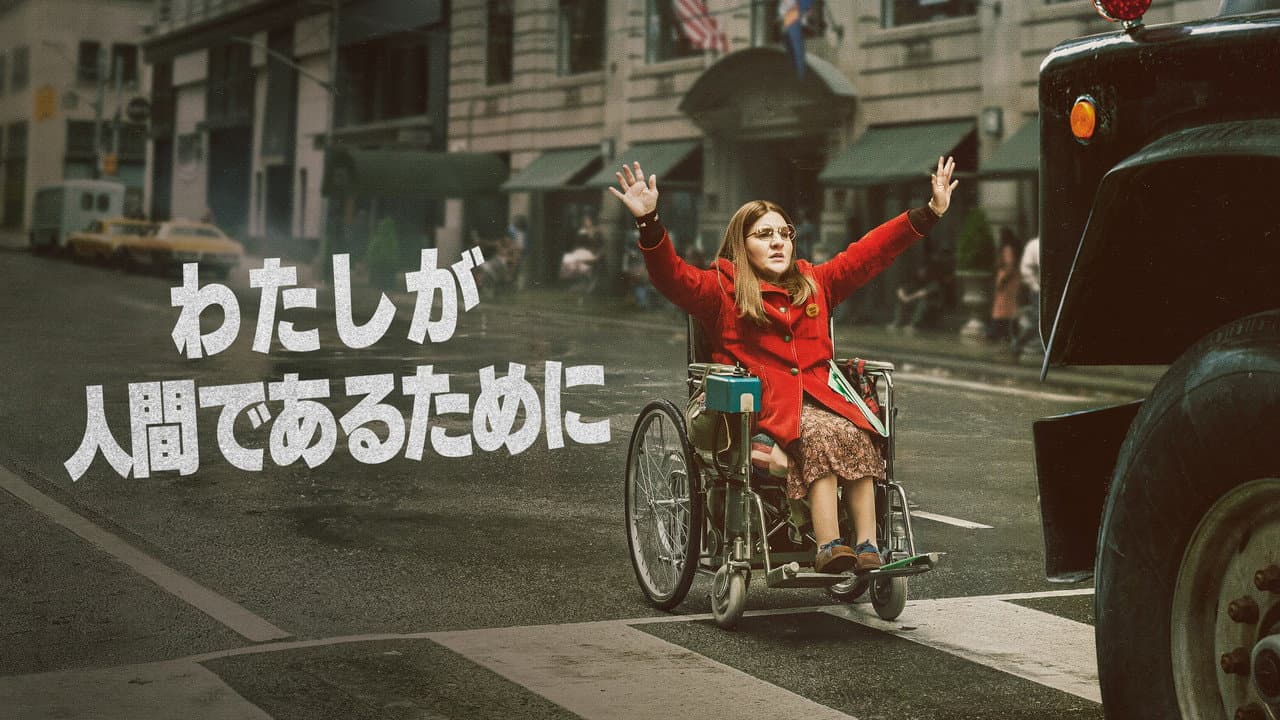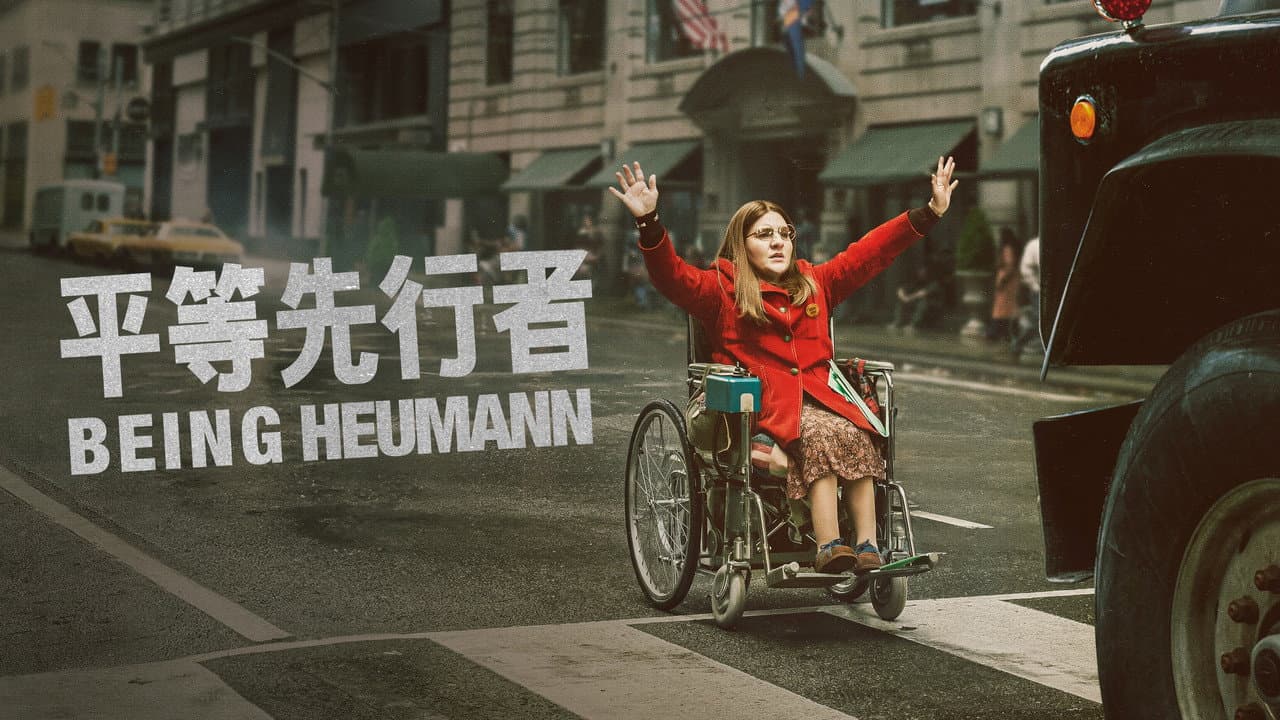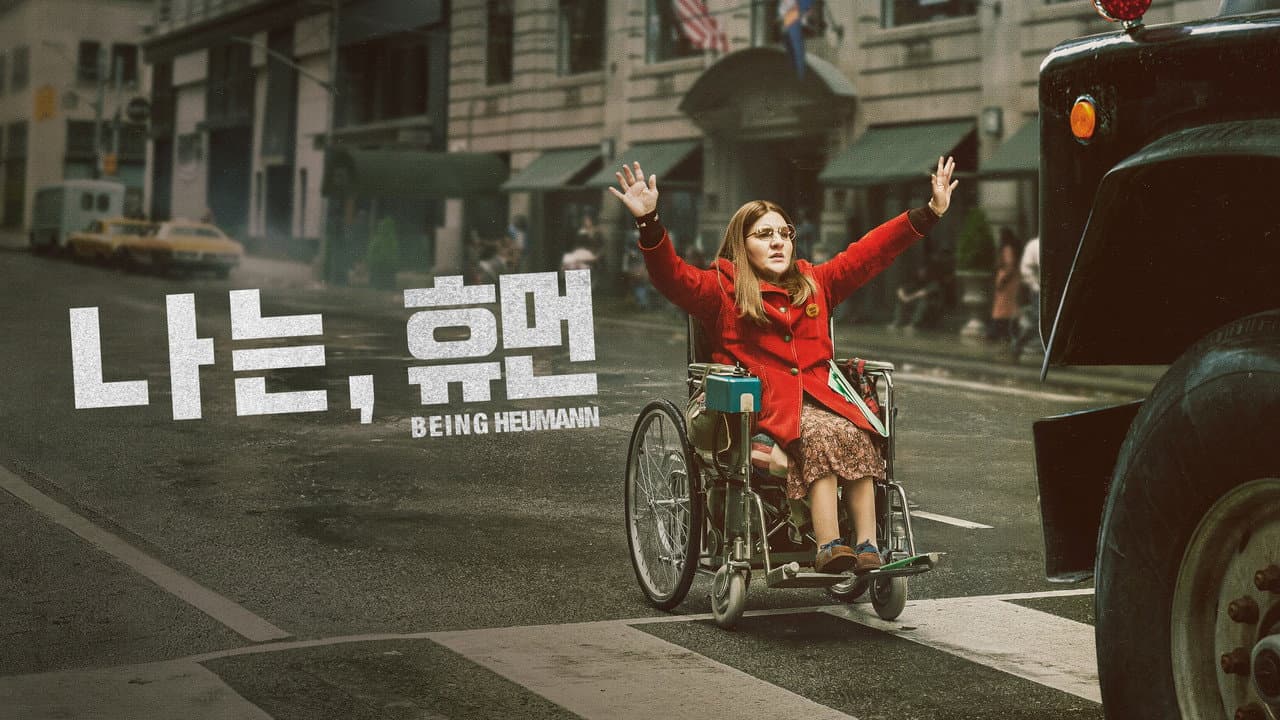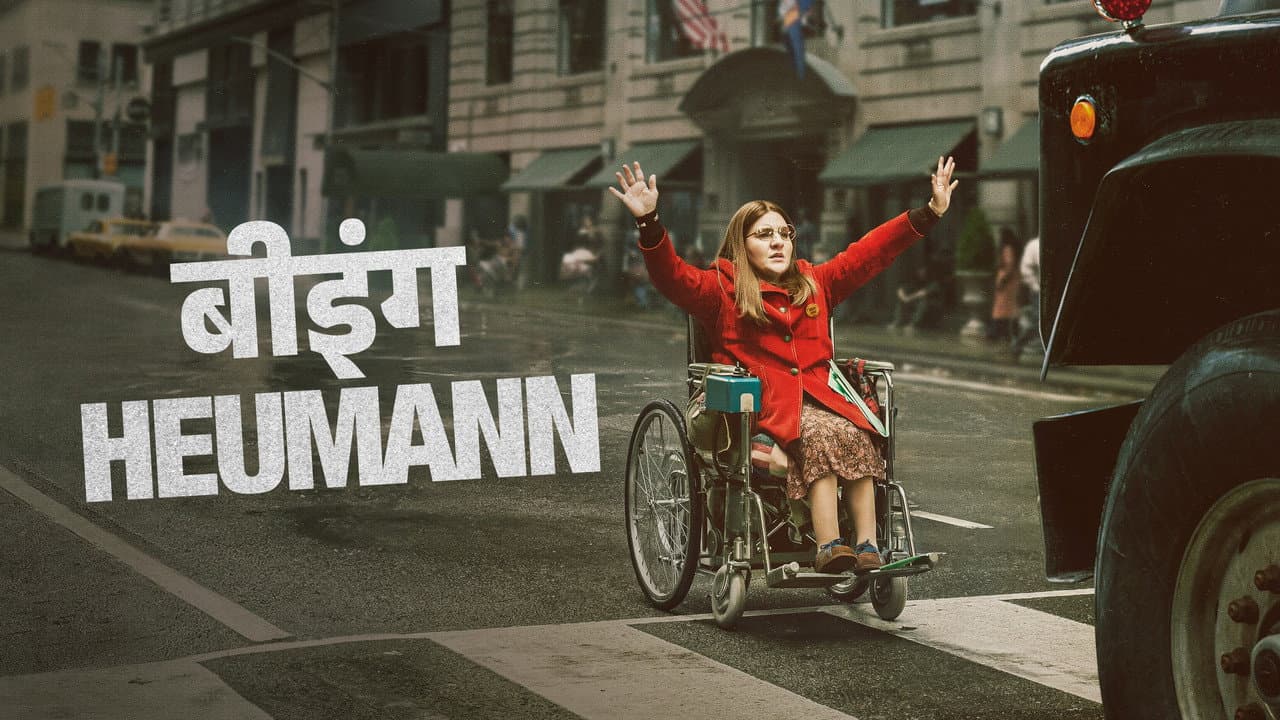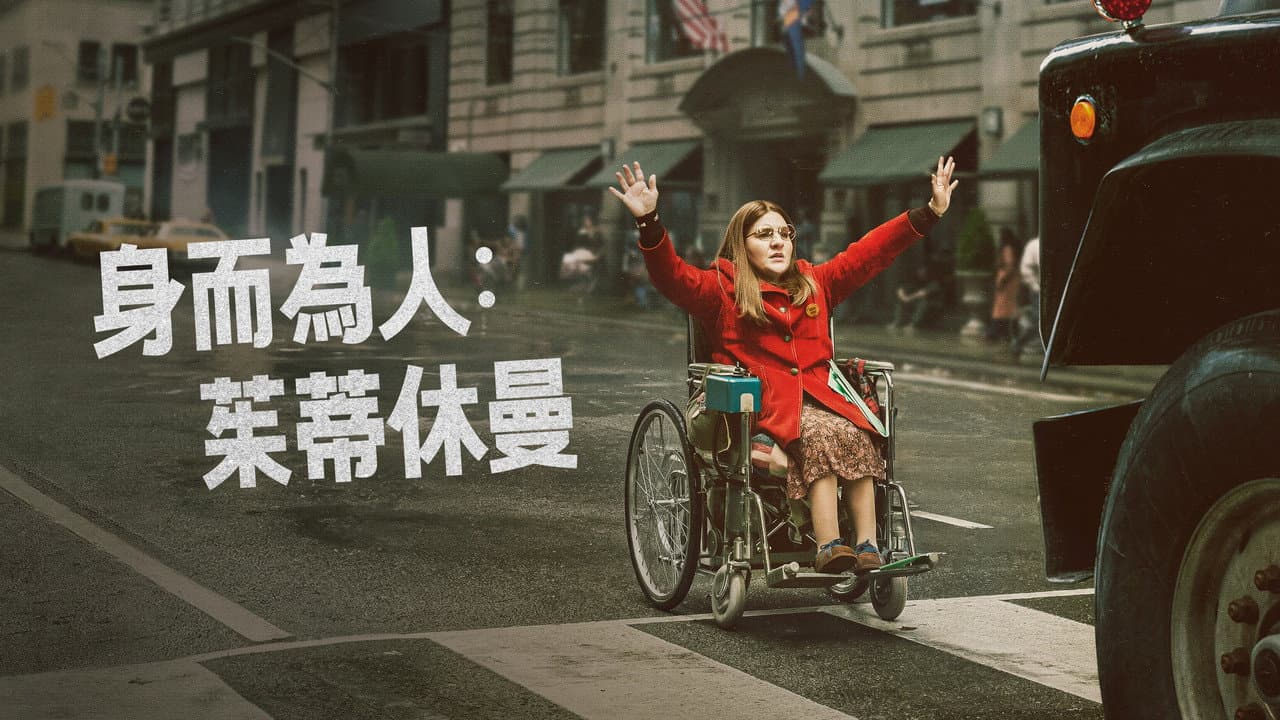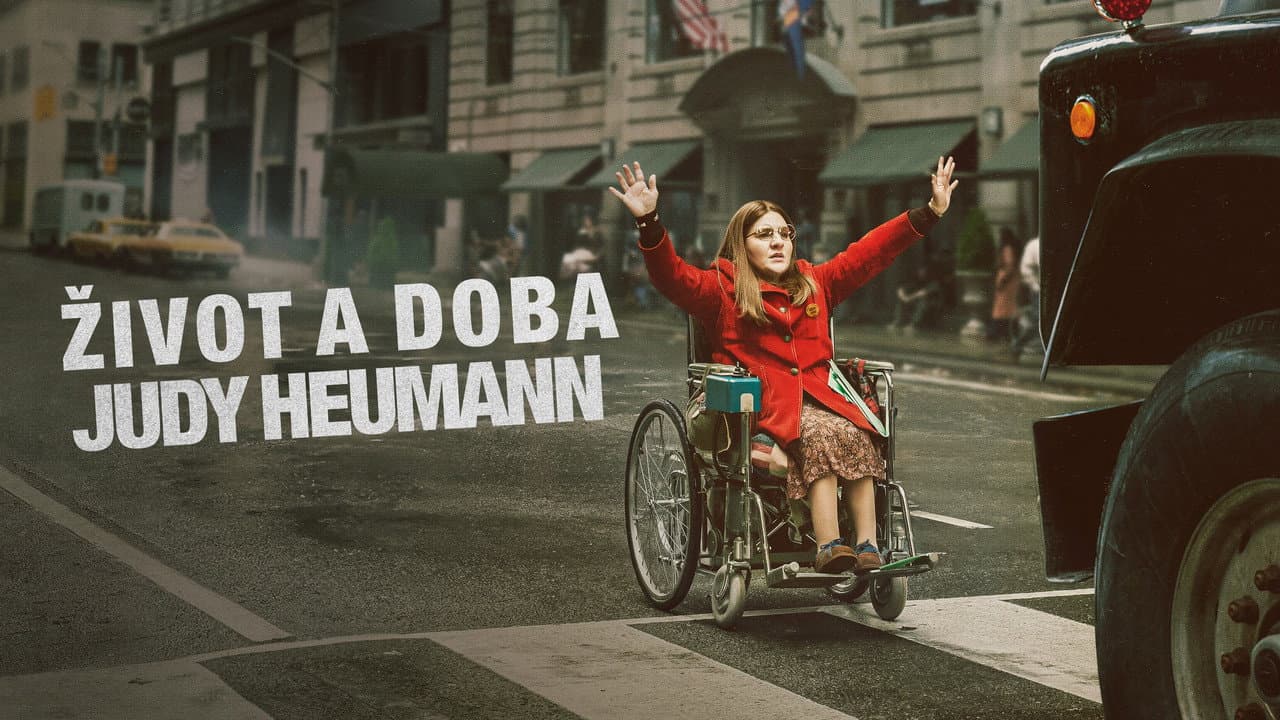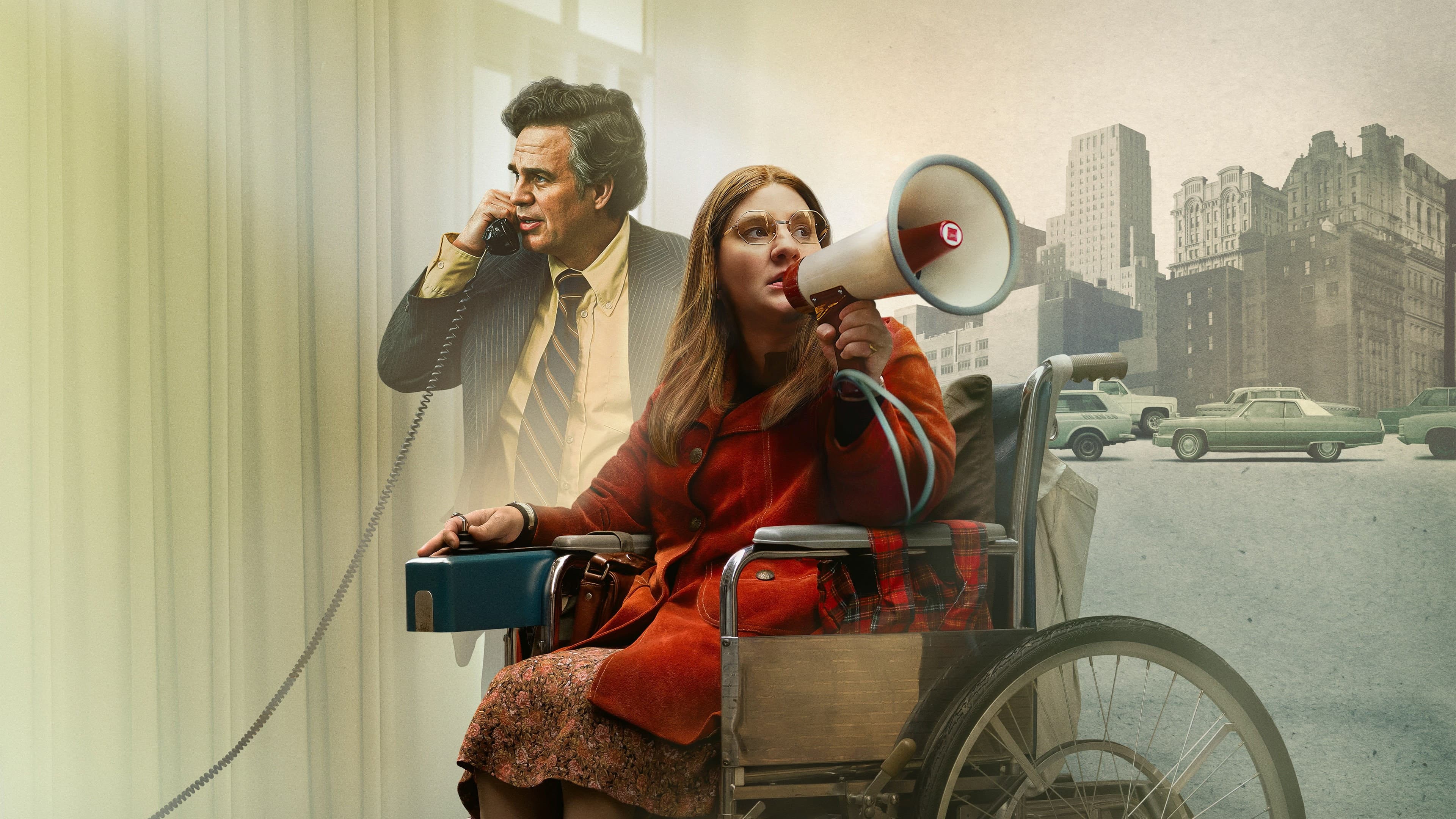
Sian Heder has already proven she can turn a real-life underdog story into an Oscar-night darling with CODA, so it's no shock that her follow-up, Being Heumann, arrives with serious pedigree and a firecracker lead performance from Ruth Madeley. What is a bit of a shock is how often this story of disability-rights warrior Judy Heumann leans on the same old Hollywood playbook it's supposed to be railing against. The film lands in theaters November 6, 2026, and it's a good movie that keeps threatening to be a great one.
The Story That Had to Be Told
For the uninitiated, Being Heumann is a 127-minute historical drama about a woman who refused to be filed under "burden." In 1977, Heumann and more than a hundred fellow disability-rights activists staged a massive protest with a blunt message to the government: the system is broken, not us. Scrappy, defiant, and thoroughly done with being condescended to, Heumann takes her fury and turns it into a movement. That's a phenomenal hook for a movie, and Heder knows it.
Madeley, who has been quietly building one of the most interesting careers in British film and TV, steps into Heumann's shoes and owns every frame. She plays the outrage and the exhaustion and the mischievous wit in equal measure, and it's the kind of performance that makes you want to hand her awards hardware before the credits roll. When the screenplay gives her room to breathe, she fills it absolutely.
A Murderers' Row of Supporting Players
The cast around her is genuinely absurd in the best way. Mark Ruffalo, doing his patented rumpled-bureaucrat thing, plays Joseph Califano, and the scenes between him and Madeley crackle with the specific tension of someone who's been polite too many times deciding to stop. Dylan O'Brien turns up as Evan White, while Madeline Delp brings real steel to Kitty Cone. Then there's Roberta Colindrez as Joni Breves, Jon Beavers as Jim Pechin, Antwan Tolliver as Brad Lomax, and Ray Fisher as Chuck Jackson - a lineup deep enough that you keep clocking familiar faces and getting a little jolt each time.
The ensemble is the film's secret weapon. Even when the script starts reaching for the nearest Inspirational Speech™, this crew sells it hard enough that you almost don't notice the seams.
Where It Trips Over Its Own Message
Here's the rub. Being Heumann wants to be a story about a broken system and the people who forced it to change. But too often it retreats into the safe, well-worn grooves of prestige biopic cinema - the rousing montage, the third-act speech to a room of doubters, the supportive ally who gets a redemptive arc. These are the very "Hollywood clichés" that sand down the edges of a genuinely radical story. Heumann's story is confrontational by nature; the film occasionally sounds like it's apologizing for that.
The result is a movie that's compelling but oddly cautious. It's at its best when it's messy and loud and uncomfortable - when it lets the activists be angry without immediately softening the blow. It's at its weakest when it wraps everything in a bow and tells you exactly how to feel. The TMDb rating sits at a middling 6.192/10, which feels about right for something that's this good in pieces and this conventional in whole.
The Verdict
Make no mistake, Being Heumann is worth your time. Madeley is a genuine revelation, the supporting cast is a delight, and the 1977 protest sequence is worth the ticket price on its own. Heder clearly cares deeply about this material, and when the film locks in, it's genuinely moving. But every so often you can feel the machinery of prestige-drama convention grinding in the background, turning a revolution into a tidy three-act narrative. That's a frustrating trade - and a reminder that the best way to honor a rebel like Judy Heumann might be to let the movie be as unruly as she was.
Source: India Today