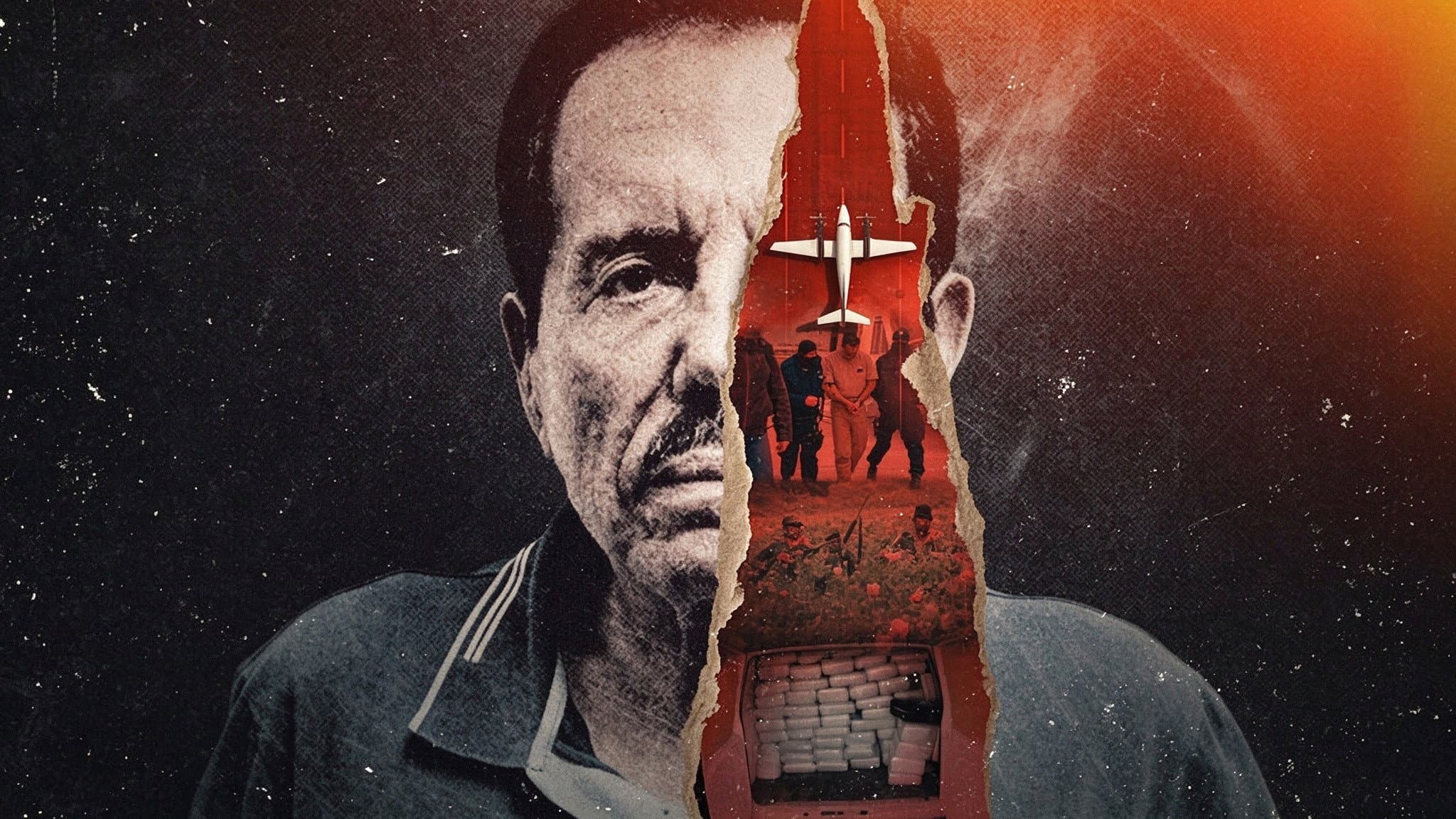
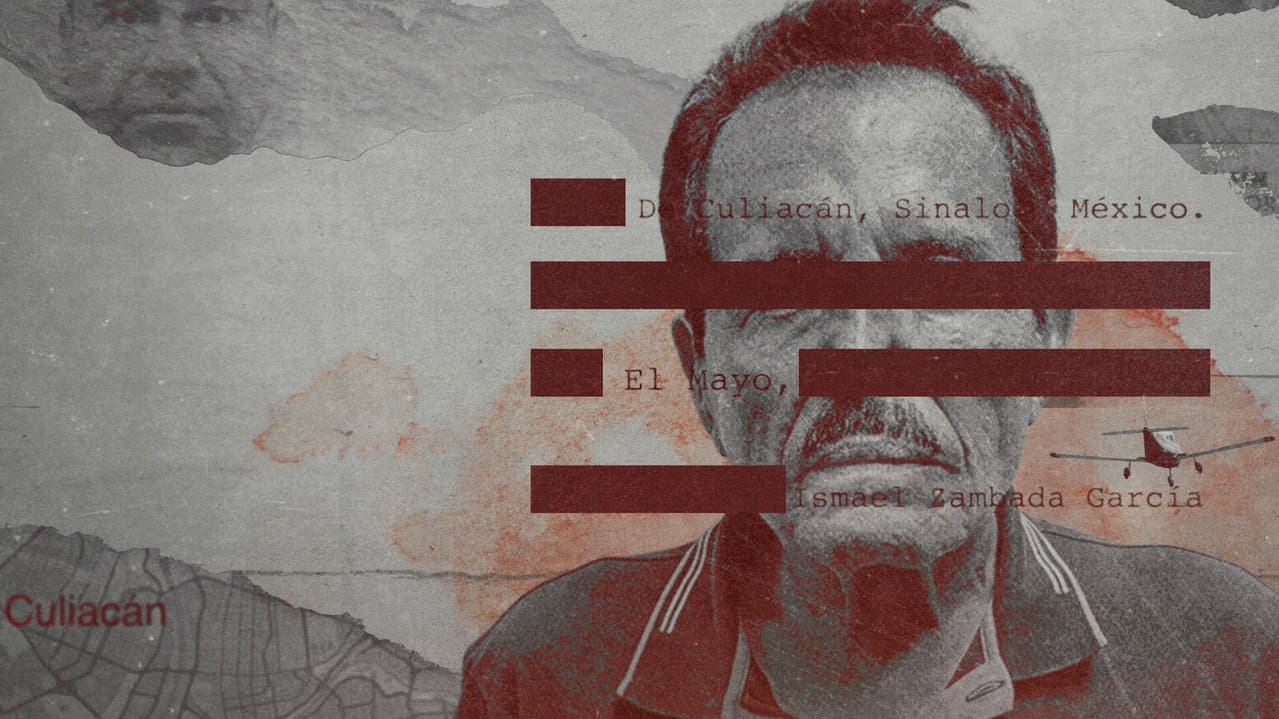
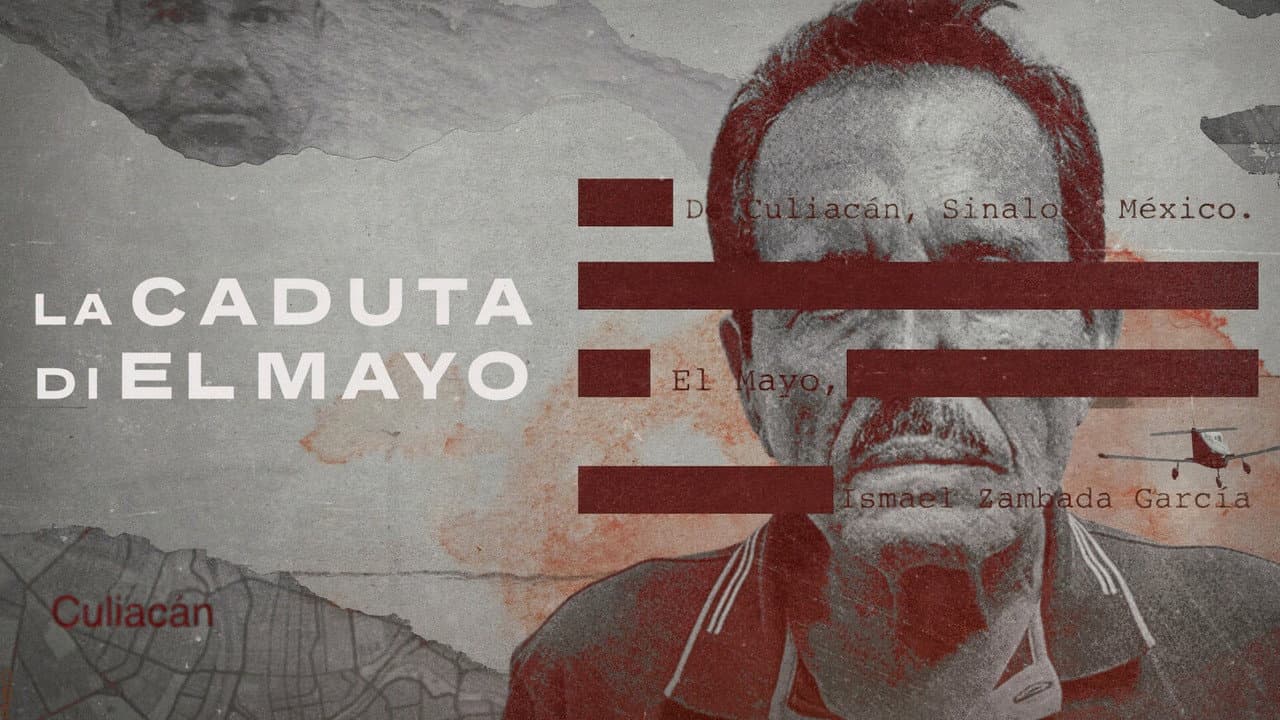
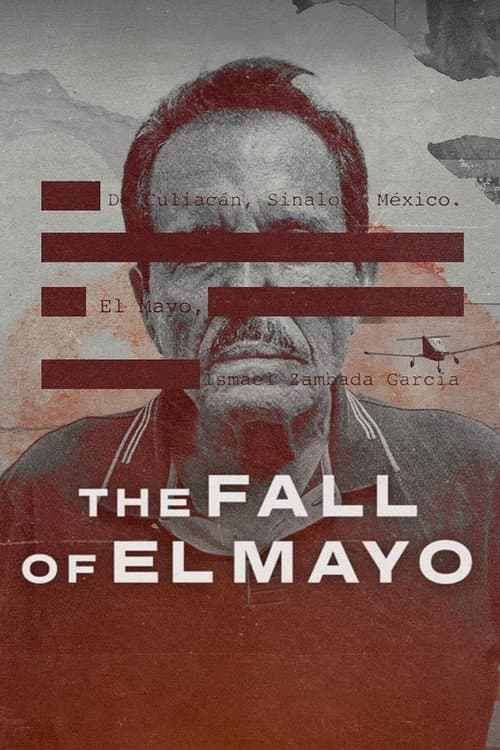
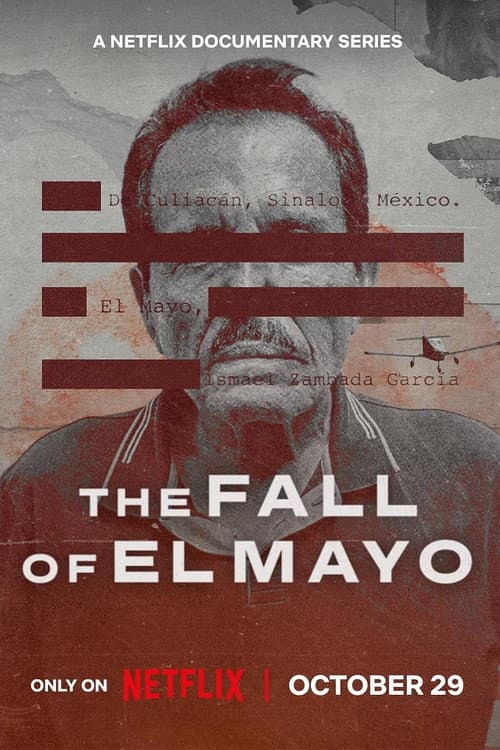
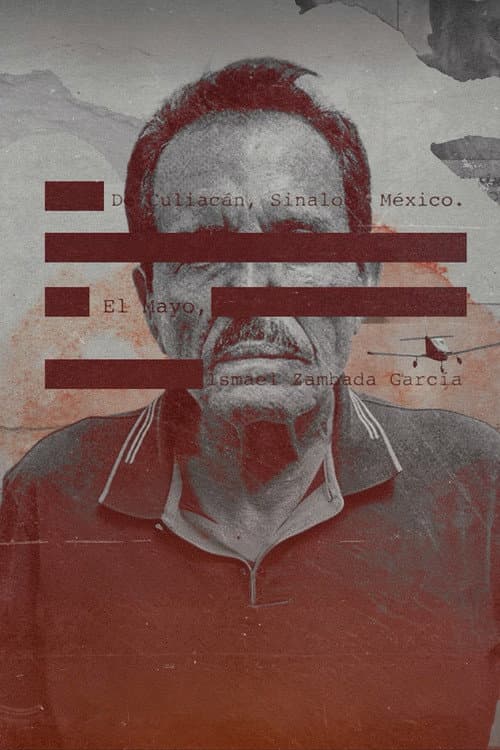
Let's get one thing out of the way: this is not a glamorization. If you're coming in expecting Narcos with real footage, you'll be surprised. The Fall of El Mayo is a documentary in the truest sense - patient, procedural, and quietly devastating. The storytelling mirrors its subject: it moves slowly, deliberately, and then strikes when you least expect it.
What makes it work is the tone. It's not breathless. It's not sensational. It's almost journalistic in its restraint, which is a weirdly bold choice in 2026, when every streaming doc feels the need to shout at you. The voiceover work is measured, the pacing is deliberate, and the archive material is deployed with surgical precision rather than dumped on screen for shock value.
The real triumph, though, is how the series handles the idea of "the downfall." We've been trained by pop culture to expect a spectacular, movie-style takedown - helicopters, shootouts, a guy in handcuffs being paraded in front of cameras. And while the show doesn't shy away from the drama of it all, it's more interested in the long, weird road that leads to that point. Thirty years of near-mythical status, and then the unglamorous reality of how it ends. There's a melancholy to it that I didn't expect and couldn't shake.
Is it perfect? No. At 60 minutes per episode, some installments feel like they're stretching a thin thread. The show's commitment to staying out of its own way means certain stretches get a little dry - you'll find yourself wishing for a bit more context on the people around him, even as the series deliberately keeps them at arm's length. And yes, the absence of a clear auteur fingerprint (director credits are notably absent from the metadata) does give the whole thing a slightly anonymous, house-style feel.
But honestly? That anonymity works in its favor. This isn't a story that needs a stylist. It needs a witness. And the series is a remarkably clear-eyed one.