There's a particular kind of madness that sets in around the eleventh hour of practicing Bach. The fingering stops making sense. The counterpoint turns into a taunt. And somewhere between the third and fourth repeat of the same four bars, you start to suspect the composer is laughing at you from the eighteenth century.
That's the territory Conor Oberst wades into with Invention 13, a fifteen-minute fantasy short that quietly landed on September 26 and has been burrowing into the brains of anyone lucky enough to catch it. Oberst - yes, that Conor Oberst, the one who's spent decades turning insomnia and heartbreak into folk-rock - steps behind the camera for a film that treats a piano exercise like a haunting.
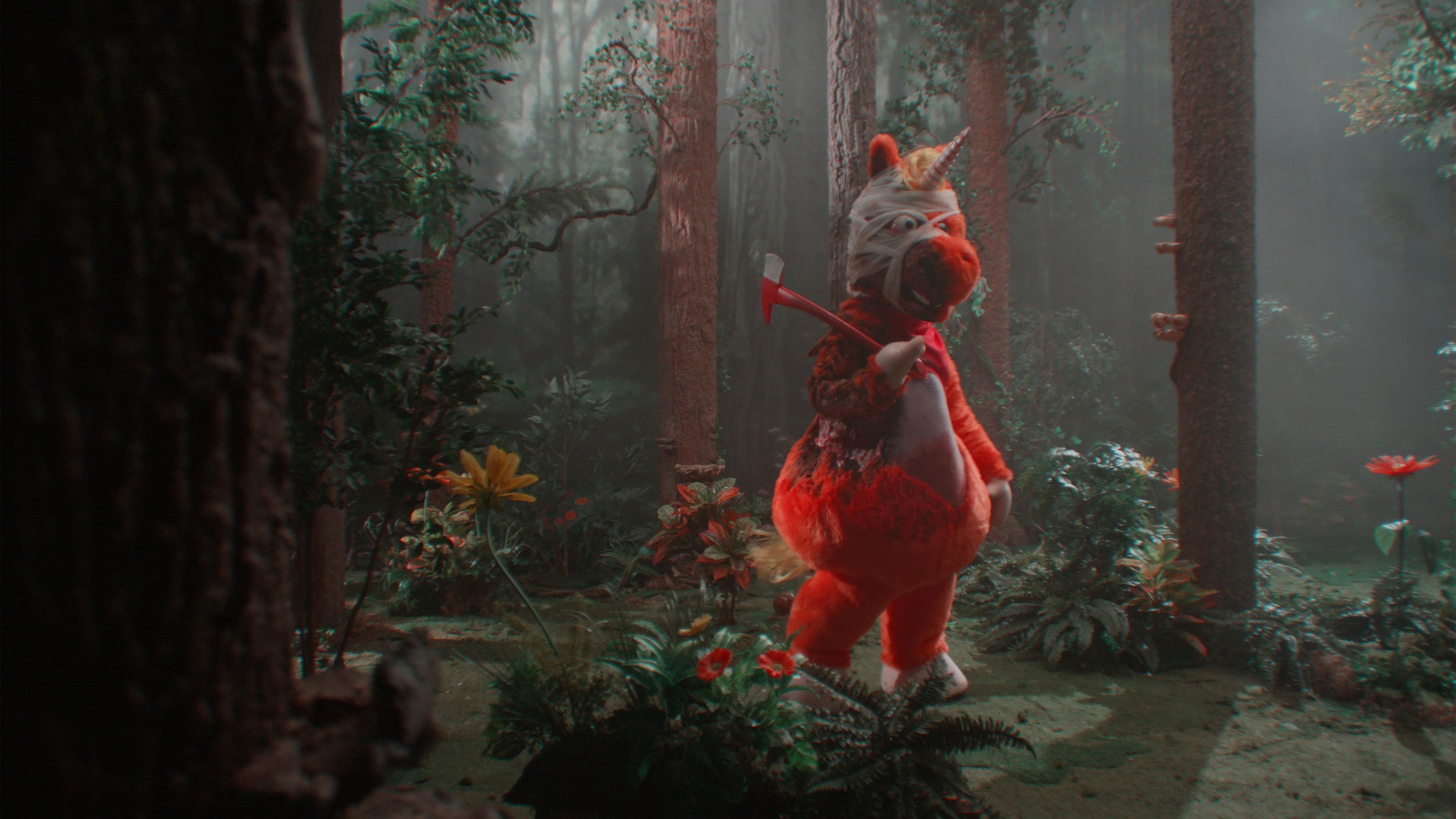
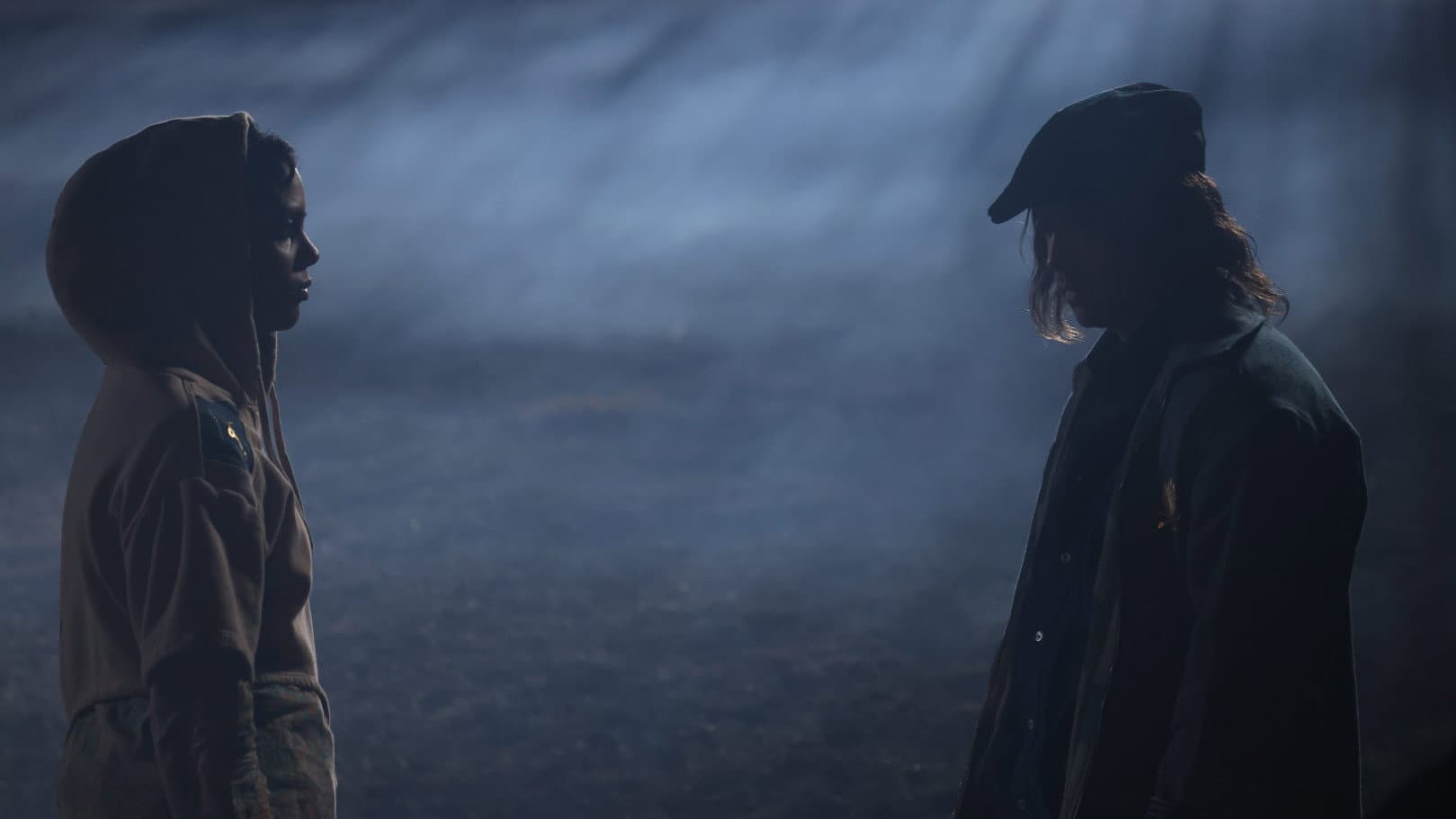
The premise is deceptively simple. On a cold, windy night, a frustrated pianist named Christopher, played by Emory Cohen, sits down to conquer Bach's notoriously intricate Invention 13. Anyone who's ever attempted it knows the piece is a finger-twisting labyrinth - the kind of thing that looks elegant on the page and feels like a puzzle box in your hands. But Christopher's problems aren't just technical. Strange obstacles start piling up, and the film leans hard into its fantasy label to make those obstacles literal.
Olivia Howard plays Monique, and the cast also features Phoebe Bridgers - Oberst's Better Oblivion Community Center collaborator - lending her voice to a character named Tabitha. That's right: voice only. If you know Bridgers' whispery, slightly haunted delivery, you can already imagine what a disembodied version of it might do to a guy alone at a keyboard on a windy night. Nelly Morville rounds things out as Future Dusk, a name that sounds less like a character and more like a weather system rolling in over the hills.
Oberst assembling this particular crew makes a certain scrappy sense. He's spent his career around musicians who treat their instruments like confessional booths, and Invention 13 essentially dramatizes that relationship. The pianist versus the piano. The performer versus the page. The moment when a piece of music stops being something you play and starts being something that plays you.
What's striking about the setup is how it inverts the usual underdog story. A short film about learning a hard piece could easily become a training montage - struggle, practice, triumph, credits. Invention 13 apparently has no interest in that arc. The obstacles are strange, not merely difficult. The genre tag is fantasy, not drama, and the presence of a character called Future Dusk suggests the film is after something more elliptical than a simple "will he nail it?" question.
The timing of the release adds its own texture. A cold-weather film arriving in late September, just as the nights start stretching out, feels deliberate. This is the season for hunkering down, for obsessive projects, for the specific loneliness of being the only person awake in a house with a keyboard and a deadline of your own making. Bach's two-part inventions were written as teaching pieces, which makes the whole thing a little funnier and a little crueler: Christopher isn't battling a concerto, he's battling homework. The universe has a sense of humor.
Fifteen minutes is a tight window, but it's also the right one. Shorts like this live or die on atmosphere, and a runtime that brief forces everything to count - every gust of wind, every pause between phrases, every flicker of something that shouldn't be there. Cohen, an actor with a gift for playing frayed nerves without tipping into melodrama, seems tailor-made for a man slowly losing an argument with a piece of sheet music.
And in case you're wondering about public reception, the early numbers are essentially a blank page. The film's rating currently sits at zero out of ten based on the thinnest possible sample - which in the weird ecosystem of short films means nothing and everything at once. Call it a mystery, call it an audience still finding its way in.
What's clear is that Invention 13 is aiming for a very specific sweet spot: the intersection of classical rigor and midnight weirdness, where a practice session becomes a ghost story and a composer dead for nearly three centuries still gets the last word. If that sounds like your kind of evening - cold wind outside, a piano inside, and no guarantee the music will behave - then Oberst has built something worth sitting with. Just maybe not alone.