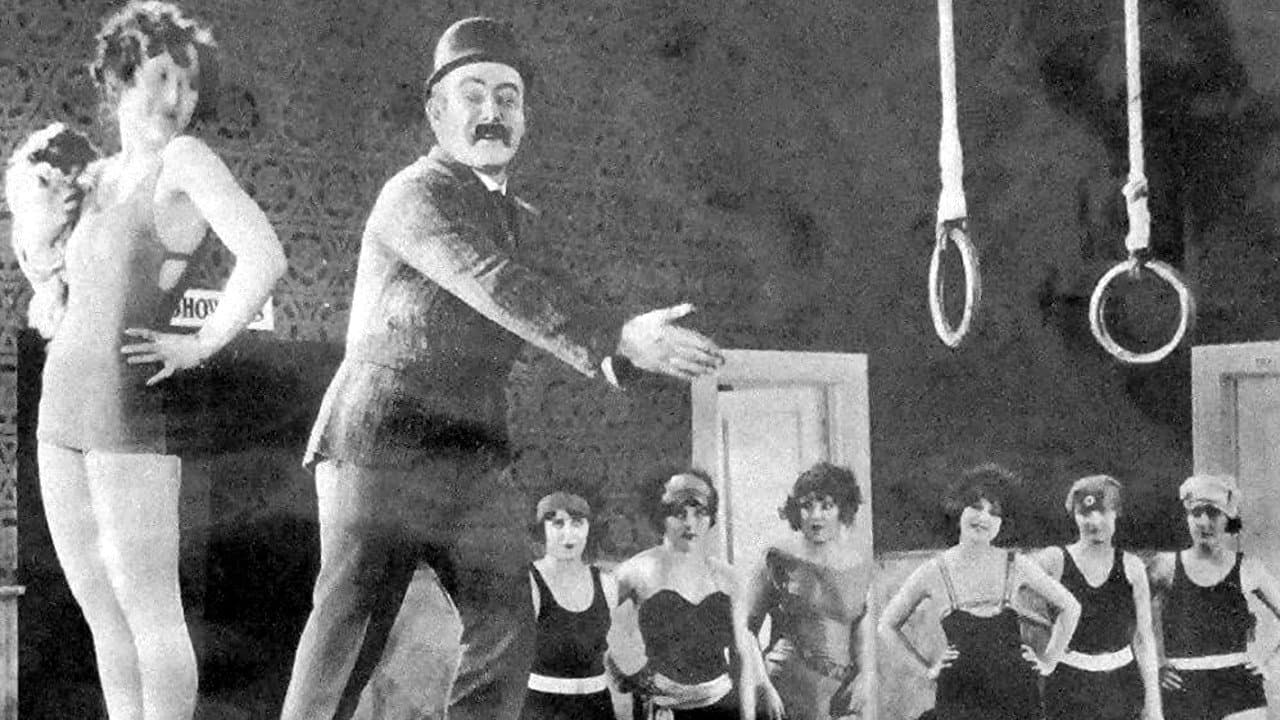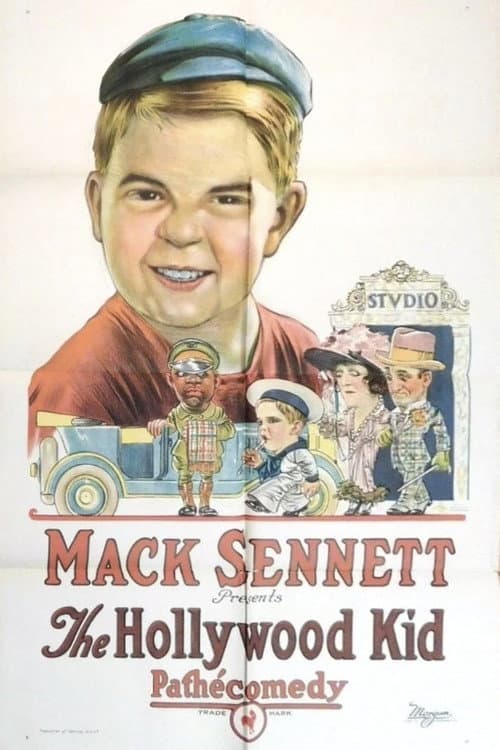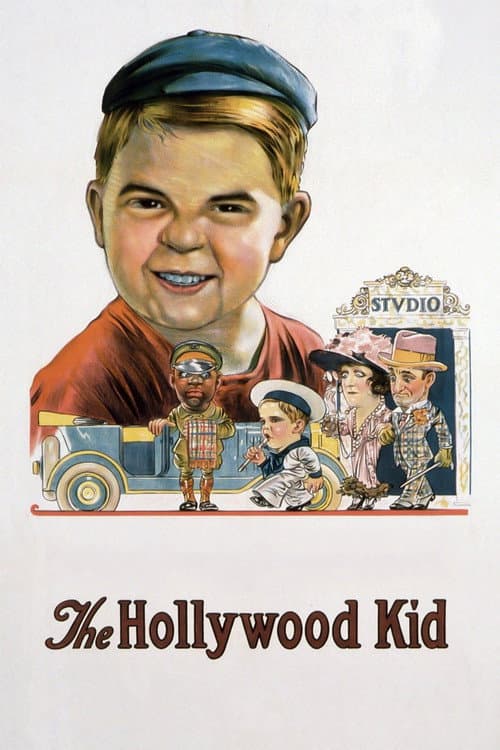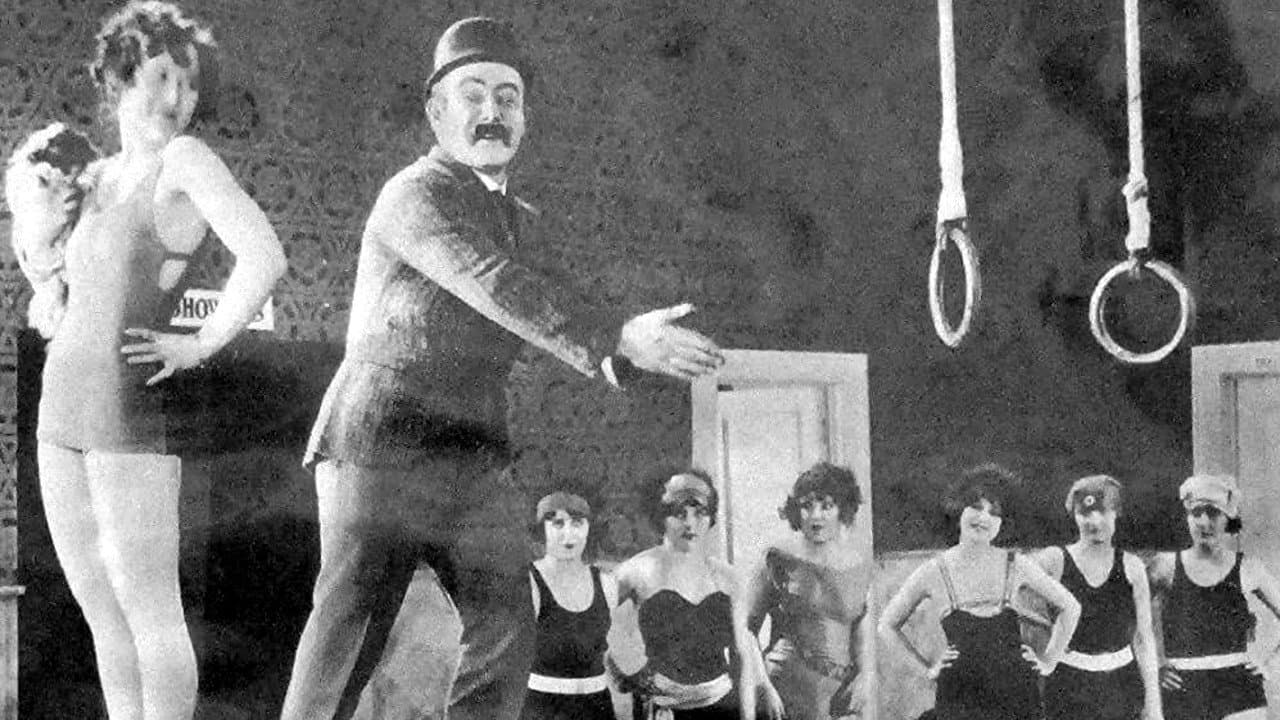
Nearly a century before Hollywood turned self-parody into a cottage industry, a 20-minute comedy short was already sticking pins in the town that makes dreams. The Hollywood Kid, directed by Roy Del Ruth and released on April 19, 1924, packed more stars and gags into its brisk runtime than most full-length features of the era could manage. The film, a Hollywood production in English, remains a fascinating artifact of early Tinseltown laughing at itself - and it's still findable today for anyone curious enough to seek it out.
A Plot Built on a Family and a Feud
The story centers on Patrick Pico (Charles Murray) and his wife, Mrs. Patrick Pico (Louise Carver), whose young son Jackie - played by Jackie Lucas - is the titular Hollywood Kid. The family gets tangled up with the movie business through Claude Climax (Vernon Dent), a director, and a cameraman (Jack Cooper). Complicating matters is Felix Katz (Marvin Loback), a rival studio boss, while Andy Clyde pops up in multiple roles as a studio spy, a director, and an actor. For good measure, Mack Sennett - the man whose name was synonymous with slapstick comedy - appears as himself.
In other words, this is a short that doesn't waste a second of its 20-minute runtime on setup it can't pay off with a laugh. The premise gives the cast plenty of room to send up the studio system, from scheming producers to pretentious directors, all filtered through the eyes of a child growing up on a backlot.
A Who's Who of Silent-Era Comedy
What makes The Hollywood Kid worth revisiting is the sheer density of talent crammed into it. Charles Murray was a reliable comic presence in silent films, and Louise Carver brought her own brand of broad, physical humor to the role of Mrs. Pico. Vernon Dent, as the director Claude Climax, would go on to become one of the most recognizable faces in Three Stooges shorts - a career that makes his turn here a fun piece of foreshadowing for comedy nerds. Andy Clyde, meanwhile, was a Scottish-born character actor who could shift between roles with ease, and here he gets to do exactly that, playing three different parts in a single short.
Then there's Mack Sennett. The director and producer was already a legend by 1924, the architect of the Keystone Kops and the man who helped launch Charlie Chaplin's career. His cameo as himself is a wink at the audience - a reminder that the film's satire comes from people who knew the machine from the inside.
Self-Deprecation as a Genre
Hollywood has always loved making fun of Hollywood, from Sunset Boulevard to The Player to Hail, Caesar! But in 1924, the movie business was still young enough that poking fun at it felt genuinely novel. The Hollywood Kid belongs to that early wave of showbiz satire, a tradition that would only grow more pointed as the industry matured.
The short's title itself is a bit of a joke - a "Hollywood kid" could mean a child raised on movie sets, or simply a kid who dreams of the silver screen. Either way, the film leans into the idea that show business is a family affair, with all the chaos that implies. Studio spies, rival bosses, and harried directors make for a world where everyone is scheming and no one is quite in control.
Legacy and Reception
The Hollywood Kid holds a modest 5.4 out of 10 rating on TMDb, which feels about right for a curiosity piece rather than a canonical classic. It's the kind of film that appeals more to silent-comedy completists and historians than to casual viewers, but for those audiences, it offers a compact, gag-dense window into what made audiences laugh a hundred years ago.
At just 20 minutes, it's also an easy entry point for anyone who's never dipped into silent comedy before. The pacing is brisk, the references are broad, and the sight gags don't require a glossary of 1920s slang to land. For a modern viewer, the fun comes from watching a young industry laugh at its own reflection - and realizing that some of the jokes haven't aged a day.
Roy Del Ruth would go on to a long and varied directing career, but The Hollywood Kid captures him early, working in the fertile ground of short-form comedy. It's a small film with a big cast and an even bigger sense of mischief, and it deserves a spot on any list of early Hollywood self-portraits.
Source: IMDb