There’s a moment in Julio Quintana’s Angel and the Badman where Zachary Levi’s Quirt Evans, bleeding through a borrowed shirt, stares at a plate of eggs like they might be a trap. Given his line of work, they probably are. The film landed in theaters on October 8, and it’s the kind of Western that sneaks up on you - less six-shooter opera, more slow-burn story about a man deciding whether he’s allowed to put the gun down.
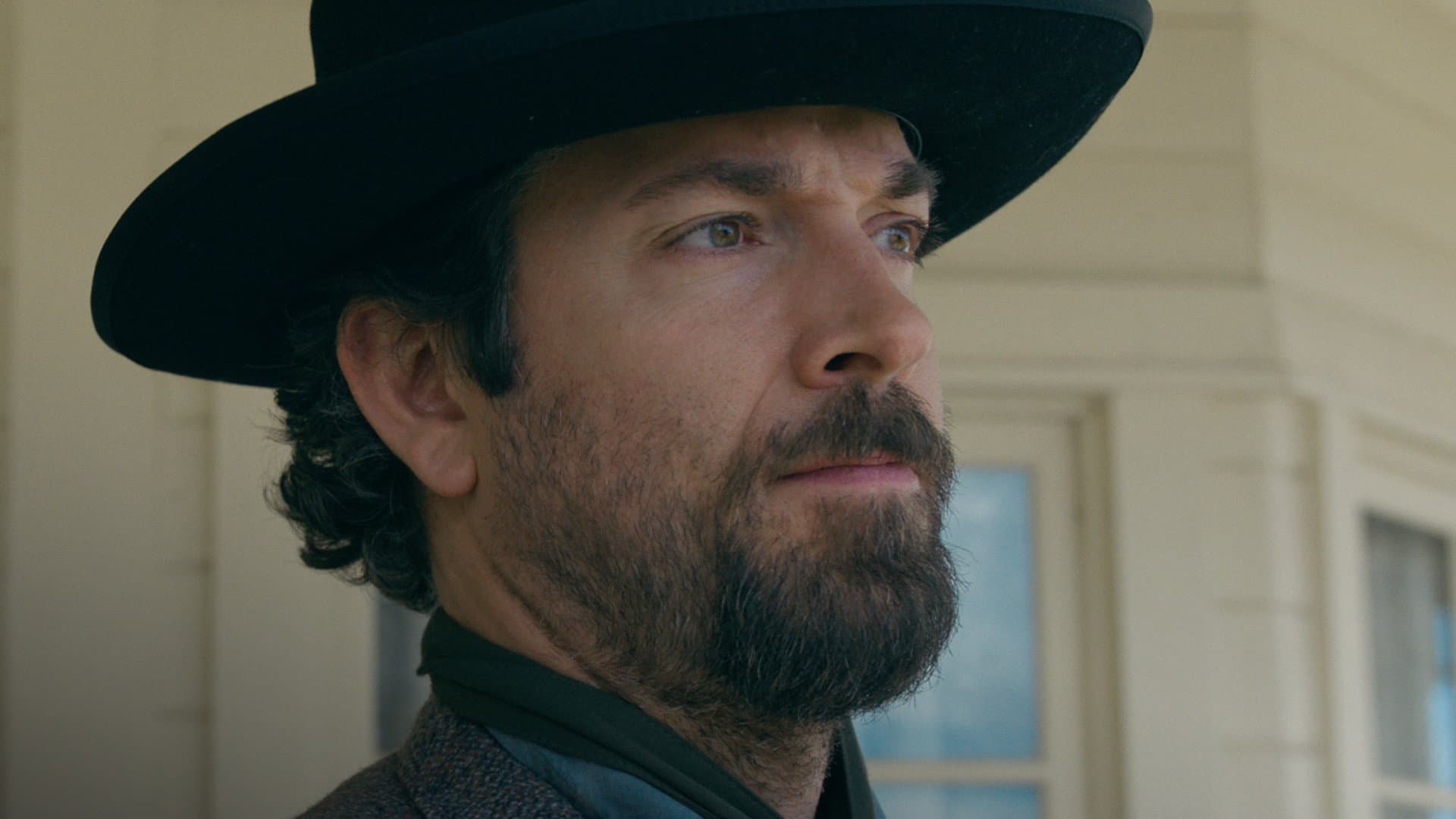
Levi, mostly known for saving the world in spandex or charming his way through spy capers, trades the quips for quiet. He plays Quirt Evans, a wounded outlaw who gets scooped up by a rancher’s daughter and patched back together when he should’ve been left for the buzzards. That daughter is Penny Worth, played by Meg Fraser with a mix of stubborn kindness and frontier practicality that keeps the film’s heart beating. Penny doesn’t lecture Quirt about his soul. She just feeds him, gives him a bed, and lets the silence do the work. It’s an old-fashioned idea - mercy as a form of stubbornness - and the movie commits to it.
But Angel and the Badman isn’t interested in letting anyone get too comfortable. The law is sniffing around, embodied by Tommy Lee Jones as Marshal McClintock. Jones, a living monument to the Western genre, doesn’t chew scenery here. He doesn’t have to. There’s a weariness in the way McClintock rides into frame, like he’s been chasing men like Quirt since before the audience was born. The marshal isn’t a villain, exactly. He’s the bill coming due.
Then there’s Neal McDonough as Laredo, and if you know McDonough, you know the man can play menace with a smile. Laredo is the pull in the other direction - the old life, the violent past, the easy answer. The film sets Quirt between them like a man standing on a fault line. On one side, Penny and the Worth family, including Jean Louisa Kelly as Irene Worth and Barrett Ellis Luca as Johnny Worth, offering a version of home that feels suspiciously fragile. On the other, Laredo and everything Quirt already knows how to do. The genre has always loved this setup, but Quintana’s direction keeps it from feeling like a museum piece. The pacing is deliberate, the landscapes are unforgiving, and the violence, when it comes, lands with weight rather than spectacle.
The supporting cast does a lot of quiet lifting. Melissa Chambers as Harriet and Maurice Greene as Tully round out a town that feels lived-in, not like a backlot. These aren’t cardboard frontier types. They’re people with chores and grudges and opinions about who deserves a second chance. The film’s title promises a collision between the angelic and the bad, and the script wisely refuses to make either side cartoonish. Penny isn’t a saint, and Quirt isn’t a monster. They’re just two people trying to figure out if the past gets a vote in the future.
And audiences are clearly responding. A 9-out-of-10 rating on TMDb puts the film in rare air, the kind of number that usually gets reserved for franchise finales and prestige dramas. For a Western romance running a tight 105 minutes, that’s a signal. People are finding something here - maybe the simplicity of it, maybe the chemistry, maybe the sight of Tommy Lee Jones reminding everyone how it’s done. The film wears its genres like layers: Western first, then action, then adventure, then romance. It never lets one overwhelm the others. The result is a movie that feels like a throwback without feeling like a retread.
The real question the film keeps circling is the one in its own logline - what kind of man will Quirt become? The hope of love pulls him one way. The law and his violent past pull another. Angel and the Badman doesn’t rush the answer. It lets Quirt sit with the choice, lets the audience sit with it too, and trusts that the waiting is the point. In a fall movie season crowded with noise, that patience might be the most radical thing about it.