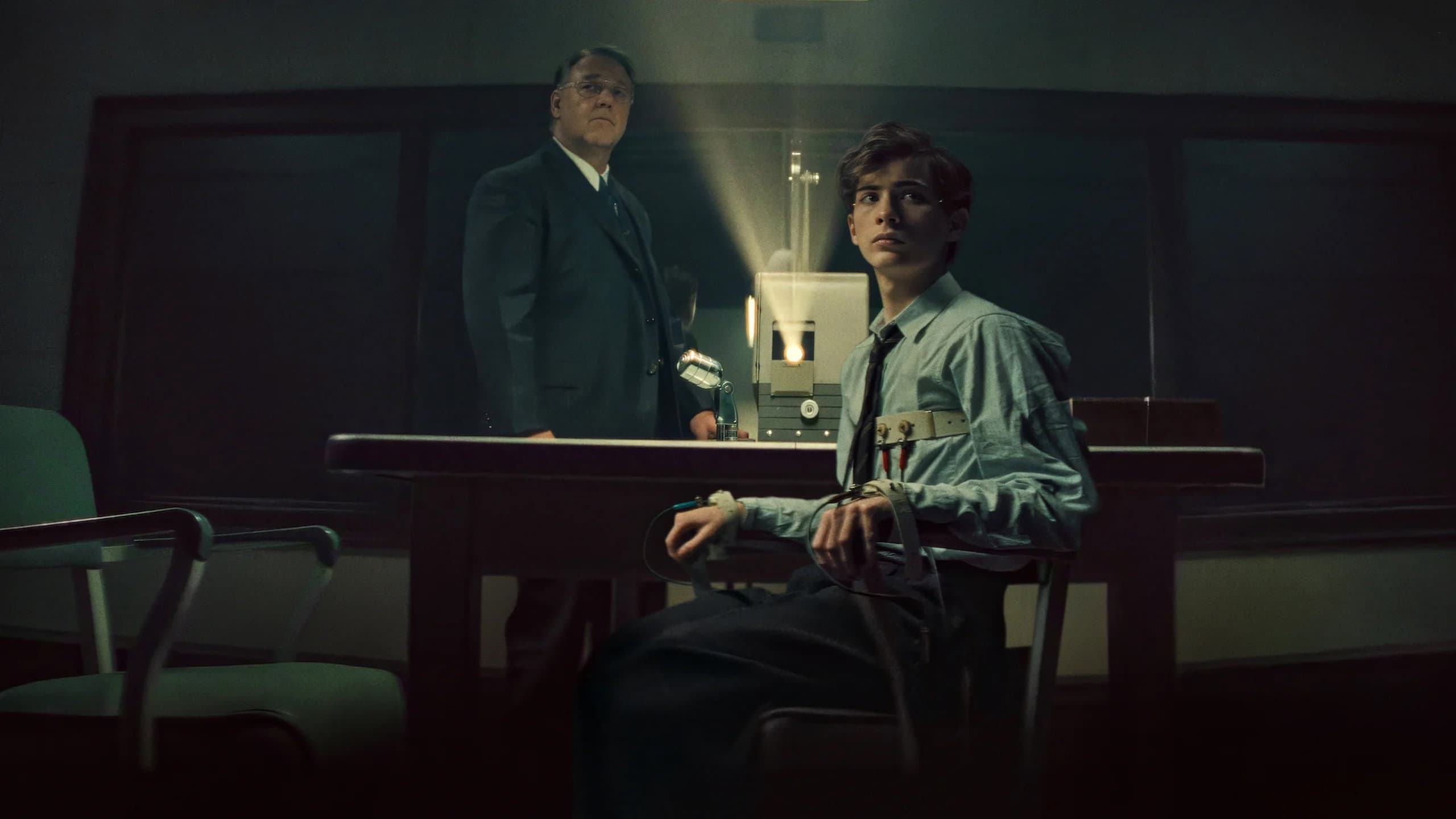
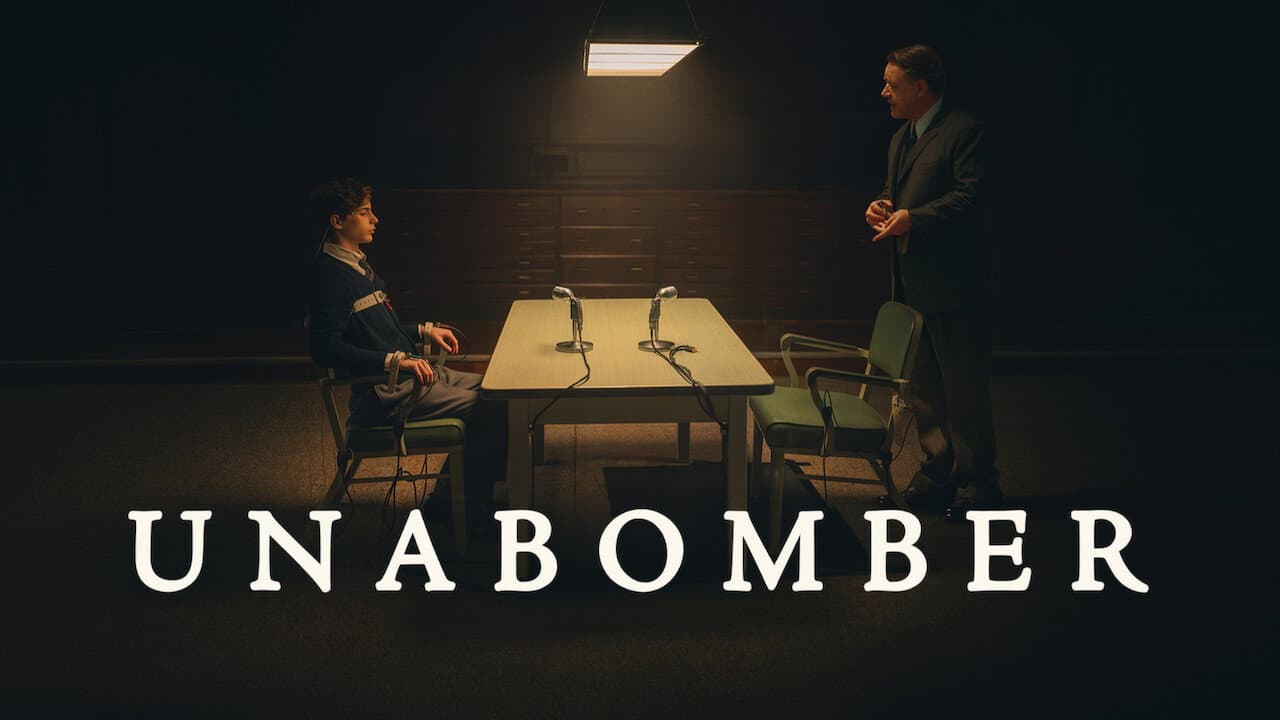
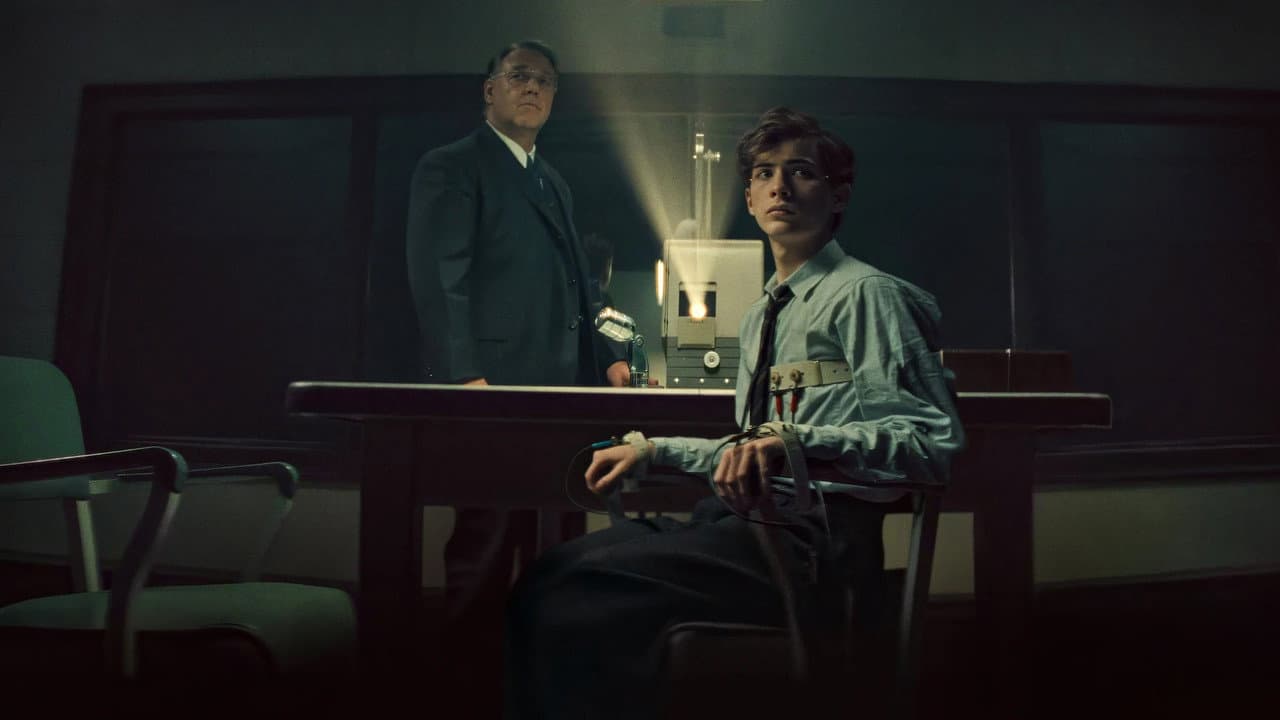
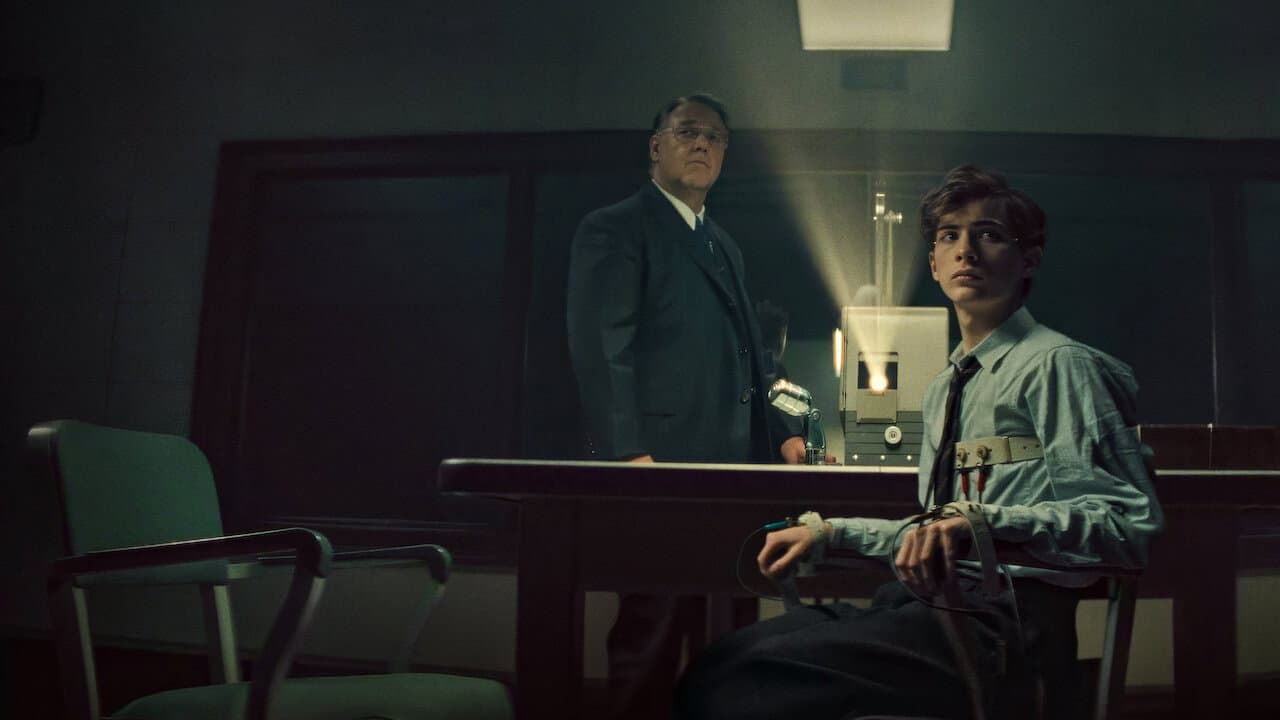
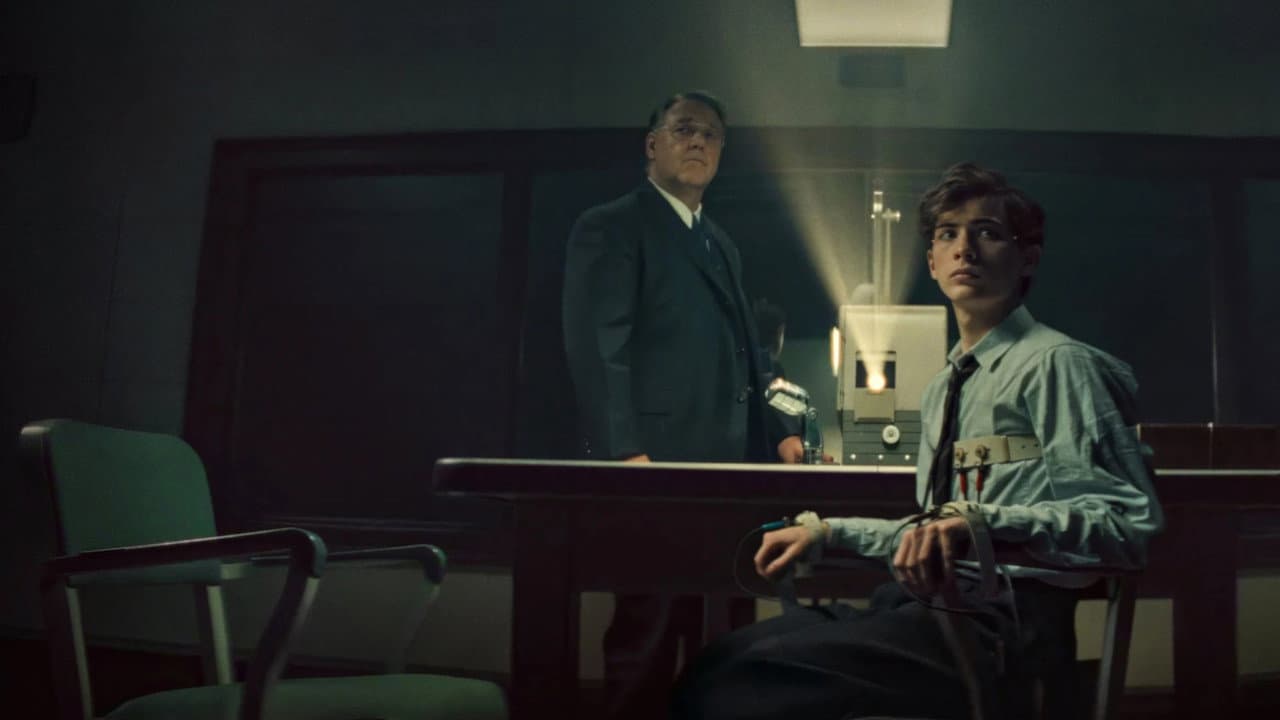
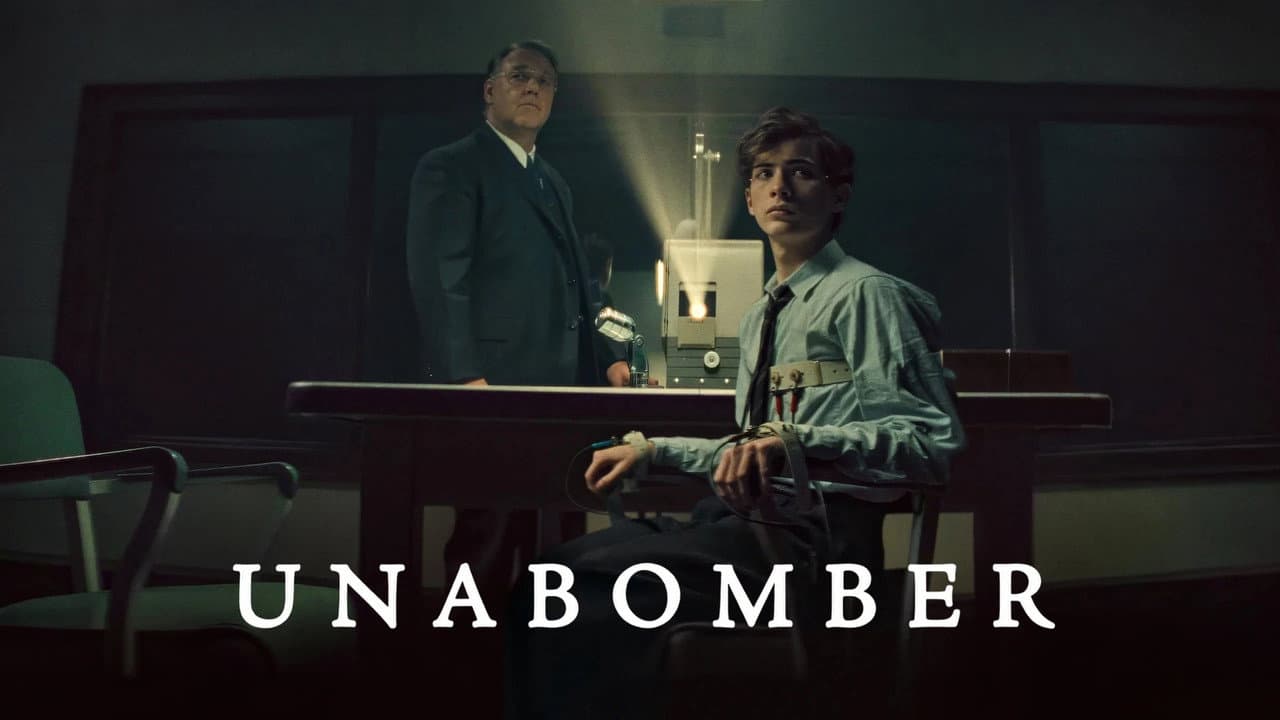
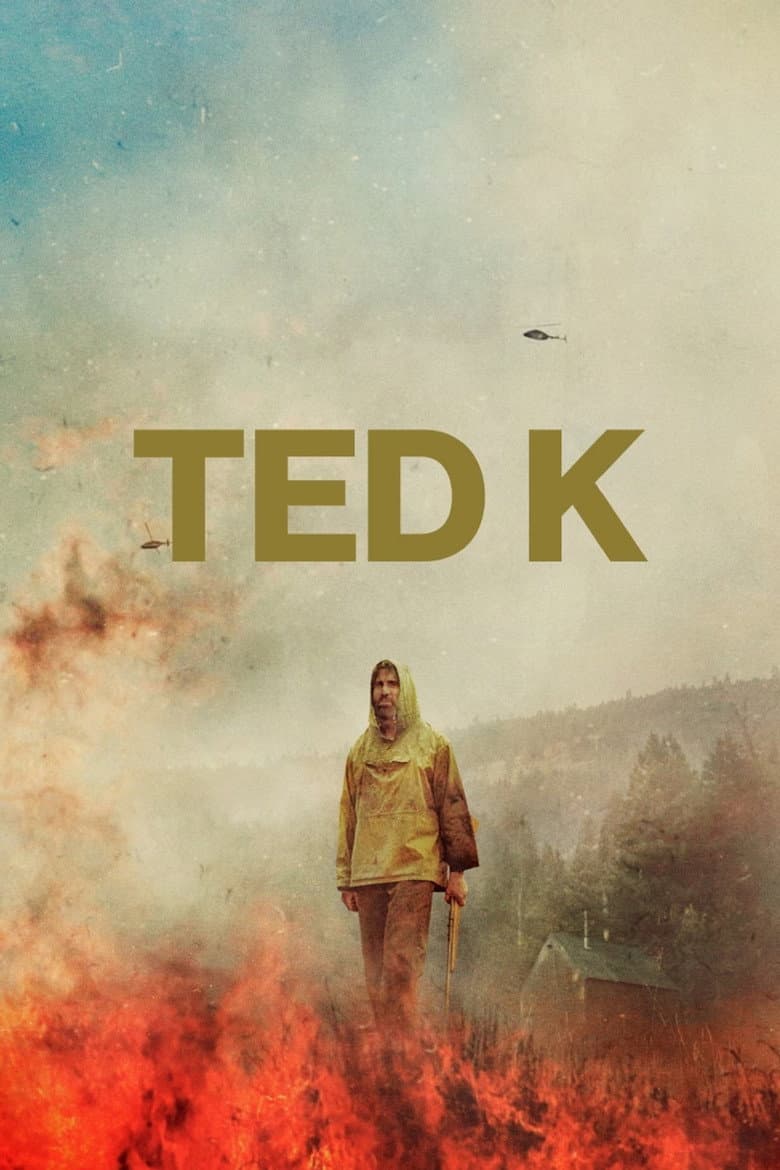
Metz, who gave us the gritty Borg vs. McEnroe, isn’t interested in glorifying violence. He’s interested in the quiet before it. The bombing sequences are brief and almost incidental - the real terror is in the everyday. A cabin. A typewriter. A man who can’t look another human in the eye. The script (which wisely avoids turning Ted into a misunderstood antihero) keeps its focus on cause and effect: Murray’s experiments plant the seed, isolation waters it, and by the time the FBI shows up, the tree’s already rotten.
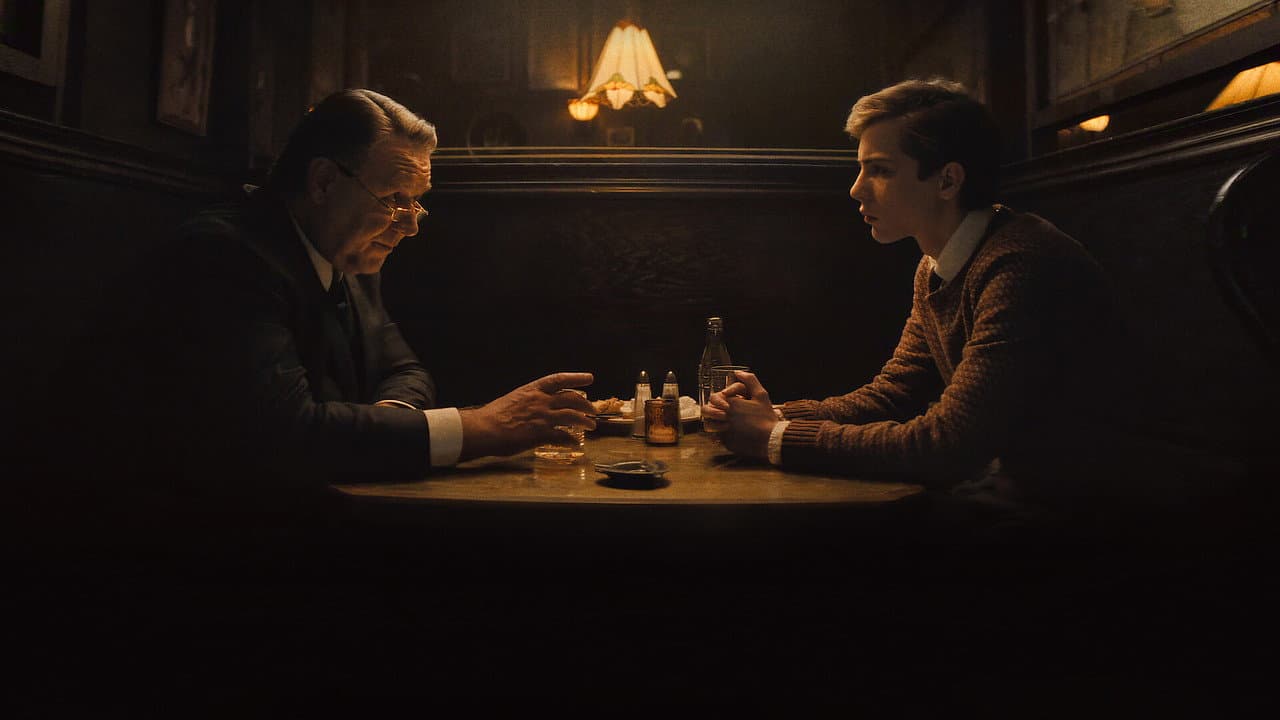
Crowe is having a blast as Murray - all tweed, condescension, and a smirk that says “I’ll publish a paper about your breakdown.” It’s a big performance, maybe too big for a film this restrained, but it gives the movie a pulse. Woodley, meanwhile, does the opposite. Her Joanne Miller is all tired eyes and clenched jaw, a woman who’s seen too much and says too little. She’s the audience surrogate, and she’s excellent at it - you feel her frustration every time a lead goes cold.
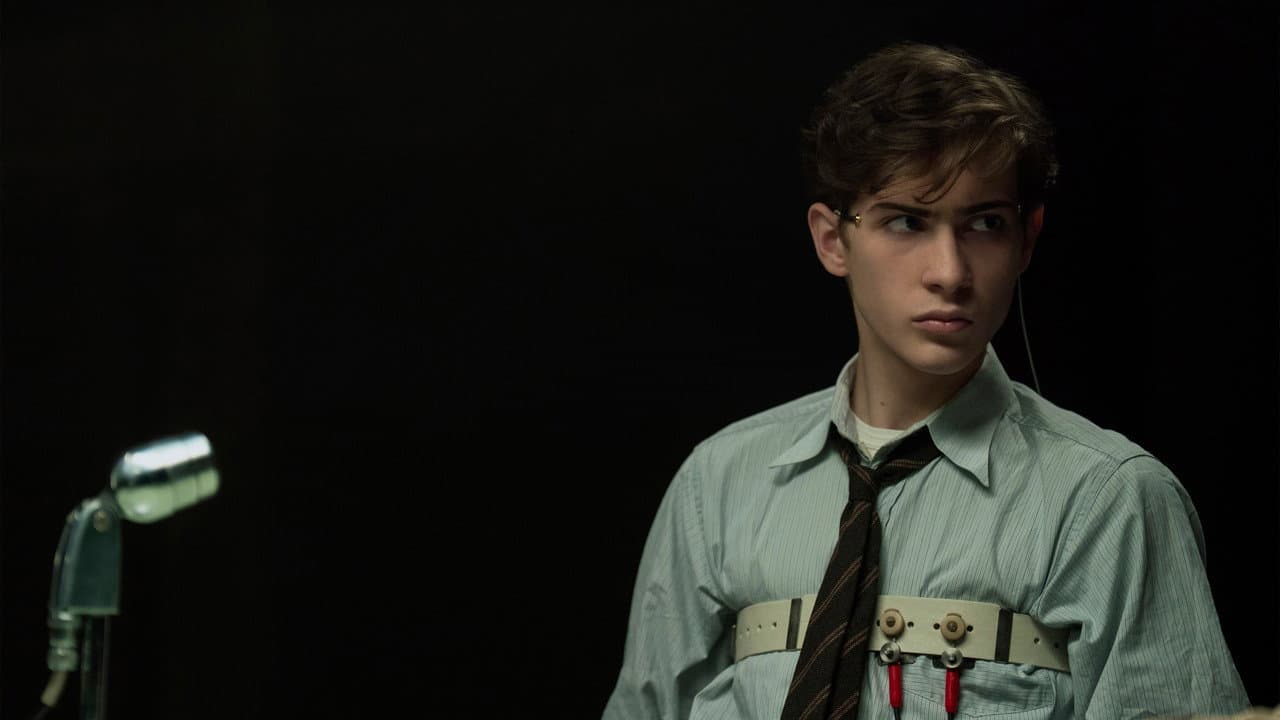
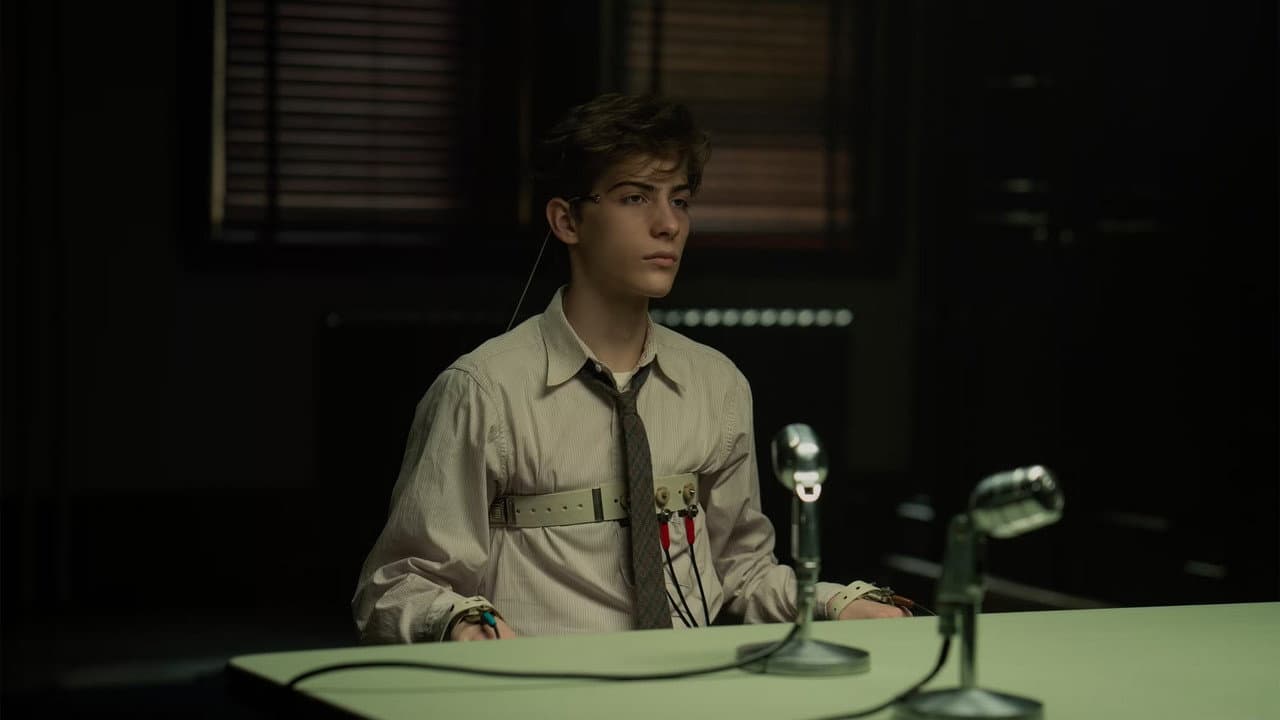
The real revelation, though, is Tremblay. Now in his twenties, he plays Kaczynski from awkward teen to hardened recluse with a physical transformation that’s more posture than prosthetics. His Ted doesn’t monologue. He mutters. He flinches. He looks at people like they’re equations he can’t solve. It’s a performance of tiny, awful details, and it’s the reason the film works.
Where UNABOMBER stumbles is pacing. The second act drags, and a subplot involving Annabelle Wallis as Murray’s collaborator Christiana Morgan feels undercooked. The film also can’t quite decide whether it wants to be a procedural or a tragedy - so it splits the difference and sometimes loses steam.
Still, this is smart, adult filmmaking. It’s not a fun watch. It’s not supposed to be. But it’ll stick with you like a bad dream you can’t shake.