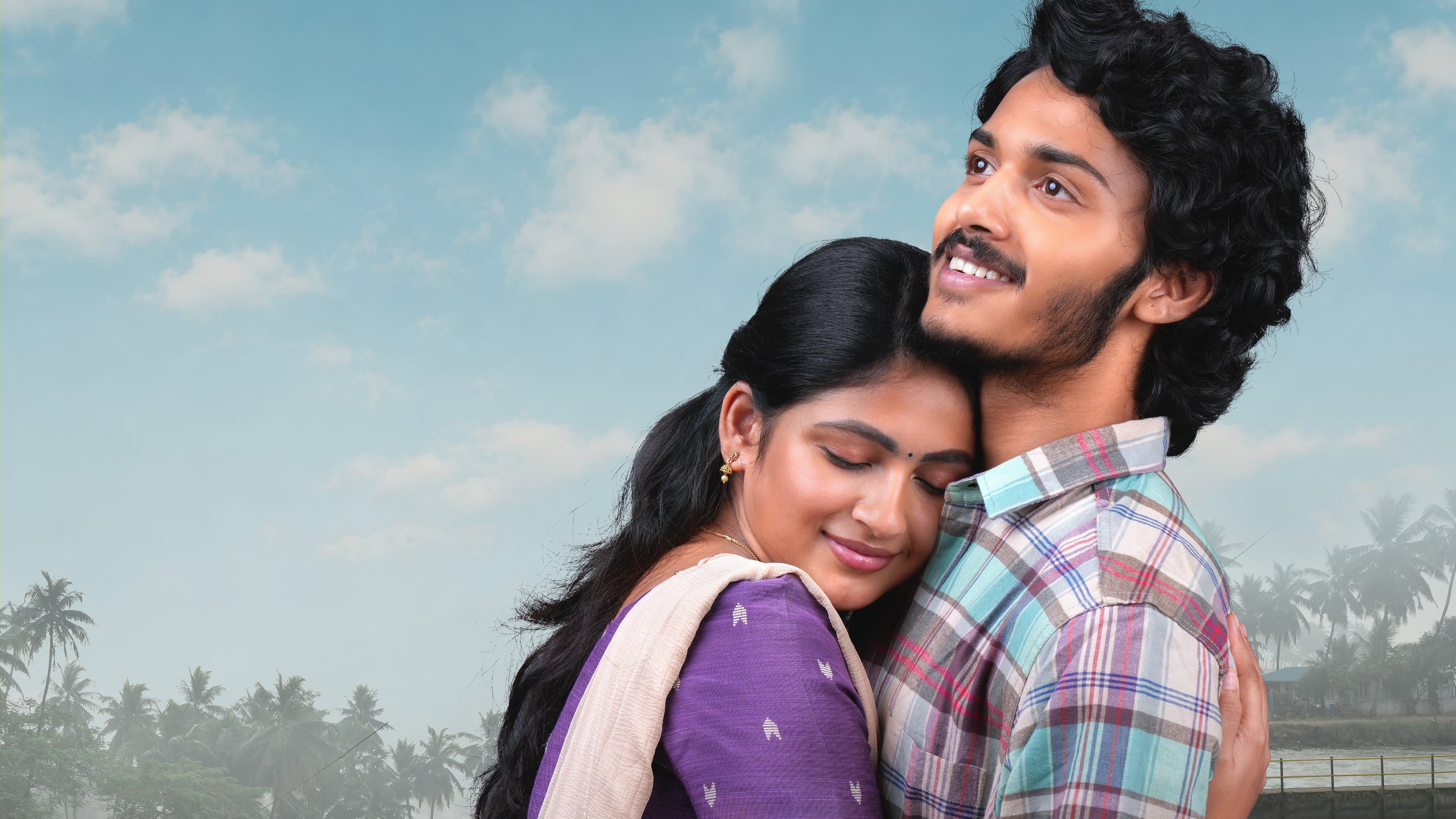
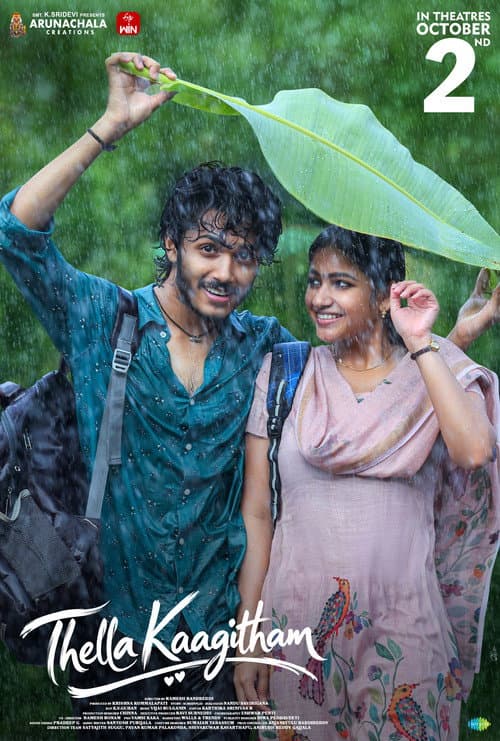
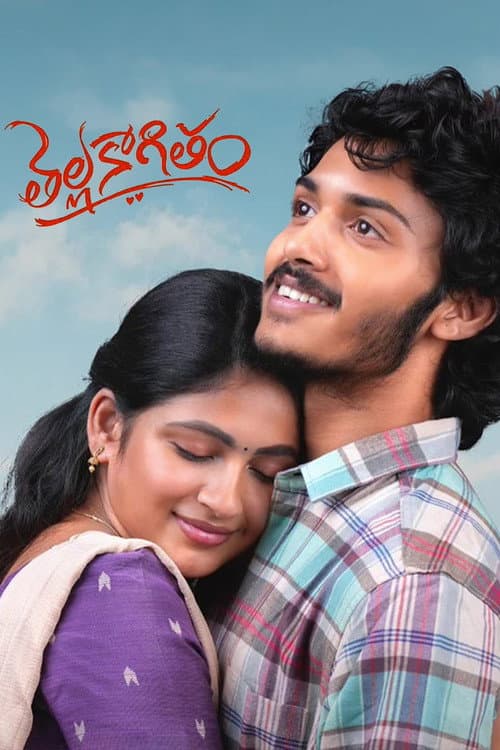
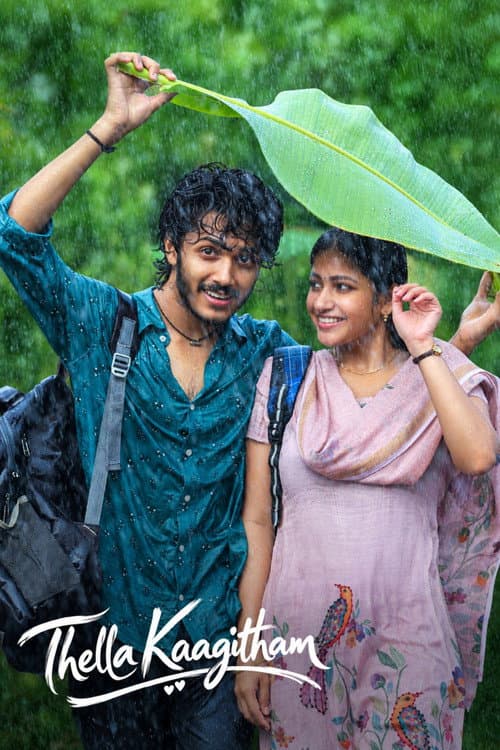
Let's start with what works: the performances. Harsh Roshan and Nakshatra are genuinely wonderful together. Their chemistry isn't the cinematic, swept-off-your-feet kind - it's the real kind. Awkward pauses. Inside jokes that aren't funny to anyone else. The way they look at each other when they think nobody's watching. Roshan plays vulnerability without making it a performance, and Nakshatra gives her character a quiet steel that sneaks up on you. Deepak Malli, Sravya Dimple, and Ajay round out the supporting cast with enough personality to make the world feel lived-in.
Bandreddy, to his credit, refuses to sentimentalize adolescence. There's no slow-motion running through fields. No perfectly timed rain song. The film's aesthetic is deliberately plain - white paper, if you will - which makes the emotional moments land harder because they're not dressed up. The dialogues are sparse and natural, and the silence does a lot of heavy lifting. When the film wants you uncomfortable, it lets the quiet do the work.
Here's the thing, though: 163 minutes is a lot of white paper. The first hour is patient to a fault. Scenes linger past their welcome, and you start to wonder if we're building to something or just… existing. The middle stretch gets repetitive - misunderstandings pile up, conversations circle back, and you want to shake these kids and say, "Just talk to each other!" But that's also kind of the point, isn't it? Teenagers don't talk. They stew. The film knows this. It just makes you stew with them.
The tonal shift in the second half is where Thella Kaagitham either wins you or loses you. What starts as a gentle coming-of-age romance morphs into something heavier, and the transition isn't always smooth. Some consequences feel earned; others arrive like a plot convenience. And the ending - without spoiling anything - will divide audiences. It's bold, it's ambiguous, and it might leave you staring at the credits wondering if you missed a scene.
Still, there's something admirable about a film this unafraid to sit in discomfort. It doesn't hand you a bow-tied resolution. It doesn't tell you who's right. It just shows you two people making choices and living inside them. That's rare.