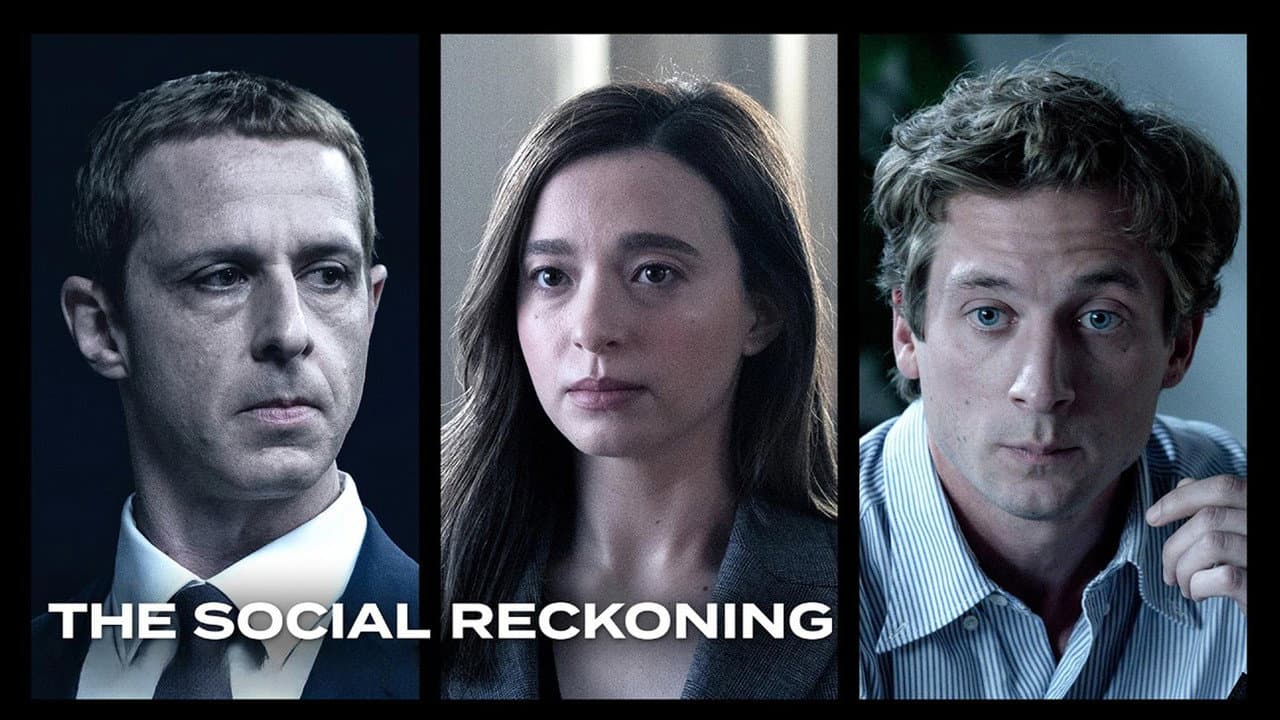
Sorkin has always been a writer of ideas first, and The Social Reckoning is his most urgent set of ideas yet. The film doesn't waste time on exposition dumps about how algorithms work - it trusts you to keep up. Instead, it focuses on the human cost of knowing too much. Madison plays Frances not as a crusader but as someone quietly terrified and furious in equal measure. She's not giving speeches; she's having panic attacks in parking garages and then straightening her blouse to walk into another meeting.
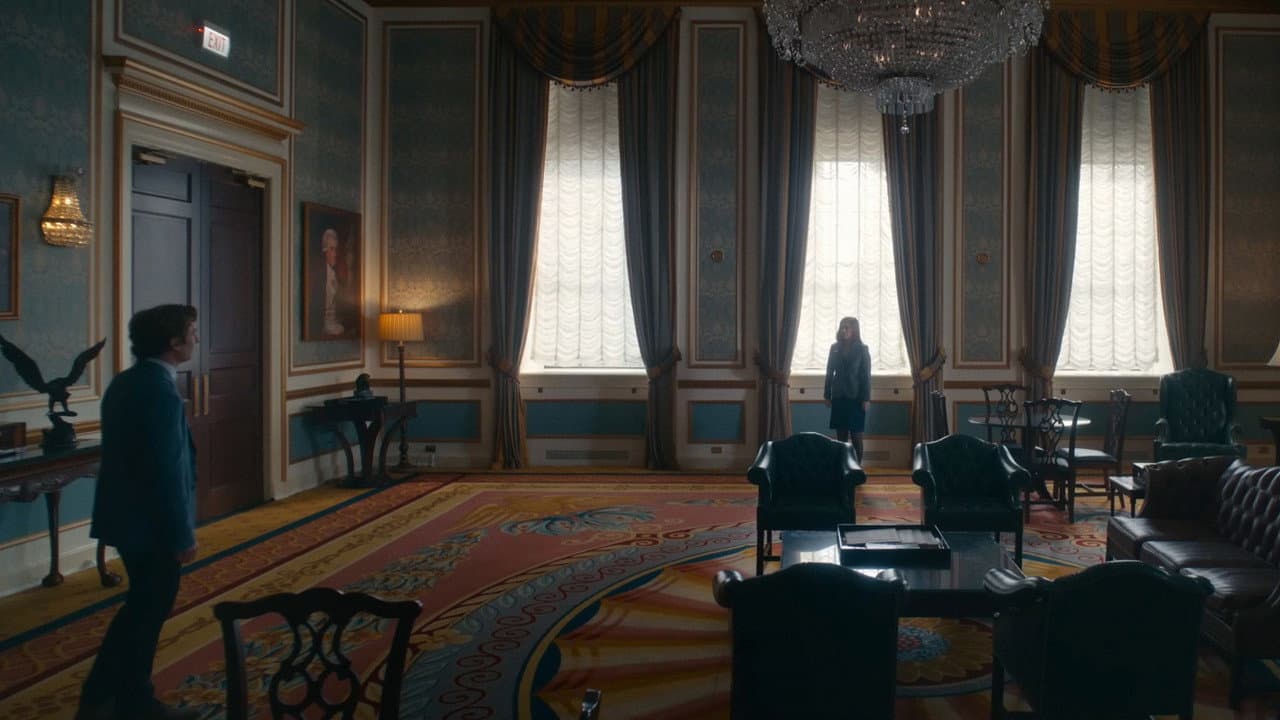
Jeremy Allen White is a revelation as Horwitz. He's got that same coiled intensity he brought to The Bear, but here it's channeled into the slow, patient work of investigative journalism. The scenes where he and Madison sit across from each other in drab hotel rooms, hashing out what can and can't be printed, crackle with the kind of tension most action movies can't manufacture.
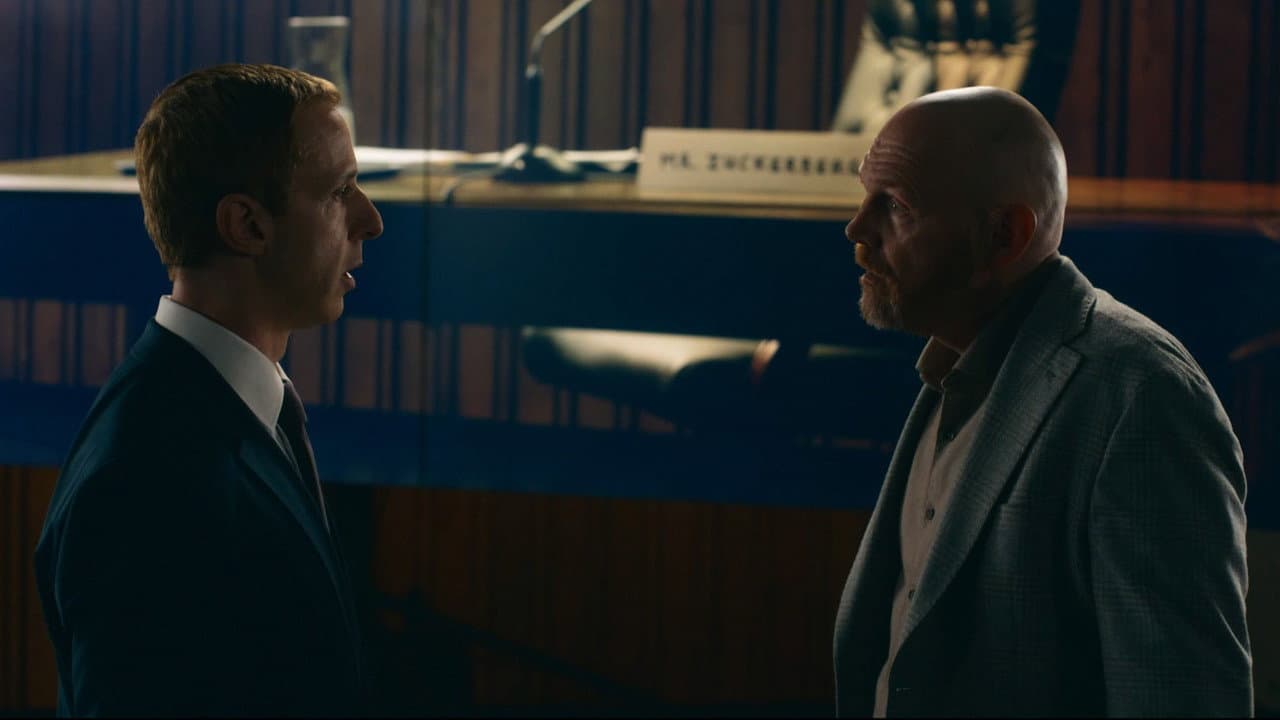
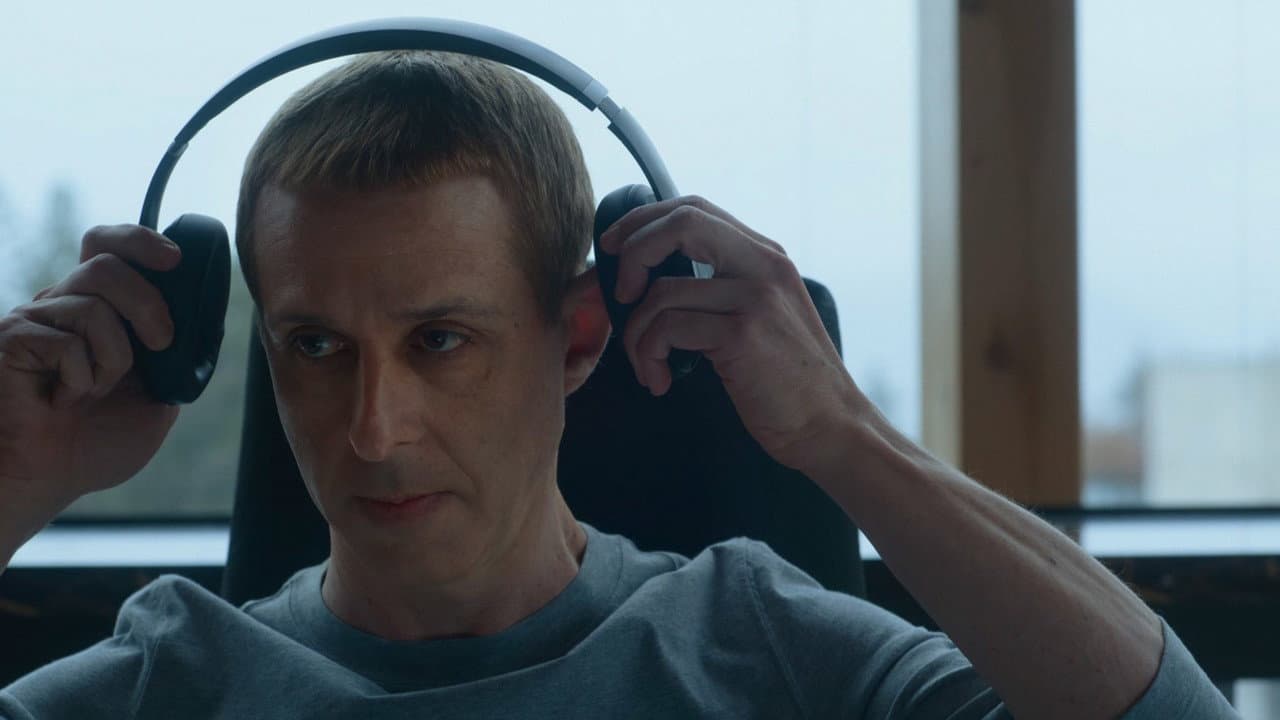
And then there's Jeremy Strong. Fresh off Succession, he plays Zuckerberg as a man who's half visionary, half prisoner of his own creation. There's a scene late in the film where he stares at a screen full of engagement metrics and you can almost see him doing the math on his own soul. It's chilling.
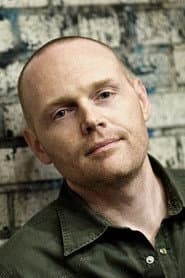
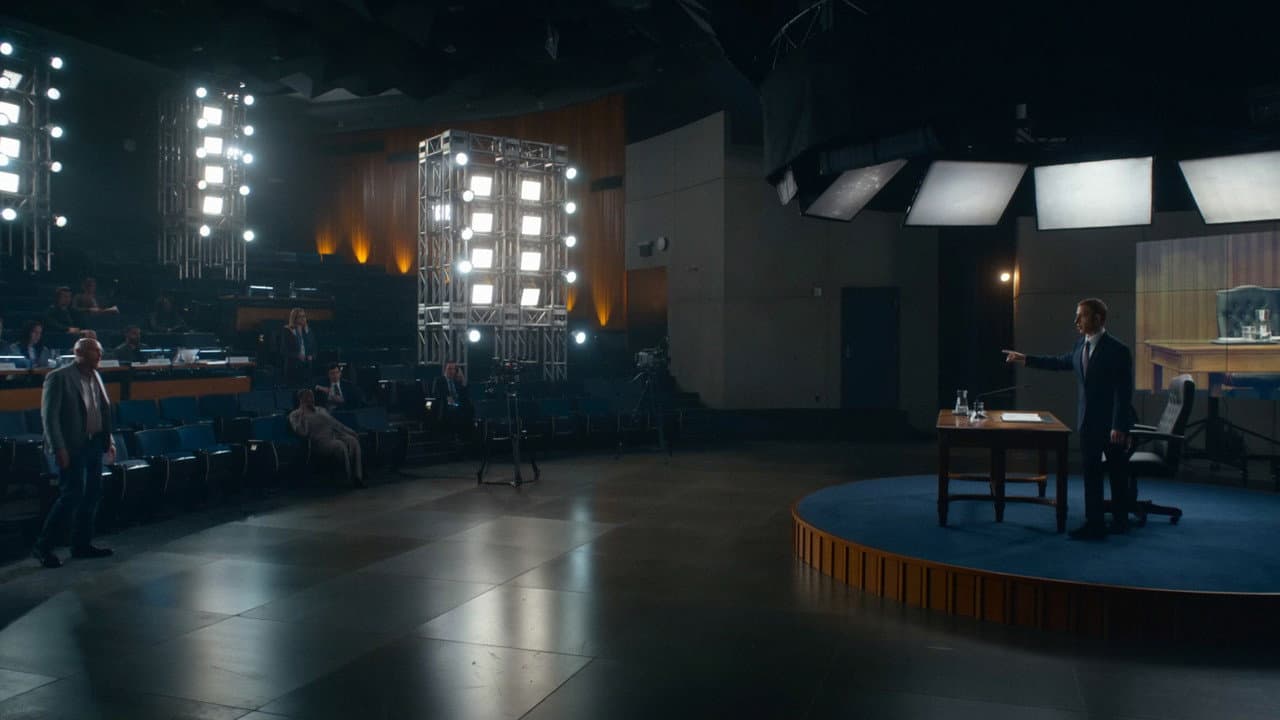
At 112 minutes, the film never drags, though the third act gets a little speechy - Sorkin can't resist a good monologue, and Bill Burr shows up as a former Facebook exec who delivers one that's equal parts hilarious and devastating. But the film's real power is in what it doesn't say. It doesn't pretend this story is over. It ends on a note of uneasy ambiguity, because the reckoning, as the title suggests, is still happening.
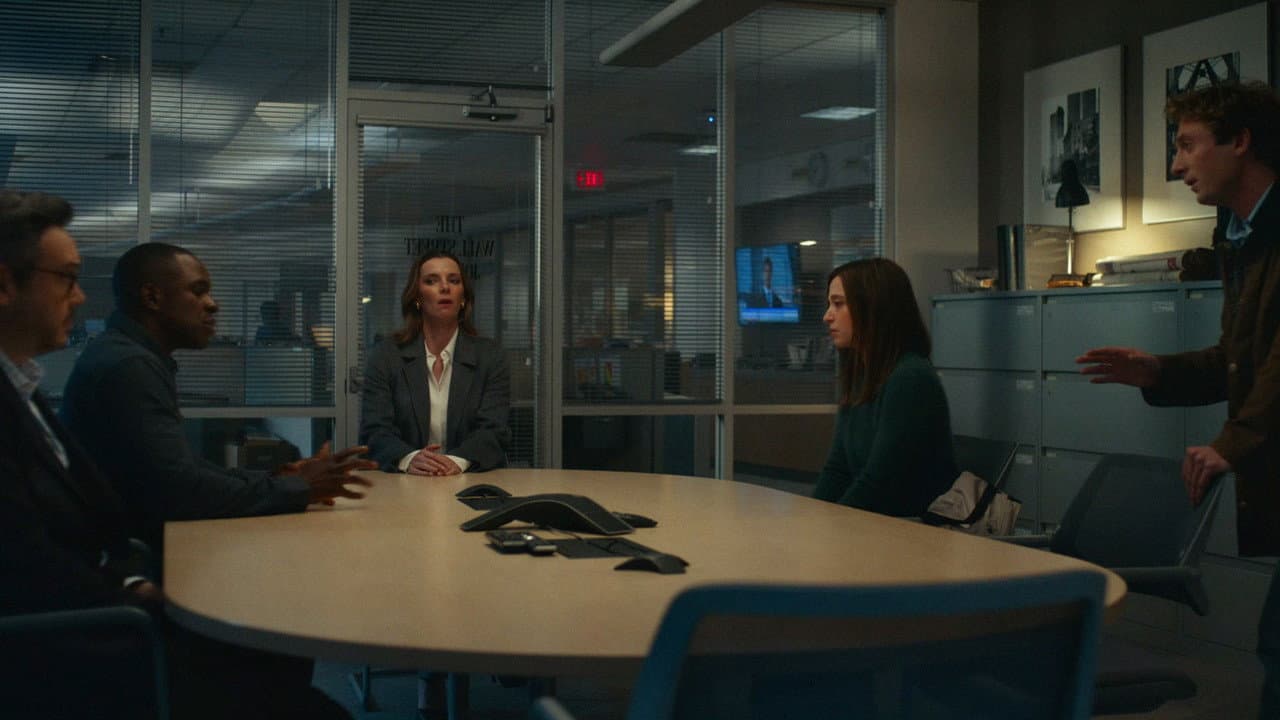
The cinematography keeps things tight and claustrophobic - lots of glass offices and fluorescent lighting, the kind of spaces where bad decisions get made because they look efficient. The score by (and this feels right for 2026) a rotating cast of ambient composers keeps the dread simmering without ever boiling over.
Is it preachy? Occasionally. Does it simplify the technical details? Sure. But it also captures something true about the moment when a person realizes the system they're inside is bigger than they are - and decides to fight anyway.