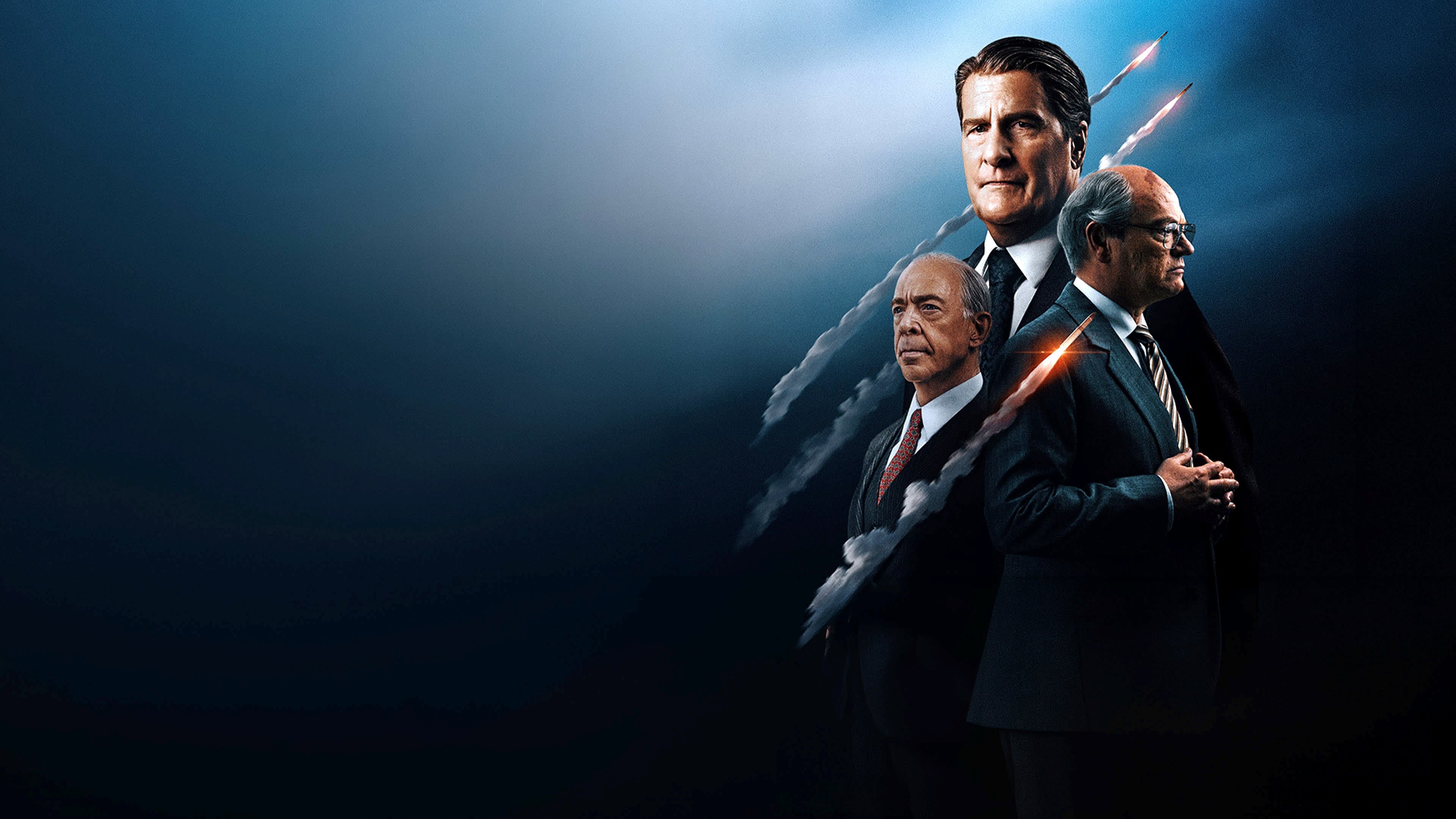
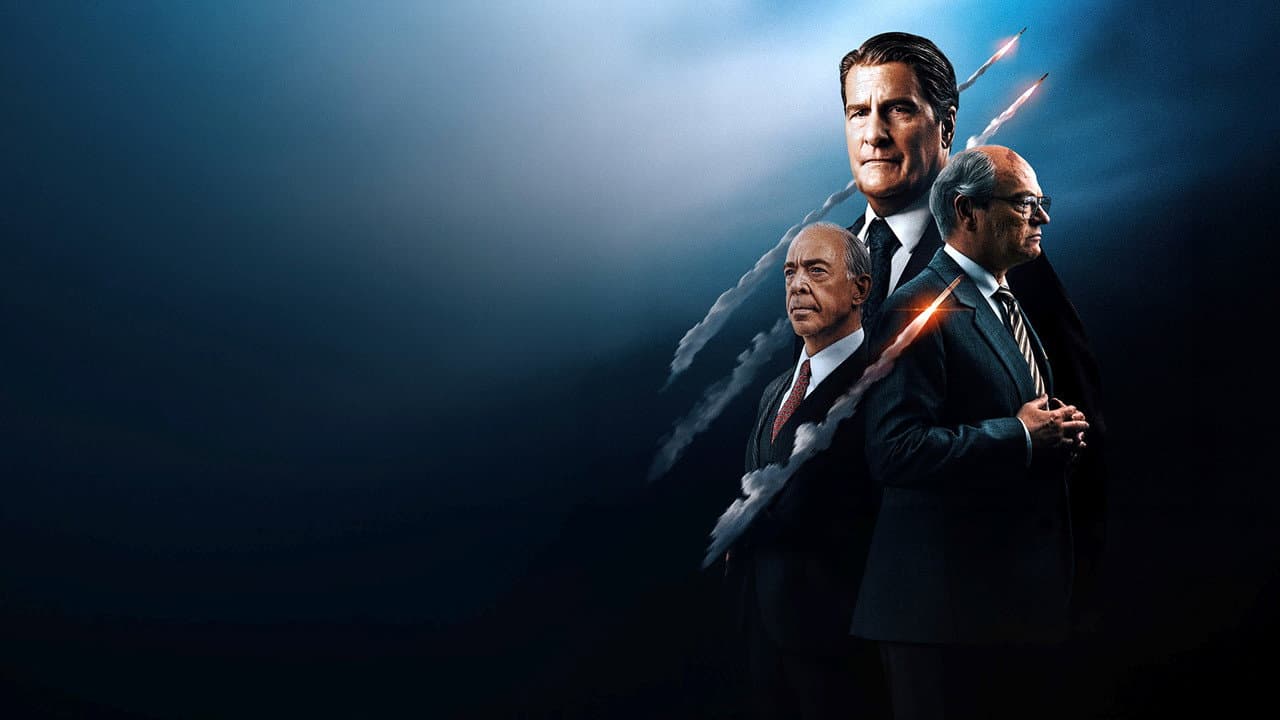
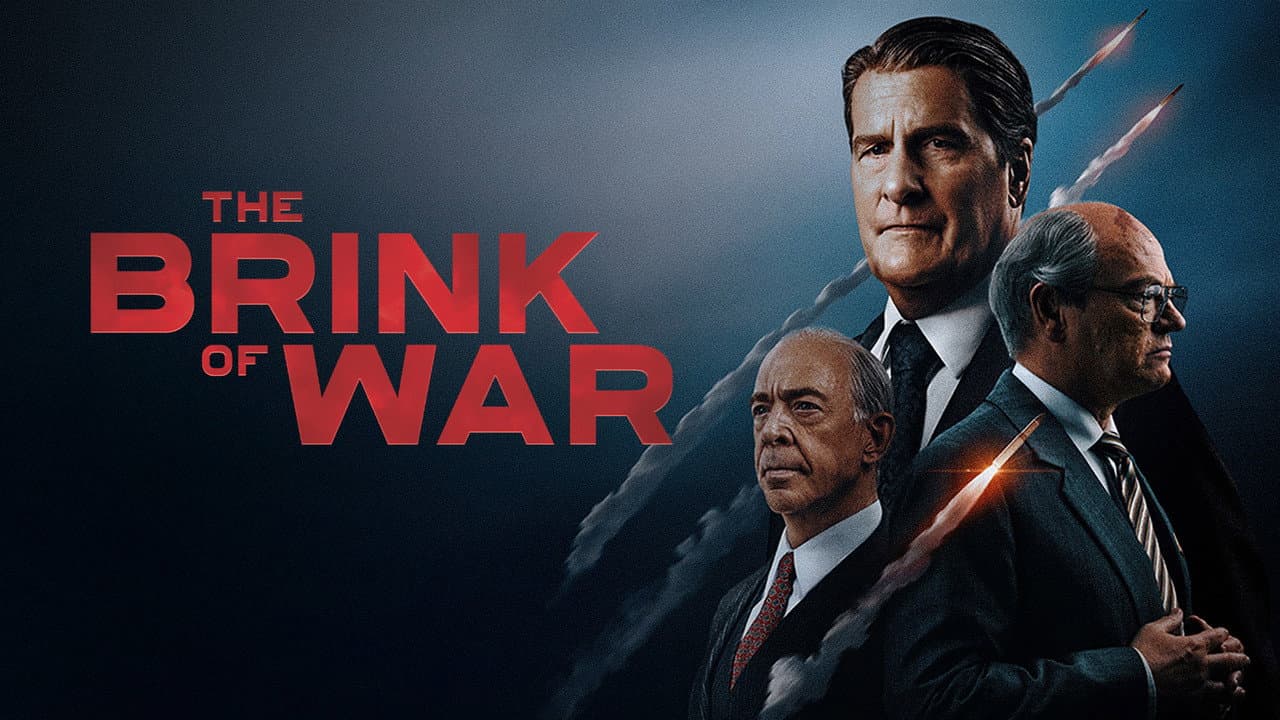
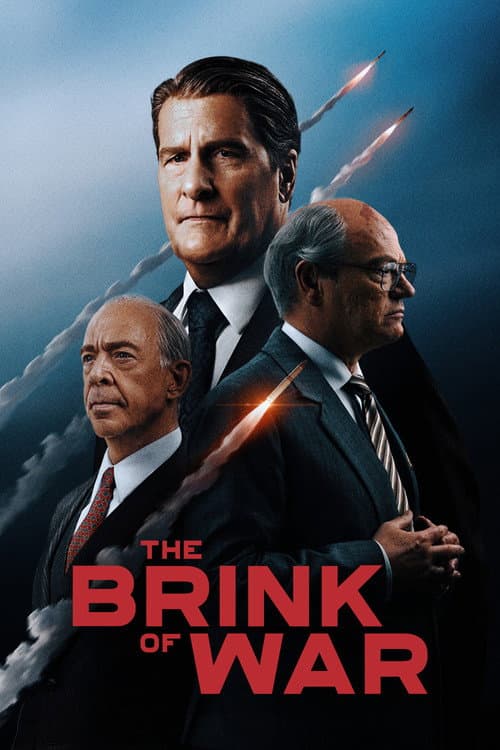
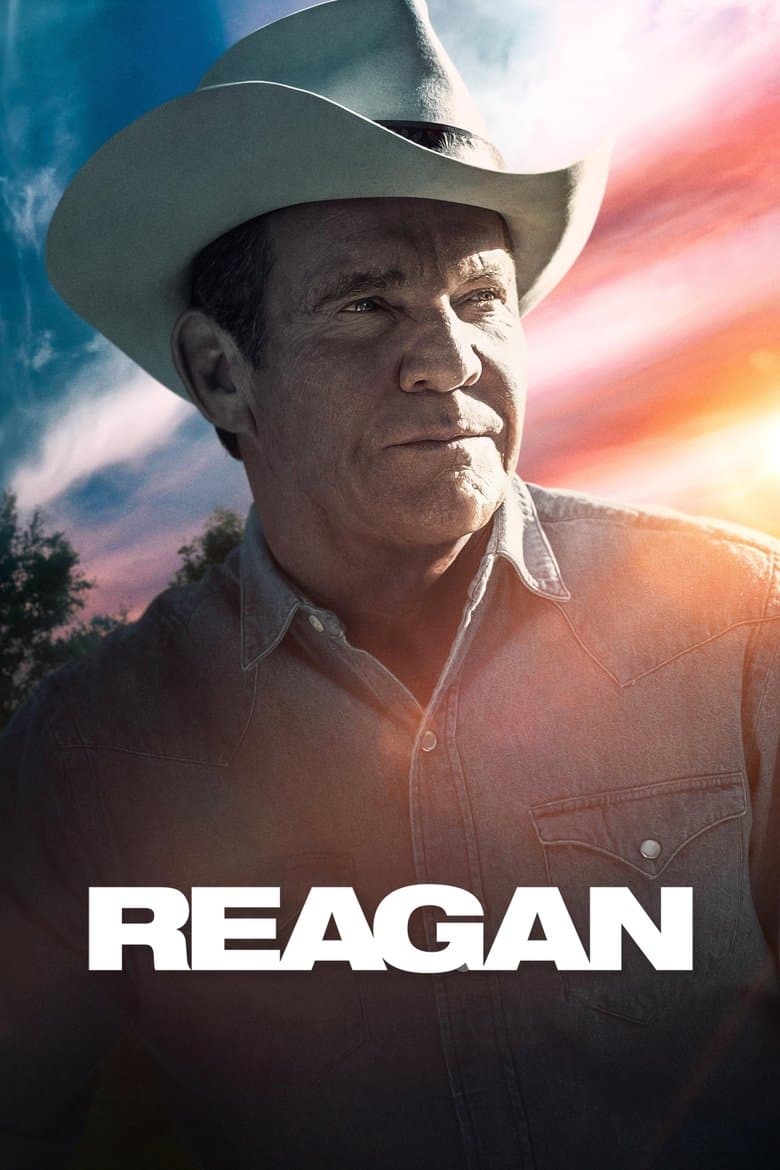
Here’s the magic trick: The Brink of War makes you forget you know how history ends. You know the Cold War thawed. You know the Wall fell. And yet, the movie has you gripping the armrest, wondering if this particular handshake is going to implode. That’s the sign of masterful storytelling. Gunn doesn’t just stage conversations; he stages duels.
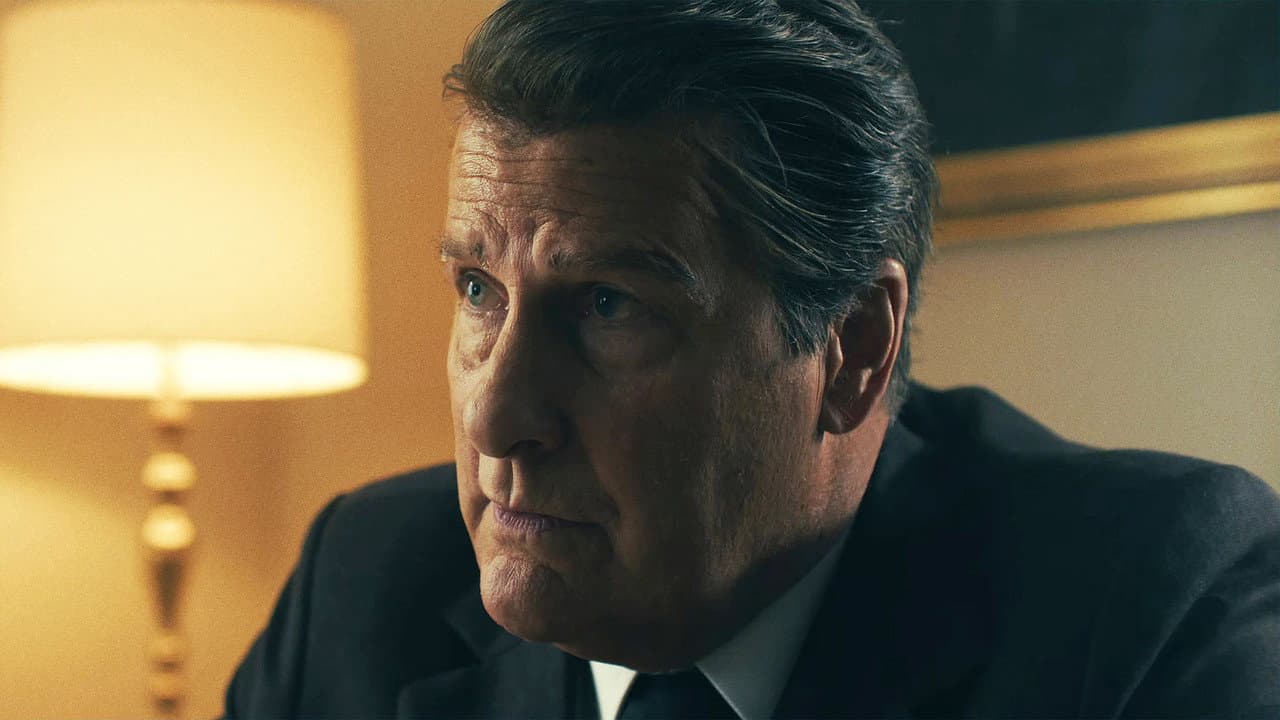
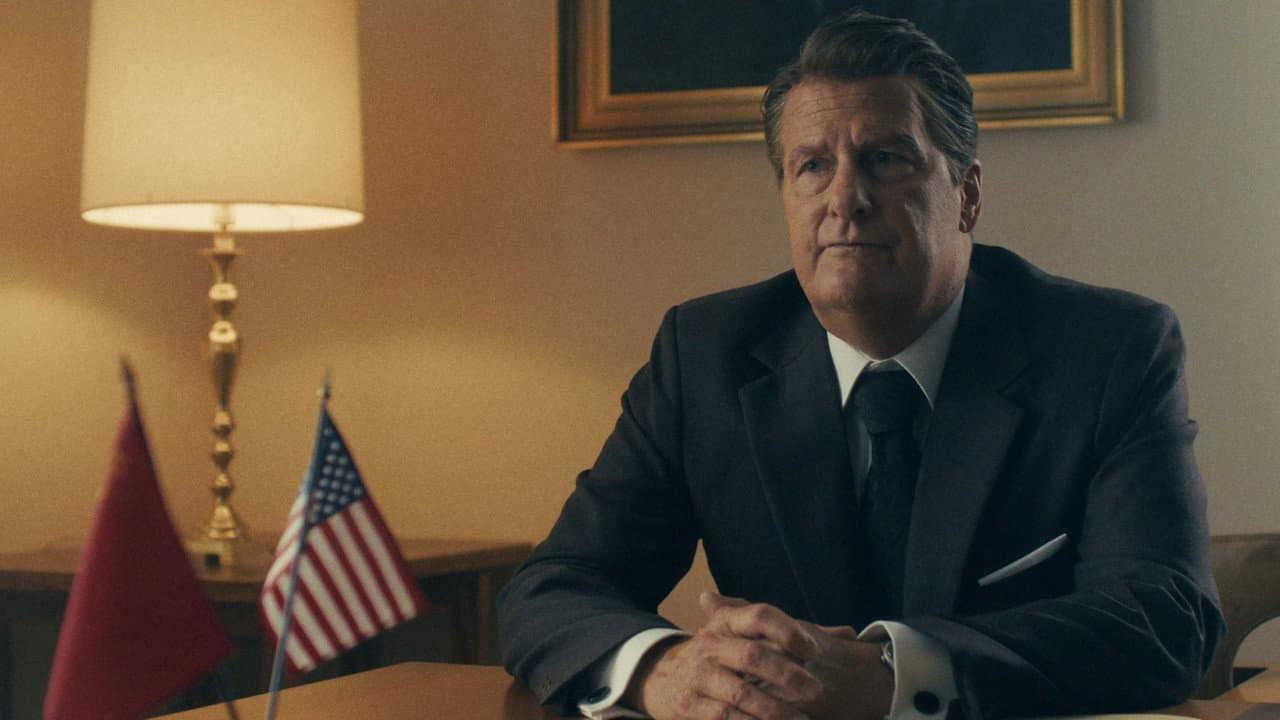
Jeff Daniels is a revelation. He doesn’t do a dead-on impersonation - no exaggerated “Well, there you go again” caricature. Instead, he finds the man beneath the myth: the folksy charm, the fading energy, the sharp-as-a-tack mind that people keep underestimating. He’s vulnerable, stubborn, and weirdly endearing. But the crown belongs to Jared Harris. His Gorbachev is weary, brilliant, and carrying the weight of a crumbling empire on his shoulders. Watch his eyes during the tense one-on-one scenes - you’ll see a man calculating ten moves ahead while his heart is racing.
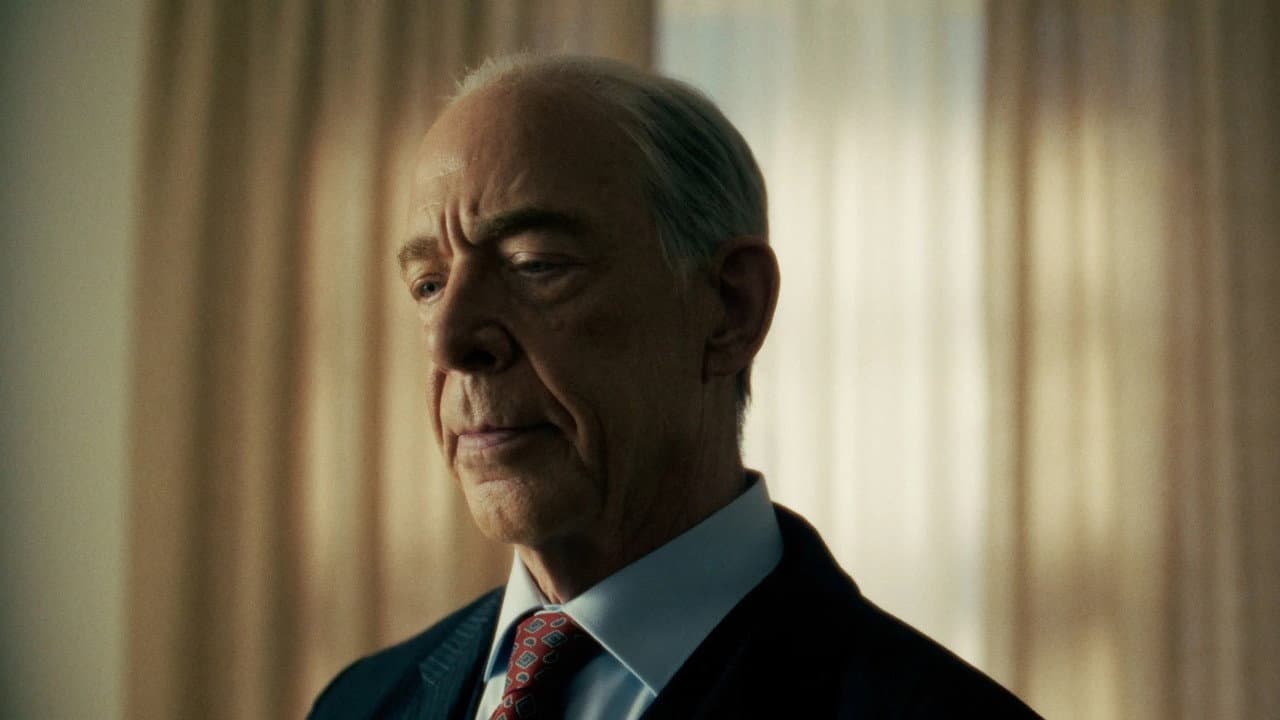
The supporting cast is a murderer’s row. J.K. Simmons as George Shultz brings that gruff, no-nonsense energy - he’s the guy who’s done with everyone’s BS and just wants the paperwork signed. Hope Davis turns Nancy Reagan into more than just a supportive spouse; she’s a back-channel diplomat with steel in her spine. And Aya Cash adds a modern, sharp-tongued energy that cuts through the period-piece stuffiness.
Pop culture radar: this feels like Oppenheimer’s quieter, more cynical cousin, or the political soulmate of The Post. It’s less about explosions and more about the terrifying power of a single word. Gunn’s camera loves close-ups on faces - sweat beads, twitching lips, that split-second pause before a diplomatic bombshell drops. The score is appropriately ominous, humming like a distant siren.
If there’s a flaw, it’s the runtime. At 117 minutes, the middle section sags when it focuses on the fictional subplots - like Guy Burnet’s Alexander, a Soviet translator whose personal stakes feel like a side quest we didn't sign up for. You’ll find yourself itching to get back to the main table. Also, while it tries to stay balanced, the script clearly leans into the “Reagan saves the day” narrative, which might rankle history buffs who remember it as a more collaborative effort.