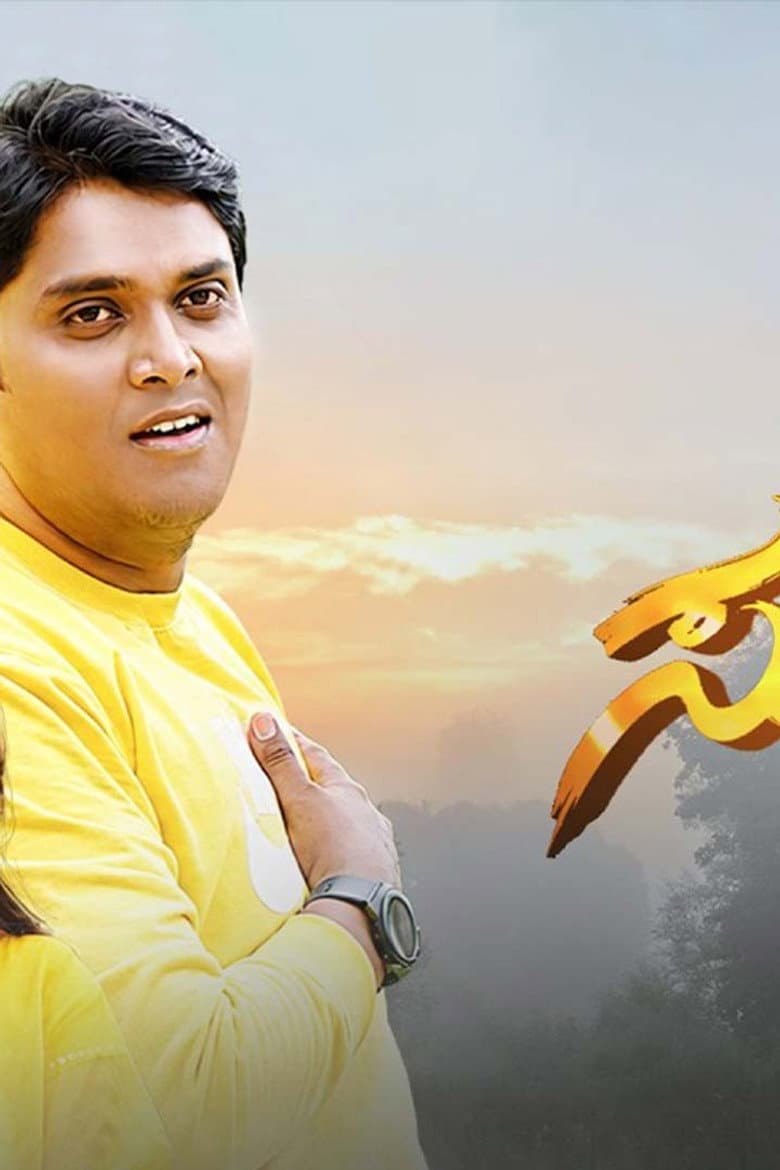
Let's start with what's genuinely striking. Sai Rashmi has an eye. The framing is patient, the natural light is gorgeous, and the sound design does more storytelling than half the script. There's a scene involving a flower and a doorway that hit me harder than most action set pieces this year, and it's built entirely out of stillness. If you've got the attention span for it, Sumaa the Flower rewards you in small, accumulated ways - like interest on an emotional savings account.
The problem, and it's a real one, is that the film mistakes slowness for depth on more than a few occasions. Slow cinema is a legitimate art form, but it requires a rigorous internal logic, and here the pacing wobbles. Twenty minutes could vanish without consequence. Characters drift in and out with no clear purpose. The movie trusts the audience - which I respect - but it also occasionally abandons us, leaving us to guess at emotional beats that were never actually staged.
Rajwadi is the anchor. Without that performance, this thing sinks. With it, you keep watching even when the film gives you no reason to, because you want to know what's happening behind those eyes. That's star power, and Sandalwood should be building around this actor. What Sumaa the Flower lacks in narrative propulsion, it partially recovers through sheer commitment.
Is it a great film? No. Is it an interesting one? Absolutely. It's the kind of debut-adjacent work that suggests the director's next film could be something special - provided someone hands her a sharper script and a firmer editor. As it stands, Sumaa the Flower is a mood more than a movie. Some of you will float in it. Others will drown in boredom. Both reactions are valid.
One more thing: with a rating of 0/10 on TMDb, this film is basically invisible online right now. That number means nothing - it just means nobody's voted yet. Don't let a blank scoreboard scare you off. But also don't let the poetic title fool you into expecting a crowd-pleaser.