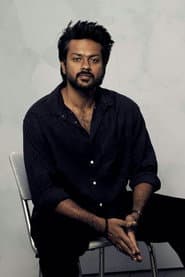
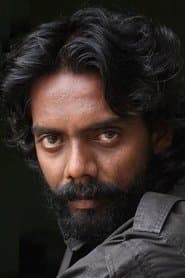
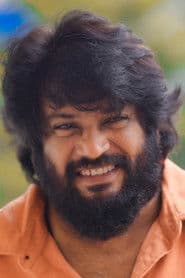
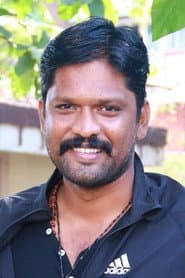
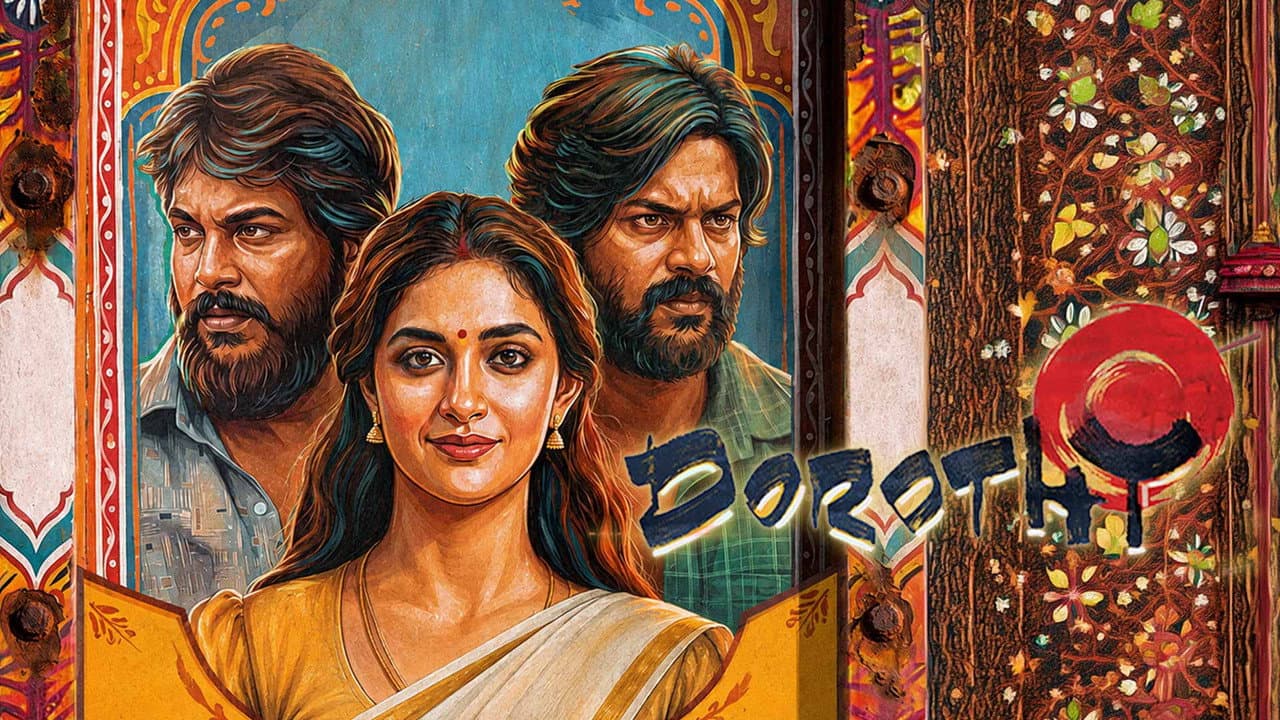
Subbaraj has always been fascinated by violence and the men who wield it, but Dorothy asks a different question: what happens when violence is inherited like a birthright, and someone refuses the inheritance? The director, working from a script that weaves together themes of caste, friendship, and redemption, delivers his most mature work to date - even when his instincts toward genre spectacle pull against the film's quieter currents.
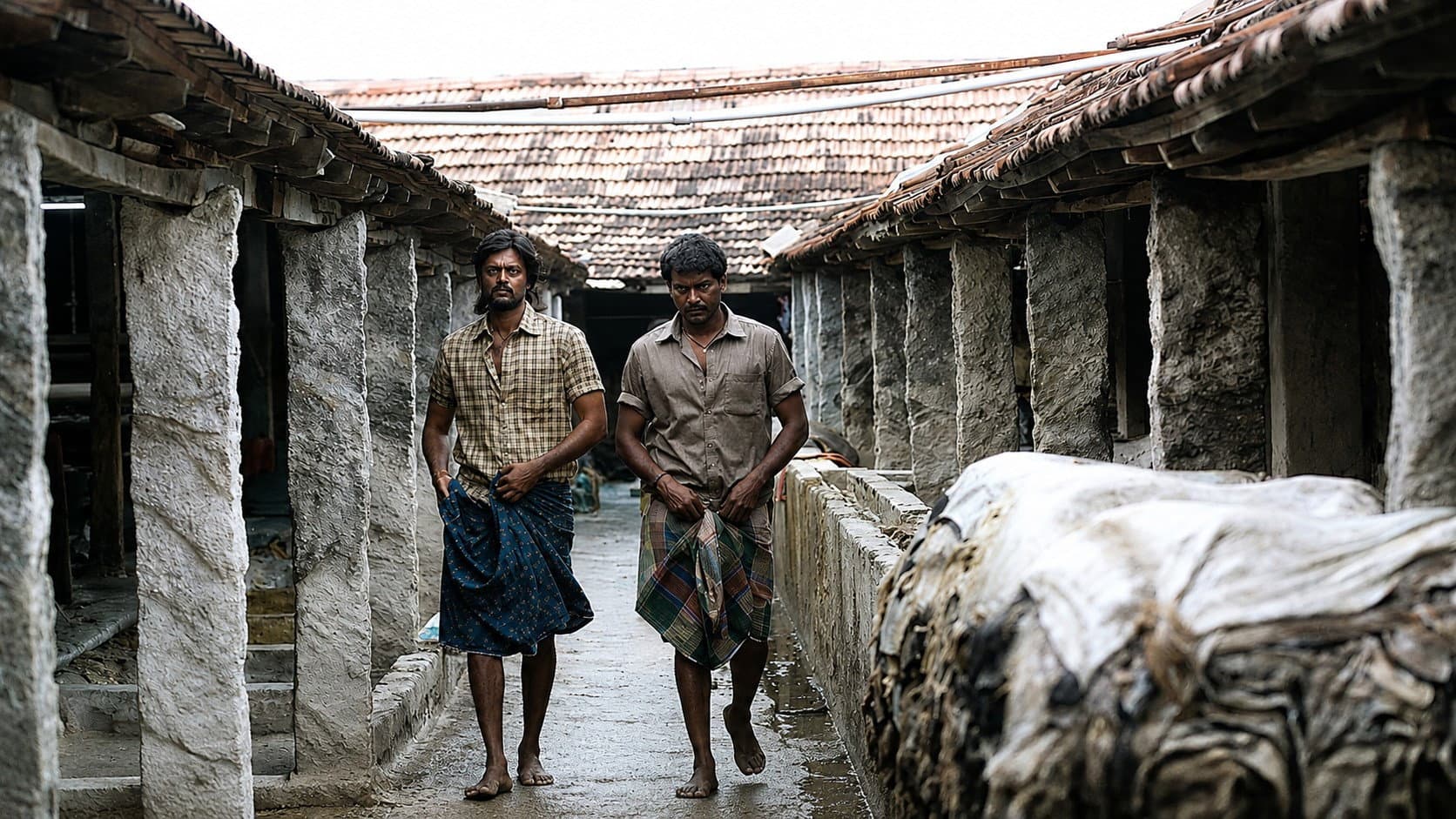
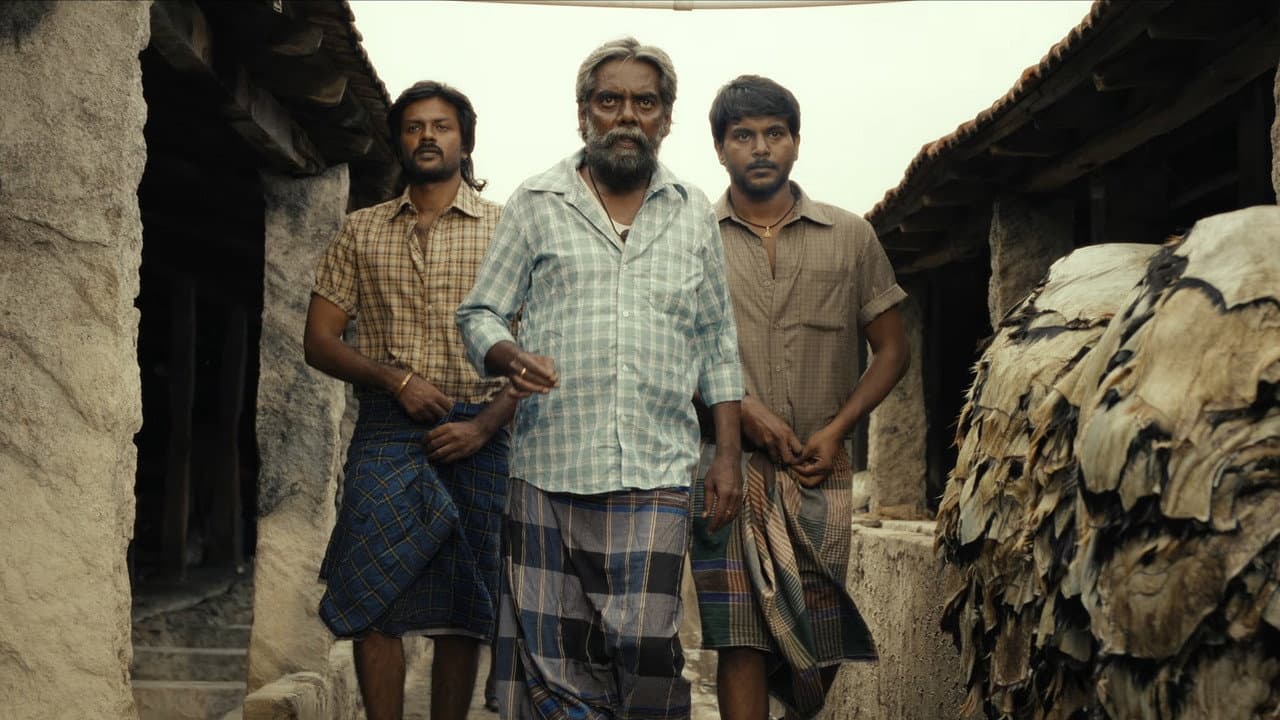
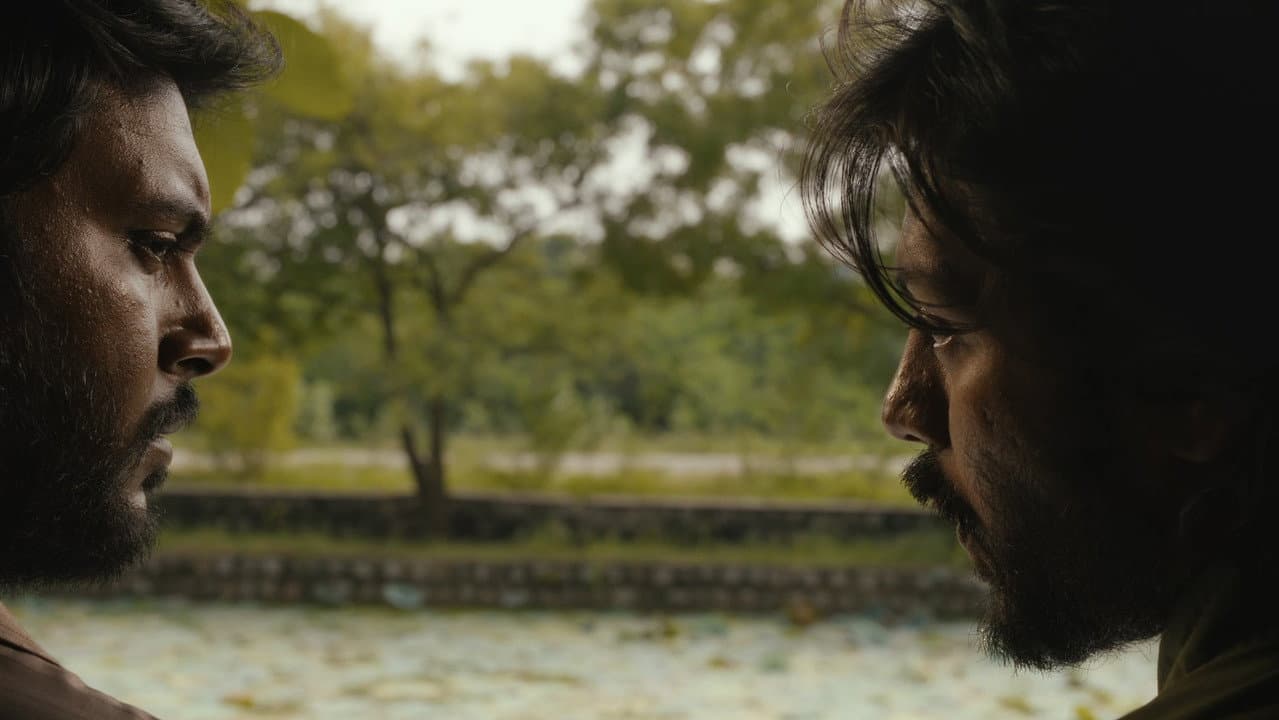
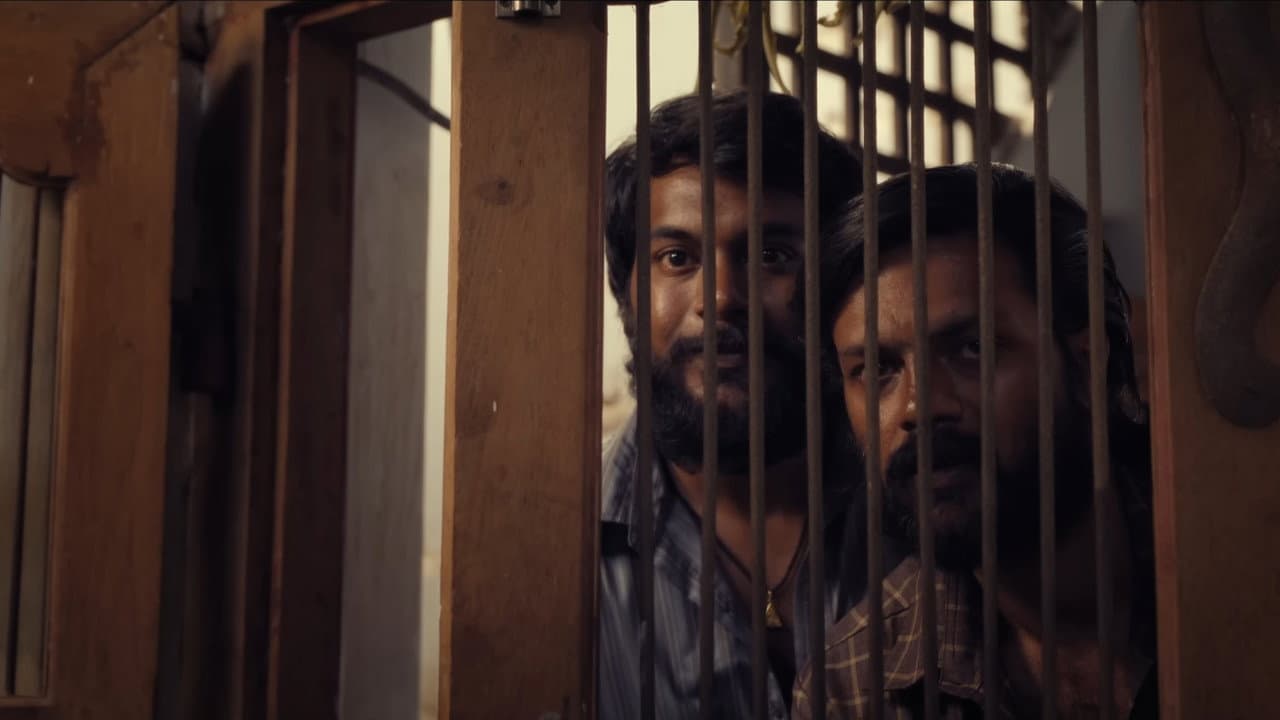
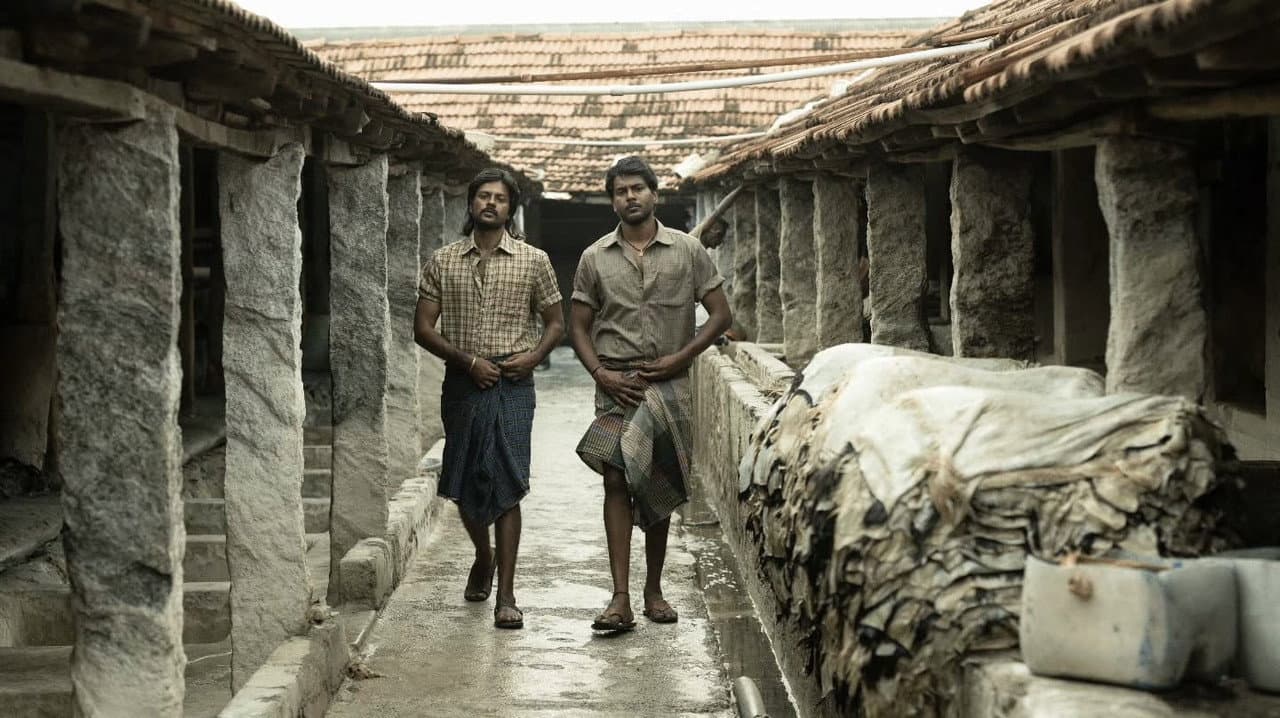
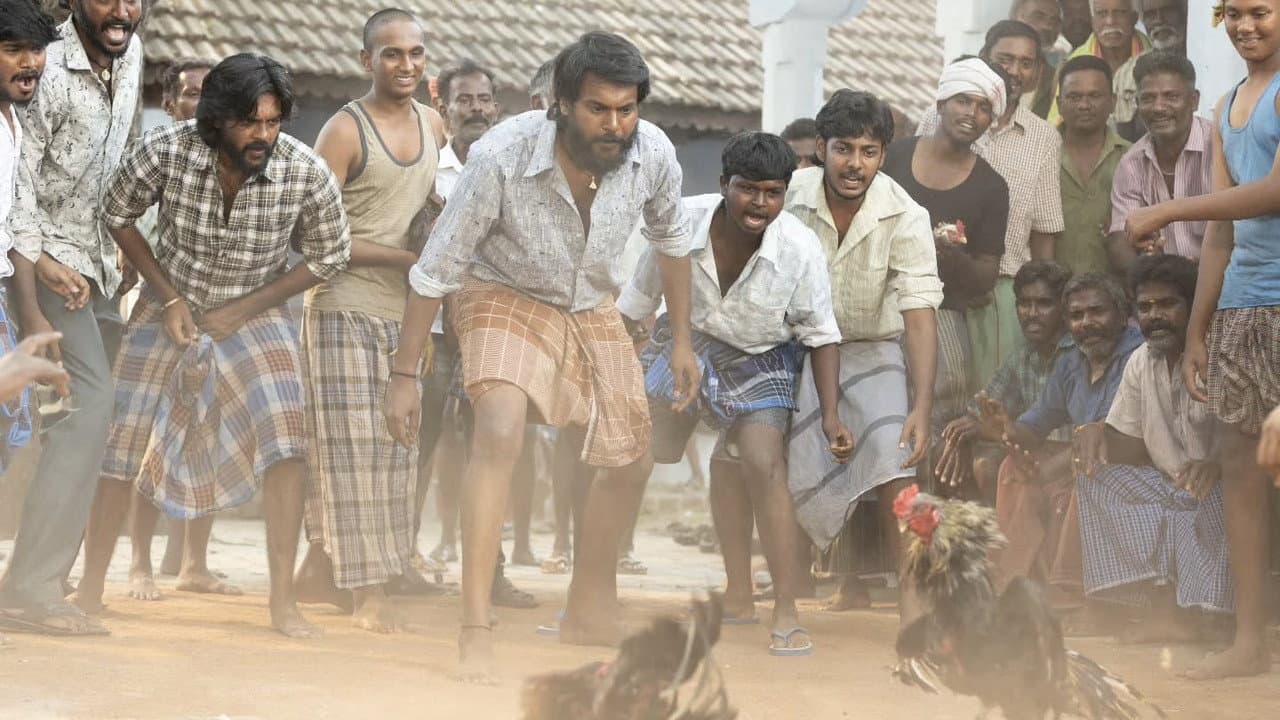
The film's first hour is its strongest. Subbaraj and cinematographer (working with the region's dusty, sun-bleached palette) create an immersive portrait of a community where cruelty is so normalized that tenderness feels like rebellion. The performances from Sananth and Rishikanth anchor this section beautifully - their camaraderie feels lived-in, their eventual fractures earned. Anthony Daasan appears as himself, and his musical presence threads through the film like a heartbeat, grounding the rural setting in something authentic and soulful.
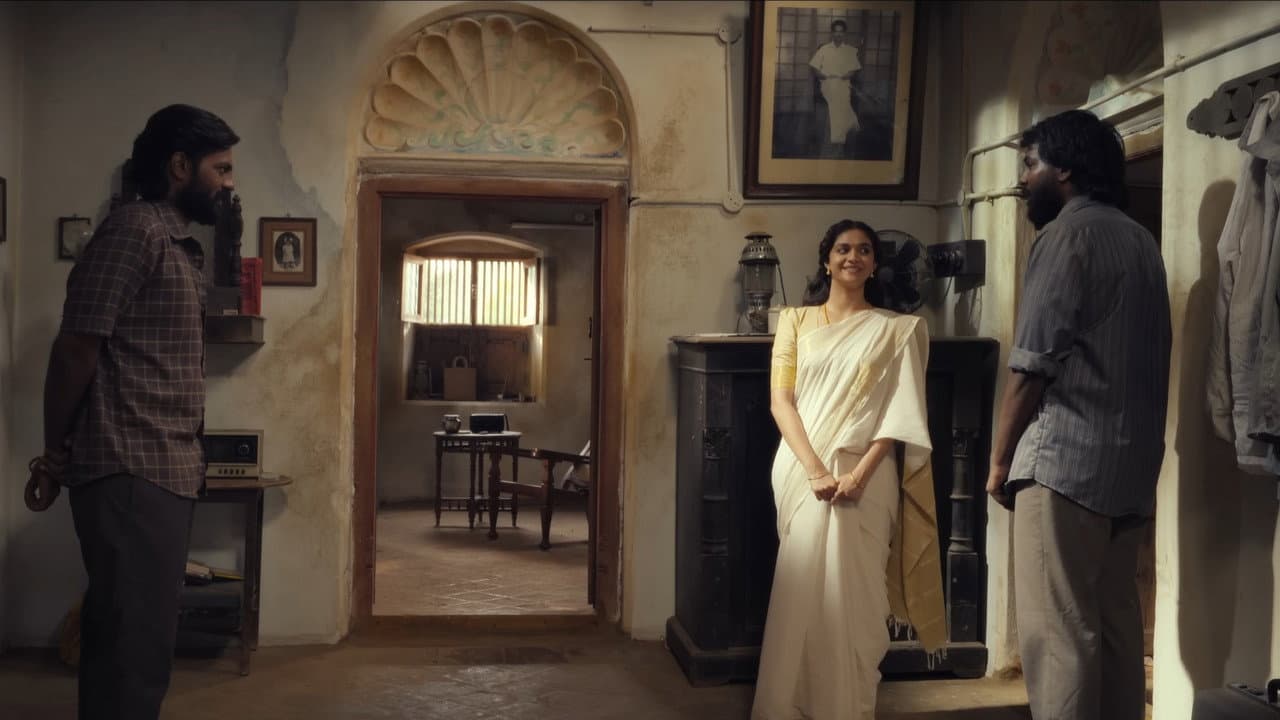
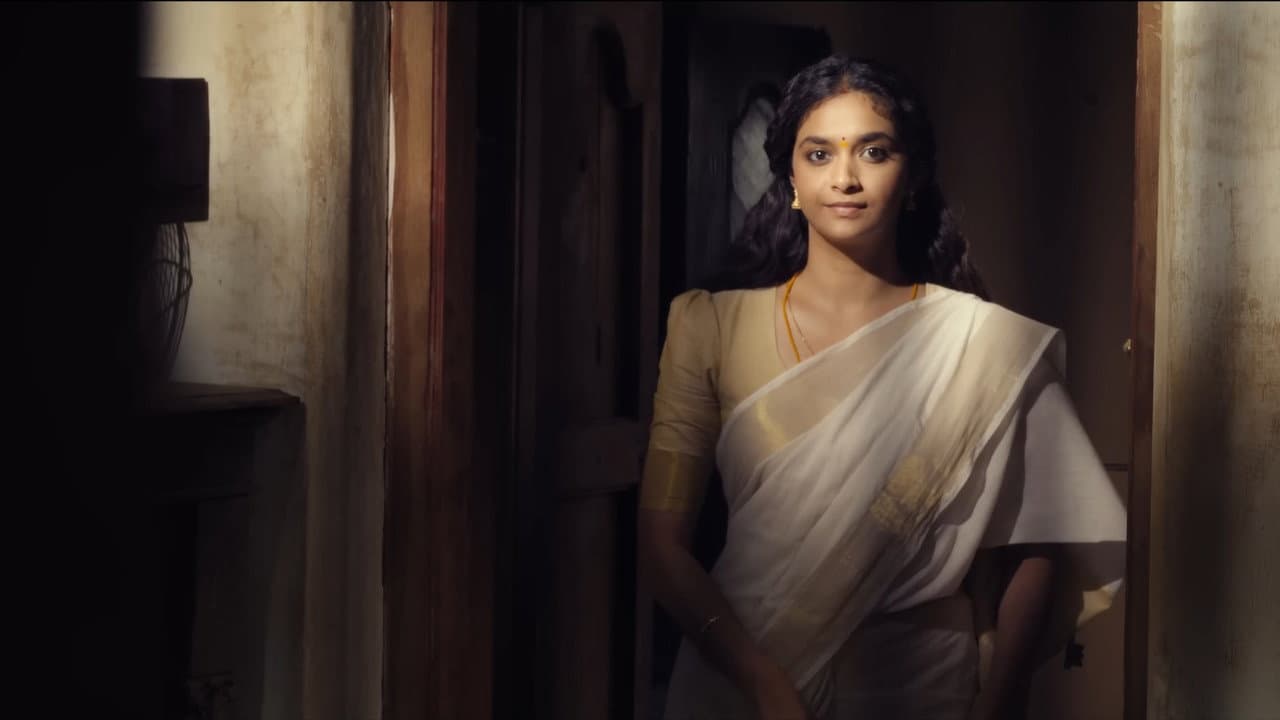
Then there's Keerthy Suresh. The actor has been building an extraordinary filmography, but Dorothy might be her most complex role yet. She doesn't overplay the saintliness; she plays the woman. Dorothy's compassion isn't a superpower - it's a choice, sometimes a difficult one, and Suresh makes us feel the weight of every merciful act in a world that punishes mercy. When she challenges toxic masculinity, it isn't with fiery speeches but with an unflinching gaze and the audacity to treat people like people.
The film's second half, however, struggles under the weight of its own ambition. At 150 minutes, Dorothy occasionally loses momentum as it juggles action beats, romance, and social commentary. Some narrative detours feel like Subbaraj hedging his bets - wondering whether audiences will accept a film that sits this long with its own discomfort. Yet even when the pacing falters, the emotional core holds. This is a movie that understands how hard it is to choose kindness when cruelty is easier, and it rewards you for sitting with that tension.