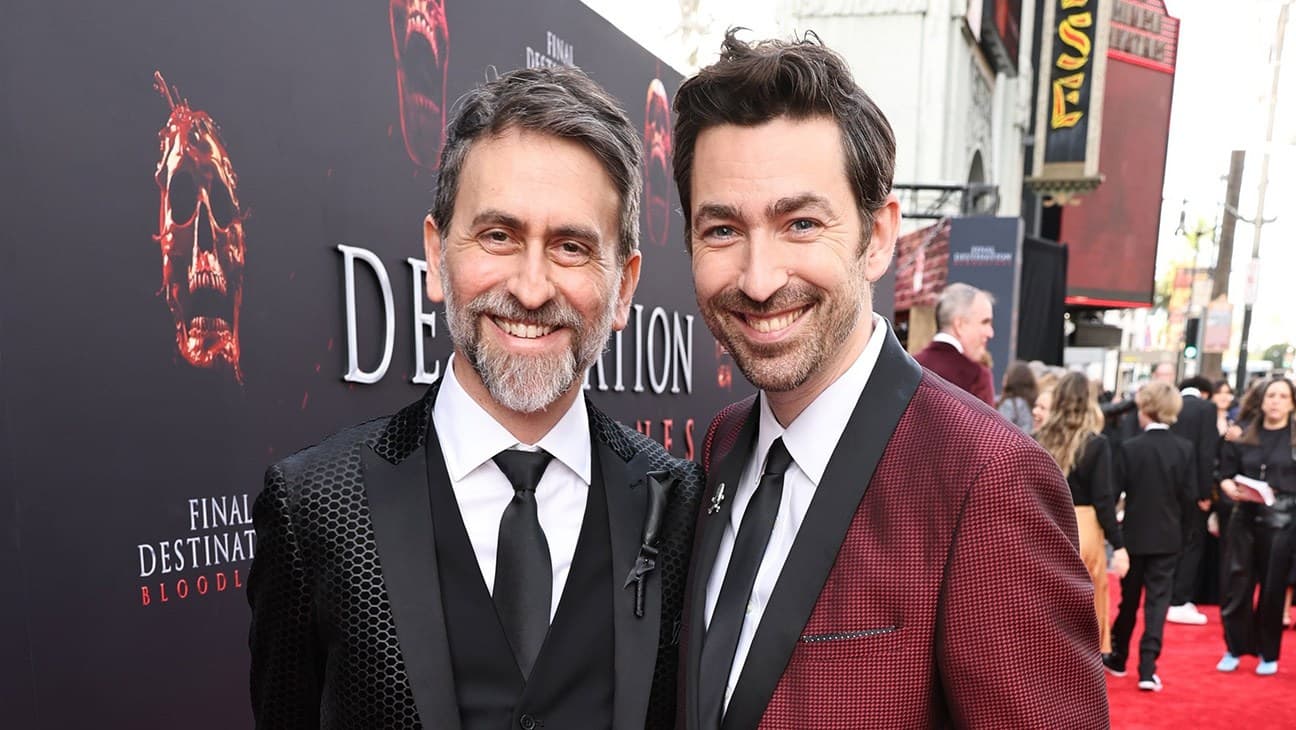
Zach Lipovsky and Adam B. Stein had been grinding away in the trenches for years - visual effects gigs, short films, a reality TV competition here and there - but it was a scruffy little genre-bender called Freaks that finally kicked the door to Hollywood wide open. The writer-director duo has never been shy about crediting that film for the trajectory their careers took afterward, and honestly, they shouldn't be. Freaks didn't just get them noticed. It changed the entire shape of their professional lives.
"That film changed our lives," the pair have said, reflecting on the movie that put them on the map. It's the kind of line that could sound like standard press-tour hyperbole - except in their case, it's basically literal.
A Small Movie With a Big Footprint
Freaks arrived as the kind of project that shouldn't have worked on paper. It's a genre mashup that blends sci-fi, thriller, and a deeply human family story, centered on a young girl who's been kept sheltered from the outside world by her father. As she ventures out, the film peels back layers of reality in ways that keep audiences off-balance right up to the final act.
What made it land wasn't spectacle. It was control. Lipovsky and Stein, who also handled visual effects work themselves, squeezed maximum atmosphere out of minimal resources - a skill set born from years of scrappy independent filmmaking rather than big-studio budgets. That resourcefulness became their calling card.
The movie built buzz on the festival circuit, where genre crowds and critics responded to its blend of intimate character work and high-concept twists. For a pair of filmmakers operating well outside the studio system, that response was rocket fuel.
From Indie Grit to Studio Gates
Before Freaks, Lipovsky and Stein were known in niche circles - Lipovsky had competed on a filmmaking reality series, and both had racked up credits in visual effects and short-form genre work. Talented, sure. But in an industry that runs on momentum, they hadn't yet had that one project that screamed "these two can carry a feature."
Freaks was that project. It proved they could write, direct, and execute ambitious ideas without a safety net - and, crucially, that they could do it with a distinct voice. Studios took note. It wasn't long before the duo found themselves fielding bigger opportunities, moving from self-financed passion projects toward the kind of assignments that come with real budgets and real expectations.
That's the thing about a breakthrough indie: it doesn't just open doors. It changes what people believe you're capable of. For Lipovsky and Stein, Freaks repositioned them from "promising unknowns" to "filmmakers we want in the room."
Why the Film Still Matters to Them
Ask the pair about Freaks today, and there's no revisionist history - no downplaying the scrappy indie now that bigger things have come along. They treat it as the foundation, the proof of concept for everything that followed.
The Bigger Lesson
Hollywood loves a discovery story, and Lipovsky and Stein's fits the mold: two outsiders, one uncompromising genre movie, and a career pivot that most aspiring filmmakers only dream about. But their path also underlines something the industry keeps re-learning - that a visionary indie with a clear point of view can do more for a filmmaker's career than a decade of résumé-building ever could.
Freaks didn't need a franchise blueprint or a marketing machine. It needed two directors who knew exactly what movie they were making and refused to dilute it. That clarity is what studios responded to - and it's what continues to define the work Lipovsky and Stein take on now.
For fans of the film, the takeaway is simple: the weird little movie you championed early? It mattered. And for the filmmakers themselves, Freaks remains less a stepping stone than a turning point - the moment the industry finally saw what they'd been building toward all along.
Source: The Hollywood Reporter