The lines between YouTube, the multiplex, and the Dolby Theatre are getting blurrier by the minute - and at least one person with a very good view of the internet's chaotic heart thinks that's a great thing for movies.
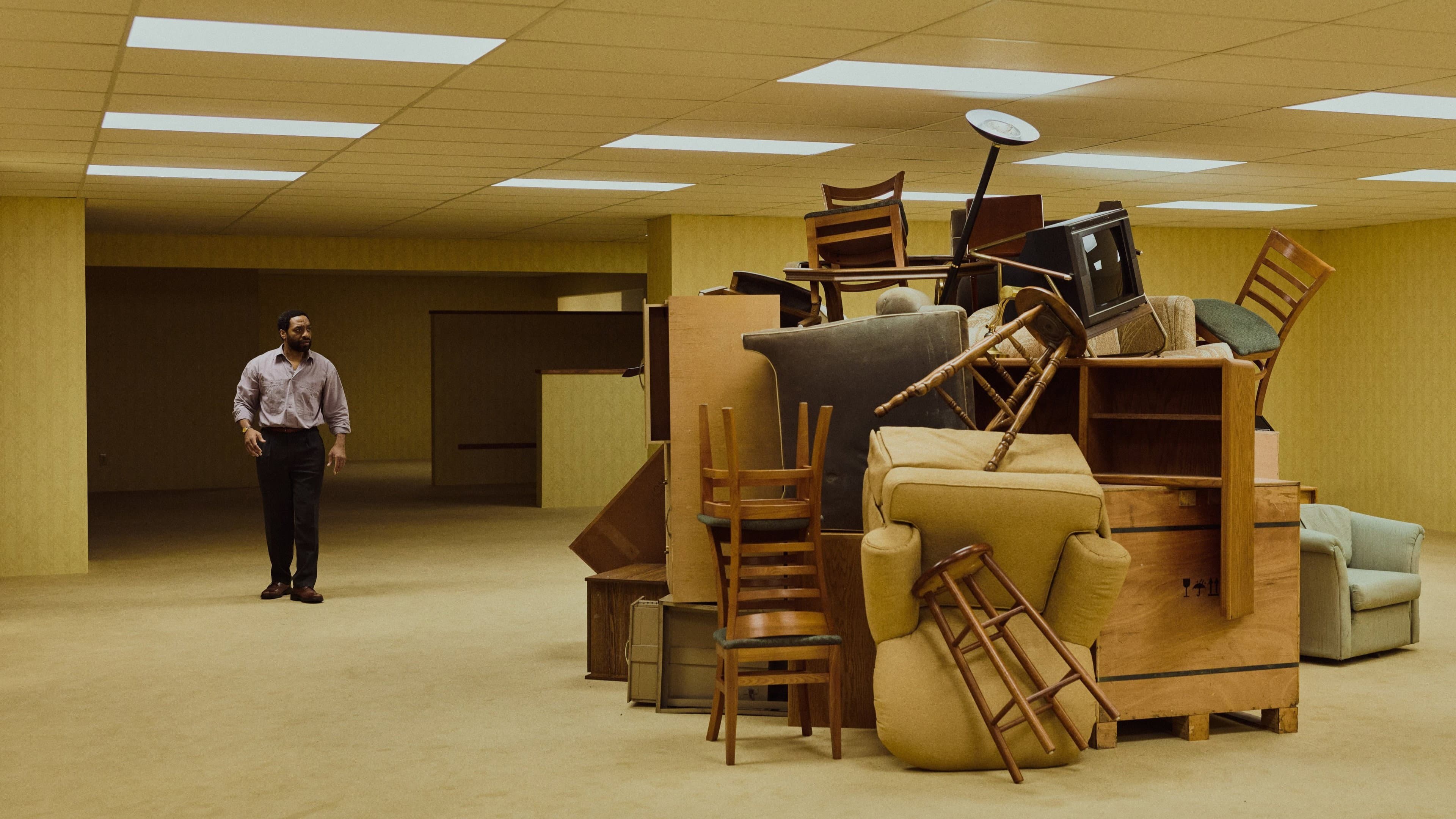
A YouTube executive is predicting that more viral, internet-native sensations - the kind of stuff that starts as a niche online obsession and snowballs into a full-blown cultural event - will soon be storming the box office and, yes, showing up in Oscar conversations. Think less "prestige studio epic" and more "the weird thing everyone was posting about six months ago, now playing on a screen near you."
If that sounds like a stretch, consider the evidence piling up. The last few years have delivered a steady stream of titles that seemed to come out of nowhere, powered by the exact kind of word-of-mouth energy that used to be reserved for midnight screenings and dorm-room arguments. Online fandom has become a genuinely powerful marketing engine, and the people running the biggest video platform on the planet have a front-row seat to what's catching fire.
From Niche Curiosity to Mainstream Smash
The executive's argument, essentially, is that the pipeline from "I found this at 2 a.m. and now I can't stop thinking about it" to "this is the movie everyone's talking about" has never been shorter. Platforms like YouTube have become the de facto breeding ground for the aesthetics, memes, and rabbit holes that eventually birth full-fledged film franchises. A concept doesn't need a studio mandate anymore - it needs a community.
That's a real shift in how hits get made. Traditionally, a movie's buzz was manufactured: trailers, talk shows, billboards, repeat. Now, a chunk of it is grown organically, by people who feel like they discovered something before the rest of the world caught on. That sense of ownership is powerful, and it's exactly the kind of momentum that can push a scrappy, strange project into the mainstream spotlight.
And it's not just about money. Awards voters, the thinking goes, are paying attention too. The Academy has spent years trying to shake off its reputation for being out of touch, and embracing the internet's favorite fever dreams is one way to do it. When a film arrives with a built-in, deeply online fanbase, it comes with a narrative - and awards campaigns love a narrative.
The Oscars Angle Nobody Saw Coming
Here's where it gets genuinely interesting. For decades, the awards conversation and the internet conversation ran on parallel tracks, occasionally waving at each other across the void. Not anymore. The same audiences that turn a strange concept into a trending topic are increasingly the same audiences that show up for awards-season darlings - and the overlap is only growing.
An internet-born phenomenon breaking into the Oscars race would've sounded absurd a decade ago. Now it feels less like a question of "if" and more like "when." The gatekeepers are still the gatekeepers, sure, but the gates themselves are getting a lot more porous, and the crowd outside is louder than ever.
Whether this all pans out exactly as predicted is anyone's guess. Hollywood has a habit of absorbing new trends, sanding off the edges, and spitting out something safe. But the executive's point stands: the next big thing probably won't be announced with a press release. It'll be something you stumble across while procrastinating, and by the time the industry notices, it'll already have an audience - and maybe an awards campaign - waiting for it.
For now, the takeaway is simple. If you've been spending your evenings down some strange internet rabbit hole, don't feel guilty. You might just be an early investor in the next box-office juggernaut.
Source: The Hollywood Reporter