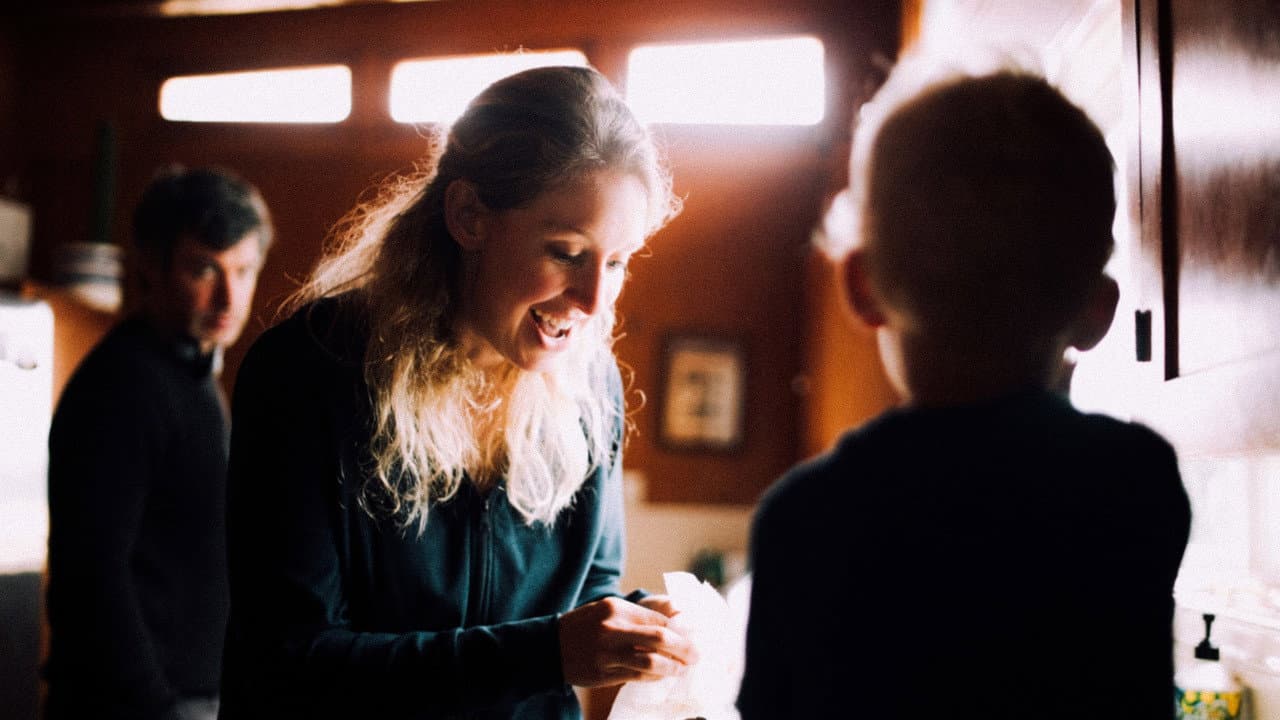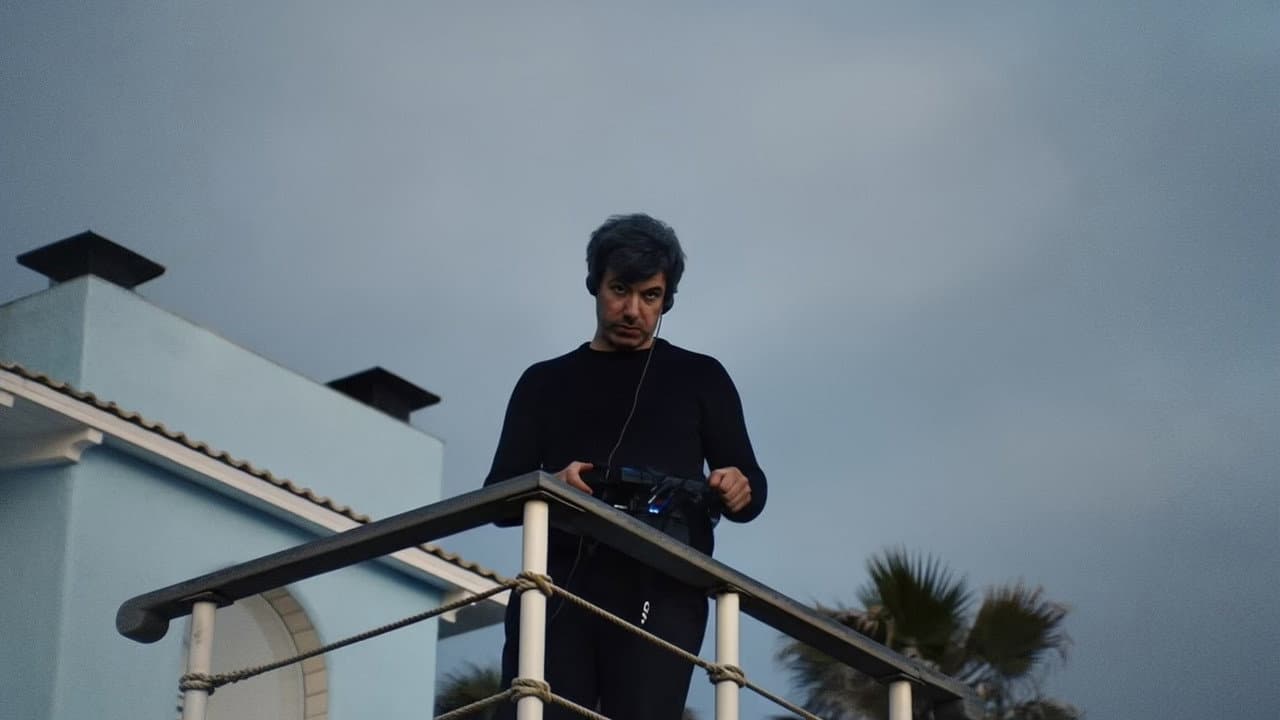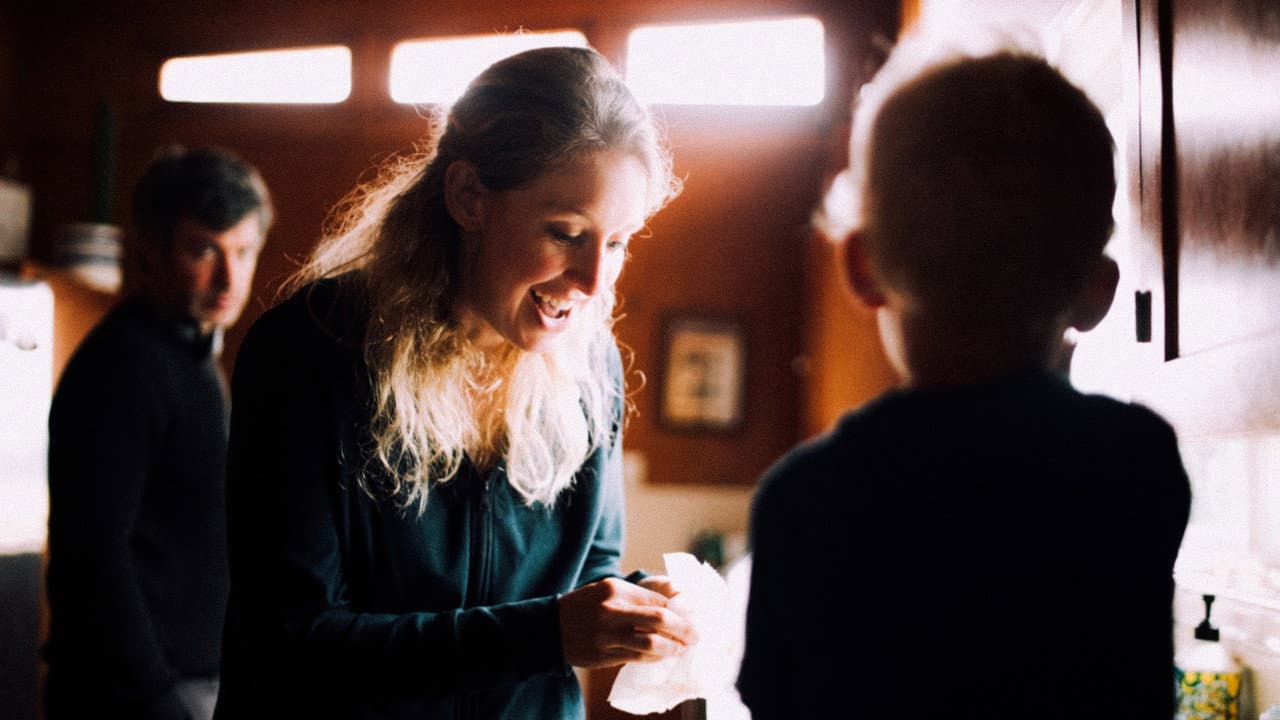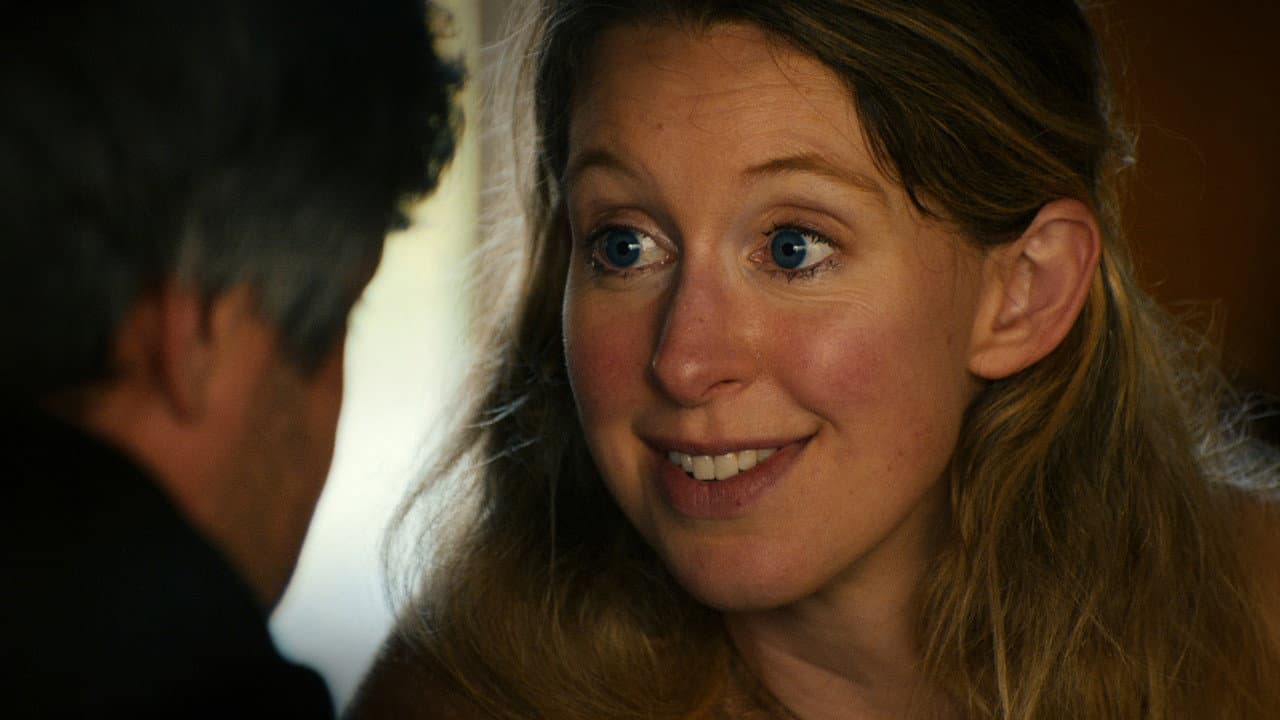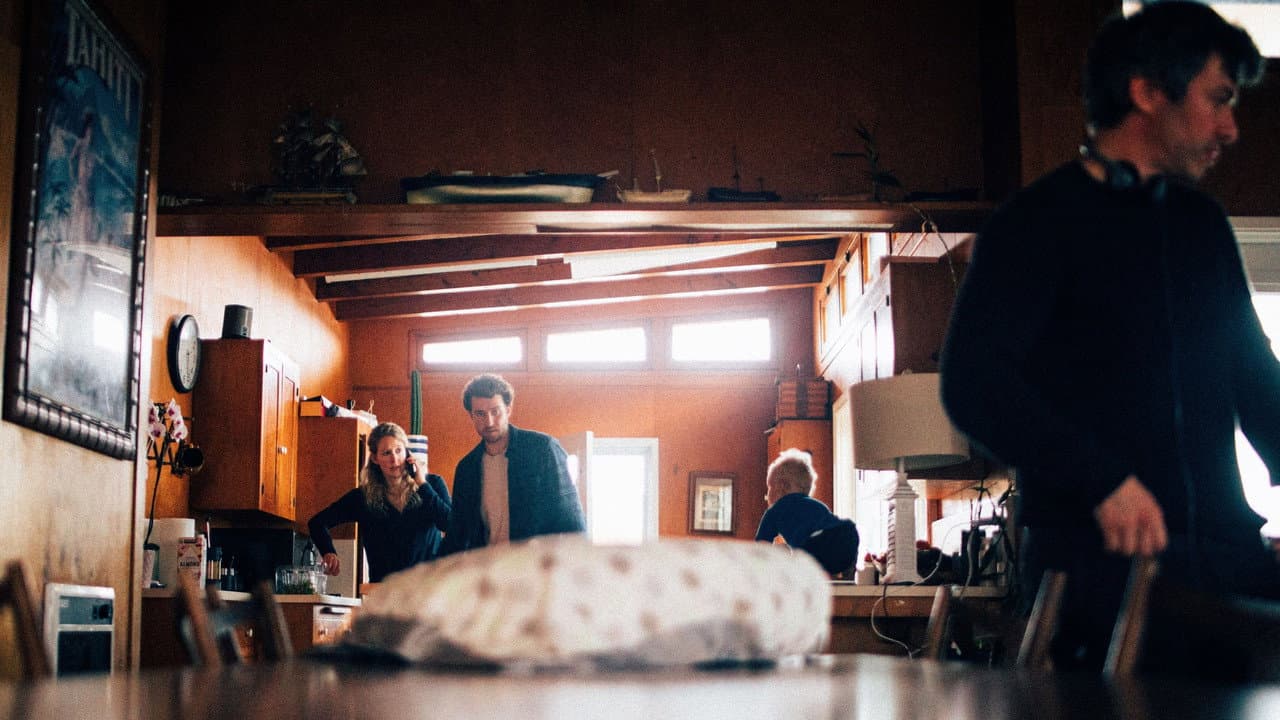
Christopher Abbott has a knack for vanishing into roles so thoroughly that audiences often need a second to place him. But in Nathan Fielder's documentary You Can See Everything, Abbott's transformation into Billy Evans - the real-life partner of disgraced Theranos founder Elizabeth Holmes - required a different kind of disappearing act: one where the camera was already rolling before anyone knew quite what to make of him.
The film, which hit theaters on October 16, 2026, opens with a premise that sounds like a fever dream even by Fielder's standards. Thirty-four days before Holmes is due to report to prison, she invites a skeptical film crew into her life to document everything. What follows, according to the official synopsis, starts as an intimate portrait of an enigmatic felon and spirals into a "mind-bending three-year journey into the abyss." It's a documentary, technically - a 175-minute one, no less - but with a cast list that reads like a hall of mirrors: Holmes as herself, Fielder as himself, Amanda Seyfried as Holmes, Abbott as Evans, and Billy Evans also playing himself. In other words, the film stacks real people against actors playing them, then dares viewers to sort out who's who.
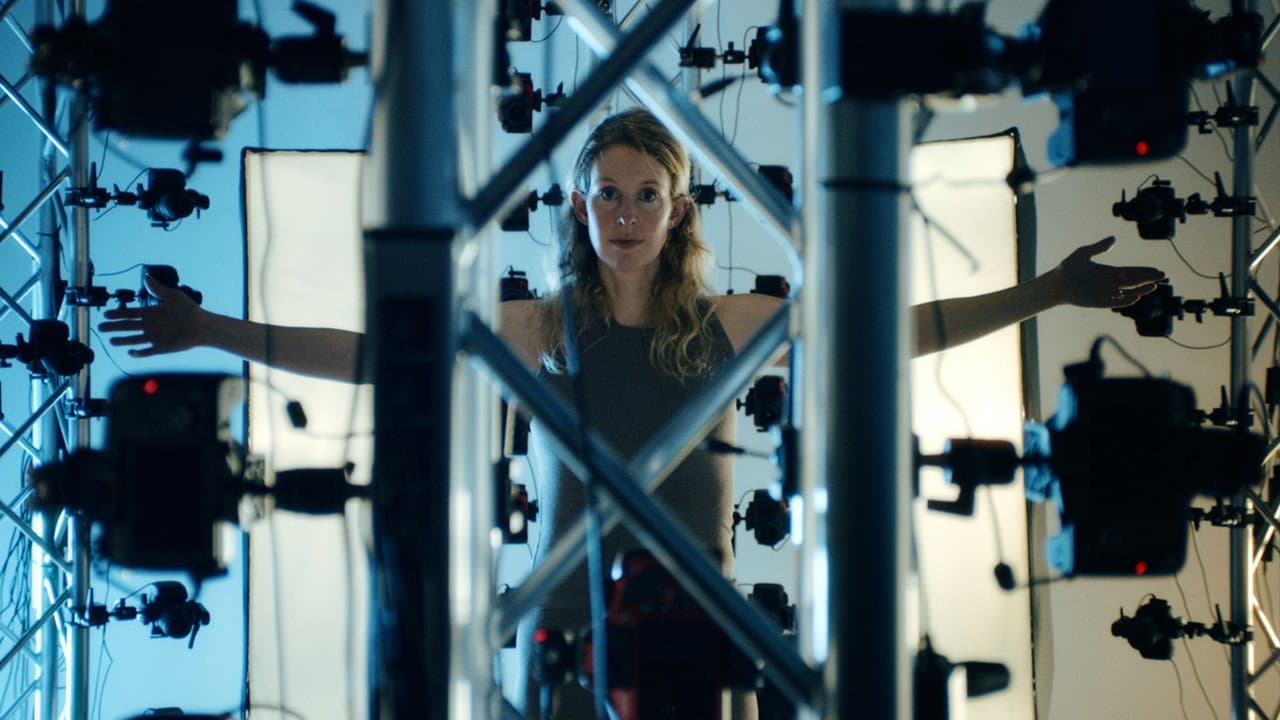
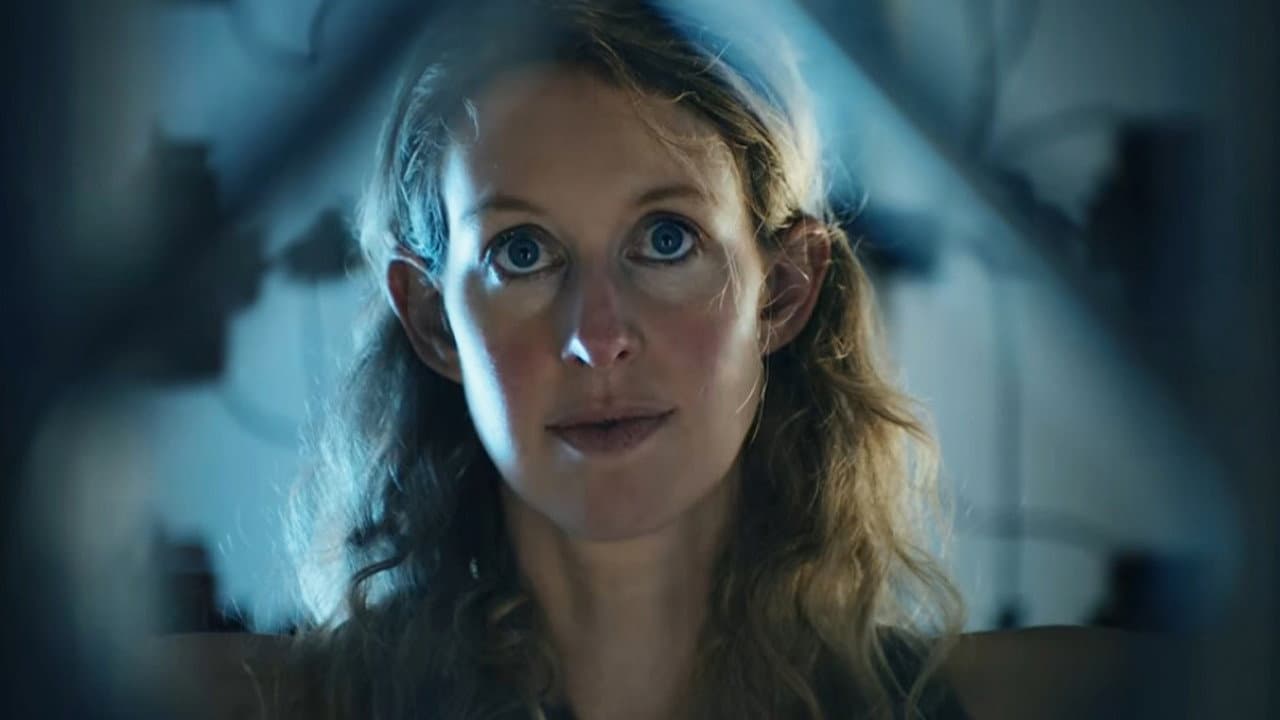
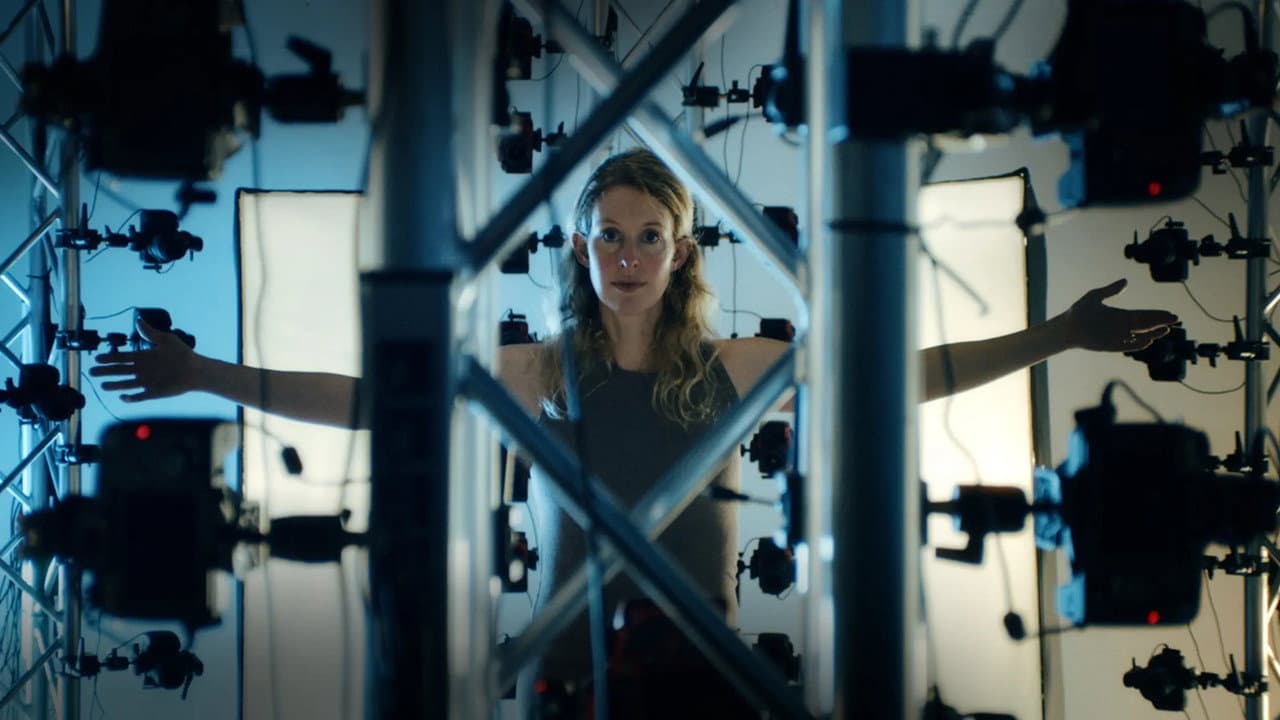
For Abbott, that layered construction was the whole point. His "you can see everything" moment - the instant the film's title crystallizes on screen - reportedly came together through a mix of deliberate staging and the kind of unscripted chaos only Fielder seems to conjure. Abbott has been candid about how the sequence was built, describing a process in which the boundary between performance and documentation was never meant to feel stable. The audience is supposed to feel the vertigo of watching a man be watched, while an actor plays the man being watched, while the man himself stands somewhere just out of frame.
That approach fits Fielder's filmography, though You Can See Everything pushes his fascination with awkward authenticity into stranger territory. The film earned an impressive 8.861 out of 10 on TMDb and a 7.9 on IMDb, suggesting that whatever Abbott and company pulled off, viewers are buying in. Critics and audiences alike have gravitated toward the movie's refusal to sit still - it isn't a straightforward takedown, nor a redemption arc, nor a conventional documentary. It's a hall of mirrors with a runtime long enough to make you question the reflection.
The cast itself is a conversation starter. Seyfried stepping into Holmes's shoes while Holmes appears as herself creates the sort of doubling that usually lives in experimental theater rather than wide release. Then there's Abbott, playing the man who is also in the film as himself - and Evans, a figure who has largely stayed on the periphery of the Holmes saga, suddenly occupies a central, unstable role. Noel Anne Holmes and Christian Rasmus Holmes IV, Holmes's parents, also appear as themselves, further blurring the line between the family's private life and its public spectacle.
What makes Abbott's account of the title moment resonate is that it speaks to the film's larger gambit: the promise - or threat - of total transparency. You Can See Everything wears its title like a dare. It says: here are the cameras, here is the felon, here is her family, here is an actor playing her partner, here is her partner. Now look. Abbott has suggested that achieving that effect required everyone involved to surrender a little control, to let the moment be discovered rather than manufactured. For an actor known for precision, that's a notable shift - and it's precisely the kind of alchemy that has turned the film into one of the fall's most talked-about releases.
Whether You Can See Everything ultimately reads as satire, tragedy, or some hybrid neither label captures is a question audiences will keep debating. But Abbott's willingness to explain how its most unsettling scene came to be only deepens the puzzle. In a movie about a woman who spent years selling a version of reality nobody could verify, the cast and crew seem to have built a film where the truth is deliberately left in the eye of the beholder. And that, perhaps, is the most honest thing of all.
Source: The Hollywood Reporter