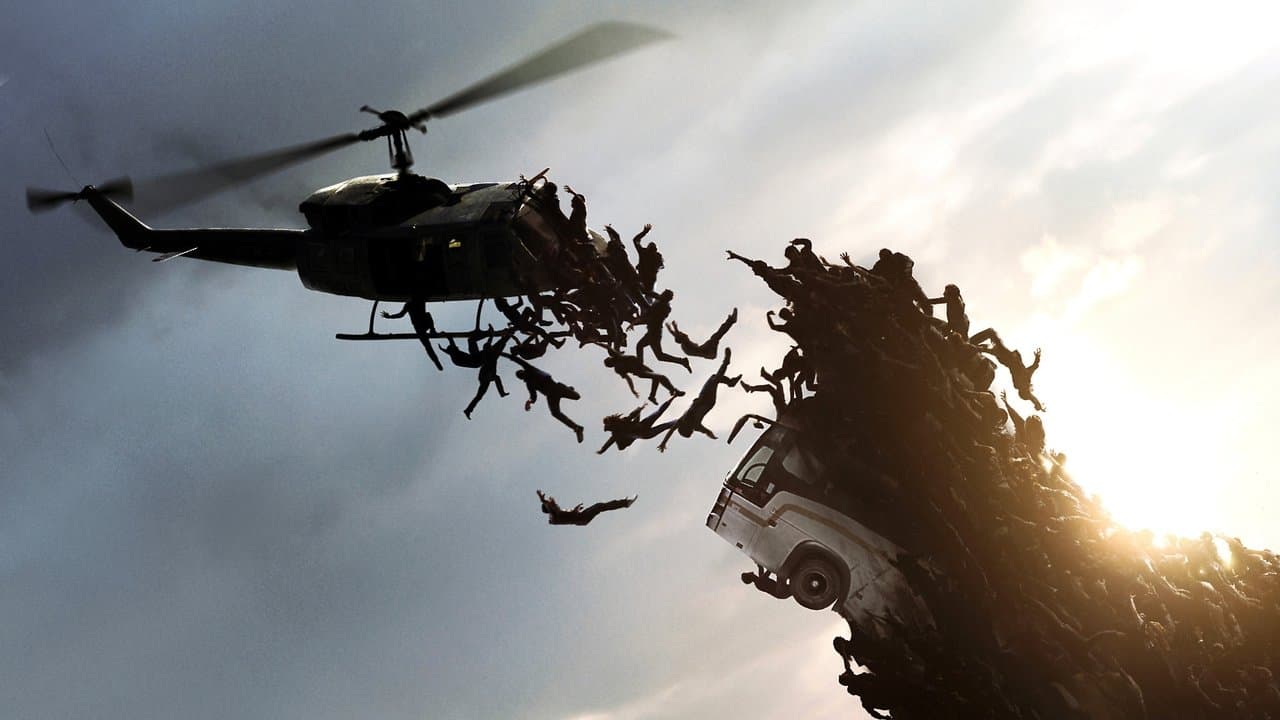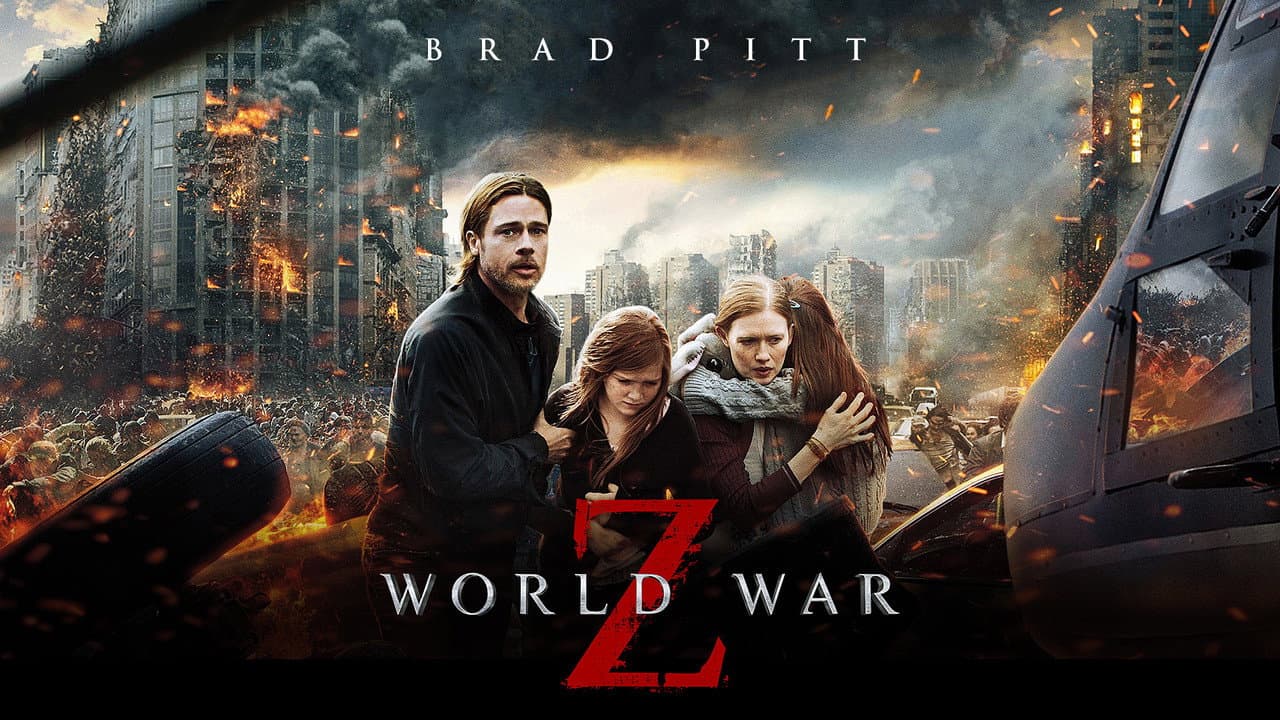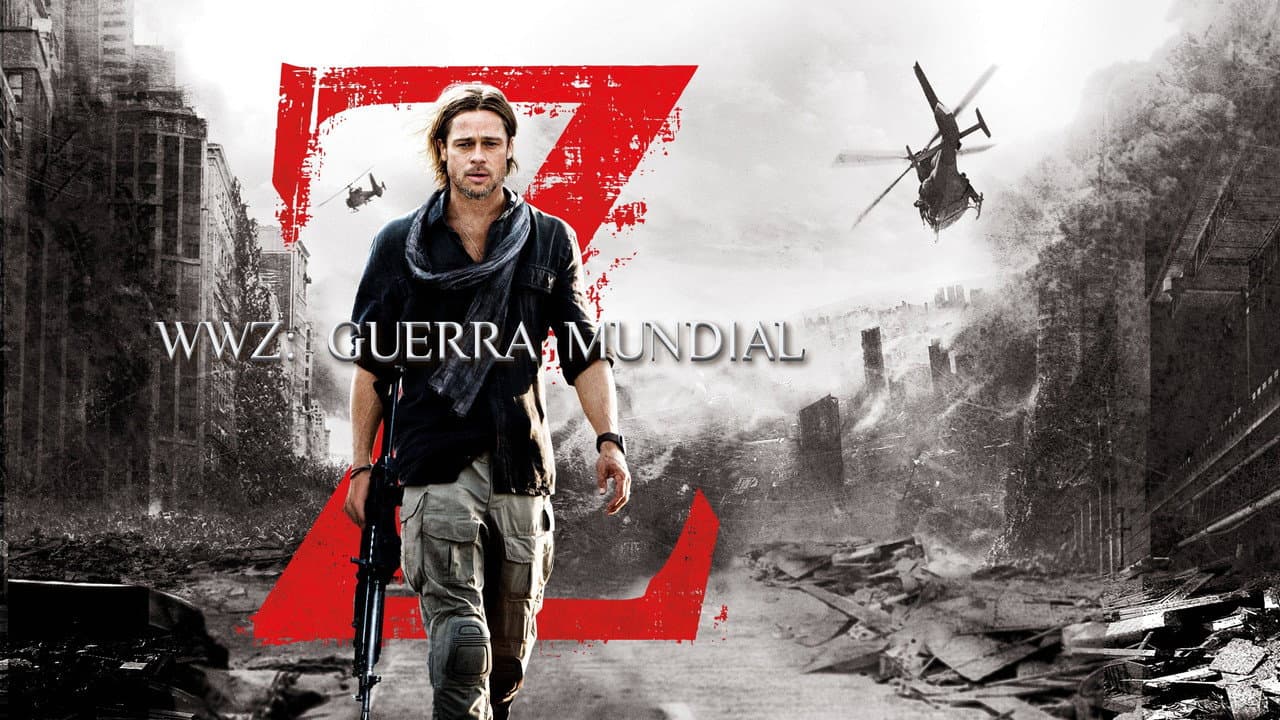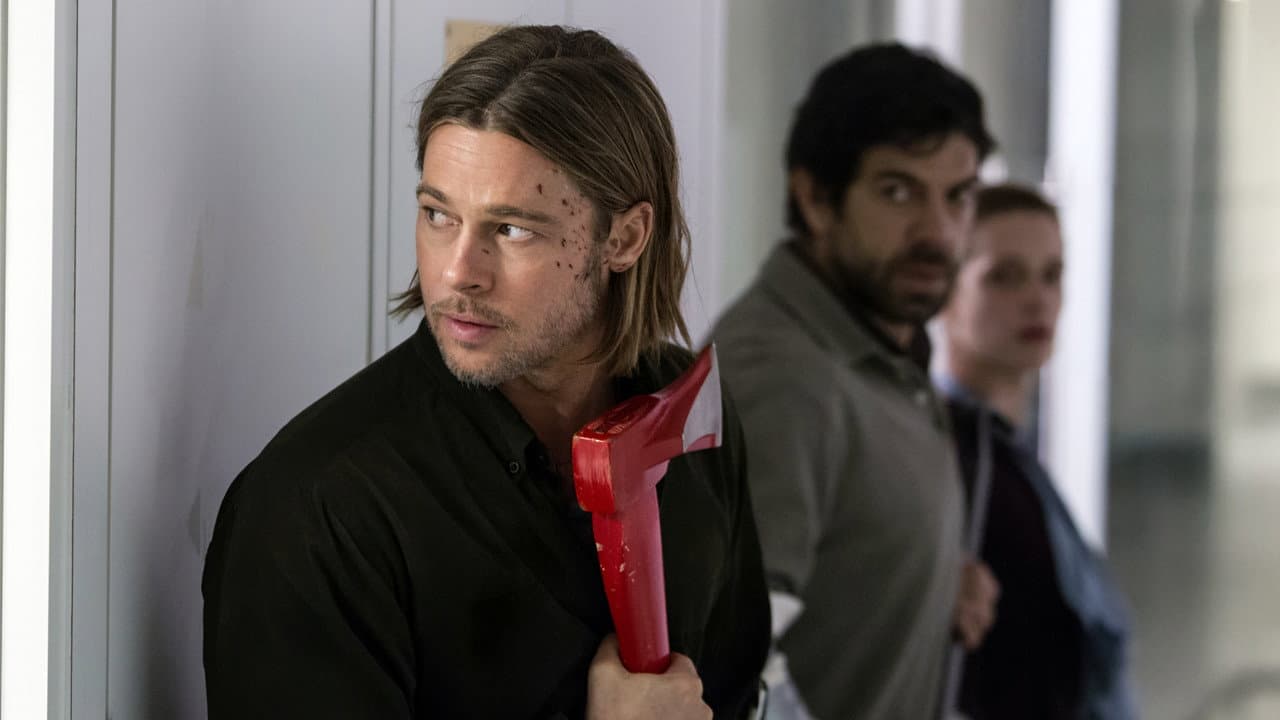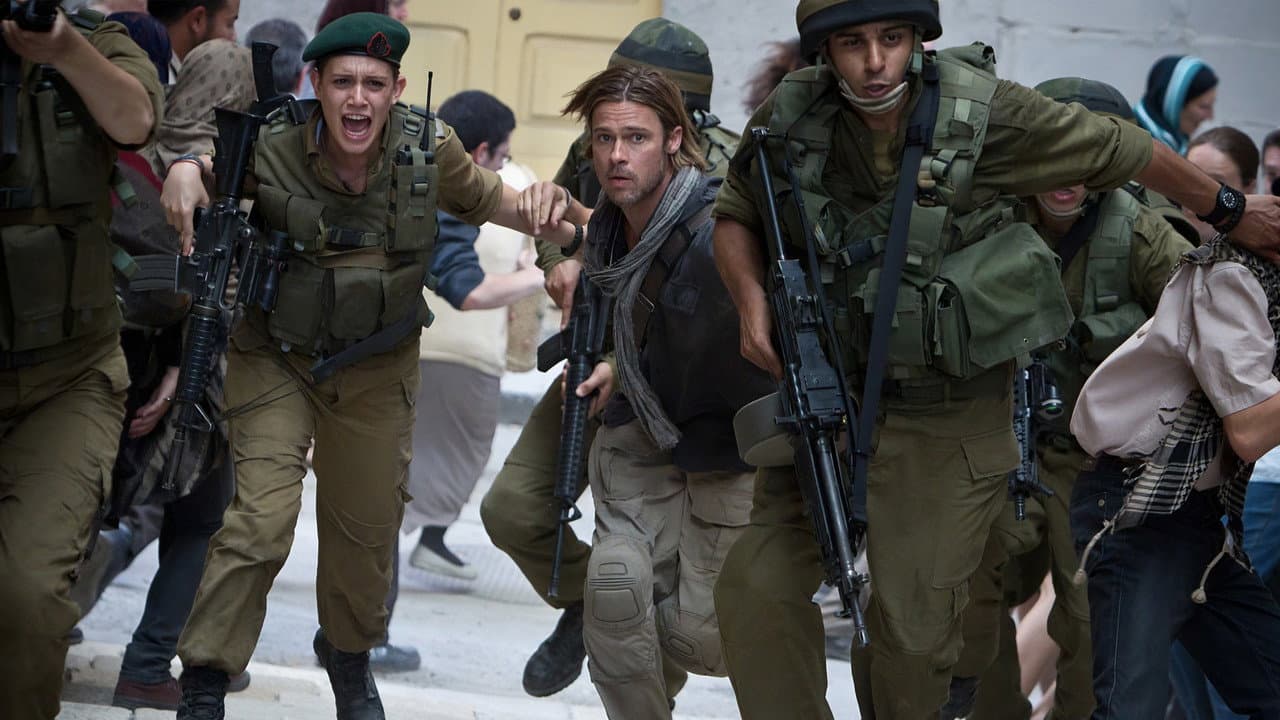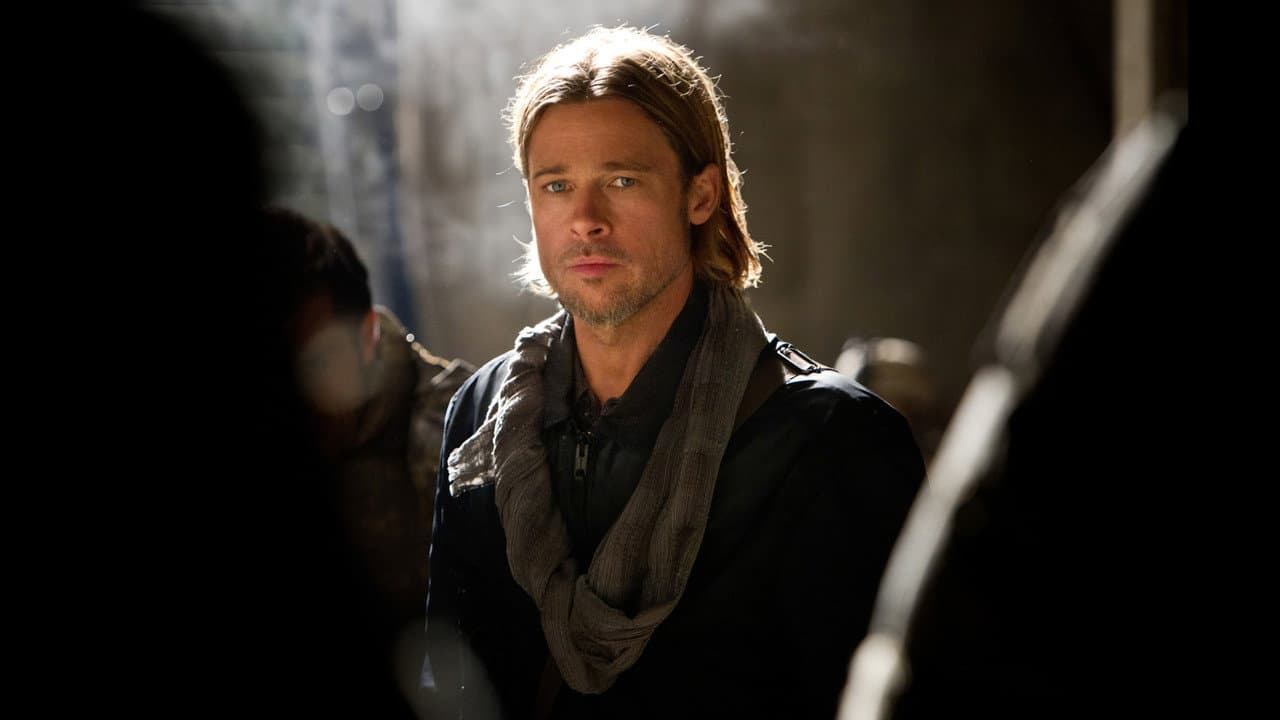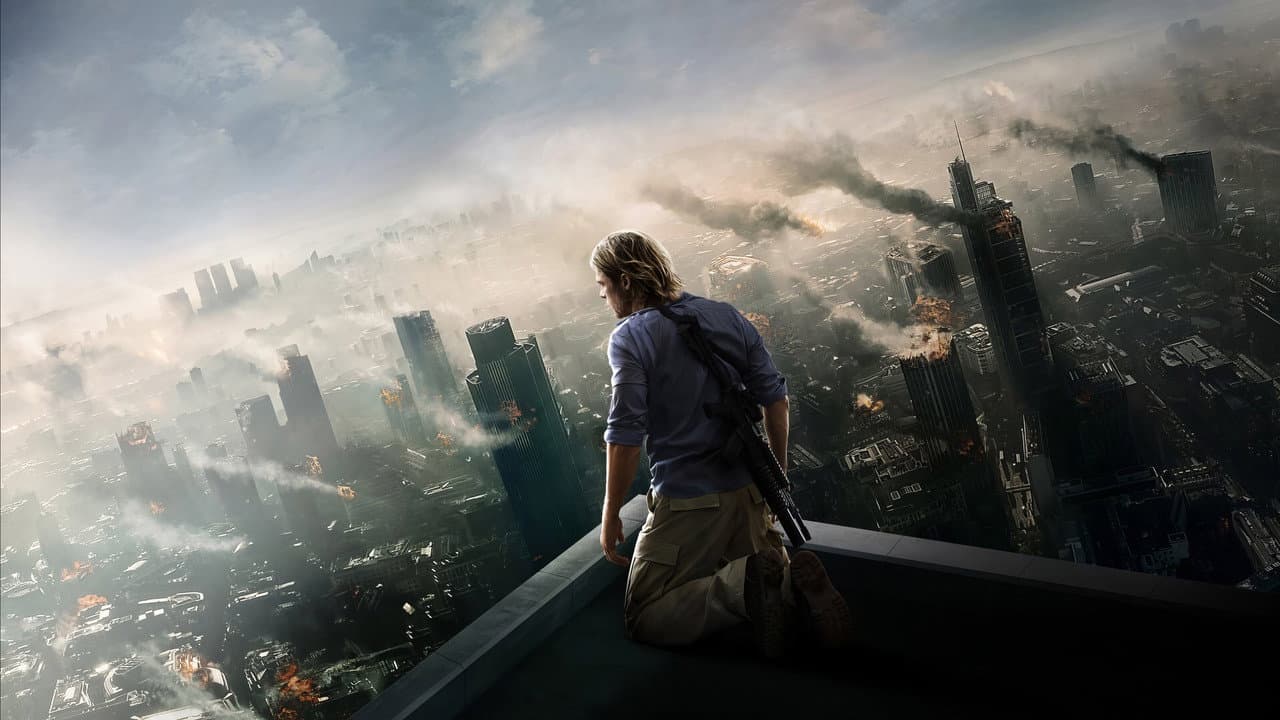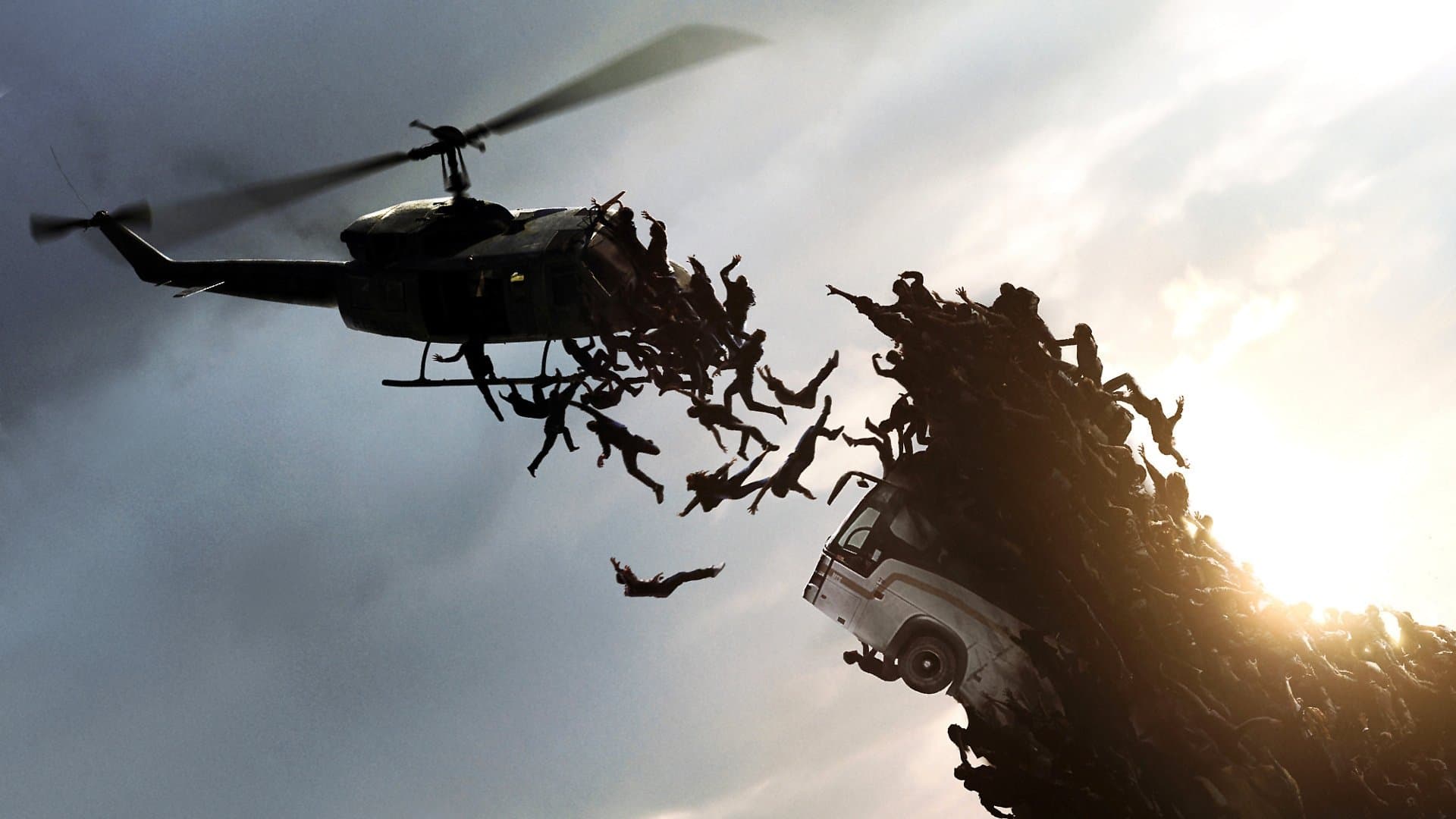
The zombies are shambling back to life. Nearly a decade and a half after Brad Pitt first battled the undead in World War Z, a sequel is officially clawing its way out of development hell - and this time, there's a fresh creative force behind the camera. Edward Berger, the filmmaker who turned All Quiet on the Western Front into an awards-season juggernaut, is set to direct, with Pitt returning to headline.
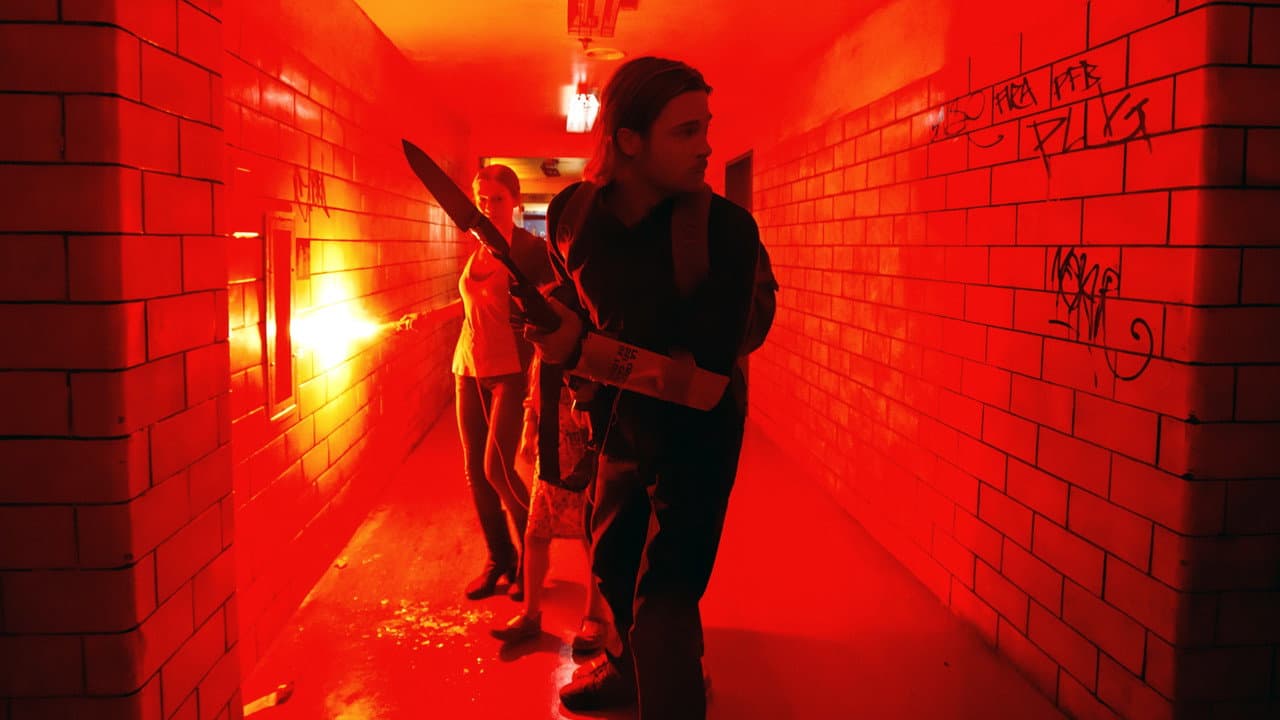
For a project that's spent years bouncing between directors, writers, and studio strategies, this is genuinely big news. The original 2013 film, helmed by Marc Forster, followed Pitt's Gerry Lane - a former United Nations investigator dragged back into service when a mysterious infection starts flipping entire populations into rampaging, mindless zombies. What starts as a family escape story quickly spirals into a globe-trotting hunt for answers, with Lane racing from one collapsing hotspot to another before civilization itself runs out of time. It was loud, tense, and occasionally terrifying, and audiences ate it up.
A Long, Twisted Road to a Sequel
If you've been following this saga, you know it hasn't been smooth. Talk of a follow-up started almost immediately after the first film's release on June 19, 2013, and for a while, it looked like it might actually happen. Then it didn't. Then it sort of did again. The project became a revolving door of attached talent and abandoned scripts, and at various points it seemed like the whole thing would just quietly fade away.
Now, though, the pieces finally appear to be in place. Bringing in a director of Berger's caliber signals something more ambitious than a simple cash-grab sequel. His work on All Quiet on the Western Front proved he can handle scale, dread, and unflinching intensity - all of which map pretty neatly onto a story about a planet being overrun by the walking dead.
What Made the First One Work
Rewind to 2013. World War Z wasn't just another zombie movie. It leaned hard into the global-disaster angle, treating the outbreak less like a horror-movie monster mash and more like a pandemic with teeth. Pitt's Gerry Lane wasn't a soldier or a scientist - he was a family man with a specific skill set, pulled into a crisis he couldn't outrun.
The supporting cast helped sell the scale of the collapse. Mireille Enos played Karen Lane, Gerry's wife, while Daniella Kertesz brought a quiet ferocity to Segen, a young soldier who survives a bite and becomes an unlikely ally. James Badge Dale showed up as Captain Speke, Ludi Boeken played the epidemiologist Jurgen Warmbrunn, Fana Mokoena took on the role of Thierry Umutoni, David Morse dropped in as a grizzled ex-CIA agent, and Matthew Fox appeared as a parajumper. Together they built a world that felt genuinely enormous - and genuinely doomed.
The film clocks in at 116 minutes, blending action, horror, and science fiction into a package that earned a solid 6.851 out of 10 on TMDb. Not a masterpiece by every measure, but a hit - and one that left plenty of story threads dangling for a follow-up.
Why This One Feels Different
Sequels that spend this long in limbo usually arrive diminished. But Berger's involvement flips that script. He's not a director who phones it in, and his sensibilities - patient tension, brutal realism, an eye for human cost - could give the franchise the kind of weight it only gestured at the first time around.
And then there's Pitt. He's been picky about franchise returns, so his commitment here says something. Gerry Lane is a character with room left to grow, and pairing him with a filmmaker known for squeezing raw performances out of sprawling chaos is an intriguing combination.
There's no release date yet, and details on the plot are still locked away. But for a franchise that many had written off as permanently dead, this is a resurrection worth paying attention to. Stay tuned - MovieBuzz News will be tracking this one every step of the way.
Source: The Hollywood Reporter