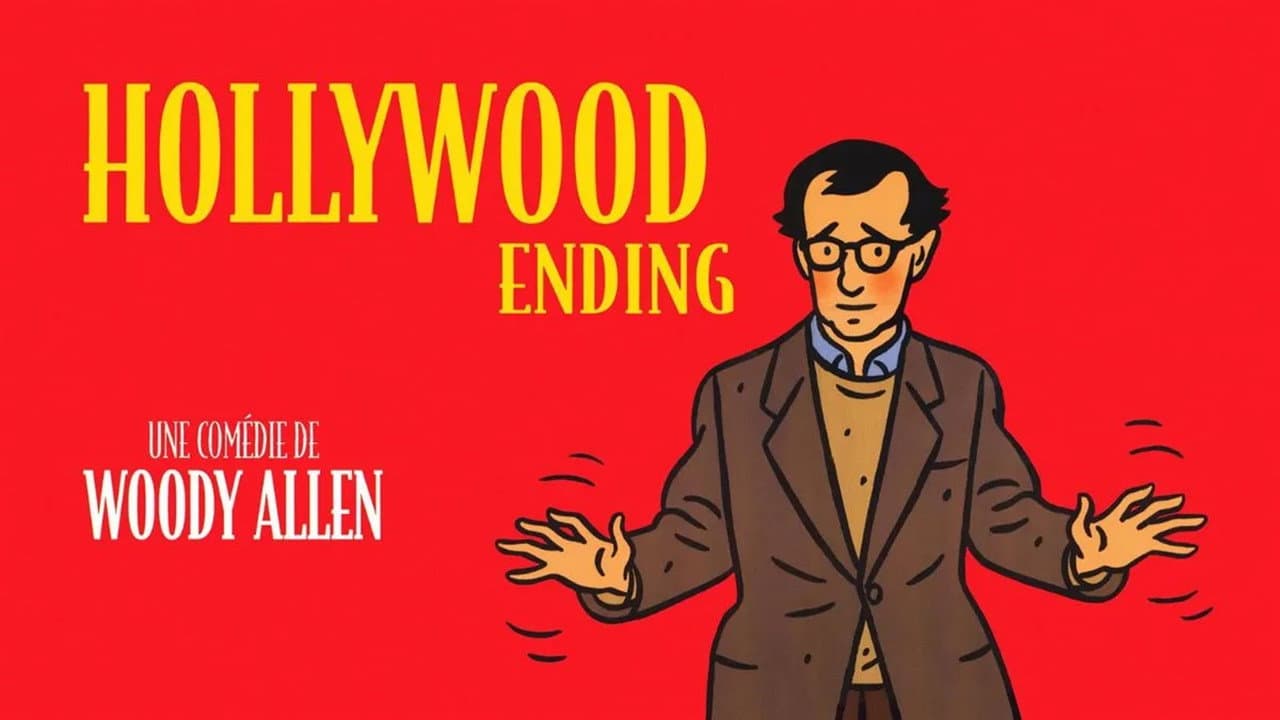
Woody Allen's Hollywood, Ending arrives with the weight of expectation that has trailed the filmmaker for decades, and for the most part it delivers exactly what longtime fans have come to anticipate. The comedy-drama, released in May 2002, offers a familiar blend of neurotic self-examination and showbiz satire, hitting its marks with reasonable precision even if it rarely pushes beyond the boundaries of its own well-worn formula.
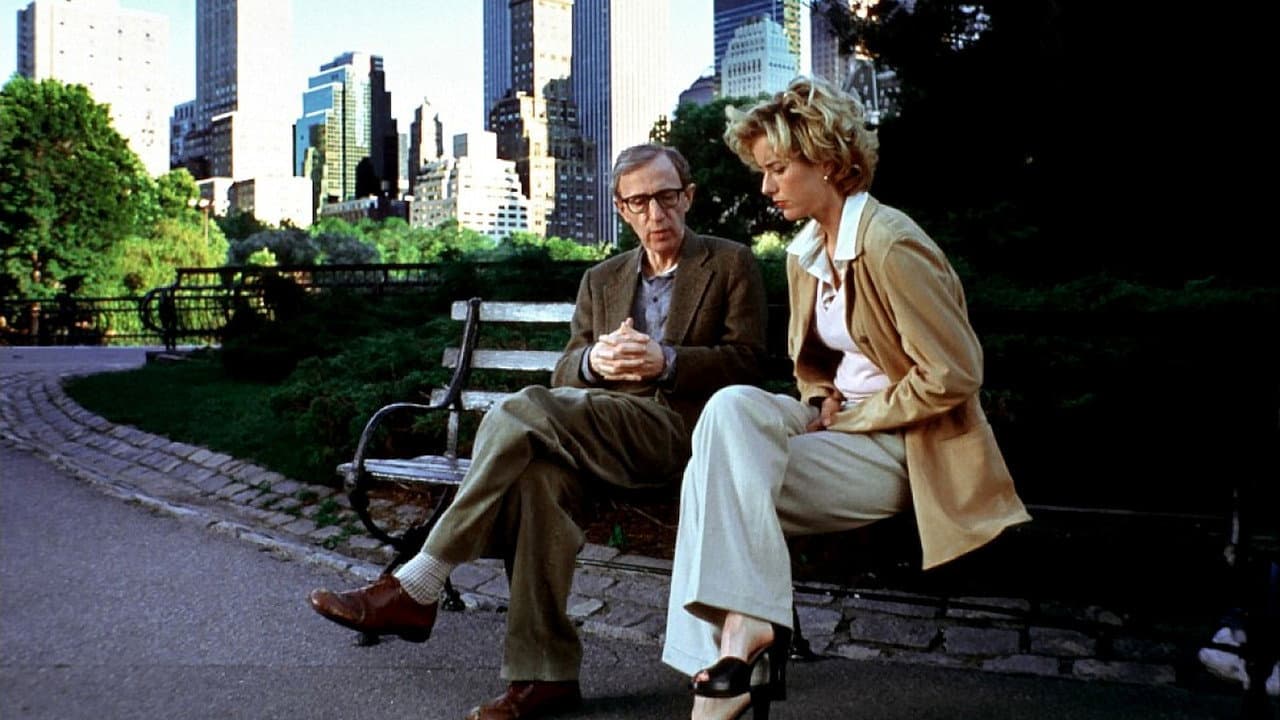
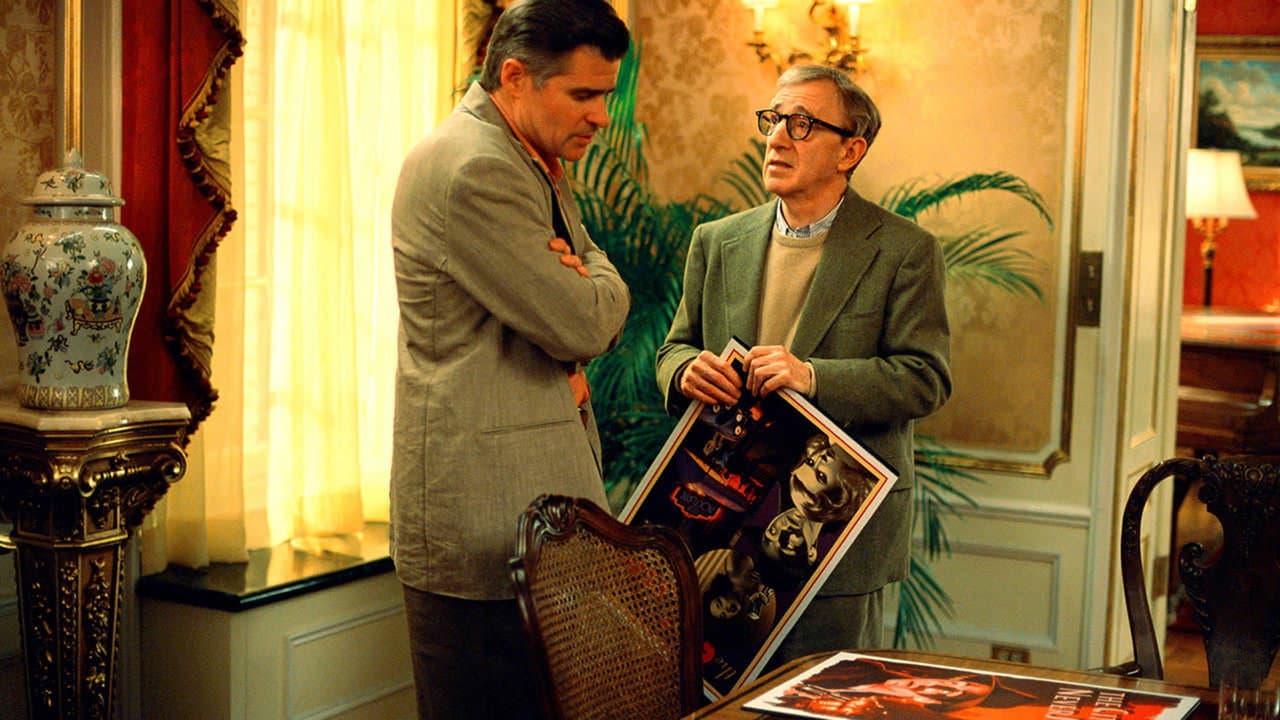
Allen stars as Val Waxman, a two-time Oscar winner whose career has cratered into the kind of professional purgatory that feels painfully specific to Hollywood's particular brand of cruelty. Waxman is neurotic, washed-up, and desperate for a comeback - traits Allen has mined before but still plays with a certain lived-in ease. The premise thickens when opportunity knocks in the form of his ex-wife, Ellie (Téa Leoni), who offers him a shot at redemption. The catch? Working for the woman he once loved and lost forces Val to confront whether his motivations are professional, personal, or some messy combination of both.
The film's central question - is Val blinded by love when he accepts Ellie's offer, or is love itself blind when it comes to her unwavering support? - gives the narrative a modest emotional hook. It's the kind of Setup that Allen has used to explore the intersection of romance and career anxiety throughout his filmography, and Hollywood, Ending doesn't stray far from that template. The film is, as its overview suggests, a case where "literally and figuratively, the proof is the picture."
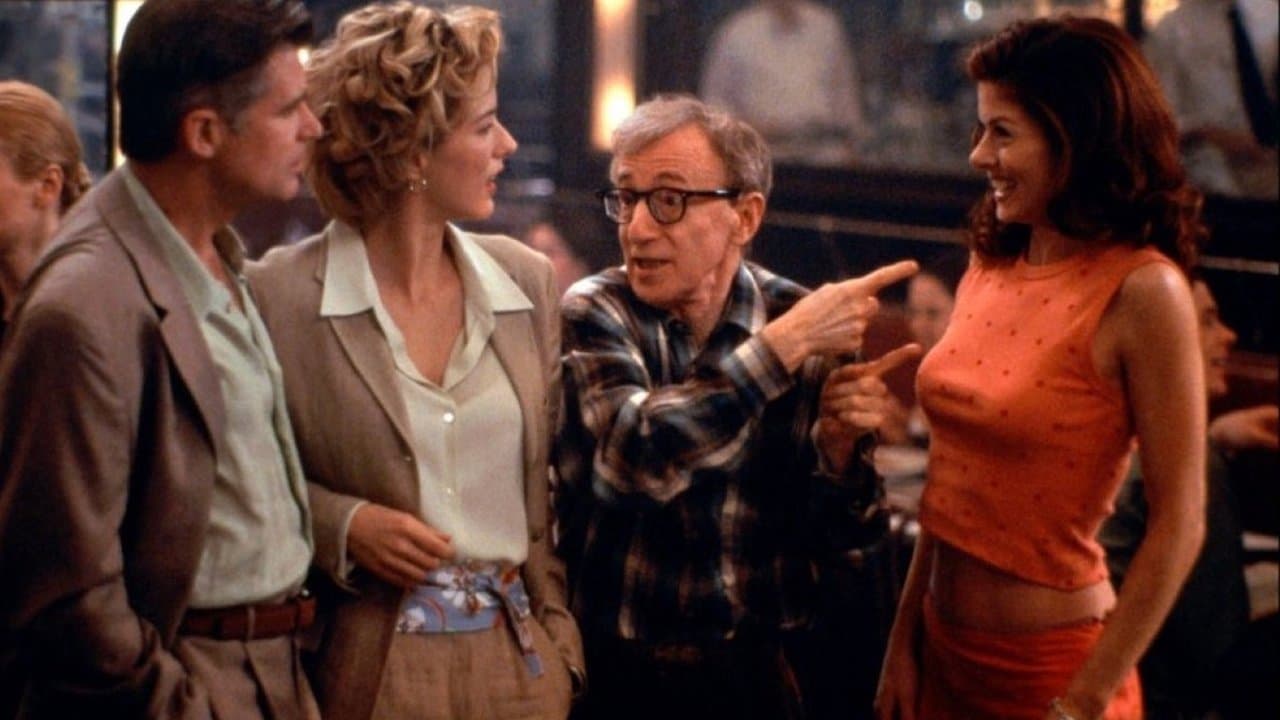
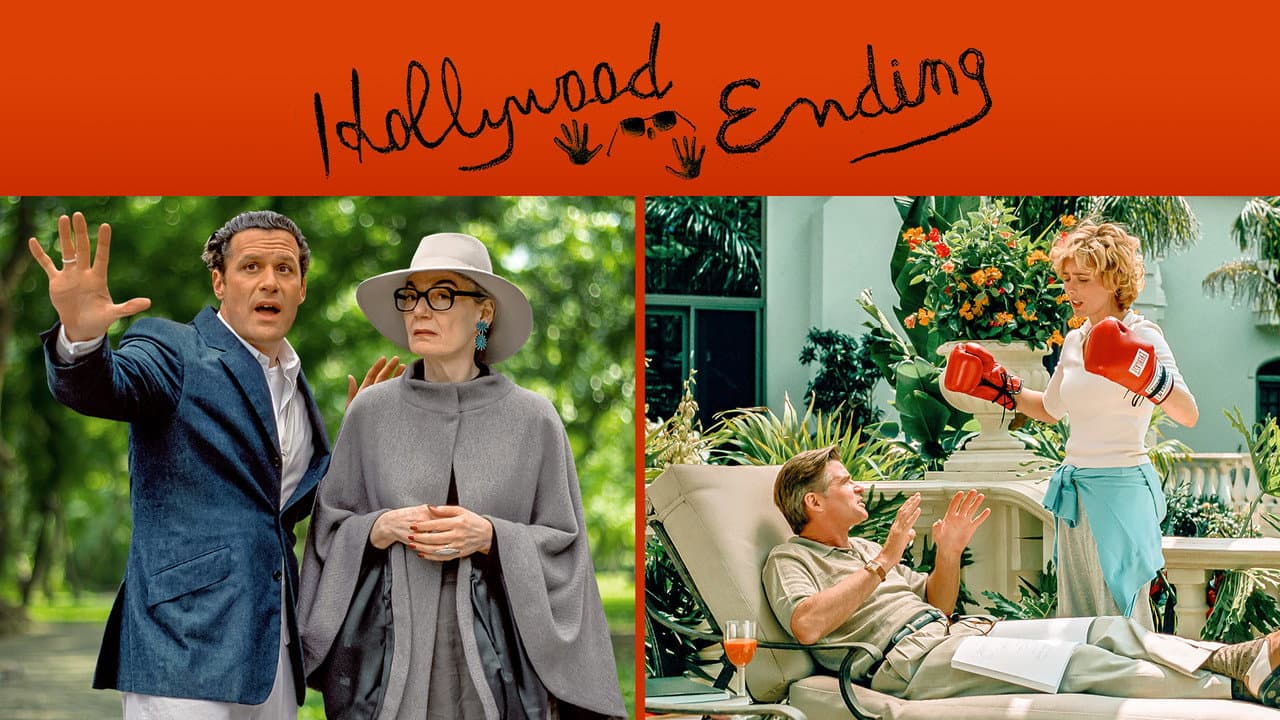
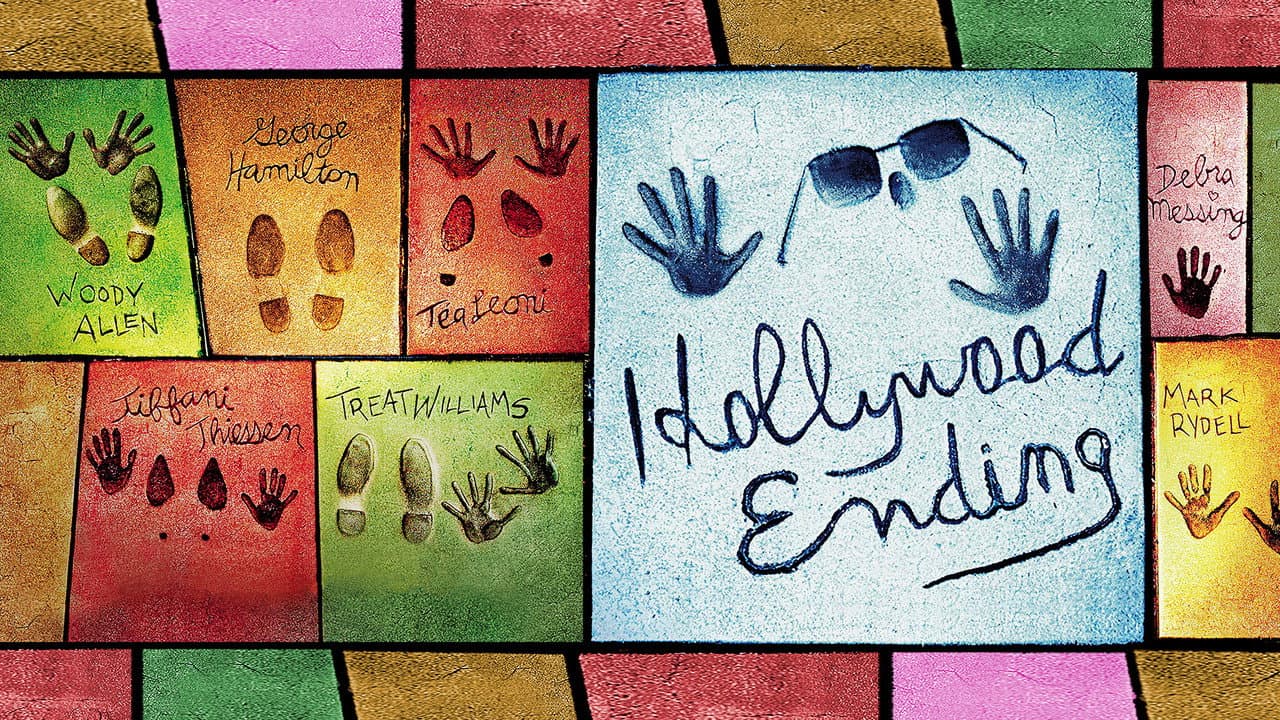
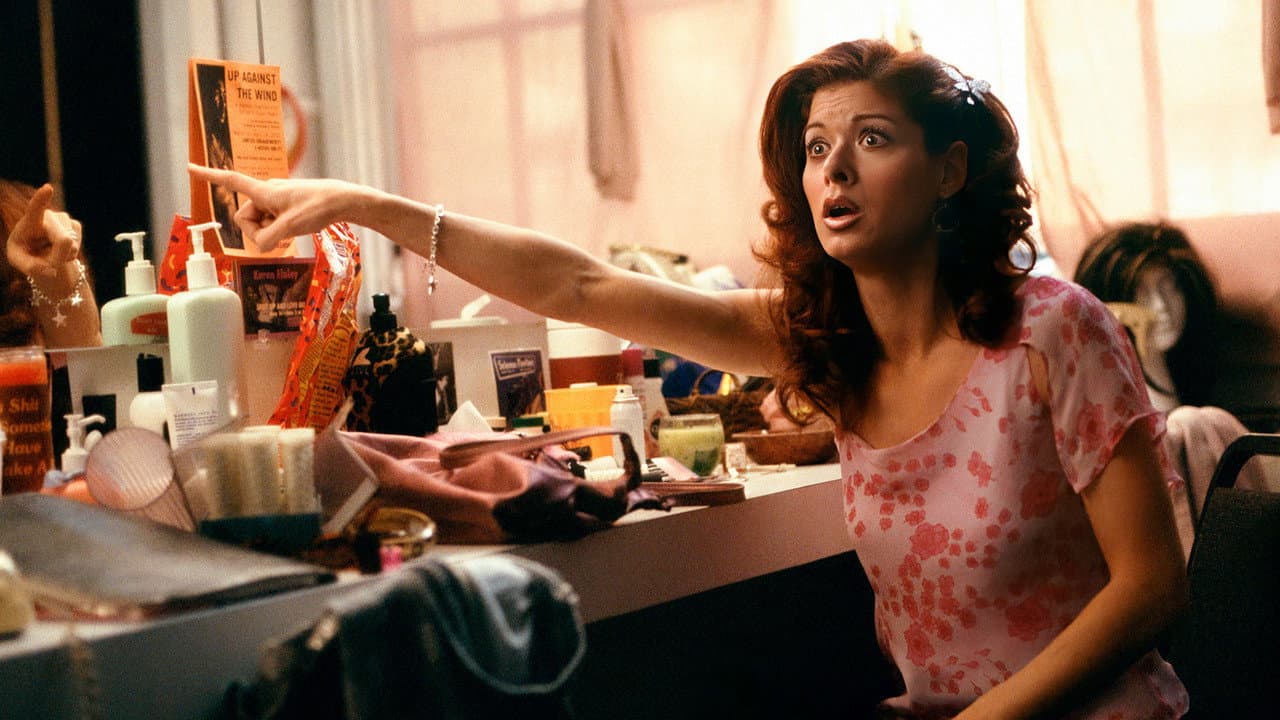
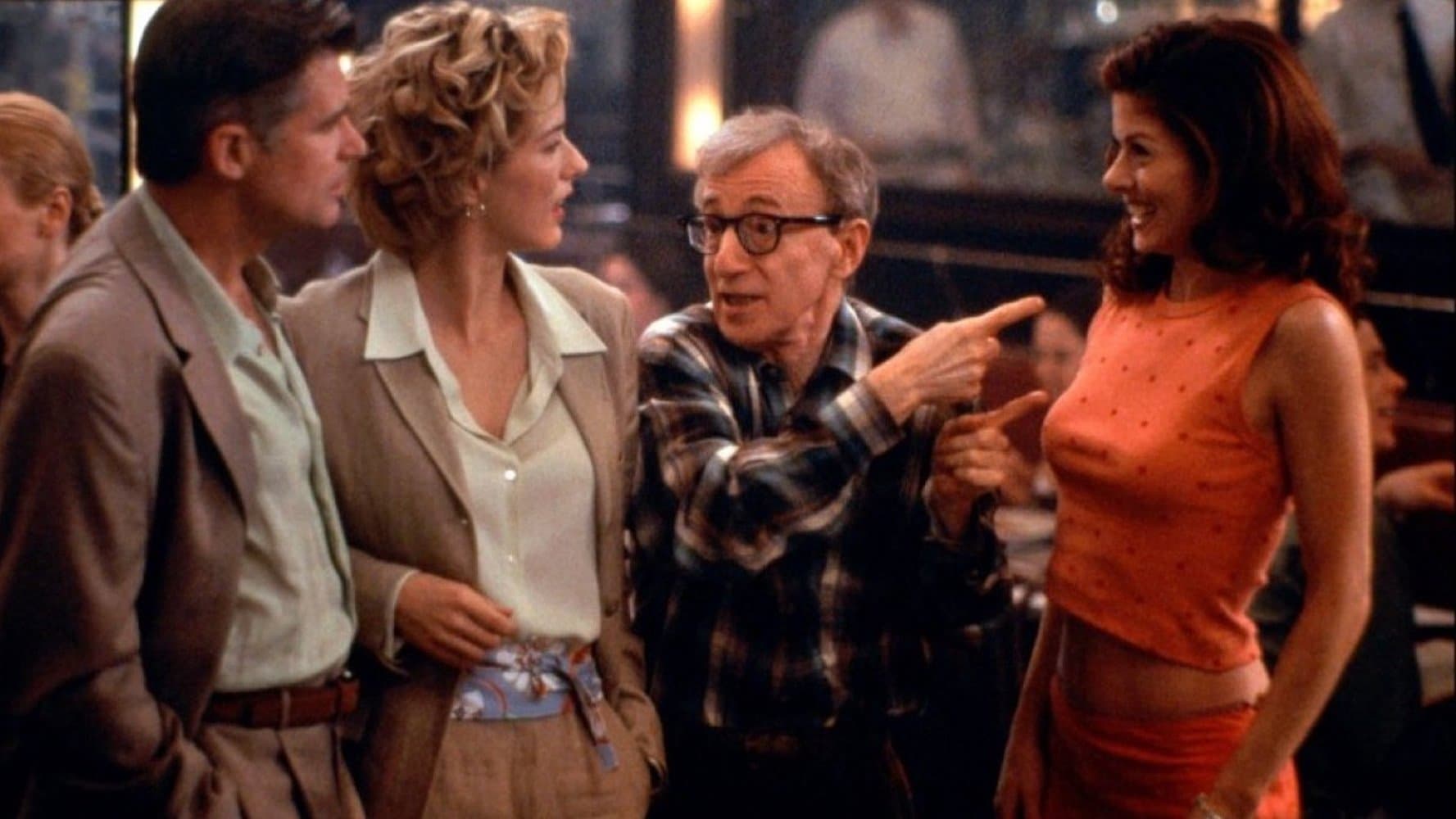
Running 112 minutes, the film assembles a cast that includes George Hamilton as Ed, Debra Messing as Lori, Mark Rydell as Al, Treat Williams as Hal, Jodie Markell as Andrea Ford, and fashion designer Isaac Mizrahi stepping into the role of Elio Sebastian. The ensemble does what it can with material that occasionally feels stretched thin, and Hamilton in particular brings a polished charm to his scenes that cuts through some of the film's more meandering stretches.
Critically, the film has landed in middling territory with audiences and aggregators alike. TMDb users rate it at 6.503 out of 10, while IMDb sits at a nearly identical 6.5. Those numbers tell a straightforward story: this is a film that satisfies those who show up already invested in Allen's sensibilities, but it's unlikely to convert skeptics or win over viewers hoping for something that pushes the director's familiar themes into genuinely new territory.
The film's release in May 2002 placed it in a period when Allen's work was increasingly received as a known quantity - viewers generally understood what they were getting, and critics had largely settled into patterns of response. Hollywood, Ending doesn't disrupt that dynamic. It's a competent, occasionally sharp entry in the filmmaker's catalog, one that understands the absurdities of the entertainment industry and the neuroses of the people who inhabit it, but it doesn't elevate those observations into something particularly revelatory.
Where the film succeeds most clearly is in its depiction of the industry's peculiar cruelties. Val Waxman's desperation is rendered with a specificity that suggests Allen knows this world intimately - the way careers can evaporate, the way former collaborators become gatekeepers, the way pride and pragmatism collide when an artist needs a lifeline. The ex-wife-as-savior dynamic gives the story an emotional tension, even if the resolution feels somewhat foregone. Leoni's Ellie provides a grounded counterpoint to Allen's anxious energy, though the script doesn't always give her character the depth the role seems to demand.
In the end, Hollywood, Ending is a film that meets expectations without exceeding them - a phrase that captures both its modest virtues and its limitations. It's a movie that will likely please Allen's established audience and leave others wondering where the sharper edges might have been. For a filmmaker who has spent decades exploring the same emotional terrain, that consistency is both a strength and a kind of limitation. The picture, as the film itself might put it, is the proof: a solid, mid-tier outing that satisfies without startling, offering a recognizable blend of wit, anxiety, and industry commentary that neither reinvents nor undermines the director's established reputation.
Source: The Daily Tar Heel