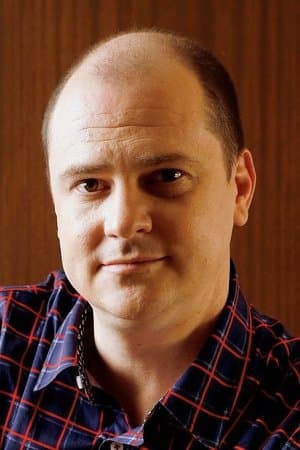
Mike Flanagan has built a career on making horror fans feel things they didn't sign up for - grief, longing, the ache of a family coming apart - and he's done it while adapting some of the most beloved creepy properties around. So when word got out that the man behind The Haunting of Hill House and Midnight Mass had been circling Stephen King's Carrie, the reaction was less "why?" and more "obviously." The story of a telekinetic outcast pushed past her breaking point is, after all, a bullseye for a filmmaker who specializes in trauma dressed up as terror. But according to Flanagan, there was a fundamental problem with the job: he just couldn't bring himself to kill Carrie White. And honestly? That tracks.
The Problem With a Body Count of One
Here's the thing about Carrie: the whole engine of the story is a teenage girl who gets humiliated, snaps, and takes a small town down with her. It's a tragedy with a skyrocketing third act and a finale that's been burned into pop culture since Brian De Palma's 1976 adaptation. For most directors, that's a gift. For Flanagan, it seems to have been a trap. His entire filmography is built on refusing to let his characters be simple monsters. The Bent-Neck Lady gets a backstory that'll wreck you. The ghosts of Hill House are grieving too. So the idea of spending a whole movie building sympathy for Carrie only to have her die - or worse, cheer while she does - runs straight into the wall of how he tells stories.
That tension is the heart of why the project never quite lined up. Flanagan has never been shy about his love for King's work, and he's spoken openly over the years about the daunting shadow cast by adaptations that came before. But reverence for the source material and an inability to treat a protagonist as disposable are two very different kinds of loyalty, and Carrie demands the second one. The novel and its famous adaptations work because Carrie's destruction is inevitable and awful. A filmmaker who keeps finding the wounded humanity in his villains might look at that ending and think, "Actually, what if she didn't have to?" - which is a great instinct for a Gothic ghost story and a potentially story-breaking one for this particular title.
What This Says About Flanagan's Whole Deal
Zoom out and the Carrie situation looks less like a hiccup and more like a signature. Flanagan has spent a decade proving that horror doesn't have to be mean to be scary. His scares come wrapped in empathy, which is a weirdly rare combo in a genre that often mistakes cruelty for edge. It's the same instinct that makes his King adaptations feel so personal. He's not interested in the monster at the end of the hallway so much as the person who put it there and why they can't let go. Apply that lens to Carrie White and you get a portrait of a girl who deserved better from everyone around her - a reading that's easy to sympathize with and brutally hard to end with a prom night massacre and a graveside punchline.
There's also the practical reality that Carrie has been adapted, remade, and reimagined so many times that any new version arrives with a packed baggage carousel. Flanagan knows this better than most; he's spoken about the weight of following in the footsteps of iconic takes on King's catalog. To justify another go-round, you either have to be ruthlessly faithful or radically different. And "radically different" for a director who can't stomach killing his lead character leads you somewhere the property maybe isn't built to go. Sometimes a project stalls not because nobody's talented enough, but because the filmmaker's whole worldview pulls against the material's skeleton.
Where This Leaves Things
To be clear, none of this amounts to a green light, a release date, or anything resembling a finished movie - there's nothing on the calendar to mark. What we're left with is a genuinely interesting piece of creative friction: one of the most emotionally driven horror filmmakers of his generation meeting one of the genre's most famously unforgiving stories and finding he couldn't quite do the one thing the plot requires. Whether that means Flanagan eventually cracks a version of Carrie that lets the character breathe in a new way, or whether he simply walks away and channels that empathy into something else entirely, the takeaway is the same. This is a director who'd rather find the person inside the monster than swing the ax. For a movie that ends the way Carrie does, that's not a small complication - it's the whole ballgame.
Source: The Hollywood Reporter