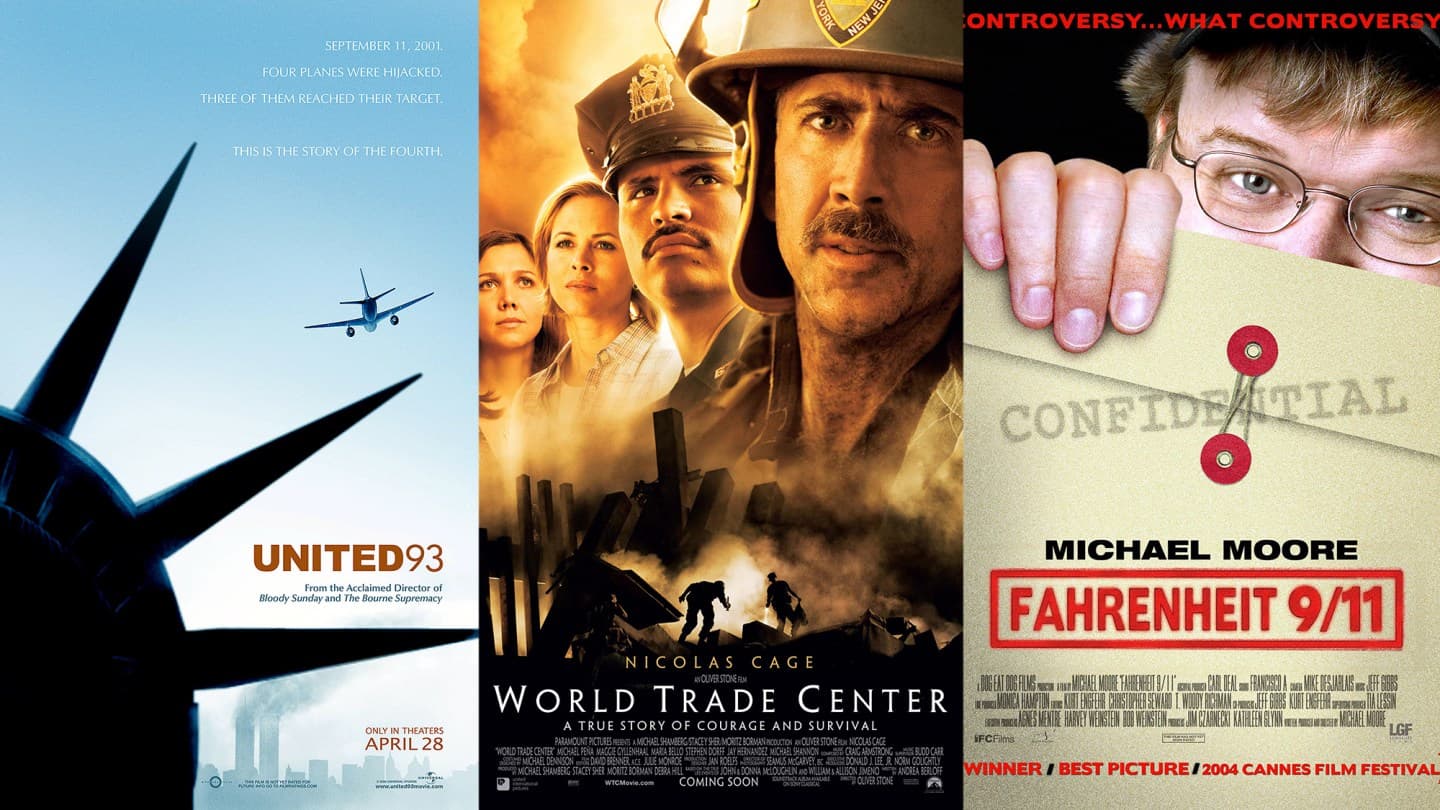
Twenty-five years after the towers fell, Hollywood still hasn't cracked the code. Not for lack of trying, either - studios have circled 9/11 like a nervous waiter hovering near a table he's afraid to approach. There have been intimate indies, solemn docudramas, and at least one movie where Nicolas Cage sprints through the rubble. And yet, ask anyone to name the definitive 9/11 film, and you'll get the same answer every time: a long, uncomfortable pause.
That's a strange thing to sit with. Hollywood has turned nearly every American trauma into a prestige picture - Vietnam, Watergate, the Kennedy assassination, even the Challenger disaster. So why does the defining event of a generation remain cinema's most stubborn blank spot?
The Wound Is Still Open - And the Cameras Know It
Part of the answer is timing, but not in the way people assume. The problem isn't that Hollywood waited too long. It's that the event resists the three-act shape movies are built on. A great film needs a villain with a face, a hero with an arc, and a moment where the audience can exhale. 9/11 gave us none of that. The attackers were dead by the time the smoke cleared. The heroes were firefighters and strangers who did their jobs and went home - or didn't. There's no catharsis built into the story, and audiences can smell manufactured catharsis from a mile away.
Then there's the imagery problem. The footage is already burned into everyone's memory: the planes, the towers, the ash. When a director tries to recreate it, the result tends to feel either exploitative or strangely redundant. You're not showing audiences anything new. You're just reminding them of the worst day of their collective life - and charging them twelve bucks for the privilege.
When Hollywood Did Try, It Tiptoed
The films that did get made mostly approached the subject sideways. United 93 gripped critics by dramatizing the one flight that never reached its target, but it was harrowing in a way that made repeat viewings almost impossible. World Trade Center focused on survival and rescue rather than the bigger picture. Spike Lee's 25th Hour used the aftermath as emotional wallpaper for a story about something else entirely. Even the big prestige swings - the ones with awards-season ambitions - tended to frame 9/11 as a backdrop for grief, not the main event.
And then there's Remember Me, the 2010 romance that famously ended with a twist revealing the lead character was in the towers. That reveal landed with such a thud that it became a cautionary tale about what happens when you use a national tragedy as a plot device. The backlash wasn't really about the movie being bad. It was about the sense that Hollywood had reached for a shortcut to tears, and the audience refused to hand them over.
The Stories That Actually Stuck Went Small
Here's the twist: the best 9/11 storytelling of the past quarter-century didn't happen in theaters. It happened on television, in novels, in podcasts, and in documentaries. Television had the luxury of length - the ability to sit with characters across seasons, to let the day ripple outward instead of compressing it into two hours. Documentaries could simply let survivors and witnesses speak, no dramatization required.
Feature films, by contrast, kept chasing the wrong thing: the day itself. What they should have chased was the decade after, the politics, the paranoia, the way an entire culture rewired itself around fear. A handful of movies gestured at that - Zero Dark Thirty caught the hunt for bin Laden, and Kathryn Bigelow's Detroit showed how skillfully she handles communal trauma. But the definitive 9/11 movie, the one that captures both the Tuesday morning and the twenty years that followed, is still sitting unmade on some studio's shelf.
Maybe that's fine. Maybe some events are too raw for the blockbuster treatment, and the restraint is its own kind of respect. Or maybe the right filmmaker just hasn't come along yet - someone who can hold the horror and the humanity in the same frame without flinching. Until then, Hollywood will keep circling. And audiences will keep giving that long, uncomfortable pause.
Source: The Hollywood Reporter