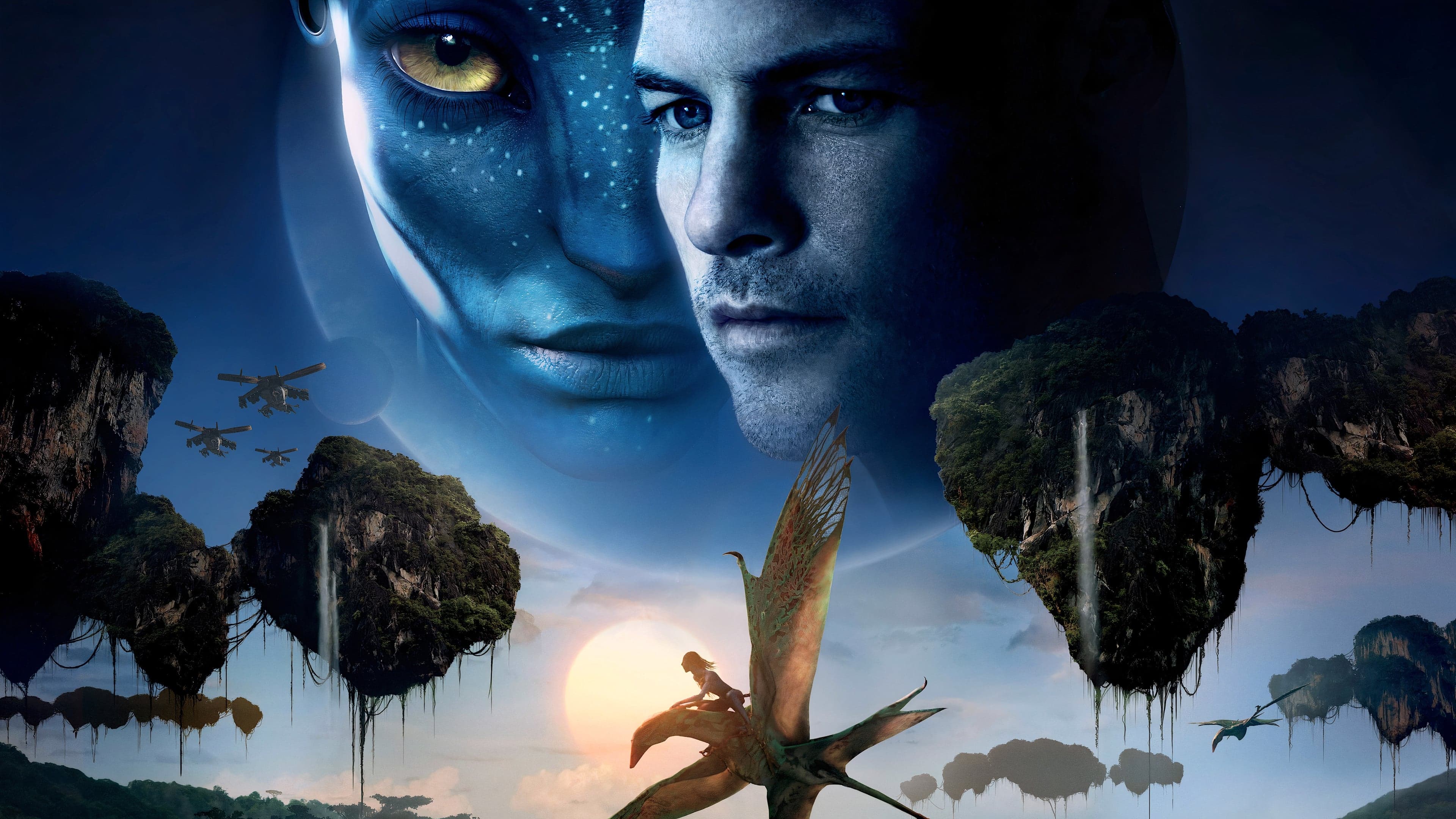
Remember when Hollywood couldn't say the word "AI" without a publicist diving across the room? Yeah, that era appears to be over. According to the head of the visual effects studio behind Avatar, the town has done a full 180 on generative artificial intelligence - and anyone still dragging their feet is already behind.
The Weta FX chief's message to the industry was blunt: if you don't have an AI strategy at this point, don't bother. That's not a whisper from a nervous mid-level exec; it's coming from the top of one of the most respected effects houses on the planet, the New Zealand-born outfit that helped bring Pandora to life for James Cameron. When the people who build the impossible start telling you to get on board, the conversation shifts.
From Pariah to Playbook
It wasn't long ago that mentioning generative AI in a Hollywood boardroom was roughly as welcome as a spoiler at a premiere. Studios tiptoed around the tech while guilds and creatives raised alarms, and the whole subject carried a whiff of existential dread. Fast-forward to now, and the tone has flipped entirely. The Weta FX chief's framing suggests AI has moved from a threat to a checklist item - something every serious production outfit is expected to have an answer for, much like they once had to figure out digital cameras or 3D pipelines.
That's a remarkable turn for an industry that tends to treat new technology the way a cat treats a vacuum cleaner. But the logic is hard to argue with. Visual effects houses are drowning in demand, deadlines never get longer, and budgets only get tighter. Tools that can shave time off the grunt work - rotoscoping, cleanup, early concept visualization - sound less like a dystopian takeover and more like a Tuesday afternoon lifesaver.
What "Strategy" Actually Means
The chief's warning isn't really about loading up on chatbots and calling it a day. In the VFX world, an AI strategy is about knowing where the tech fits into a pipeline and, just as importantly, where it doesn't. Artists still need to do the work that makes audiences gasp. The question is how you use automation to free up human talent for the stuff only humans can do.
That framing quietly pushes back on both extremes of the debate. It dismisses the "AI will replace everyone" panic without endorsing the "AI is a fad, ignore it" complacency. Instead, it lands on a more practical position: the shops that figure out the balance will thrive, and the ones that don't may find themselves bidding on smaller jobs.
For a studio like Weta FX, which has spent decades at the bleeding edge of effects work, that advice carries weight. This isn't a tech influencer with a newsletter. It's a company whose name is synonymous with pushing visual boundaries, and its leadership is essentially telling the rest of Hollywood that the fence-sitting phase is over.
The Town Is Listening - Nervously
Hollywood's new enthusiasm comes with real tension underneath. Generative AI remains a lightning rod in contract negotiations and on set, where crew members worry about job security and creatives guard against their work being swallowed up without credit or consent. The industry hasn't resolved those fights so much as decided it can't afford to pause while they play out.
So expect the next few years to look messy. Studios will roll out AI initiatives while guilds push for guardrails. Directors will embrace the tools on Monday and denounce the excesses on Tuesday. And effects houses will keep quietly building the infrastructure, because the alternative - being the one studio without a plan - is apparently no longer an option.
The Weta FX chief's takeaway is almost refreshing in its lack of hand-wringing. Hollywood has flipped, the message goes, so flip with it or find another business. Whether that's visionary or just survival instinct, one thing's clear: the era of pretending AI isn't in the room is officially done. The only question left is who writes the strategy - and who gets left reading someone else's.
Source: IMDb