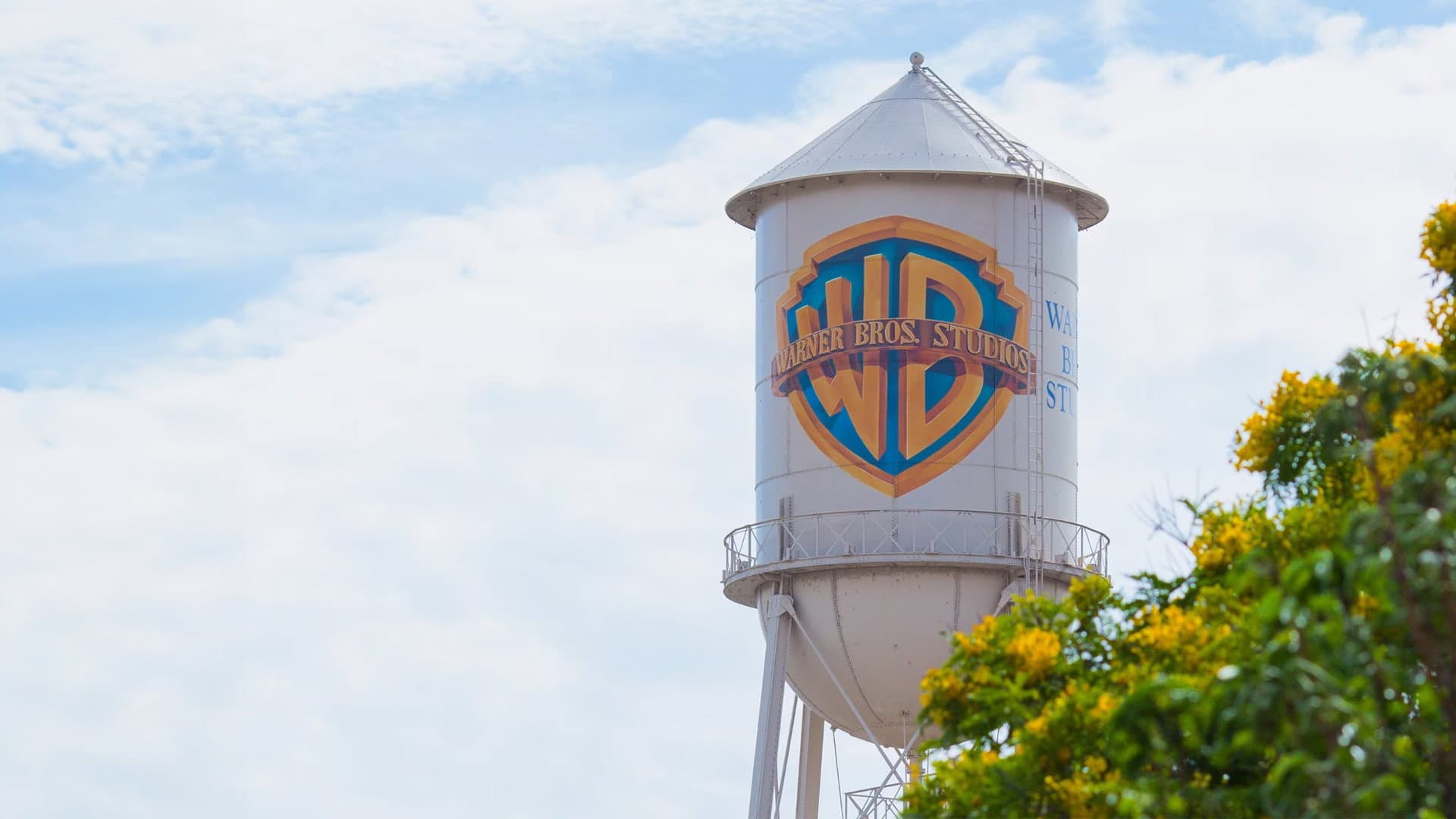
Warner Bros. has been in the movie business for so long that it basically predates the concept of a movie business having a reputation. The studio that gave us Bugs Bunny, Batman, and a barn full of Oscar statues has spent a century shape-shifting from a scrappy family operation into one of the biggest entertainment conglomerates on the planet - and now it's smack in the middle of the streaming wars, trying to figure out what a Hollywood studio even looks like in the 2020s.
The story starts, as so many Hollywood stories do, with brothers. Harry, Albert, Sam, and Jack Warner were Polish-born siblings who got into the exhibition game early, running nickelodeons before the phrase "content pipeline" had been invented. They moved into distribution, then production, and by the time talkies arrived, they had positioned themselves to make one of the loudest noises in cinema history. The Jazz Singer, with Al Jolson's synchronized singing and that famous line about not hearing anything yet, became the moment the industry realized silent films were toast. Warner Bros. didn't just survive the transition - it helped trigger it.
From there, the studio built an identity that's honestly kind of remarkable for how all over the map it was. In the 1930s and '40s, Warner Bros. was the house of gritty social dramas and gangster pictures, the place where James Cagney could shove a grapefruit in someone's face and Humphrey Bogart could mumble his way through a detective story. It was also, simultaneously, the home of some of the most beloved animated characters ever drawn. Bugs, Daffy, Porky, and the whole Looney Tunes crew turned the studio's cartoon division into a cultural institution that outlived the shorts themselves.
The studio that kept reinventing itself
If there's a through-line in Warner Bros. history, it's that the studio has never been precious about what kind of company it is. When the old studio system crumbled, Warner Bros. adapted. When television threatened to kill theaters, it moved into TV production. When blockbusters became the industry's lifeblood, Warner Bros. delivered some of the biggest. The Exorcist scared everyone. Batman turned a comic-book hero into a mainstream movie star. The Matrix made green-tinted sunglasses a global fashion statement. And the Harry Potter films - eight of them, based on J.K. Rowling's novels - became one of the most reliably lucrative franchises in movie history, turning the studio into a destination for kids who grew up wanting a wand and a train platform.
Then came the superhero era, and Warner Bros. found itself sitting on the crown jewels. DC Comics had been part of the family for decades, and the studio eventually built an interconnected film universe around Superman, Batman, Wonder Woman, and friends. The results were scattershot - some entries were celebrated, others were dragged - but the financial stakes kept the studio in the blockbuster conversation year after year.
The streaming era, though, has been the messiest chapter. Warner Bros. found itself under the AT&T umbrella, then got merged into a new entity with Discovery, then rebranded its flagship streaming service more than once, then got shuffled again as corporate priorities shifted. Through it all, the studio kept releasing films in theaters and on its own platform, experimenting with release strategies that made exhibitors nervous and filmmakers vocal. The industry watched Warner Bros. become a case study in how legacy studios try to balance tradition with the brutal economics of subscription streaming.
What a century of Warner Bros. actually means
There's a temptation to treat studio histories as trivia - a list of logos and moguls. But Warner Bros. matters because it's one of the few companies that has been present for basically every major inflection point in American entertainment: the arrival of sound, the rise of the star system, the collapse of the studio system, the blockbuster boom, the home-video revolution, the DVD era, and now the streaming scramble. Very few institutions have survived that many upheavals, and even fewer have remained culturally relevant through all of them.
The studio's current identity is still being written. It has a deep library, a roster of franchises that range from superheroes to wizards to animated rabbits, and a corporate parent that keeps changing its mind about strategy. Whether that adds up to a stable future or another round of restructuring is anyone's guess. But if the past hundred years have taught us anything, it's that Warner Bros. has a habit of sticking around - and occasionally changing the rules of the game while it does.
Source: Moneycontrol.com