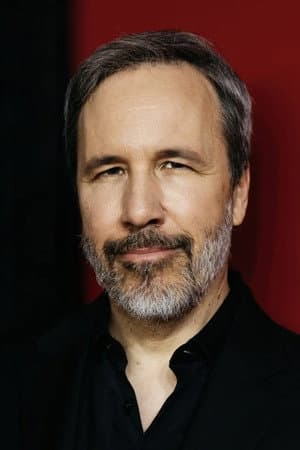
Denis Villeneuve isn't the type of filmmaker who rattles easily. He's the guy who turned a famously "unfilmable" sci-fi novel into a two-part cinematic event, who made a moody, cerebral sequel to Blade Runner decades after the original and somehow didn't get run out of town. So when he looks ahead at the release calendar and sees a certain Marvel juggernaut looming, you'd expect a shrug and a confident grin. Instead, the director is offering something closer to a nervous chuckle, and honestly, it's kind of endearing.
In a new interview, Villeneuve weighed in on Avengers: Doomsday, the next mega-assembly of Earth's Mightiest Heroes, and he didn't mince words about its scale. He called the film "mammoth," a word that feels almost too small for a project that's essentially the gravitational center of the entire Marvel machine right now. The French-Canadian filmmaker admitted he's hoping his own upcoming Dune installment will manage to hold its own when the two inevitably share breathing room at the box office. His exact sentiment, translated simply: he hopes "we will survive."
If that sounds like a man bracing for impact, you can hardly blame him. Villeneuve has spent years building Dune into a prestige blockbuster franchise - the kind of films that earn critical raves, awards-season chatter, and the sort of passionate fanbase that quotes the Litany Against Fear unironically. But going head-to-head with an Avengers movie is a different beast entirely. Marvel's flagship team-ups aren't just movies; they're cultural weather events. They suck up all the oxygen in the room, dominate social media for months, and turn opening weekends into something resembling a national holiday.
The Tale of Two Blockbuster Philosophies
What makes this matchup so fascinating is that it pits two very different ideas of event cinema against each other. On one side, you've got the Marvel approach: interconnected storytelling, a sprawling cast of heroes, and the promise of a crossover so big it needs its own gravitational field. Doomsday carries the added weight of being a pivotal chapter in the studio's ongoing saga, which means expectations are already orbiting the moon.
On the other side sits Villeneuve, a director who treats blockbusters like art-house projects with nine-figure budgets. His Dune films are patient, atmospheric, and unapologetically weird - sandworms and spice and whispered prophecies, oh my. They're the antithesis of the quippy, fast-paced Marvel formula, and that's precisely why audiences have embraced them. There's room for both, in theory. But in practice, when release calendars collide, something's gotta give.
The director's "hope we survive" comment lands somewhere between self-deprecating humor and genuine strategic anxiety. It's the sound of a filmmaker who knows he's built something special and also knows the deck is stacked in a certain mouse-eared direction. Villeneuve has never been shy about his feelings on franchise dominance - he's spoken thoughtfully about the state of cinema and the risk of homogenized blockbusters - so his respect for Doomsday's sheer mass doesn't read as sour grapes. It reads as a realist doing the math.
Why This Matters Beyond the Box Office
For movie fans, though, this isn't just a scheduling headache. It's a real-time experiment in what audiences actually want from their big-screen spectacles. Do they crave the familiar comfort of a universe they've been invested in for over a decade, complete with post-credits teases and multiverse shenanigans? Or are they hungry for something stranger and more singular - a desert epic about power, prophecy, and the terrible things people do in the name of destiny? Ideally, there's enough appetite for both. The theatrical marketplace has been through the wringer lately, and two massive releases duking it out could either expand the pie or split it down the middle.
There's also the question of what "survival" even means here. Villeneuve isn't likely sweating whether his film will turn a profit - Dune has proven itself a bankable property with serious awards pedigree. But cultural dominance is a fickle thing. An Avengers release doesn't just compete for tickets; it competes for conversation. It swallows up headlines, dominates social feeds, and turns casual moviegoers into armchair analysts dissecting every frame of the trailer. A thoughtful sci-fi epic can get lost in that noise, no matter how good it is.
Still, if anyone can weather a collision with the Marvel behemoth, it's the guy who already beat the odds once by making Dune work in the first place. Villeneuve's brand of conviction-driven filmmaking has a way of cutting through. His comments suggest he's not backing down - just acknowledging the size of the wave he's paddling against. That's not defeatism. That's a director who knows exactly what he's up against and is choosing to sail anyway. Whether audiences show up for both, or pick a side in the great sandworm-versus-superhero showdown, will say a lot about where blockbuster cinema is headed next. For now, all we can do is wish the man luck and start mentally preparing our wallets for a very crowded movie season.
Source: NDTV