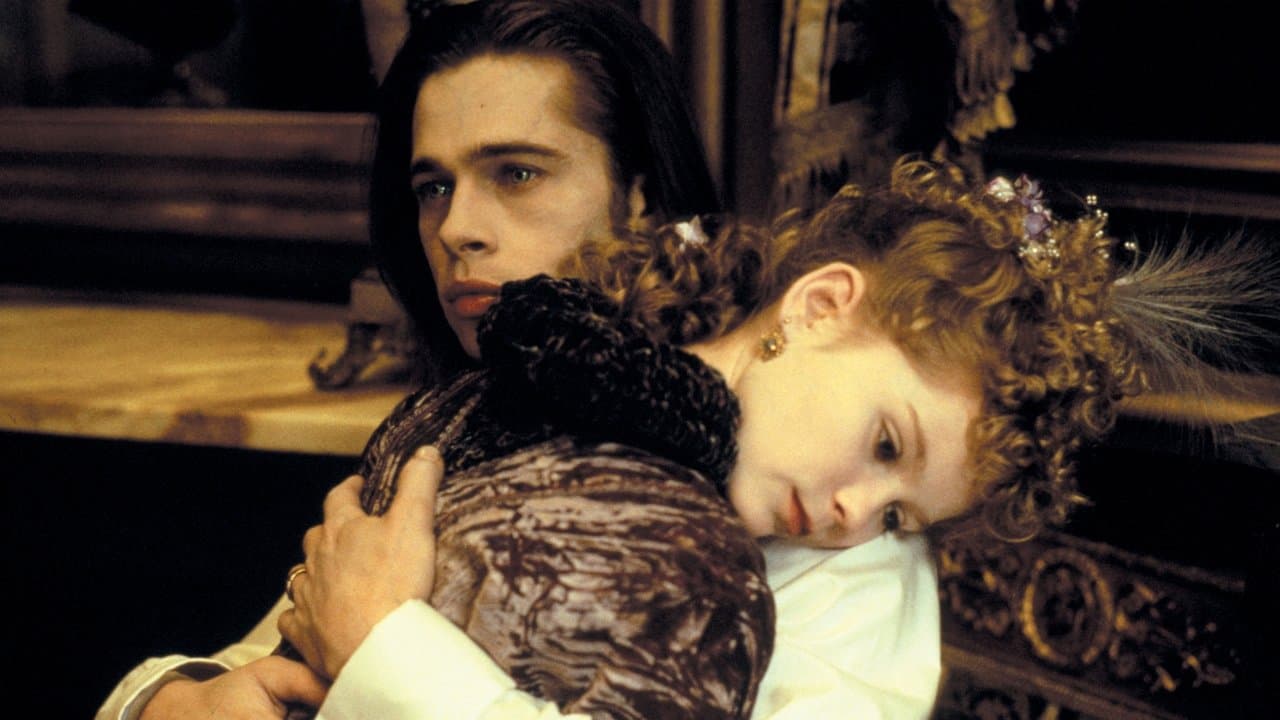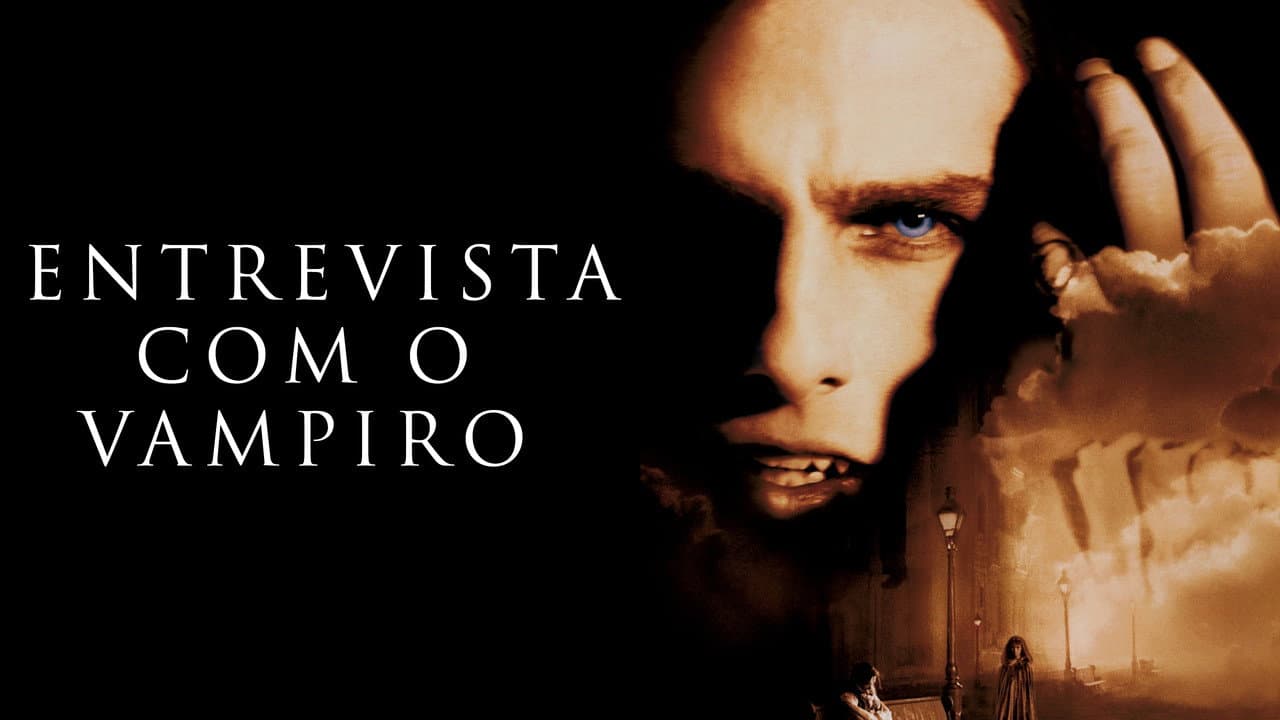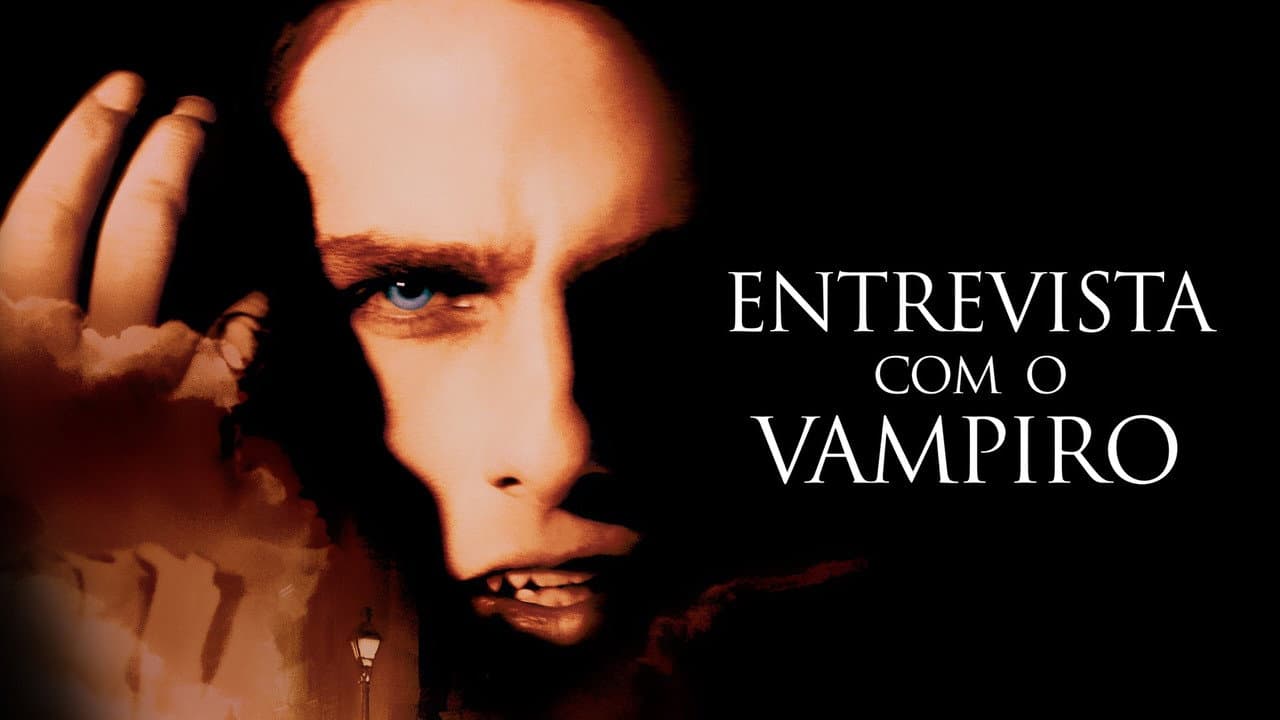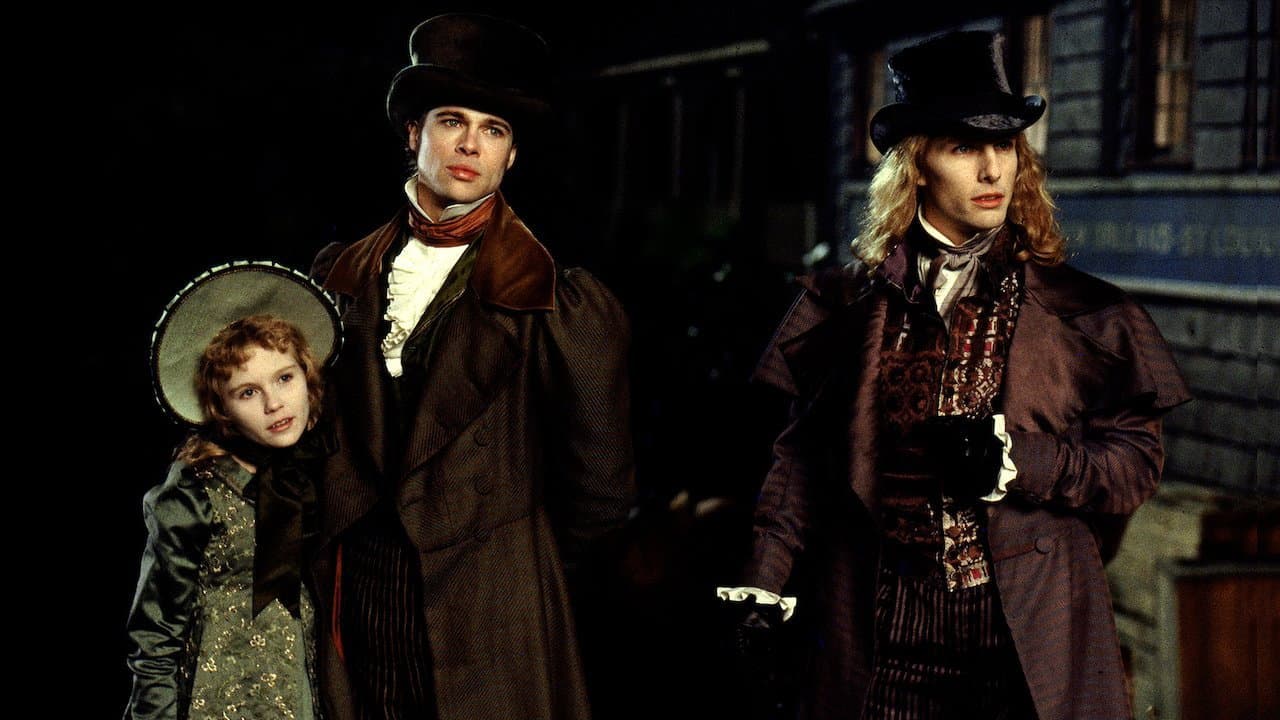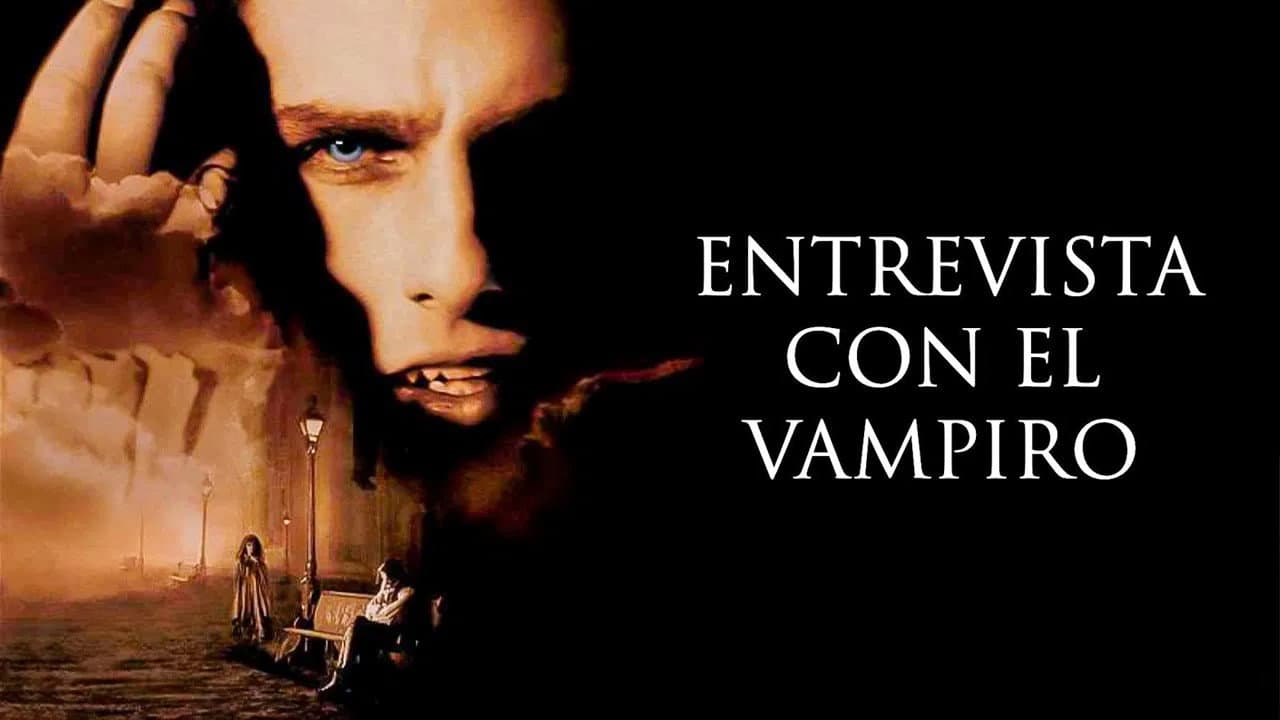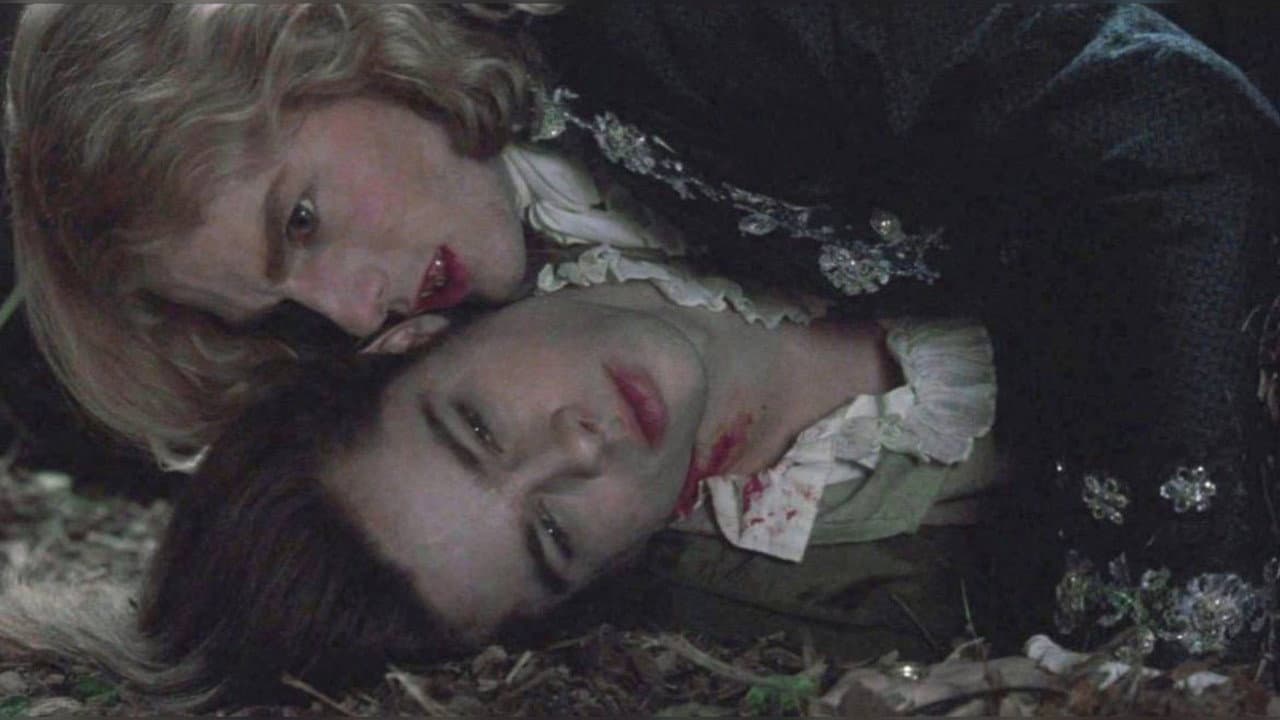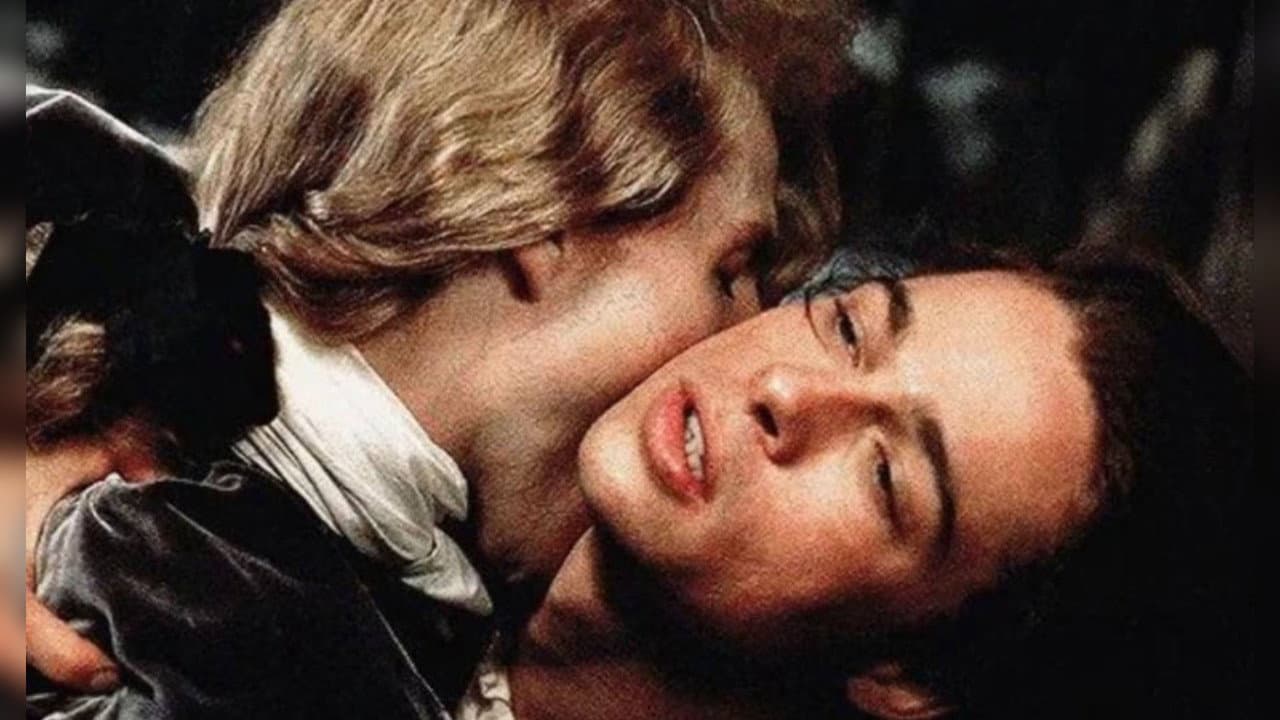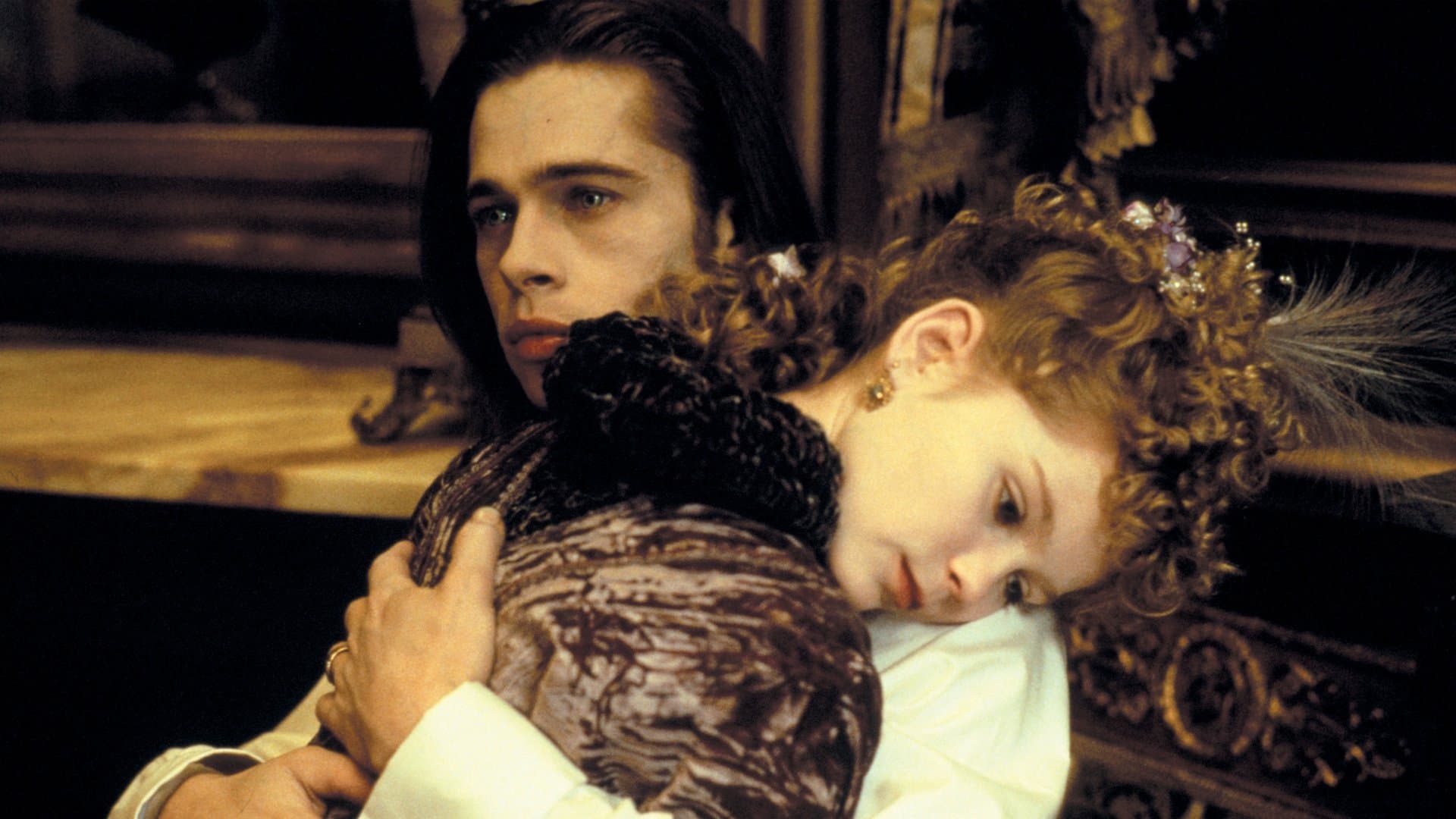
The fangs, the ruffles, the hair - everything about Tom Cruise's transformation into Lestat de Lioncourt in 1994's Interview with the Vampire looked like a career gamble at the time. And according to the actor himself, landing the part was less a glorious moment than an ordeal, with pushback coming from nearly every direction.
In a candid recollection, Cruise described the casting fight as genuinely painful - not because of the makeup chair, but because so many people, including the film's own author, believed he was the wrong man for the job. It's a rare look back at one of the most storied casting controversies of the '90s, and a reminder that even a future global superstar once had to fight for a role that a lot of people thought should have gone to someone else entirely.
A Gothic Epic That Nearly Didn't Get Its Lestat
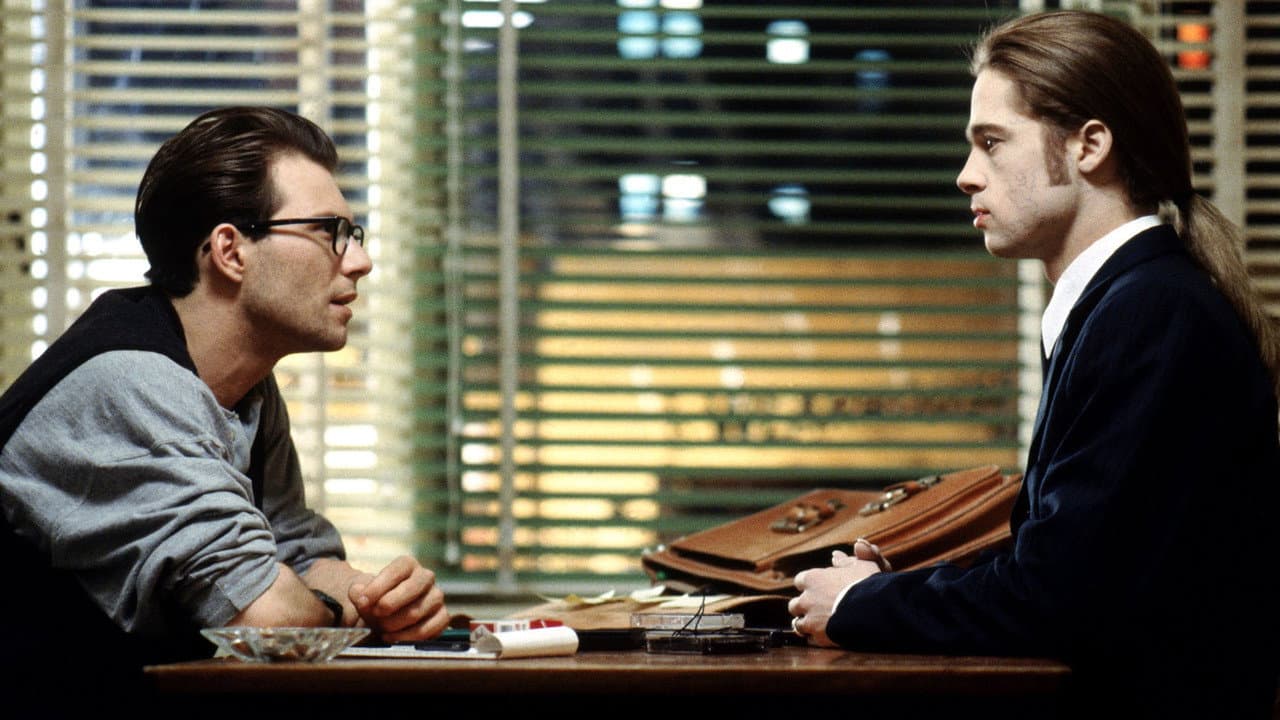
Director Neil Jordan's adaptation of Anne Rice's beloved novel arrived in theaters on November 11, 1994, running 123 minutes and blending horror, drama, and fantasy into a lush, melancholy epic. The story follows a vampire who recounts his centuries-long life - love, betrayal, loneliness, and dark hunger - to an over-curious reporter, played here by Christian Slater as Malloy.
The ensemble around Cruise was stacked: Brad Pitt as the brooding Louis, Antonio Banderas as Armand, Stephen Rea as Santiago, a young Kirsten Dunst as the unforgettable Claudia, Domiziana Giordano as Madeleine, and Thandiwe Newton as Yvette. On paper, it was a dream production. Behind the scenes, the road to filling the lead role was anything but smooth.
Why the Backlash Stung So Much
Coming into the project, Cruise was best known as the all-American hero type - think fighter jets and racetracks, not velvet coats and bloodlust. So when he was announced as the charismatic, morally slippery vampire at the center of a beloved gothic novel, fans of the book revolted. The loudest objection reportedly came from Rice herself, who was famously unhappy with the choice before filming began.
That's the context that makes Cruise's admission so striking. Being doubted by strangers on the internet - or, in 1993 terms, by letter-writing devotees - is one thing. Being doubted by the person who created the character is another level of pressure. Cruise has described the experience as a real blow, and it's easy to see why: he wasn't just stepping into a role, he was publicly auditioning for permission from a fanbase that had already decided he didn't deserve it.
The Performance That Turned the Tide
Here's the part where the story flips. When the movie finally hit screens, Cruise's Lestat proved too magnetic to dismiss - playful, dangerous, and draped in a theatrical menace that felt nothing like his previous work. The film went on to become a defining entry in the era's gothic revival and helped cement Cruise's reputation as someone willing to take strange, risky swings instead of coasting on blockbusters.
Having A-list names like Pitt and Banderas alongside him certainly didn't hurt, and the movie's moody, romantic sheen gave audiences something they weren't used to seeing from any of these actors. The movie holds a 7.386/10 rating on TMDb, a sign that decades later it still has plenty of devoted admirers - the same crowd that once howled at Cruise's casting.
What the Controversy Says About Casting
Looking back from 2026, the whole saga reads like an early warning about the internet's favorite pastime: second-guessing every casting decision before a single frame is shot. Then as now, fans feel a fierce sense of ownership over the characters they love, and the loudest voices often arrive long before anyone sees a performance. Cruise simply got there first - and on a project where the pushback came from the author's own desk.
It also raises a question worth chewing on: how often does an actor's public image work against them in the audition room? Cruise had the range, but audiences hadn't seen it yet. The pain he describes wasn't just about criticism; it was about proving he could be someone else entirely when the entire world had already decided who he was.
For a movie built on the idea that monsters can be seductive, glamorous, and achingly human, the real drama was happening offscreen the whole time. And in the end, the guy the fans didn't want gave them the version of Lestat they couldn't forget - fangs, ruffles, and all.
Source: The Hollywood Reporter