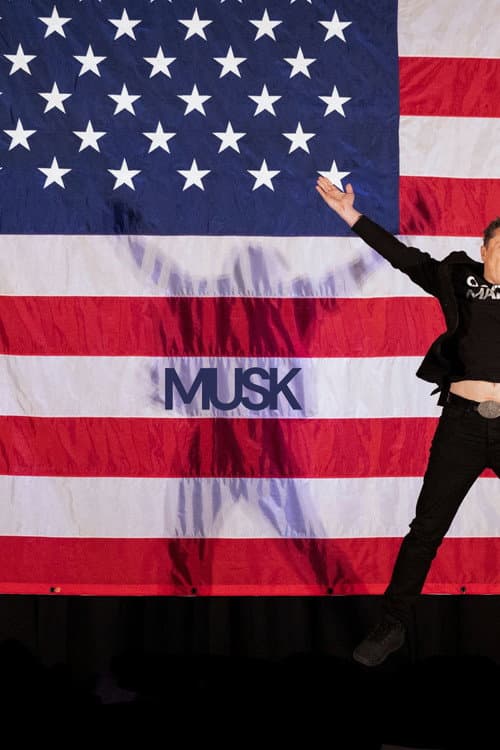
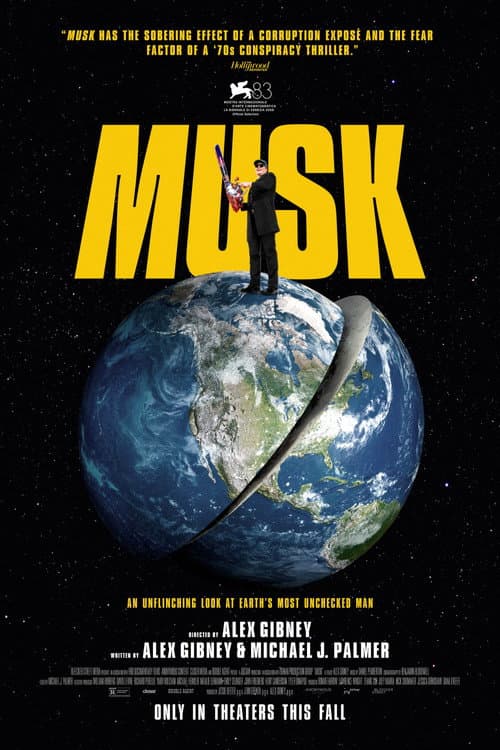
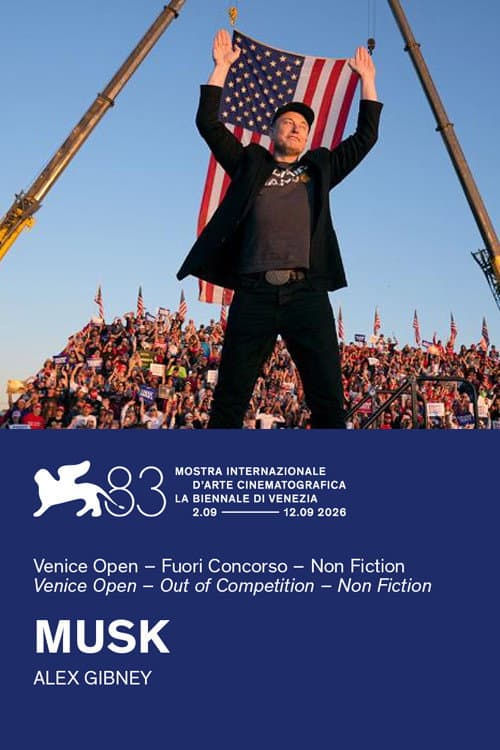
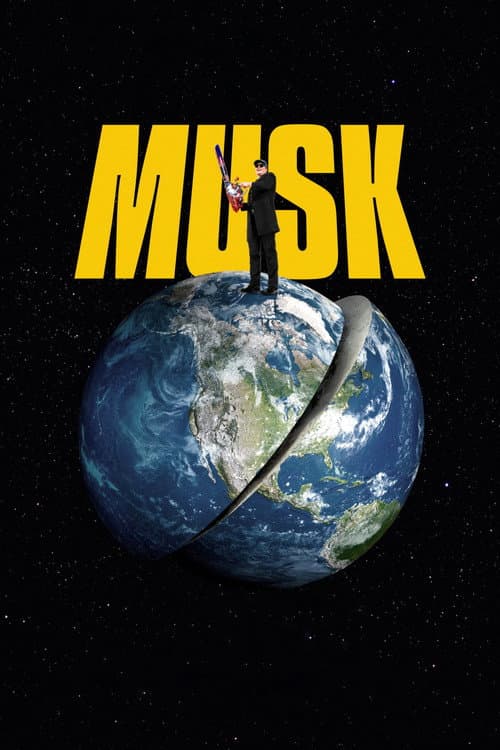
TikTok has permanently banned the account promoting "Musk," Alex Gibney's sprawling new documentary about Elon Musk, and the timing is raising eyebrows across Hollywood. The account was taken down just days after the film's October 9 release, according to an exclusive report, and the filmmakers are now questioning whether the platform's decision was motivated by more than routine moderation. TikTok, for its part, says the ban was about policy violations, not the film's subject matter - a claim the documentary's team is treating with open skepticism.
The optics are, to put it mildly, awkward. A 235-minute deep dive into the world's most influential tech figure lands in theaters, its promotional account gets the boot from one of the largest social platforms on the planet, and audiences are left to wonder what, exactly, triggered the removal. Suppression fears don't come out of nowhere when the person being profiled happens to be one of the most-followed, most-volatile figures in digital media. Whether you see the takedown as standard platform hygiene or something more calculated probably depends on where you stand on Musk - and that's precisely the problem.
What We Actually Know
The facts, for now, are thin on the ground. The account promoting "Musk" was banned permanently rather than suspended, which is the platform's harshest enforcement tool short of a full device-level block. Permanent bans typically follow repeated violations or a single egregious one, though TikTok hasn't publicly detailed what specific rule was broken. The filmmakers reportedly pushed back hard, arguing that promotional content for a documentary should fall squarely within normal usage. TikTok has denied that the film's content or its famous subject played any role in the decision.
That denial is doing a lot of heavy lifting. It's worth remembering that platform moderation is a black box even on a good day - appeals get lost, automated systems misfire, and context frequently goes out the window. A permanent ban on a movie promo account is unusual, but “unusual” isn't the same as “sinister.” Still, when the movie in question is explicitly designed to scrutinize a powerful figure, and the takedown arrives during its opening week, the burden of explanation shifts to the platform. So far, TikTok hasn't offered much beyond the standard line.
The Documentary Itself
"Musk" landed in theaters on October 9, and it is not a quick sit. Clocking in at 235 minutes - nearly four hours - Gibney's film is an expansive, English-language Hollywood production that digs into the legend of the man behind Tesla, SpaceX, and a whole lot of chaos. Gibney, of course, is no stranger to uncomfortable subjects; he's built a career on documentaries that poke at power, and this one assembles an impressive roster of voices to do the poking.
The cast list reads like a who's-who of people with complicated feelings about Musk. It features Elon Musk himself via archive footage, along with his first wife Justine Musk, Ashley St. Clair, journalist Kara Swisher, Tesla co-founder Martin Eberhard, reporter Zoë Schiffer, and AI pioneer Geoffrey Hinton. That's a lineup heavy on insiders, ex-insiders, and chroniclers who have watched the Musk story up close - exactly the ingredients for a documentary that isn't interested in hagiography.
Notably, the film's TMDb rating currently sits at 0/10, which reflects the absence of aggregated audience scores rather than any actual verdict on quality. A four-hour documentary in its opening week is a niche proposition, and ratings often lag for films with limited release footprints. In other words, don't read anything into the zero - it's a placeholder, not a review.
Why the Ban Matters Beyond One Movie
Here's the bigger-picture worry: if a promotional account for a major documentary can vanish permanently, what does that mean for smaller films, independent voices, or anyone whose subject matter brushes against controversy? Platform enforcement policies are written broadly enough that almost anything can be swept up, and the appeals process is famously unforgiving. Filmmakers already fight uphill battles for attention in a crowded release calendar; losing access to a major distribution channel during launch week can genuinely hurt a movie's reach.
The filmmakers' camp is framing this as a suppression concern, and it's easy to see why. Whether or not TikTok's decision was content-driven, the perception alone is damaging - and for a documentary whose entire purpose is to interrogate influence and power, getting yanked from an algorithm-driven platform carries a certain irony that practically writes itself. For now, the ban stands, the explanations remain thin, and audiences will have to seek out "Musk" the old-fashioned way: in theaters, where it opened October 9. Whether the account ever comes back is a question only TikTok can answer - and so far, it's not saying much.
Source: The Hollywood Reporter