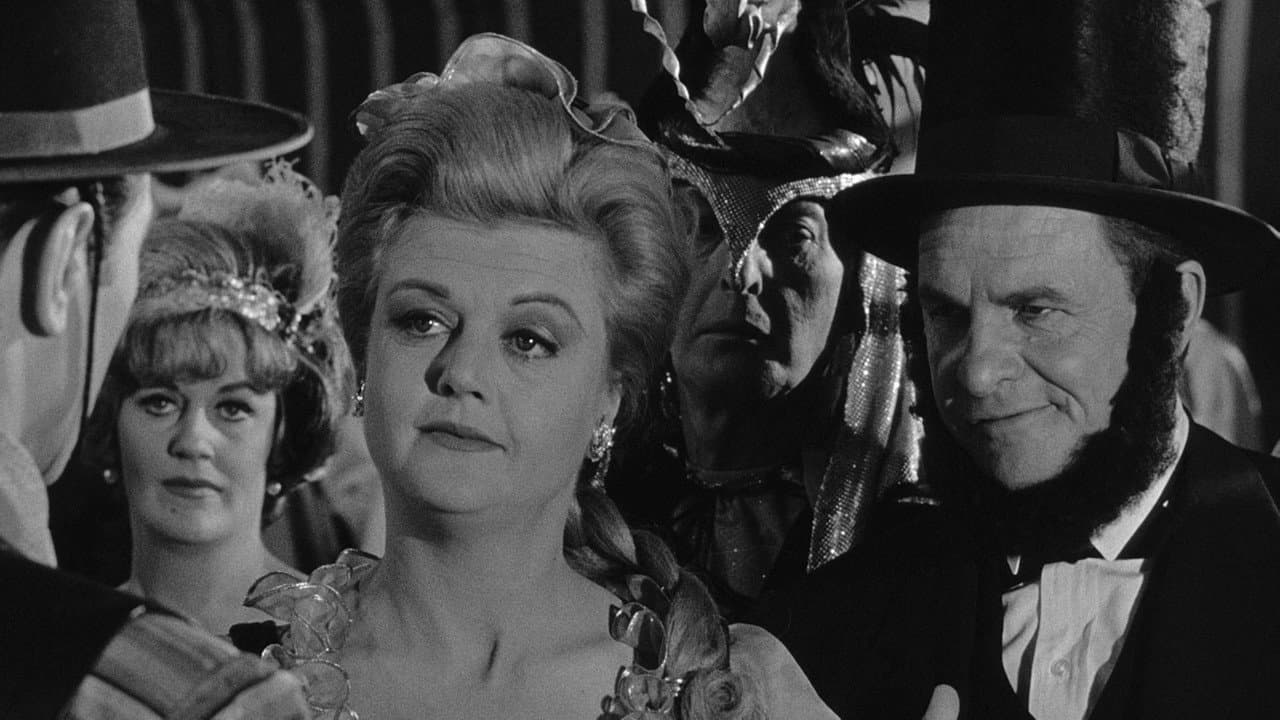
Hollywood has lost another one of its golden-era gems. Leslie Parrish, the actress best known for her roles in Li’l Abner and the politically charged classic The Manchurian Candidate, has passed away at the age of 90. While she may not have been a household name in the way some of her co-stars were, her filmography is dotted with memorable turns that cemented her place in pop-culture history.
Parrish’s death marks the end of an era for fans of classic cinema, particularly those who hold a special place in their hearts for the strange, paranoid thrillers of the early ‘60s. Her work in The Manchurian Candidate remains a touchstone for cinephiles, a film that has only grown in reputation over the decades since its release.
A Career of Contrasts: From Broadway to Brainwashing
Parrish’s path to the screen was anything but typical. She first made waves on Broadway, but it was her transition to Hollywood that brought her into the orbit of some of the most iconic productions of the mid-20th century. Before the serious, psychological intensity of The Manchurian Candidate, she was part of the vibrant, musical world of Li’l Abner (1959), based on the beloved comic strip. That film was pure, Technicolor escapism - a far cry from the dark, conspiratorial corridors of power she’d soon inhabit.
That versatility was her superpower. She could bounce from bubbly musical numbers to dead-serious drama without missing a beat. In The Manchurian Candidate, she played Jocelyn Jordan, the daughter of a senator played by John McGiver. Jocelyn’s romance with the troubled hero, Bennett Marco (Frank Sinatra), serves as a rare sliver of warmth in a movie that otherwise chills you to the bone. Her performance offered a grounding human element amidst the escalating madness of brainwashing and political assassination plots.
The Film That Defines Her Legacy
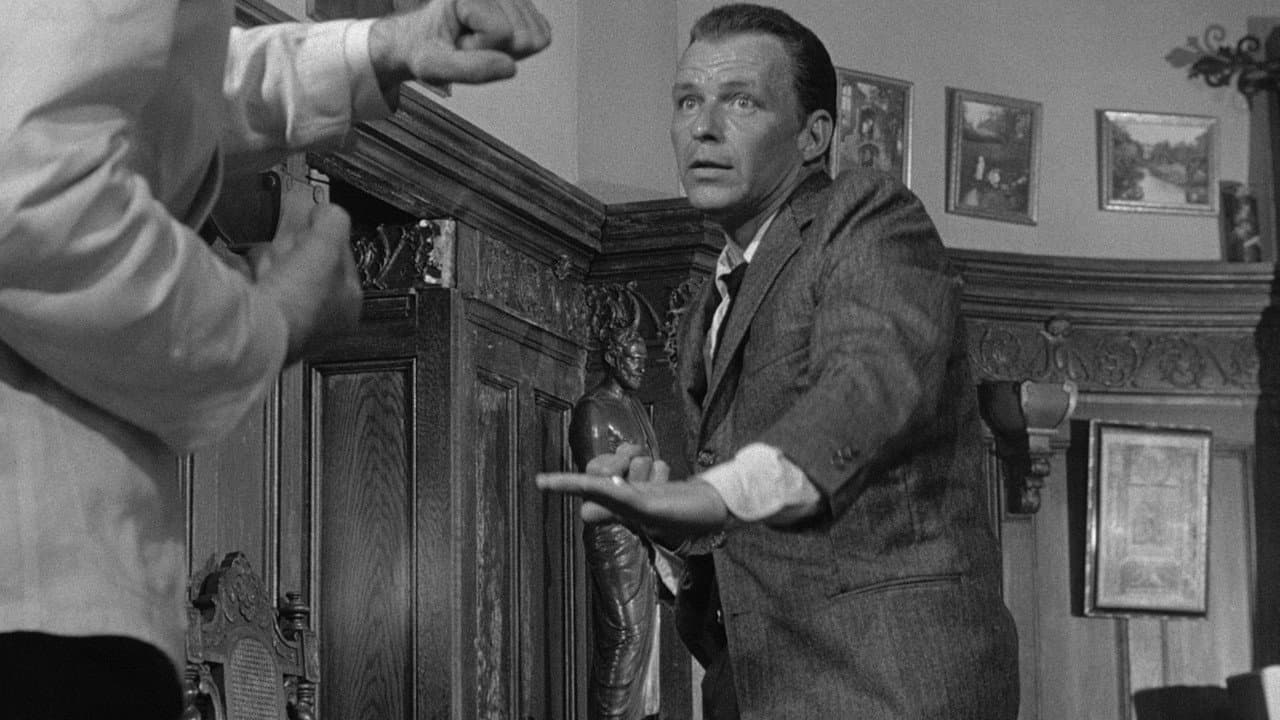
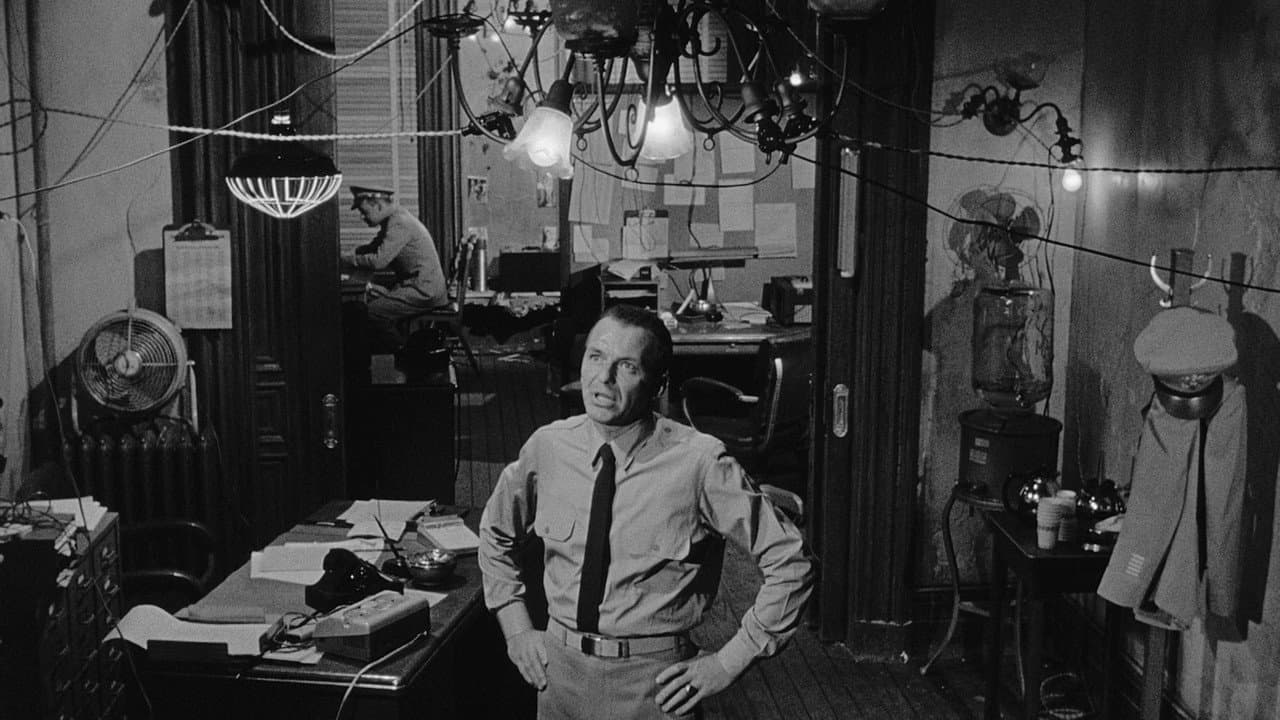
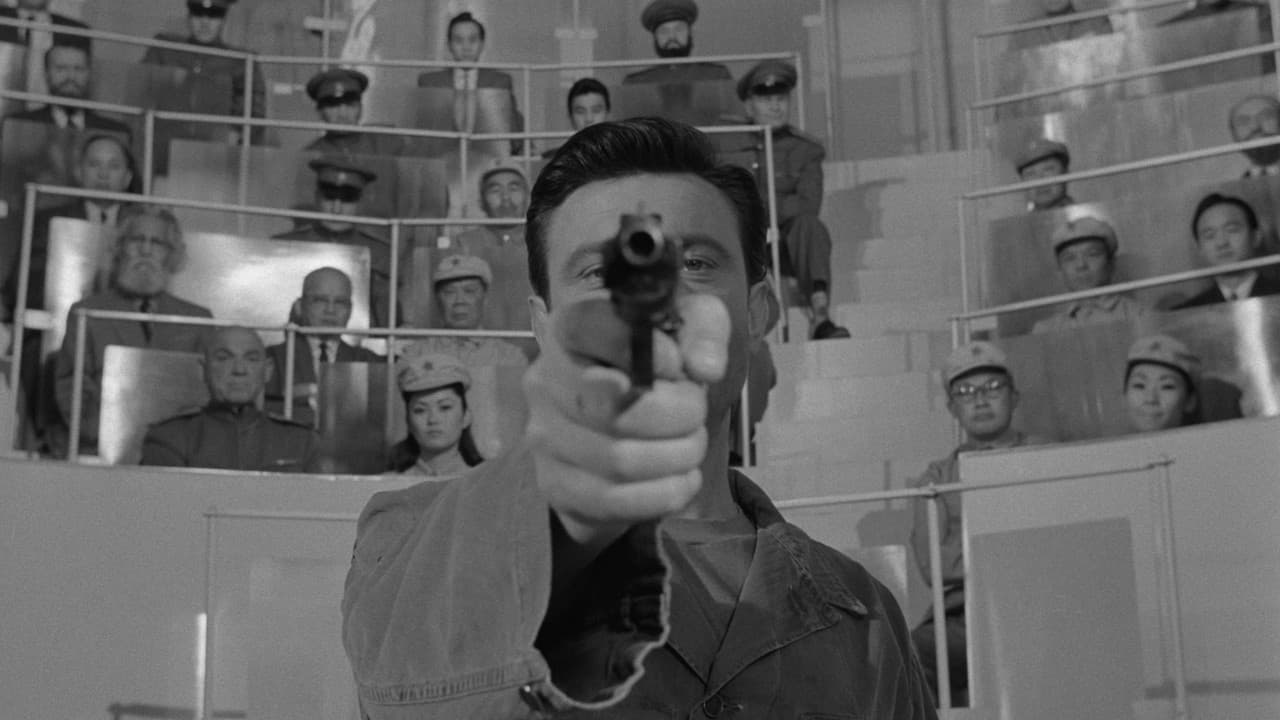
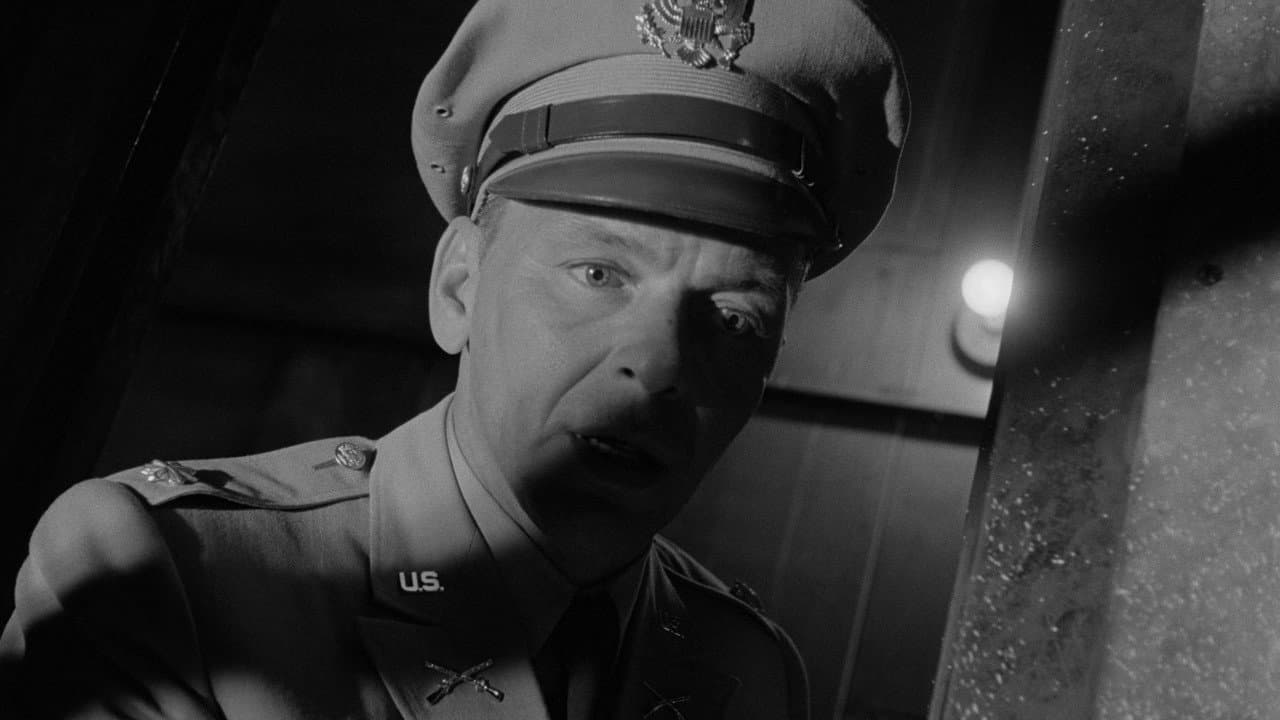
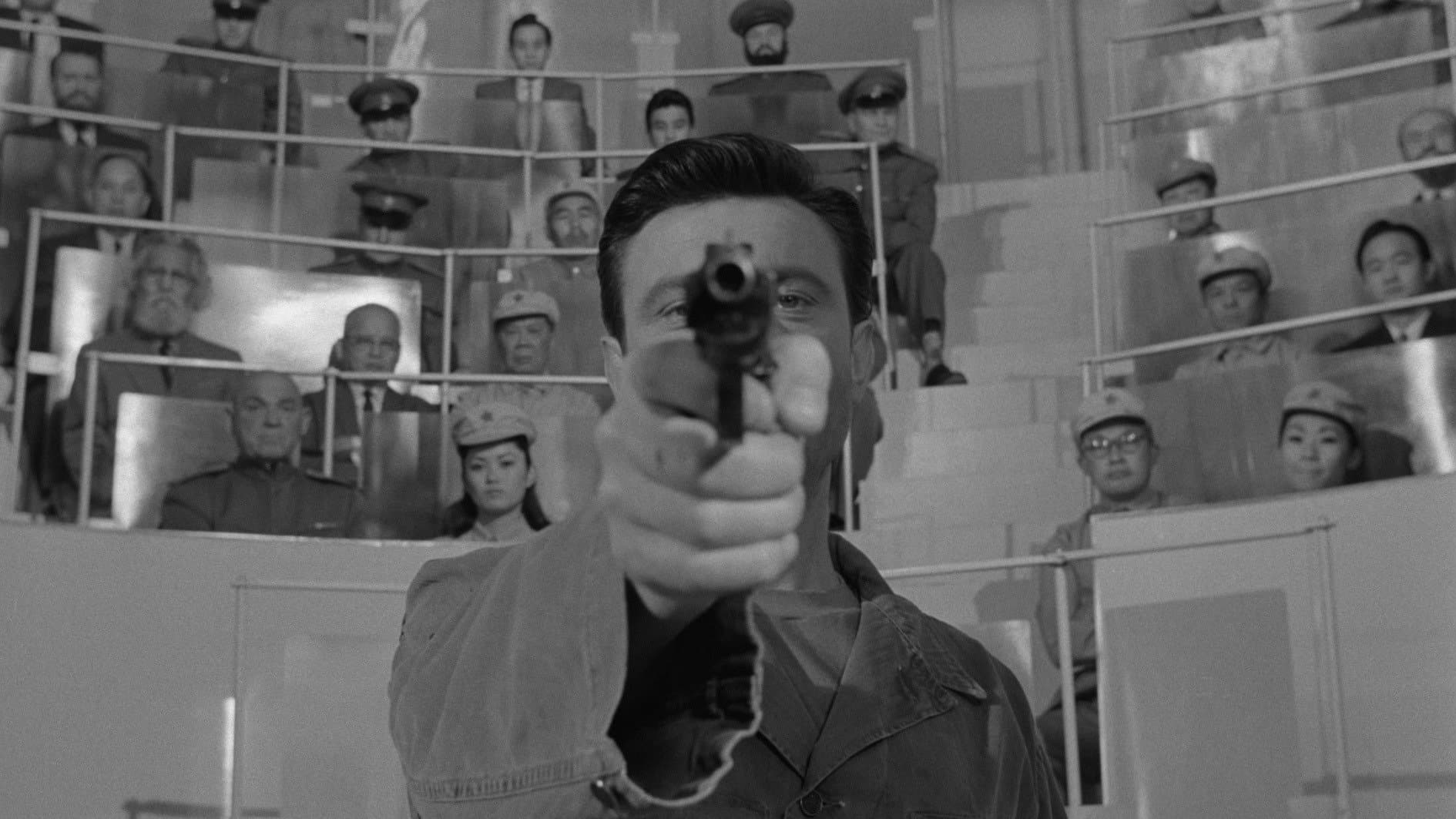
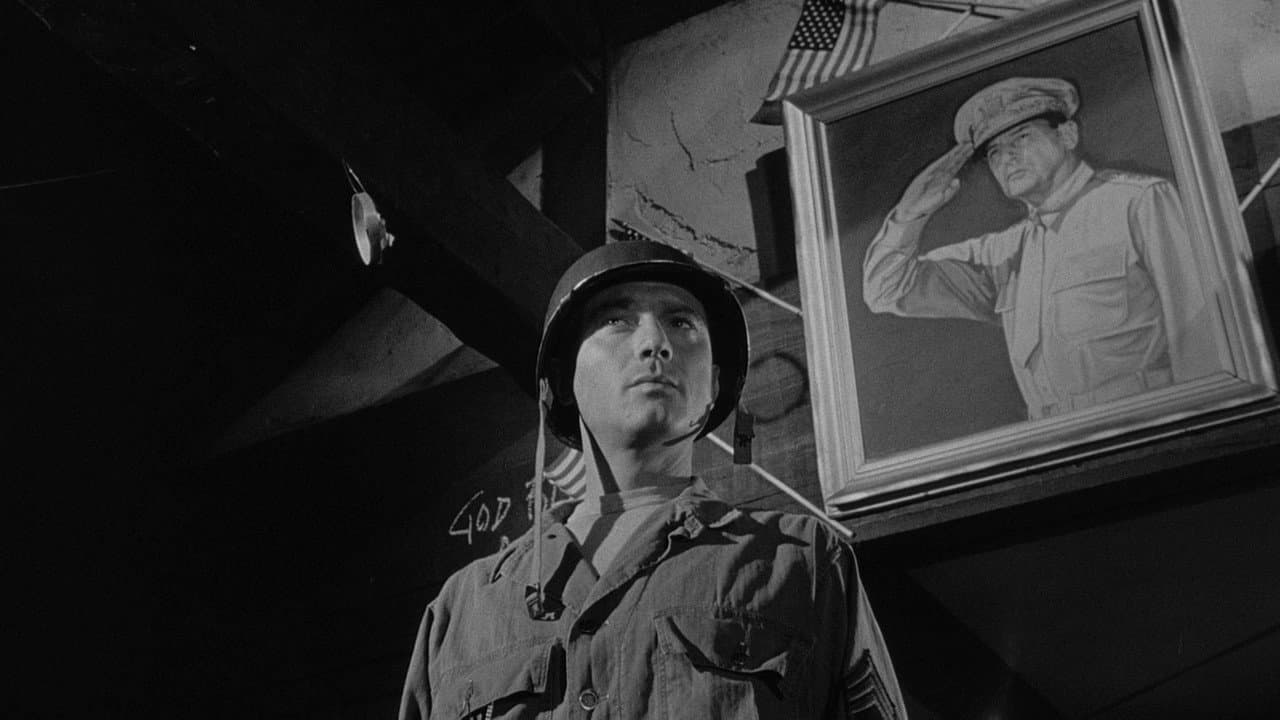
It’s impossible to talk about Parrish’s legacy without diving deep into The Manchurian Candidate, a film that remains as unnerving and relevant today as it was in 1962. Directed by John Frankenheimer, the picture tells the story of a U.S. Army platoon captured during the Korean War and brainwashed by communist forces. Upon their return, Sergeant Raymond Shaw (Laurence Harvey) is hailed as a war hero, but the platoon’s commander, Captain Bennett Marco, starts suffering from terrifying nightmares that hint at a much darker reality.
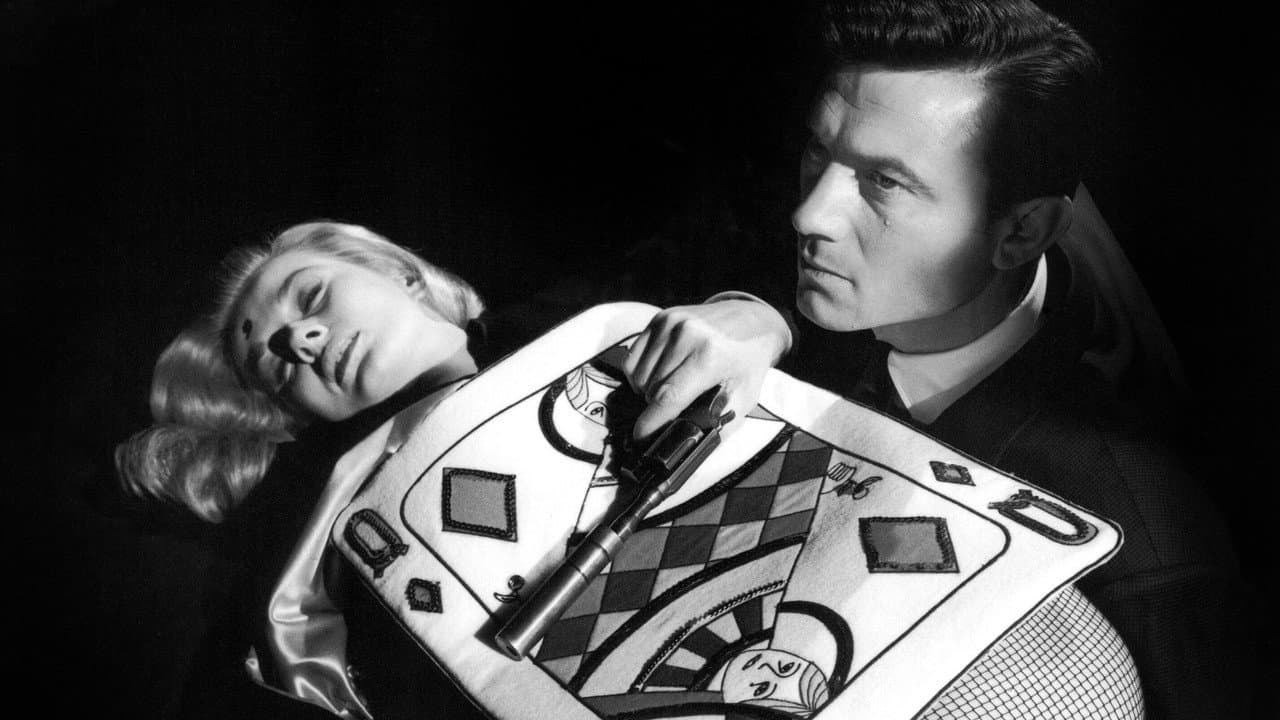
As Marco investigates, he uncovers a sinister plot that reaches the highest levels of American politics. The cast is a murderer’s row of talent: Sinatra anchors the film with a gritty, unhinged performance, while Laurence Harvey is perfectly cold and detached as Shaw. And then there’s Angela Lansbury, absolutely terrifying as the manipulative Mrs. Iselin, a role that shocked audiences who knew her from lighter fare. It’s a testament to the film’s power that, even at number seven on the call sheet, Parrish’s contribution helps glue the narrative together. The movie’s stellar 7.5/10 rating on TMDb only scratches the surface of its impact; it’s a bona fide masterpiece of the thriller and drama genres, with a runtime of 126 minutes that flies by thanks to Frankenheimer’s taut direction.
More Than Just The Manchurian Candidate
While The Manchurian Candidate is her most enduring film credit, Parrish’s career wasn’t a one-hit wonder. She was a familiar face on television throughout the ‘60s and ‘70s, popping up in shows that defined the era. But for many, her legacy is defined by that constant presence - the reliable actress who could elevate any scene. For those who grew up watching her, she represents a certain kind of Hollywood professionalism that’s become increasingly rare.
The news of her passing has prompted a wave of tributes from film historians and fans who recognize the importance of her work in one of cinema’s greatest conspiracy thrillers. She was a witness to a golden age of filmmaking, and her performances offer a time capsule back to a moment when movies were simultaneously more naive and more daring.
Parrish’s death is a poignant reminder of the mortality of the artists who shaped our cultural landscape. As we revisit her films, we keep her spirit alive. Rest in peace, Leslie. The nightmares are over, but the stories remain.
Source: The Hollywood Reporter