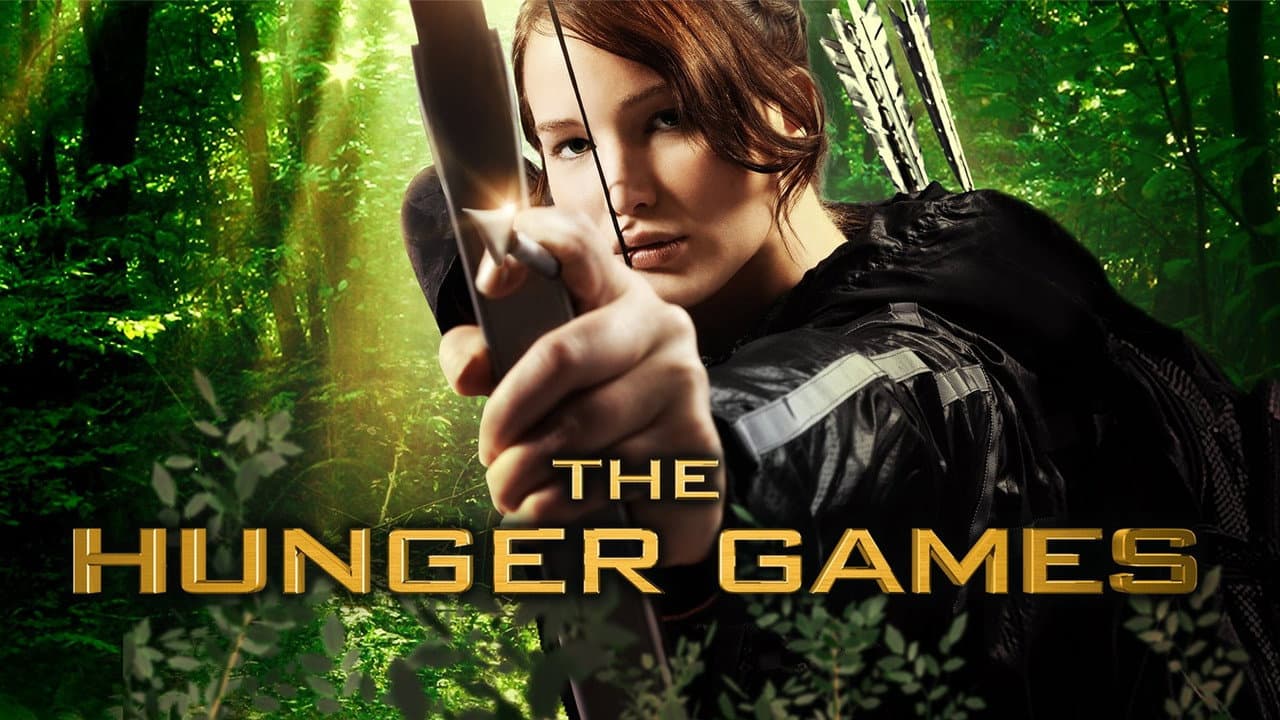
The Capitol may have moved on, but Hollywood clearly hasn't. As a fresh chapter in the Hunger Games saga arrives in theaters this holiday season, the conversation around it has less to do with Katniss and more to do with us - specifically, whether audiences are finally getting fatigued by the endless revival of beloved franchises. It's a question worth asking, because the original film, released back on March 12, 2012, wasn't just a hit; it was a genuine cultural reset.
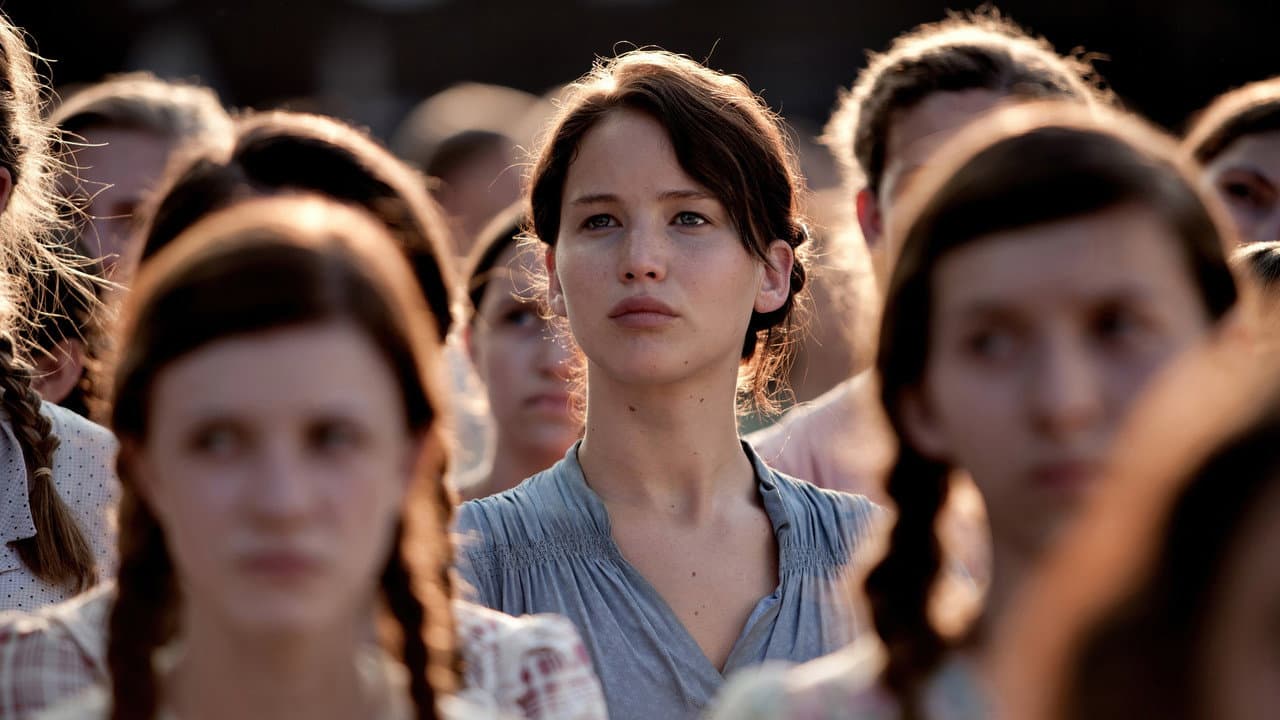
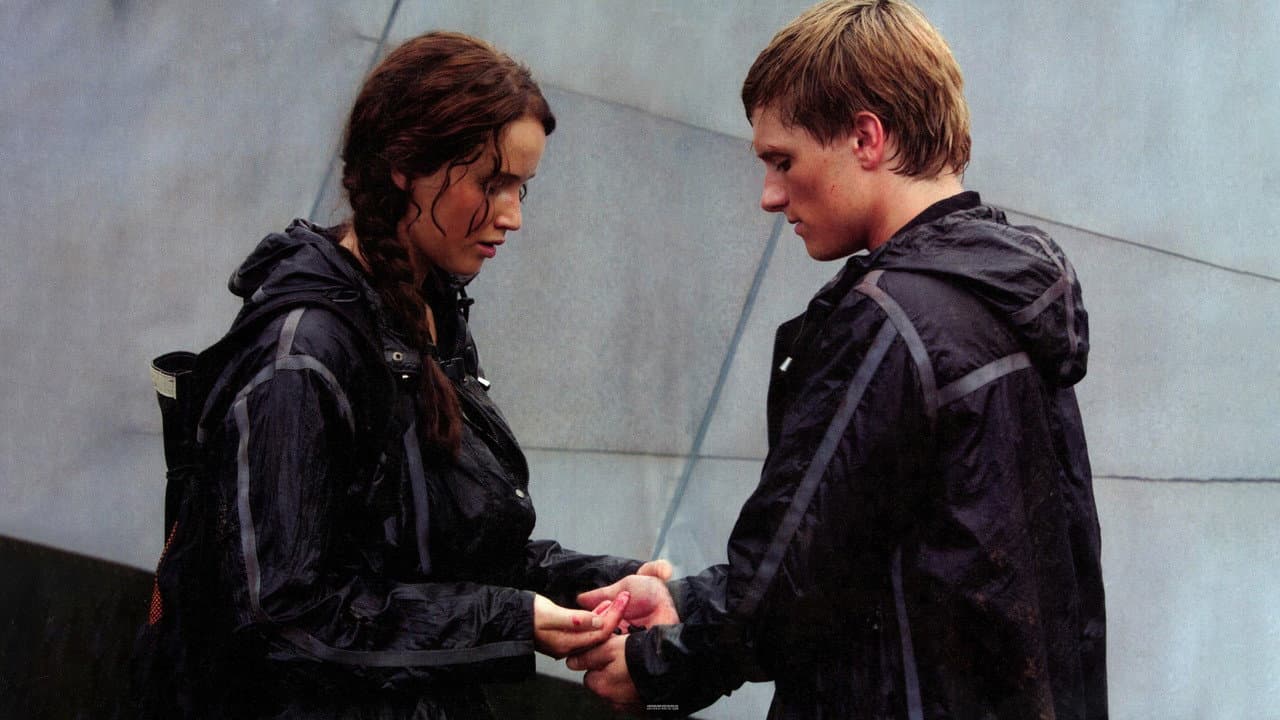
Directed by Gary Ross and adapted from Suzanne Collins' blockbuster novel, that first movie dropped us into a dystopian society where the Capitol forces each district to hand over two young tributes to battle to the death in a televised spectacle. Jennifer Lawrence's Katniss Everdeen volunteers to take her younger sister's place, and a survival story instantly became a defiance story. The film ran 142 minutes, landed a 7.227 rating on TMDb and a 7.2 on IMDb, and cemented Lawrence as a bona fide movie star. Josh Hutcherson's Peeta, Woody Harrelson's perpetually hungover Haymitch, Elizabeth Banks' gloriously absurd Effie Trinket, Lenny Kravitz's quietly soulful Cinna, Stanley Tucci's scene-stealing Caesar Flickerman, Donald Sutherland's chilling President Snow - the cast was a murderer's row before anyone was calling it that.
The Nostalgia Engine Is Running Hot
So why does a new entry in this world feel less like an event and more like a test case? Because Hollywood has spent the better part of a decade mining its own back catalog, and the results are getting mixed. For every revival that reconnects with something real, there's another that feels like a spreadsheet decision. The Hunger Games franchise occupies an interesting middle ground. It's a genre - science fiction, adventure, action, thriller - that practically demands spectacle, and the original film earned its place by pairing that spectacle with genuine emotional stakes. Katniss volunteering for Prim is one of those movie moments that sticks, and no amount of marketing can manufacture that organically.
That's the crux of the Celebritology question: does the new movie suggest the nostalgia obsession is wearing thin, or does it simply prove that some properties still have gas left in the tank? The honest answer is that both things can be true. A revival only works when it has something to say beyond "remember this?" The first film had a populist fury to it - a story about a system that devours its young for entertainment - that resonated long before dystopia became a studio's favorite flavor. If the new chapter trades that anger for fan service, audiences will sniff it out fast. If it finds a fresh angle, the naysayers will quiet down in a hurry.
What the Original Got Right
It's worth remembering what made 2012's Hunger Games such a phenomenon. Gary Ross kept the camera jittery and intimate, the production design leaned into the Capitol's grotesque excess, and Lawrence anchored everything with a performance that was all clenched jaw and wounded eyes. It wasn't a perfect film, but it was a committed one. The supporting players understood the assignment, too - Harrelson brought warmth to a character who could have been a punchline, and Sutherland gave the villain a silky menace that made the stakes feel real.
That's the bar any new installment is measured against, fairly or not. Nostalgia isn't the enemy here; laziness is. Moviegoers will happily return to a world they love, but they want a reason to. They want the new film to justify its own existence, not just remind them of the old one. The franchise's track record suggests it can pull that off - but the broader trend of revived properties has been uneven enough to keep expectations cautious.
Whether this new Hunger Games entry is a tonic or a symptom probably won't be settled by opening weekend alone. What's clear is that the conversation itself has shifted. Audiences are more skeptical of revivals, quicker to ask what's the point, and slower to hand over their nostalgia for free. That's not a bad thing. It might even be the pressure Hollywood needs to stop treating its back catalog like an ATM and start treating it like a story worth telling again. May the odds be ever in the filmmakers' favor - because this time, the audience is watching a lot more closely.
Source: The Washington Post