Godfather Part II: Epic Sequel Review & Legacy
Director
Francis Ford Coppola
Language
EN
Release
1974-12-20
Runtime
202 min
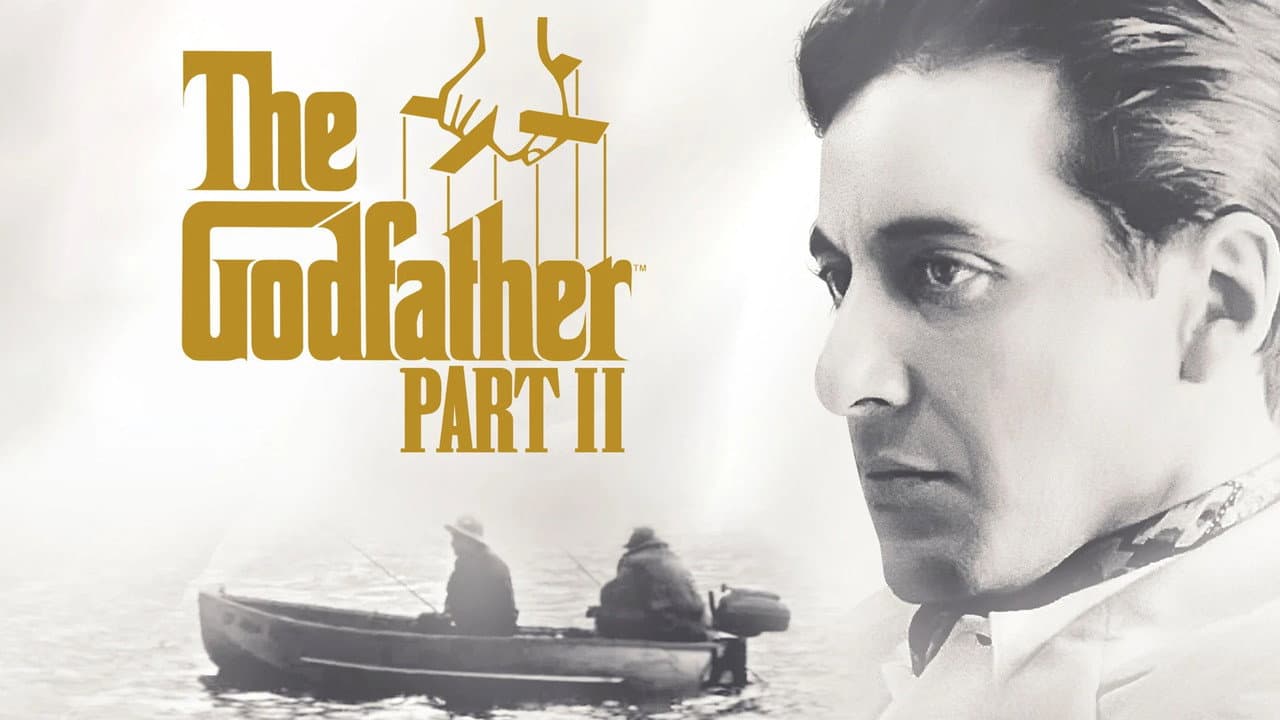
Dive into The Godfather Part II (1974), Coppola's masterful sequel. Explore Michael's rise, Vito's origin, and why it remains a cinematic triumph.
Fifty years ago, Hollywood had a pretty simple rule about sequels: you don't make them, and if you do, you certainly don't make them good. Sequels were cheap cash grabs, quick follow-ups designed to milk a hit for whatever was left in the tank. Then Francis Ford Coppola came along, looked at the greatest crime drama ever made, and decided the only way to follow it up was to make something even bolder, even darker, and even more ambitious. The Godfather Part II, released on December 20, 1974, didn't just break that rule - it incinerated it, and the ashes still shape how studios approach franchise filmmaking today.
At its core, the film is a massive, 202-minute gambit that refuses to give audiences what they think they want. Instead of simply continuing Michael Corleone's story, Coppola braided two timelines together: the rise of a young Vito Corleone in 1910s New York and Sicily, and Michael's cold, calculated expansion of the family empire into Las Vegas, Hollywood, and Cuba in the 1950s. It's not a sequel that repeats the hits - it's a sequel that recontextualizes everything you thought you knew about the first film. That structural ambition alone was unheard of. You weren't just watching a follow-up; you were watching a double-edged tragedy unfold in parallel.
The Acting Was a Masterclass in Duplication
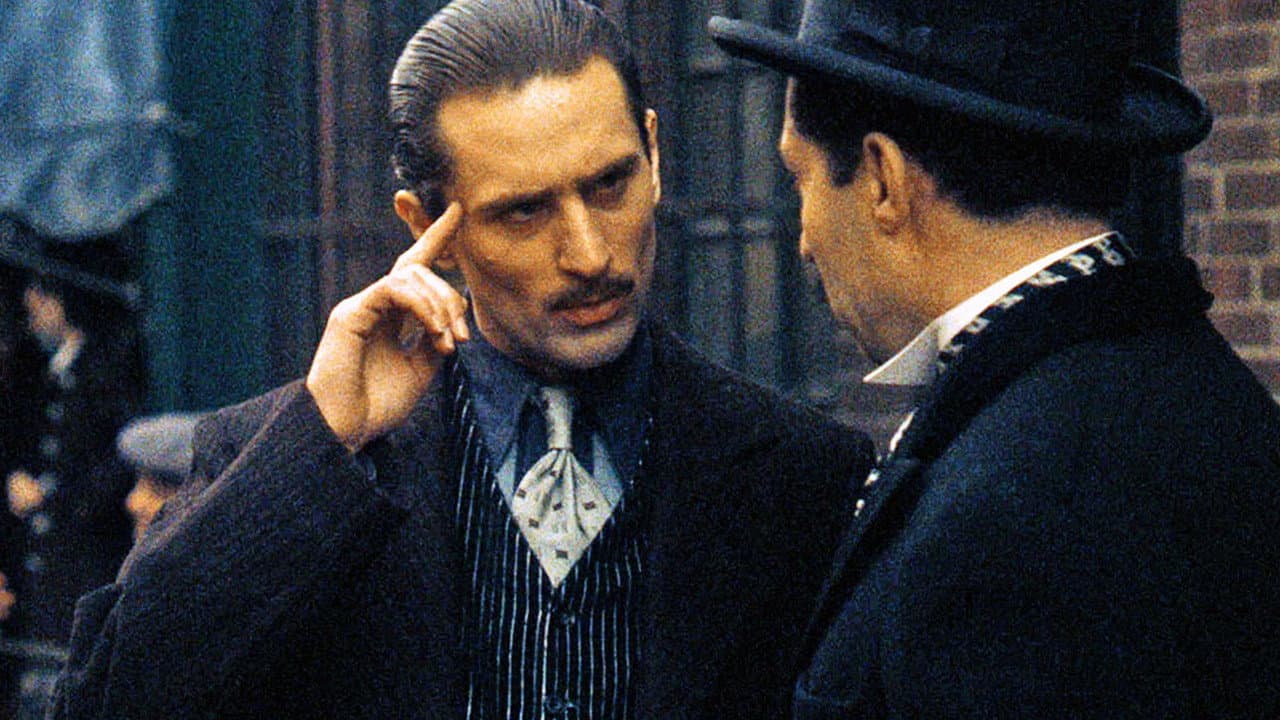
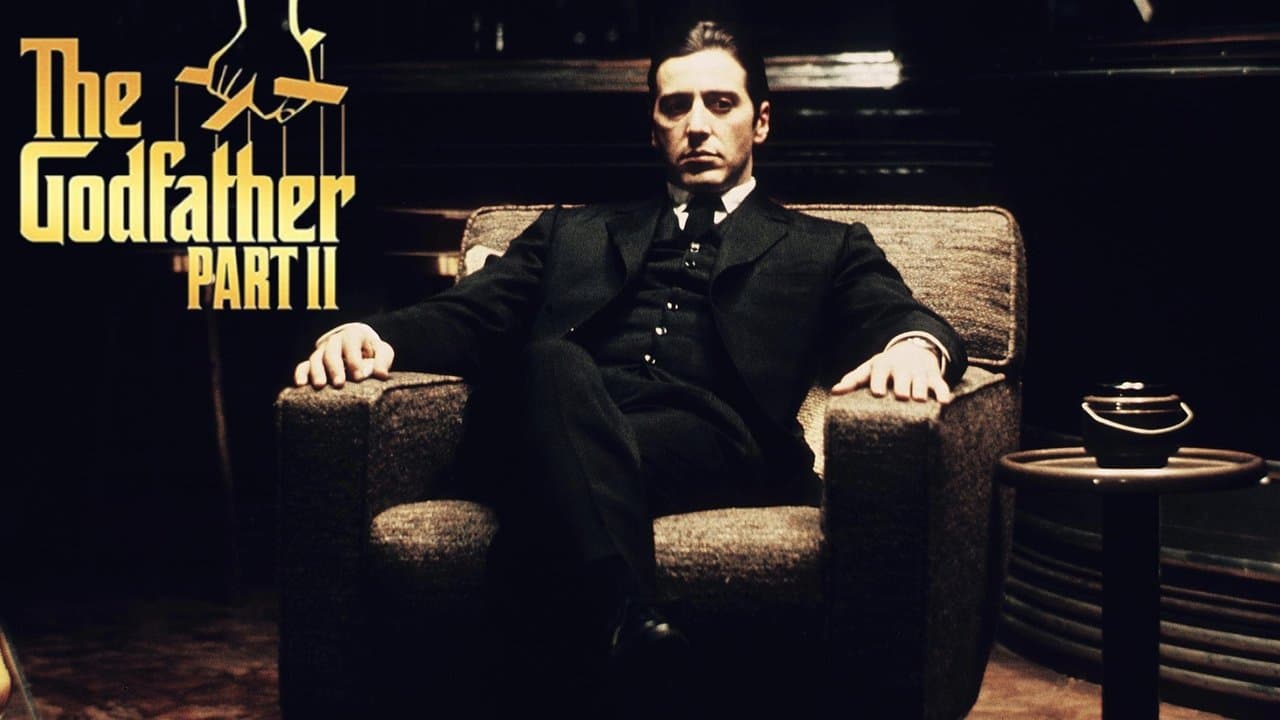
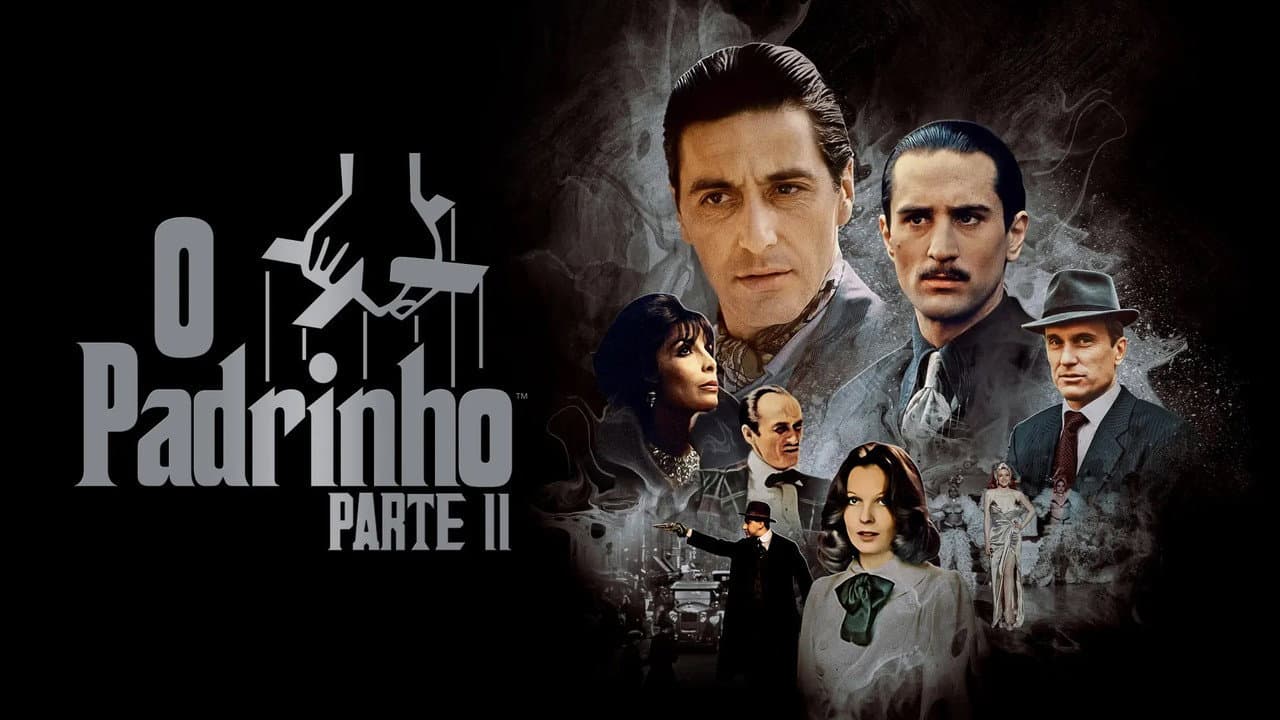
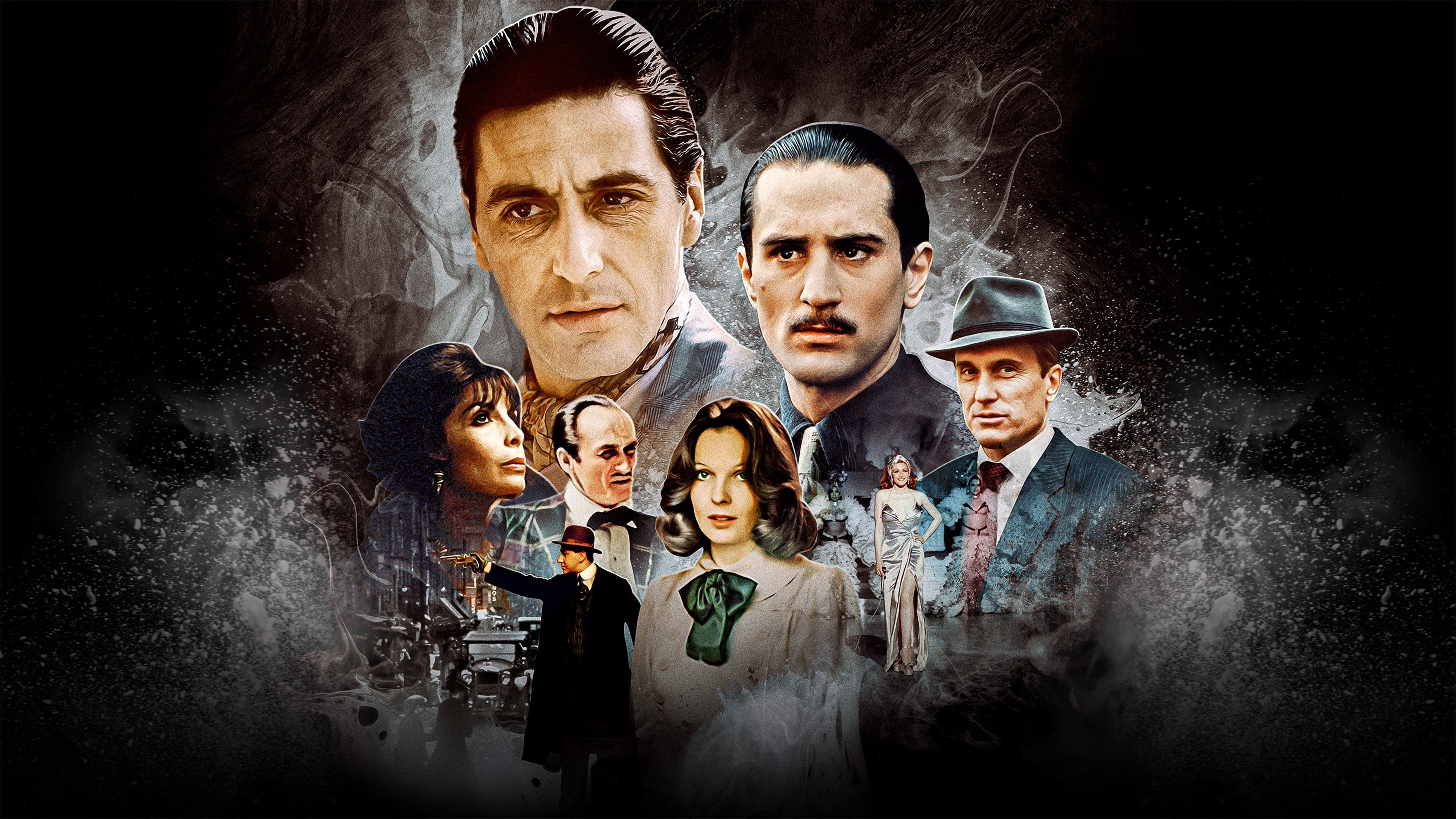
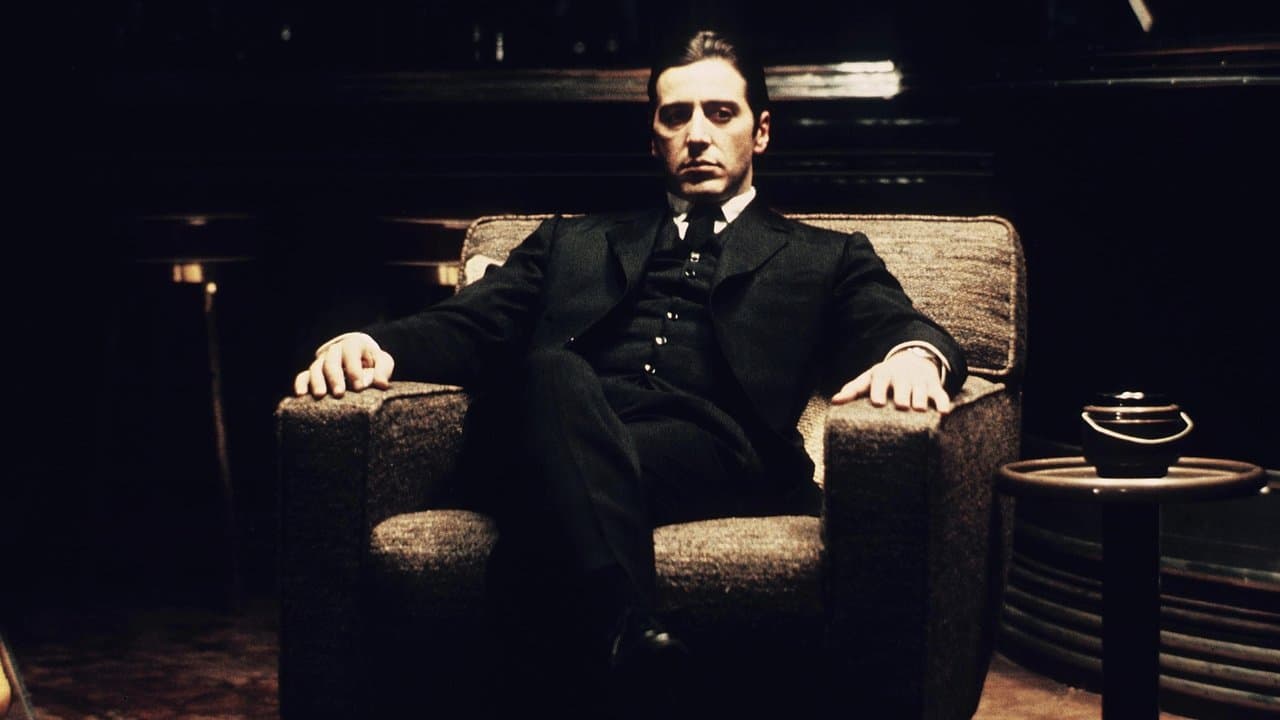
If you want proof that this sequel wasn't playing by conventional rules, look at the cast. Al Pacino returned as Michael, but this wasn't the conflicted young war hero from the first film - this was a man slowly hollowing himself out, trading family for power and paying for it with his soul. Robert Duvall, Diane Keaton, John Cazale, and Talia Shire all came back to flesh out a world that felt lived-in and dangerously real. But the gut punch was Robert De Niro, stepping into the role of a young Vito Corleone, playing the character with a quiet menace that earned him an Oscar and forever linked two generations of cinematic royalty. This wasn't a sequel coasting on nostalgia; this was a cast firing on all cylinders, each performance amplifying the other.
A Plot That Rewrites the Rules of Storytelling
Let's talk about the story itself, because the audacity is still staggering. On one side, you have the young Vito, surviving poverty in Sicily and carving out a niche in Little Italy - not as a monster, but as a protector, a man who builds loyalty through favor and fear. On the other side, you have Michael, no longer protecting anyone, just conquering. He's trying to push the family into legit business - casinos in Vegas, deals in Cuba - while simultaneously drowning in paranoia, betrayal, and a brotherly rift that ends in one of cinema's most devastating final shots. The film doesn't offer easy heroes or villains; it just shows you the machinery of crime, and how it crushes everyone who touches it.
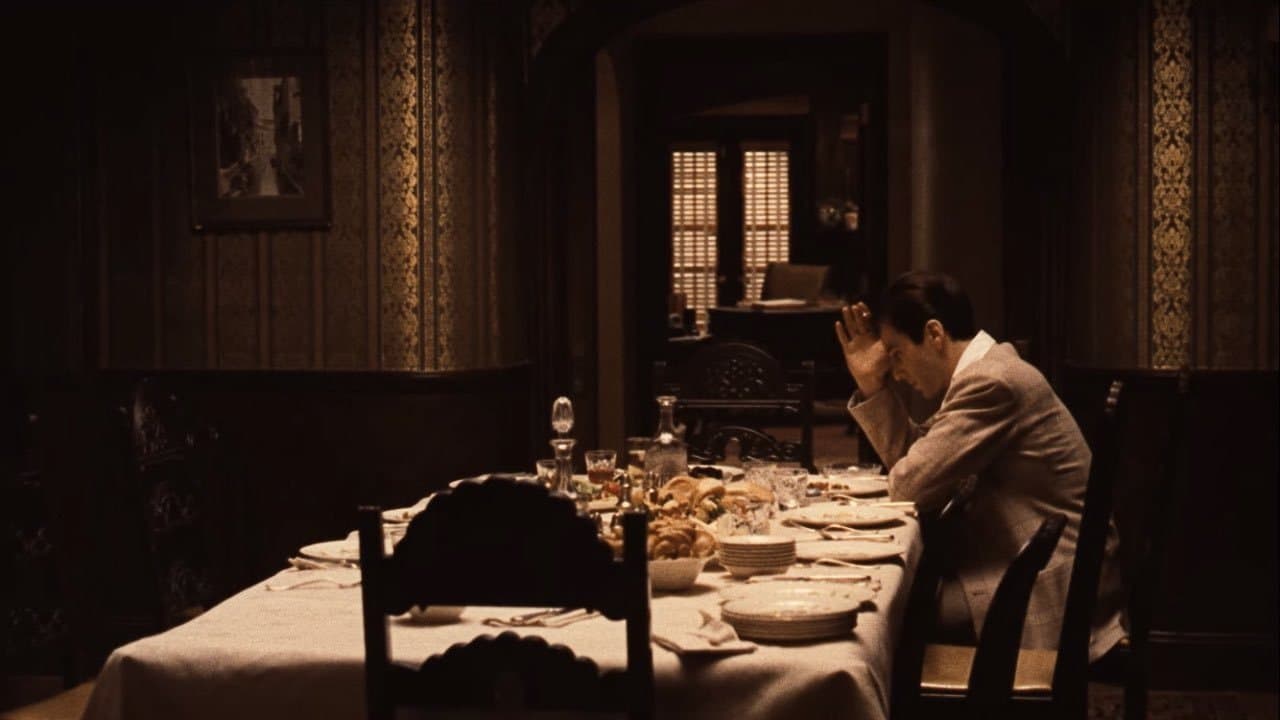
What made it revolutionary wasn't just the parallel structure, though. It was the willingness to let the sequel be darker, slower, and more morally ambiguous than the original. The first Godfather had a shocking, operatic finale. The sequel ends with a man alone in his study, remembered by no one, loved by no one, with his wife shutting the door on him. That's not how you sell tickets - or at least, it wasn't until this movie proved that audiences would line up for moral desolation if it was this well-crafted.
The Legacy That Every Blockbuster Still Chases
Today, you can't throw a brick in a movie theater without hitting a sequel that thinks it's doing something clever by expanding its universe or deconstructing its hero. But The Godfather Part II did that decades before "elevated franchise" was a buzzword. It legitimized the idea that a sequel could be a serious artistic statement, not just a rehash. It showed studios that audiences weren't afraid of complexity, that a 202-minute runtime didn't mean boredom, and that prequels and sequels could coexist beautifully in a single film. Coppola didn't just make a follow-up - he made an argument that sequels could be better than their source material.
The film's TMDb rating of 8.571/10 feels almost conservative, because its influence is immeasurable. Every time a streaming service greenlights a prestige prequel, every time a director insists on a slower, character-driven franchise entry, they're walking in the shadow of this movie. It remains the standard-bearer for what a sequel can be: not a cash-in, but a completion, a deepening, a reckoning. Five decades later, Hollywood still hasn't fully caught up, and that's precisely why The Godfather Part II will never be old news. It's not just a classic - it's the blueprint for everything ambitious cinema tries to be.
Source: IndieWire
Gallery