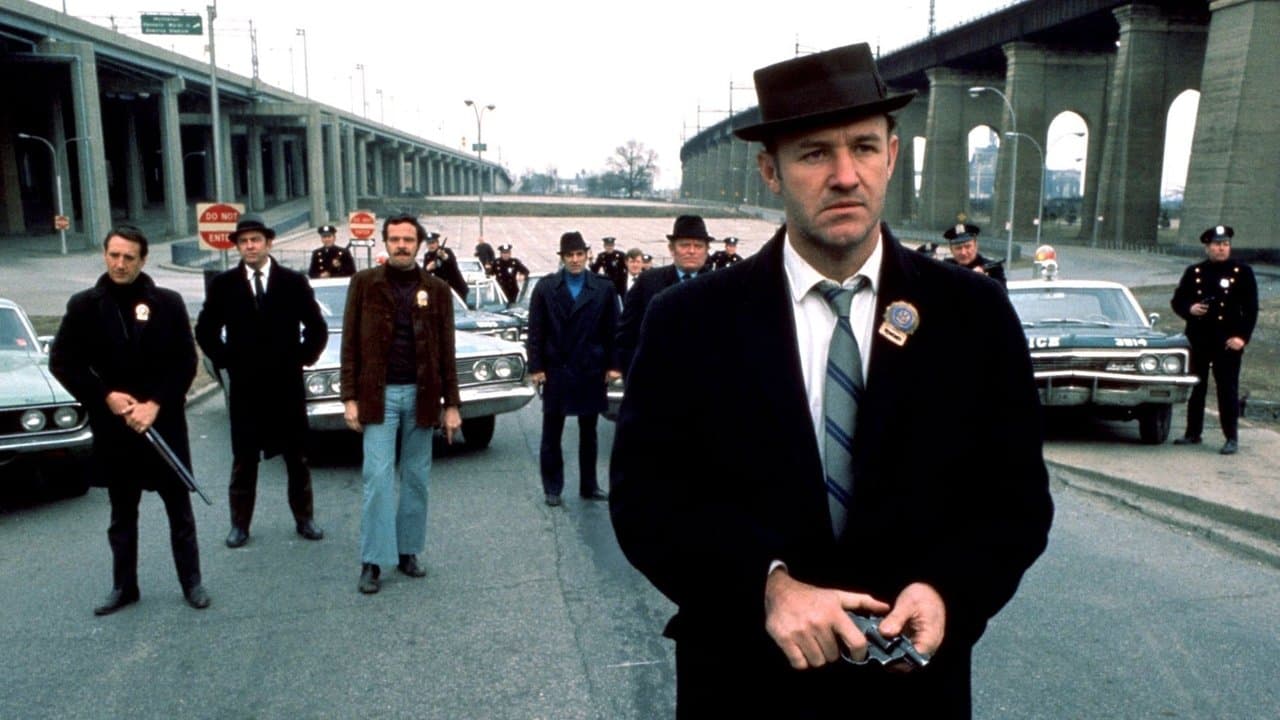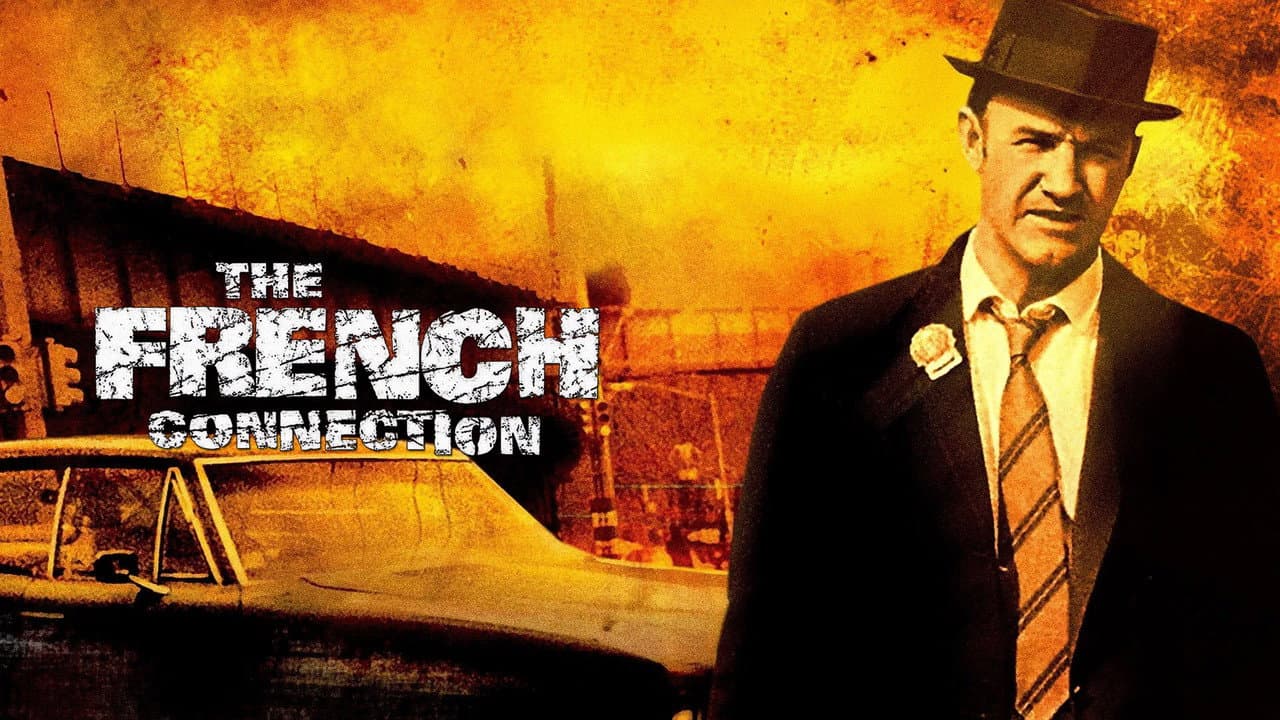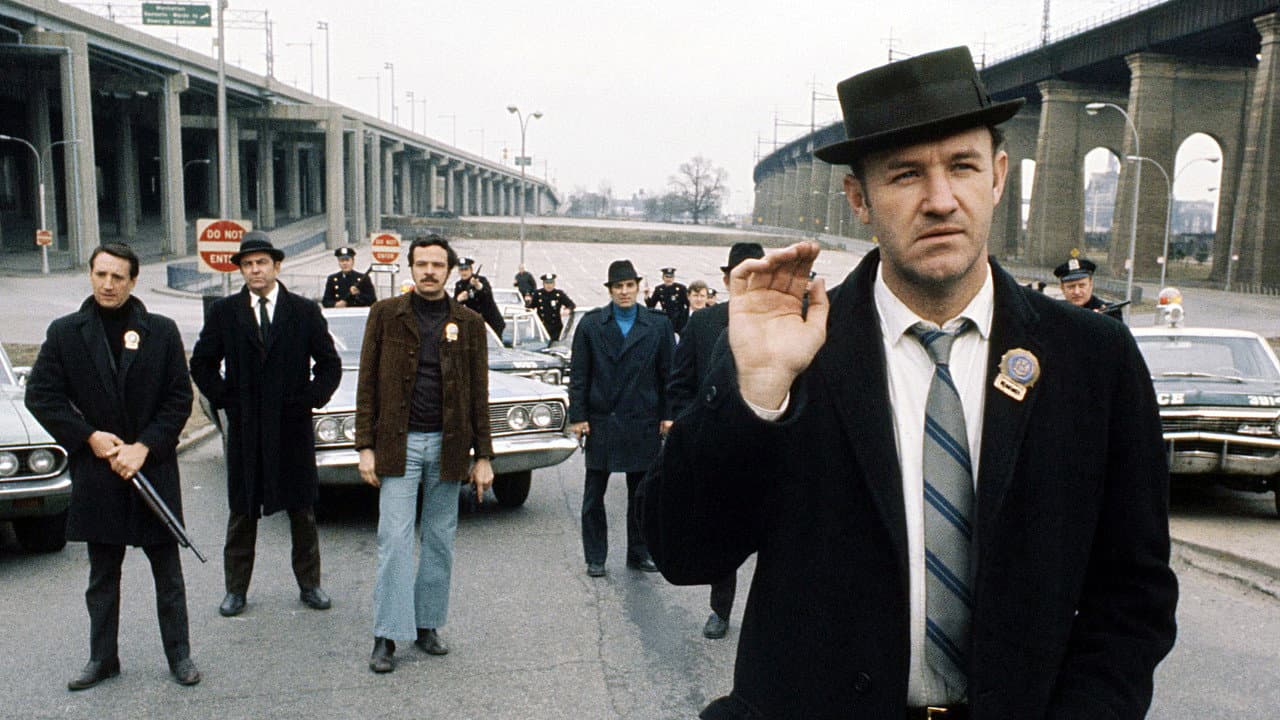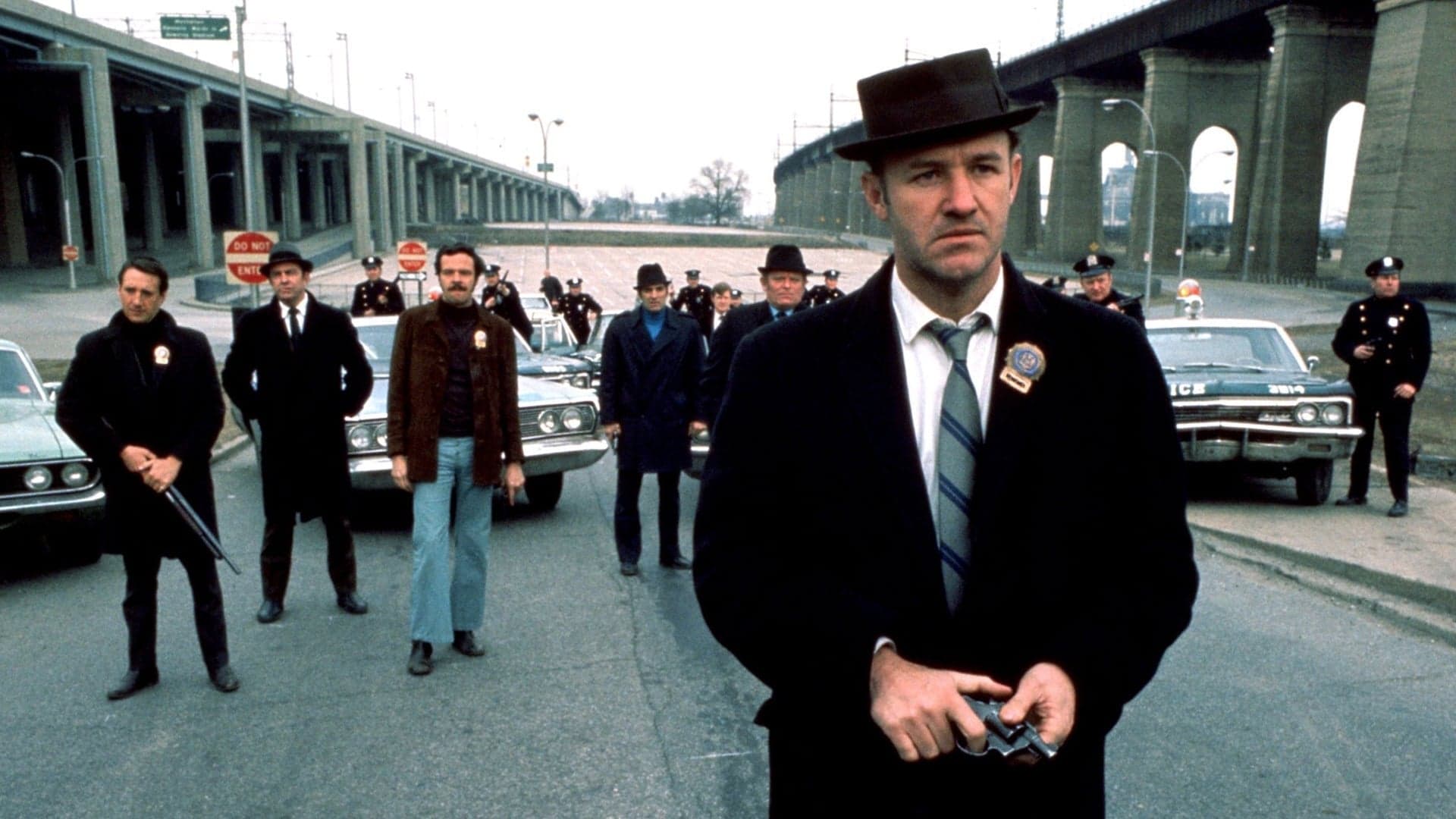
Gene Hackman's Jimmy "Popeye" Doyle doesn't walk into a room so much as dare it to get out of his way. That much was already clear to reviewers back on October 9, 1971, when William Friedkin's The French Connection first tore onto screens and taught Hollywood a thing or two about what a crime picture could feel like. Fifty-five years later, the movie still plays like a jolt of pure adrenaline, and the original trade-press rave that greeted it reads today like a prophecy that happened to come true.
The setup couldn't be leaner. A hard-charging New York narcotics cop gets a scent of something big - a suave French dealer named Alain Charnier, played with chilly elegance by Fernando Rey, who may sit at the center of a sprawling heroin-smuggling operation. That's the whole premise. What Friedkin does with it is the reason film schools still can't stop talking about it.
A Cop Movie That Refused to Sit Still
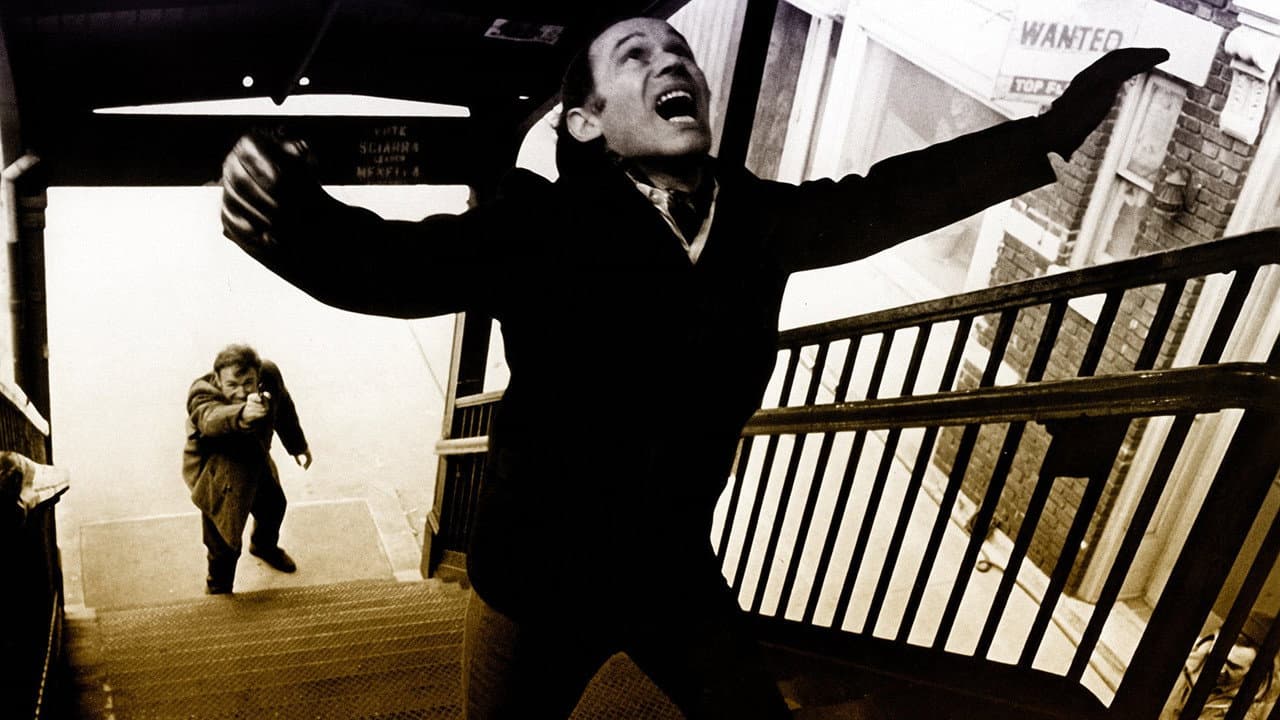
What set The French Connection apart from the policiers that came before it was its refusal to romanticize anything. Doyle isn't a hero so much as a force of nature - a guy who'd rather work a hunch than file a report, and who treats the rules like suggestions from people who've never chased anyone down a stairwell. Hackman, already a respected actor but not yet the marquee name he'd become, played him with a live-wire unpredictability that made every scene feel like it might blow up.
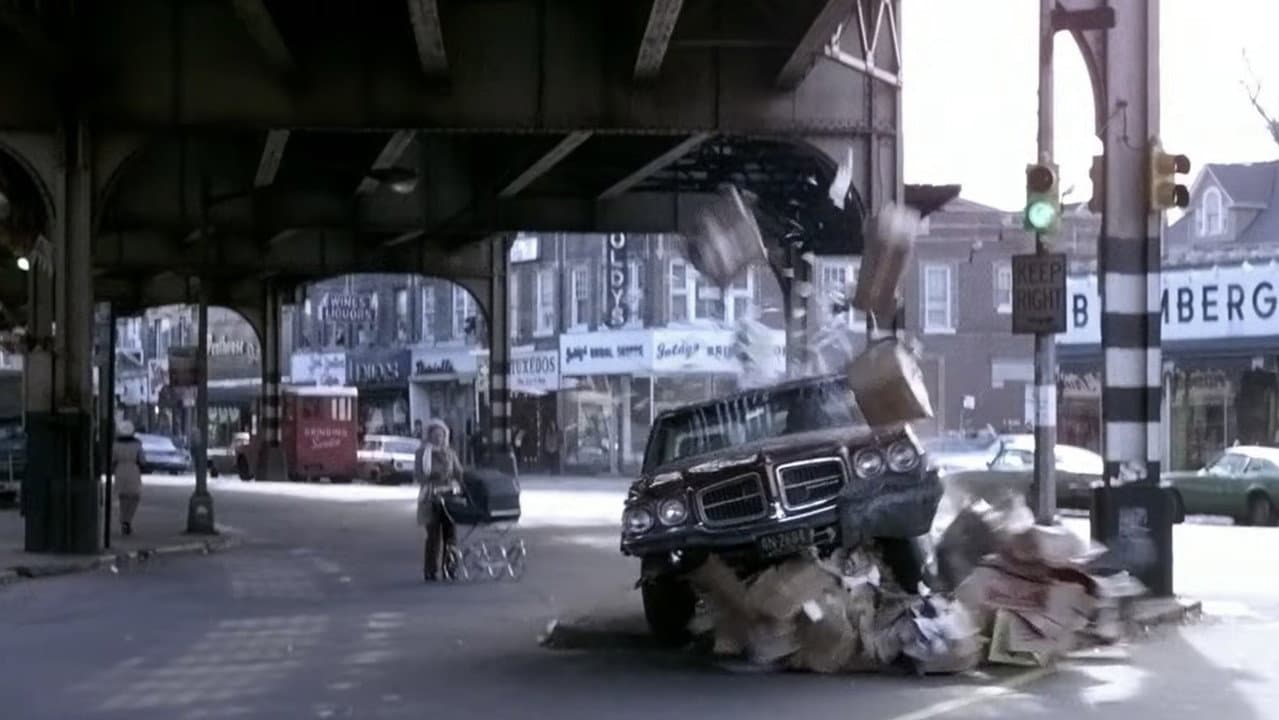
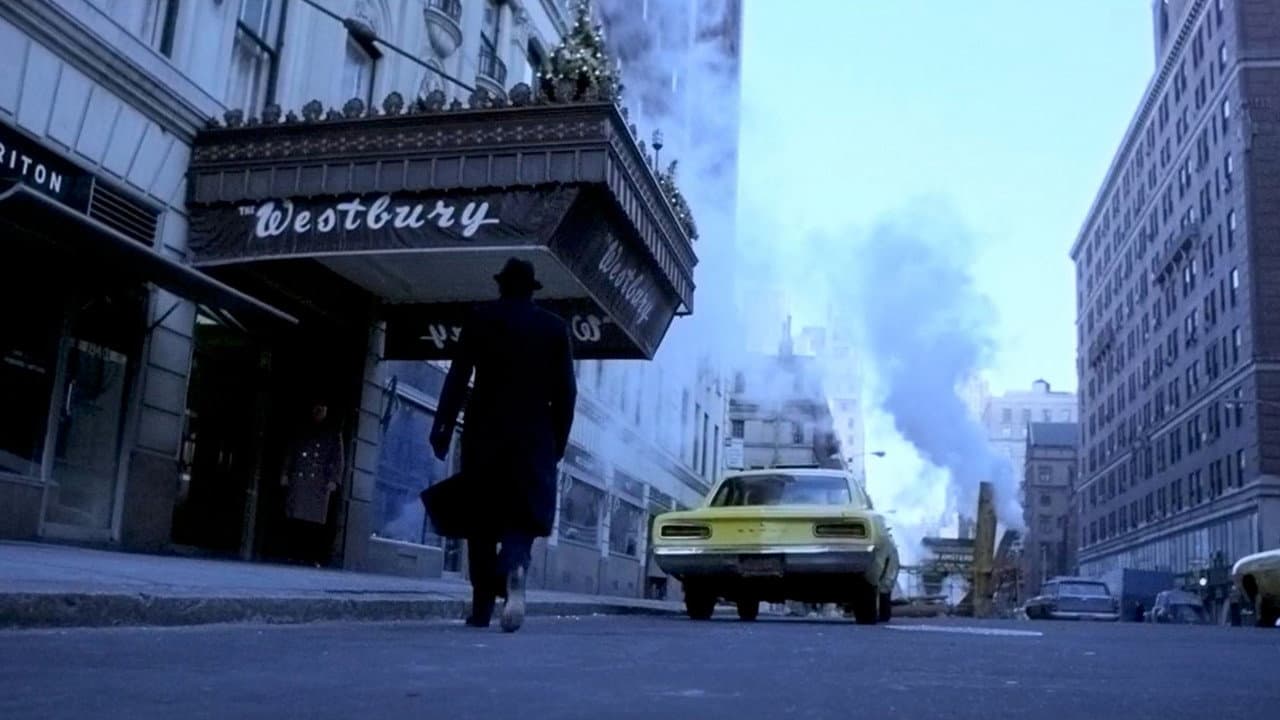
That gritty, documentary-like texture wasn't an accident. Friedkin treated the city itself as a co-star. Real streets, real faces, real grime. By the time the film builds toward its now-legendary chase - a car barreling after an elevated train through Brooklyn - audiences had been conditioned to believe that the danger was genuine. It largely was, and that's precisely why the sequence has outlived nearly every action set piece built on green screens and digital doubles since. Later, when the picture ran the awards-season table, those early rave reviews looked less like hype and more like receipts.
A Cast Built for Tension, Not Comfort
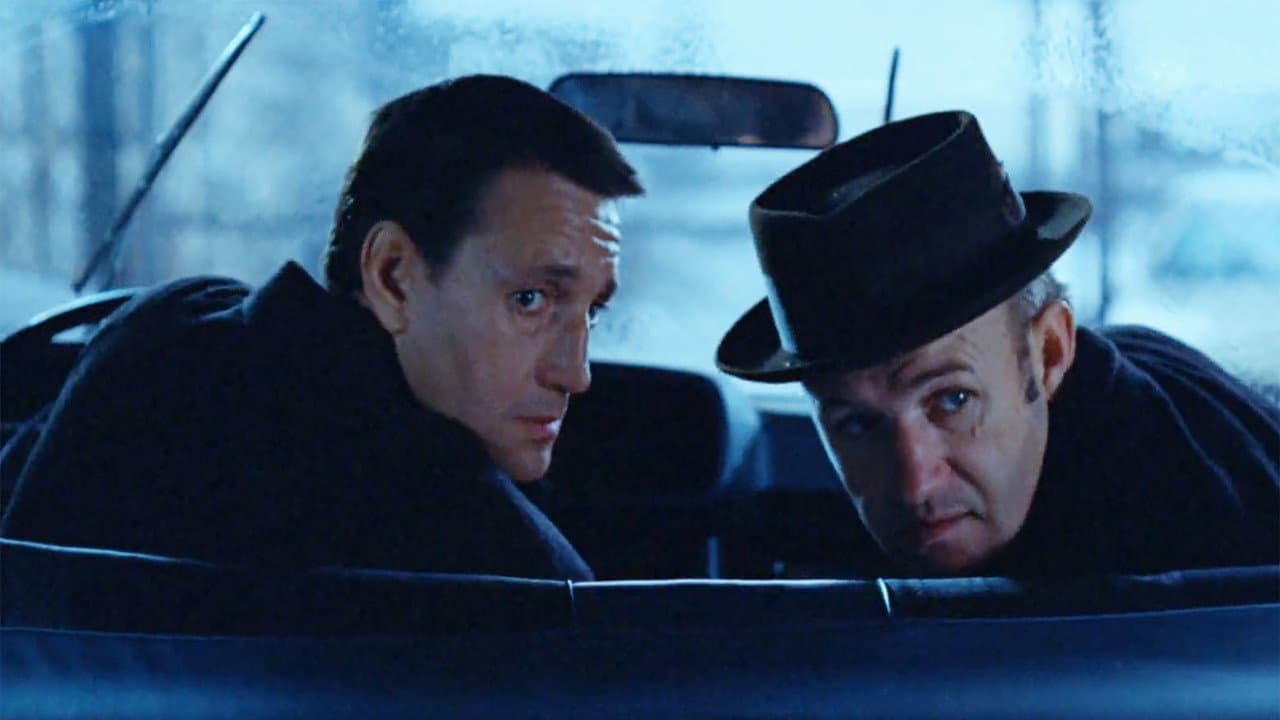
Pairing Hackman with Roy Scheider as partner Buddy Russo gave the film a grounded center amid all the chaos. Where Doyle is combustible, Russo is the weary pragmatist trying to keep his friend from torching his own career. Their shorthand feels lived-in - the kind of partnership that comes from years of sharing stakeouts, bad coffee, and mutual exasperation.
Across the aisle stands Rey as Charnier - the movie's secret weapon. Rather than playing the villain as a snarling brute, Rey crafts a man of unnerving composure, a dealer who moves through the world with the calm of someone who's never been caught and doesn't expect to be. The supporting ranks round things out with equally lived-in turns: Tony Lo Bianco as Sal Boca, Marcel Bozzuffi as the icy enforcer Pierre Nicoli, Frédéric de Pasquale as Devereaux, Bill Hickman as Mulderig, and Ann Rebbot as Marie Charnier. Every performance stays small; the movie around them does all the shouting.
Why It Still Matters
Plenty of 1971 movies had things to say. The French Connection had somewhere to go, and it went there fast. Its influence shows up in everything from the handheld urgency of cop dramas to the way modern thrillers chase atmosphere over exposition. The film lays down genre markers - Action, Crime, Thriller - without ever feeling like it's ticking boxes. It just moves, and drags you along by the collar.
If there's a lesson in revisiting it now, it's that visceral filmmaking never ages out. Friedkin understood that the fastest way into an audience's chest was through authenticity, not decoration. No score doing the heavy lifting. No glamour. Just men, cars, cold mornings, and a chase that ends exactly the way life tends to - messy, unresolved, and a little cruel.
That's why The French Connection endures. Not because it's a museum piece, but because it still feels like a threat. And a threat, handled this skillfully, never stops being entertainment.
If you're overdue for a rewatch, October has just handed you a reason. Cue up the chase, pour something strong, and remember what a movie can do when it decides to stop playing it safe.
Source: The Hollywood Reporter