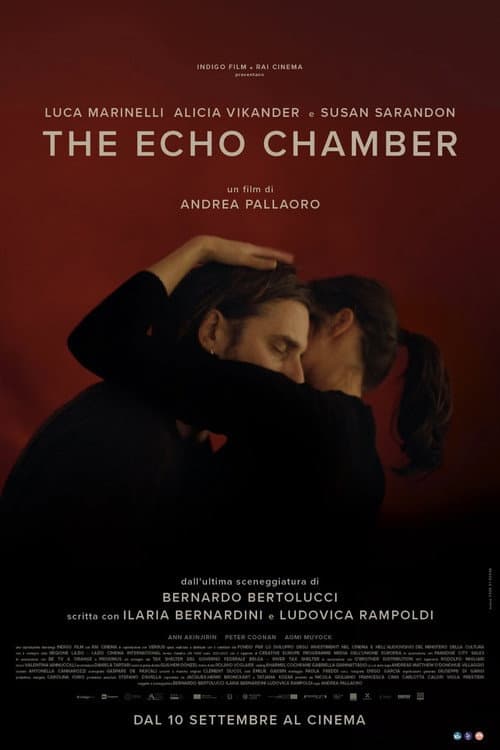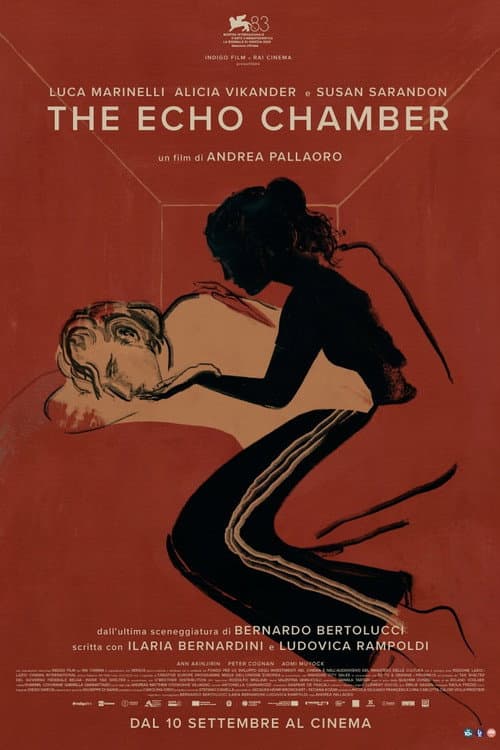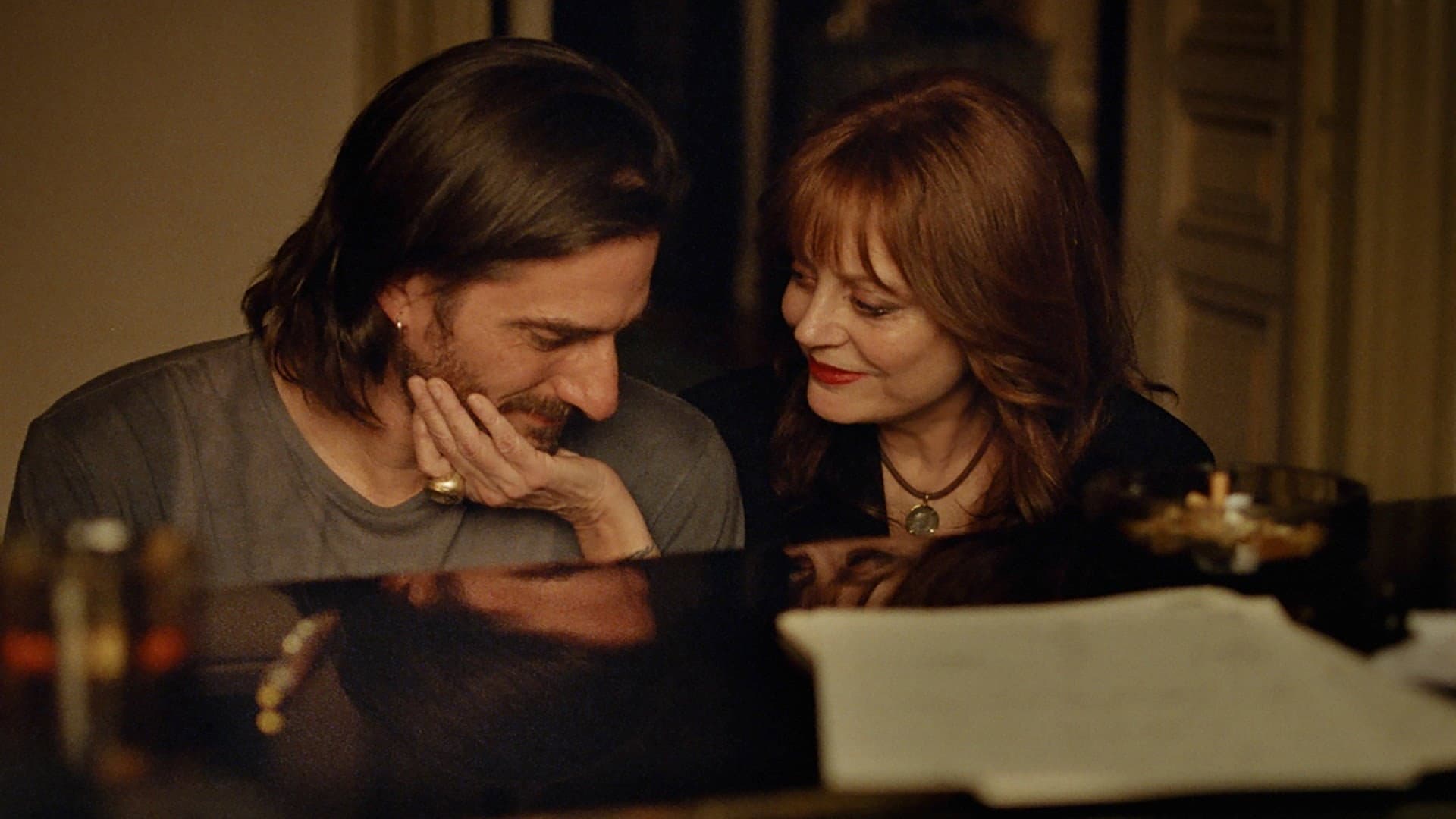
Alicia Vikander and Susan Sarandon are teaming up for a deeply introspective drama about love, memory, and the ghosts we carry through the rooms of our own lives. The Echo Chamber, directed by Andrea Pallaoro, is hitting theaters on September 10, 2026, and early buzz suggests this is less a sweeping romance and more a haunting, fragmented meditation on two people who simply cannot quit each other - or escape the past that keeps pulling them apart.
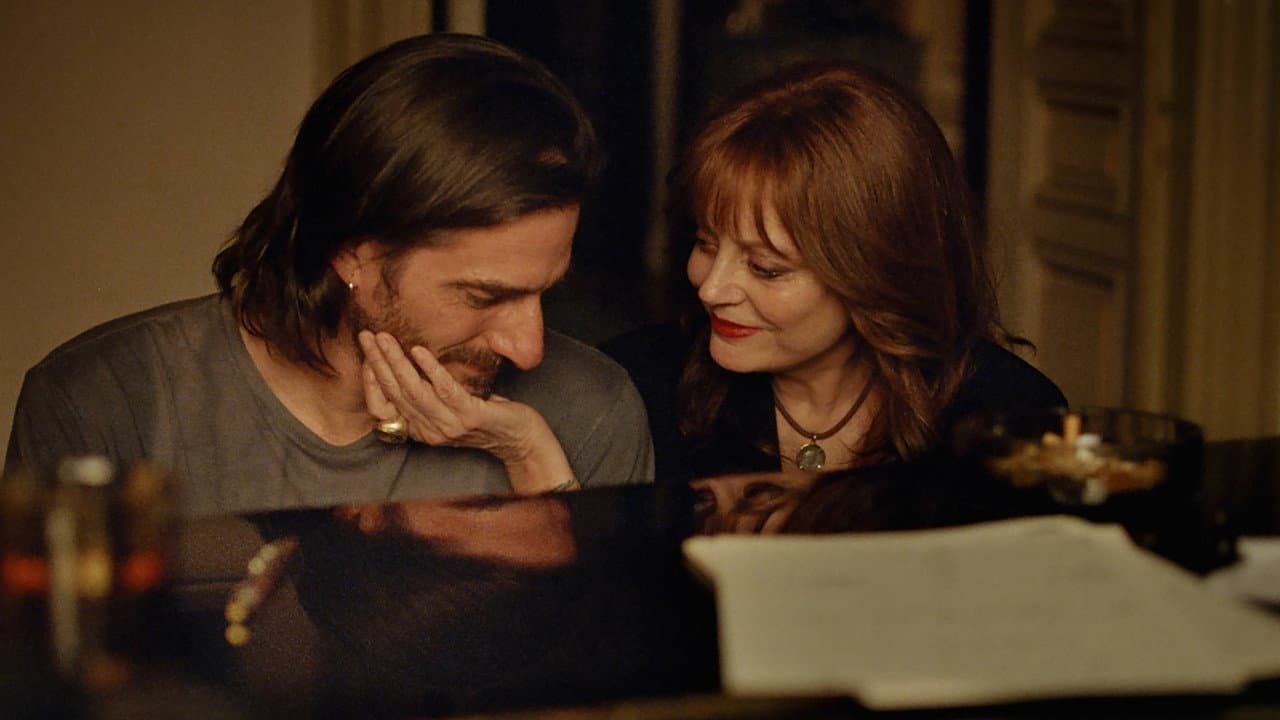
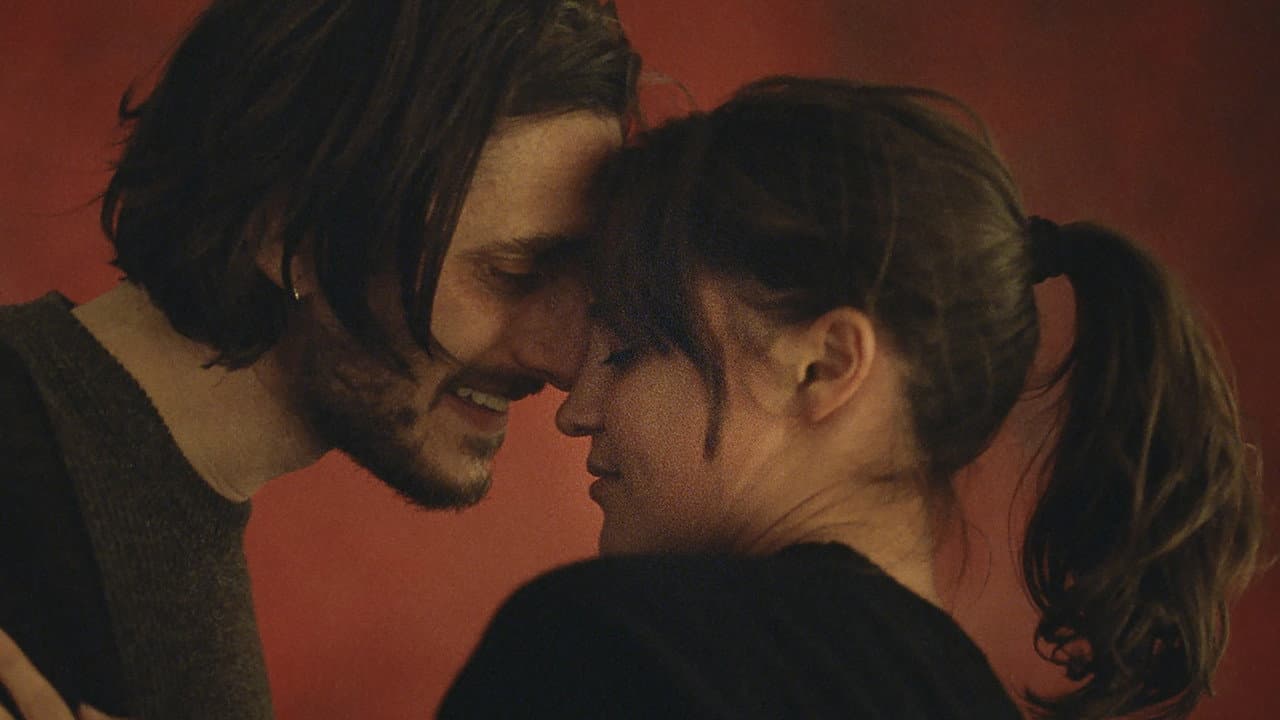
The film centers on Leo and Ava, played by Luca Marinelli and Sarandon respectively, as they exist in a strange loop of connection and distance. They keep coming close, then drifting apart, never quite able to let go but also never able to break free. It’s the kind of emotional push-and-pull that feels painfully real, and Pallaoro - known for his patient, observant style - appears to be leaning hard into that tension. The logline teases something almost metaphysical: as the story moves through different rooms, Ava’s voice echoes across time, bringing to the surface what endures and what can no longer be held back. So yes, there’s a bit of mystery baked into the melancholy.
Vikander steps in as Anne, a role that’s been kept largely under wraps in the promotional materials. Given her track record with emotionally rigorous dramas - think The Danish Girl or Blue Bayou - it’s safe to assume she’s not here for light entertainment. The supporting cast also includes Ann Akinjirin, Peter Coonan as Edward, Antonia Fotaras as Consuelo, and Aomi Muyock, though details on their characters remain slim. The focus, at least on paper, is squarely on the central trio and the way their histories collide.
At 123 minutes, The Echo Chamber is not a quick watch. It’s a film that asks you to sit with discomfort, to parse the silences between words, and to accept that some connections defy neat resolution. That’s a tonal choice that usually divides audiences, and the early critical reception reflects that. The TMDb score sits at a lukewarm 4 out of 10, suggesting that while the performances may be strong, the narrative structure or pacing isn’t landing for everyone. Pallaoro’s previous works - like Hannah with Charlotte Rampling - have similarly polarized viewers, so this seems consistent with his artistic lane. He makes movies that are less about plot mechanics and more about emotional archaeology, and that approach has its devotees and its skeptics.
There’s also something undeniably intriguing about casting Sarandon as Ava, the character whose voice literally reverberates through the storyline. It implies a kind of haunting presence, a figure who exists both in the moment and beyond it. Whether that means we’re seeing flashbacks, parallel timelines, or something more surreal remains to be seen. What’s clear is that the film is wrestling with big questions: What does it mean to love someone across distance and time? And how do we reconcile the versions of ourselves that other people remember?
Given the release date is just days away, this is a movie that’s sneaking into the fall awards conversation with minimal noise. It doesn’t have the blockbuster pedigree or the festival hype machine behind it, but it does have two Oscar-winning actresses and a director with a distinct vision. For cinephiles starved for something that feels more like literature than popcorn entertainment, that might be exactly the draw.
The romance genre label is a bit of a misnomer here, if the logline is any indication. This isn’t a meet-cute or a will-they-won’t-they that ends with a grand gesture. It’s messier than that. It’s about two people orbiting each other, stuck in a pattern that feels both inescapable and unsustainable. The “echo” in the title likely refers not just to Ava’s voice, but to the way past conversations and promises repeat themselves in the present, shaping every new attempt at intimacy.
For Vikander, this marks another bold choice in a career that has veered toward complex, sometimes unglamorous roles. For Marinelli, best known internationally for The Old Guard and his work with Paolo Sorrentino, it’s a chance to show a more vulnerable, emotionally frayed side. And for Sarandon, it’s a reminder that she remains one of the most commanding presences in cinema, even when the material around her is deliberately ambiguous.
Will The Echo Chamber find its audience? That depends on whether viewers are willing to meet the film on its own terms. If you go in expecting conventional narrative drive or tidy emotional payoff, the 4/10 rating might feel justified. But if you’re open to a slower burn, one that rewards patience with layers of feeling, this could be the quiet gem of the early fall season. It’s a movie about the spaces between people, and sometimes that’s exactly the right place to spend two hours.
Source: The Hollywood Reporter