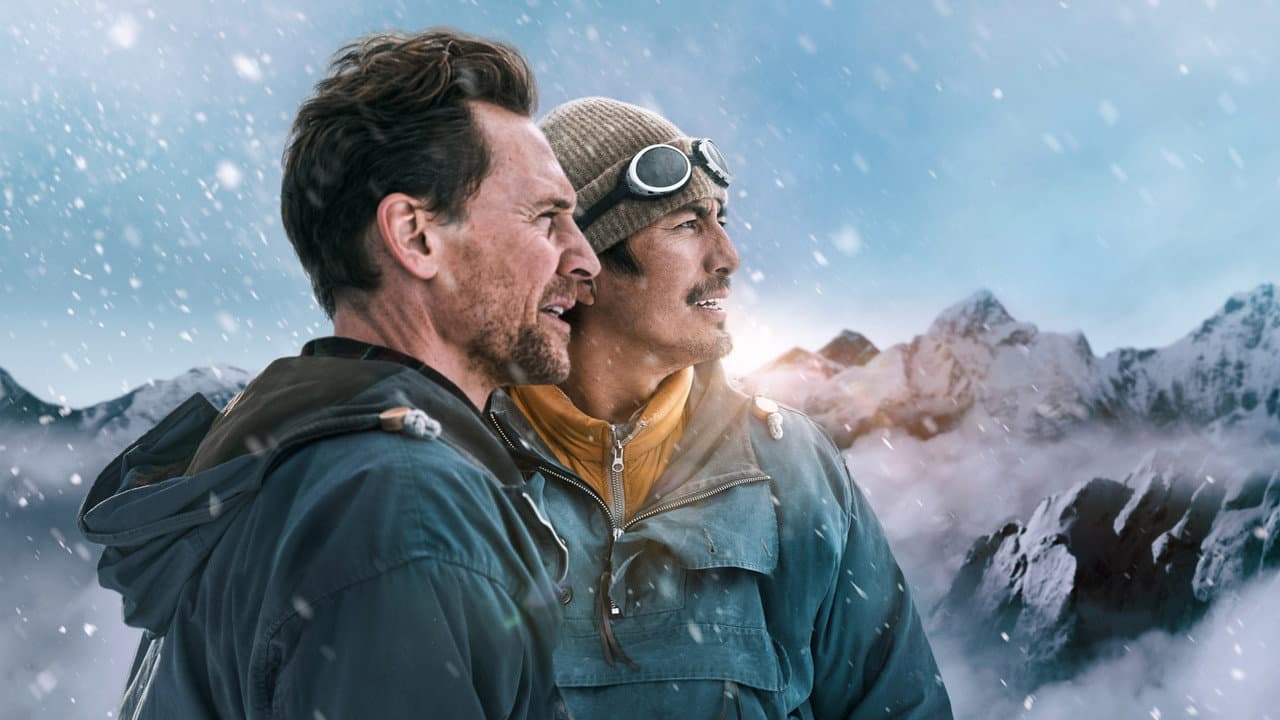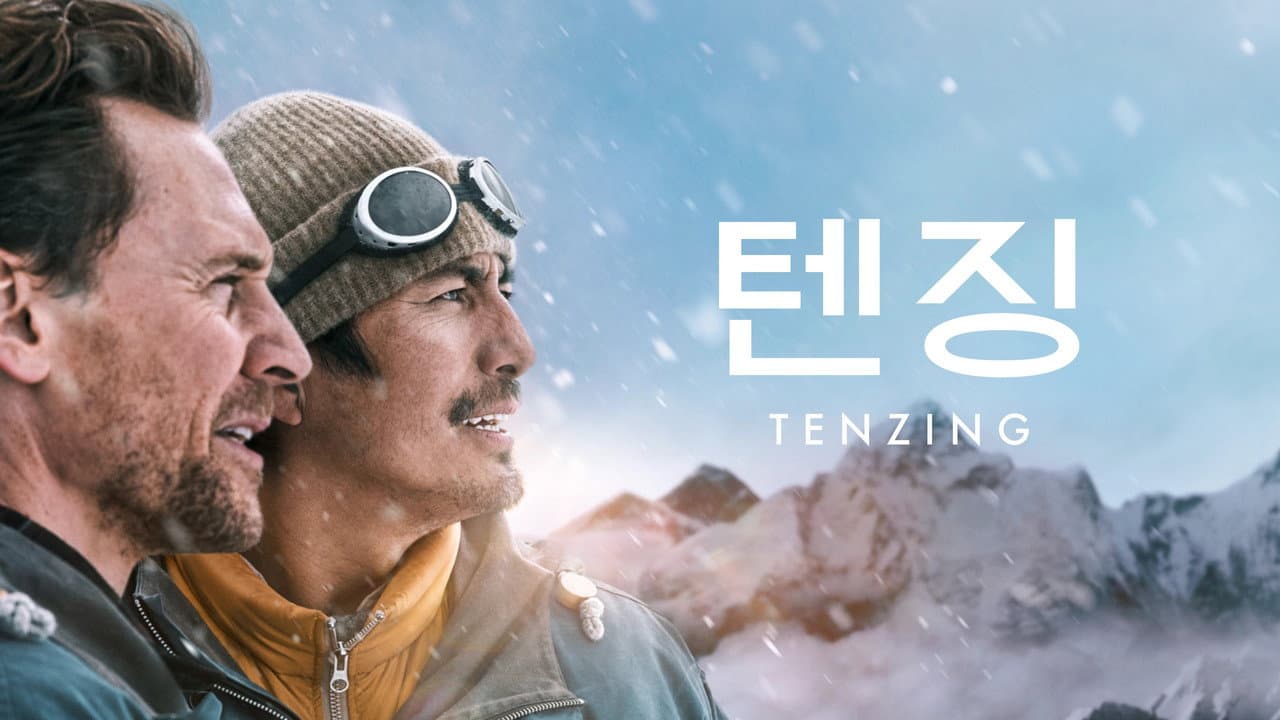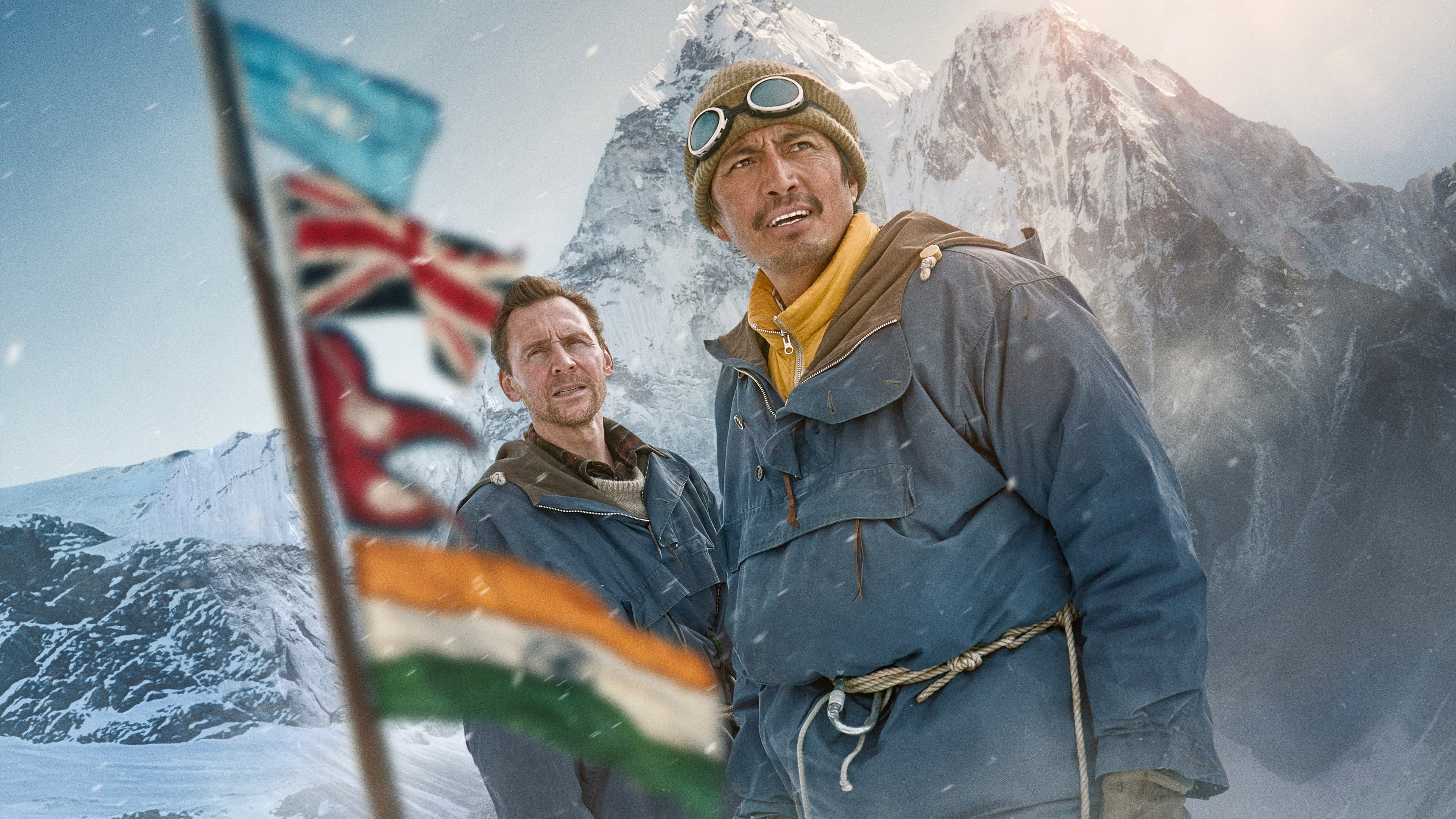
Tenzing Norgay finally gets top billing. That's the headline-grabbing takeaway from Tenzing, director Jennifer Peedom's new historical drama that opened in theaters on October 9 and arrives with a mission statement baked into its very title. For decades, the story of the first confirmed ascent of Mount Everest has been told through the lens of Sir Edmund Hillary, the affable New Zealand beekeeper who conquered the world's tallest peak alongside his Nepali Sherpa partner in 1953. Peedom's film flips that script, centering Genden Phuntsok's Tenzing Norgay as the protagonist of his own extraordinary life. It's a correction long overdue, and for its first two acts, the movie makes a compelling case for why it matters. Then comes the summit, and with it, the strange sense that the film has reached its dramatic ceiling just when it should be soaring.
A Summit Story Told From the Other Side of the Rope
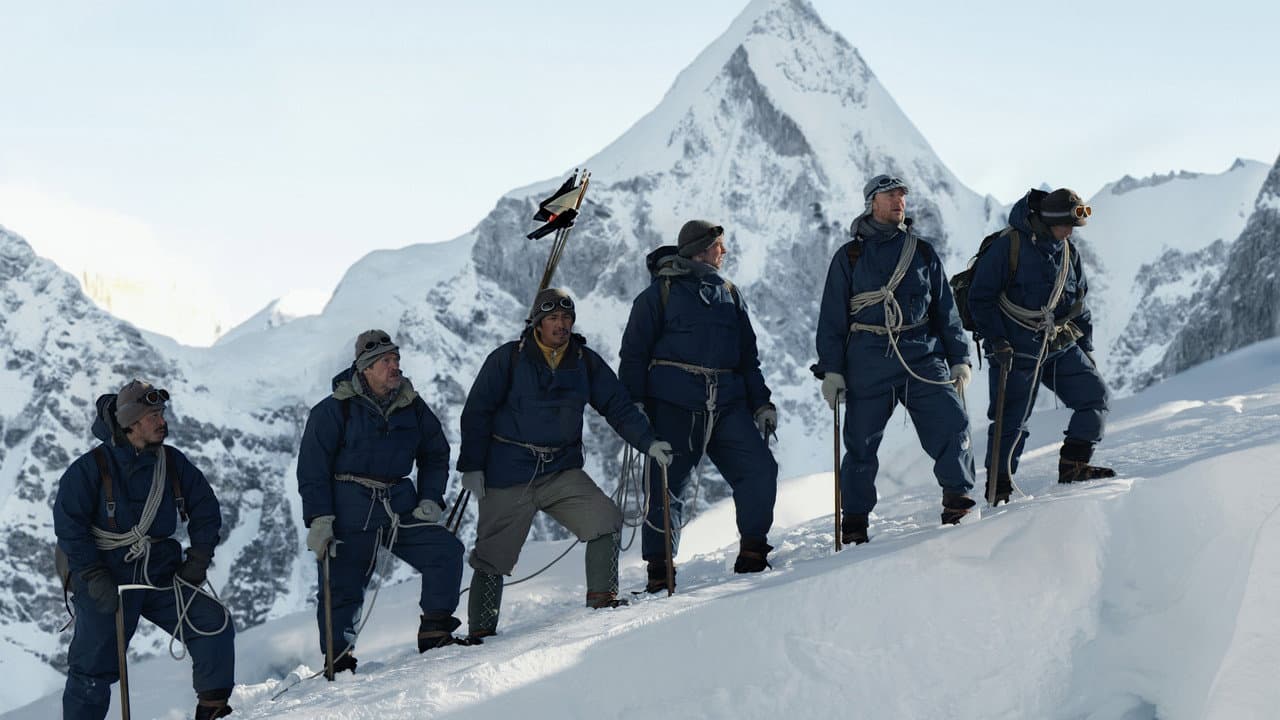
The movie opens not on Everest's icy slopes but in the shadow of them, tracing Tenzing's journey from a young man (played by Tenzing Dalha) wrestling with the limits placed on him by birth and geography to the seasoned climber who would eventually stand at 29,032 feet. Peedom, a documentarian making her narrative feature debut, brings a mountaineer's eye to the material. The climbing sequences are visceral and terrifying in the best way, all howling wind and creaking ice and the terrifying arithmetic of altitude. Cinematographer's work (the film is stunning to look at) captures both the majesty and the menace of the Himalayas without resorting to postcard imagery. These aren't scenic backdrops; they're living, breathing antagonists.
Genden Phuntsok, a relative newcomer tasked with carrying the emotional weight of a national icon, delivers a performance of quiet, roiling determination. His Tenzing is a man who has learned to navigate a world that wants to define him by what he isn't - not British, not "official," not the one who gets the credit. Phuntsok's face does most of the heavy lifting, conveying a lifetime of swallowed frustrations and unbroken pride in a single glance. It's a star-making turn, full stop.
Hiddleston and Dafoe Round Out a Formidable Ensemble
Tom Hiddleston steps into Hillary's boots, and the casting is smarter than it might initially appear. Hiddleston, freed from the Loki smirk, plays Hillary as a decent man genuinely unsettled by the inequity of the moment. He knows, even as he plants the British flag, that the story being written is a convenient fiction. The screenplay gives him a few sharp scenes opposite Phuntsok where the two men negotiate the unspoken terms of their partnership - who walks first, who smiles for the cameras, who gets remembered. These exchanges crackle with the tension of the unspoken.
Willem Dafoe, meanwhile, chews scenery with relish as Colonel John Hunt, the expedition leader whose stiff-upper-lip demeanor masks a pragmatism that borders on ruthlessness. Dafoe is having fun here, and it's infectious. Caitríona Balfe, as journalist Jill Henderson, serves as the audience's surrogate, pushing back against the official narrative and asking the questions the film itself wants to ask. And Thinley Lhamo brings warmth and steel to Dawa Norgay, Tenzing's wife, whose perspective grounds the film whenever it threatens to drift into pure hero worship.
What Works, and What Gets Lost on the Final Push
For its first hour-plus, Tenzing builds genuine momentum. It's a story about colonialism, about who gets to write history, about the sheer physical impossibility of what these men attempted with gear that today's weekend warriors would laugh at. The film's political consciousness is sharp without being preachy. When a British official refers to Tenzing as a "Sherpa" in a tone that drips with condescension, the movie doesn't need to underline the insult. We feel it.
But then the expedition reaches the summit, and the film seems uncertain where to go. The actual conquest of Everest - the moment the film has been building toward for over two hours - unfolds with strangely muted impact. Part of the problem is structural: the outcome is so famous that suspense is impossible. But Apollo 13 proved that known outcomes can still generate white-knuckle tension. Here, the editing grows choppy, the score swells in ways that feel unearned, and Tenzing's internal monologue starts explaining themes the visuals had been handling beautifully. The final act feels like a different, lesser movie grafted onto a superior one.
It doesn't help that the film's most emotionally complex idea - that Tenzing's triumph was simultaneously a personal victory and a public erasure - gets resolved too neatly. The real Tenzing spent decades after 1953 navigating the politics of his own legacy. The film gestures at this in its closing minutes, but rushes past it, as if afraid to sit with the ambiguity. It's a strange choice for a movie that otherwise trusts its audience to handle complexity.
The Bottom Line
Tenzing is a film of real ambition and real flaws, a historic correction that doesn't quite stick the landing. Its 7/10 rating on TMDb feels about right - a solid, occasionally stirring drama that will likely be remembered more for what it represents than for what it achieves. Peedom has made an important movie, but not quite a great one. The summit, both literally and figuratively, remains just out of reach.
Rating: 7/10
Source: The Indian Express