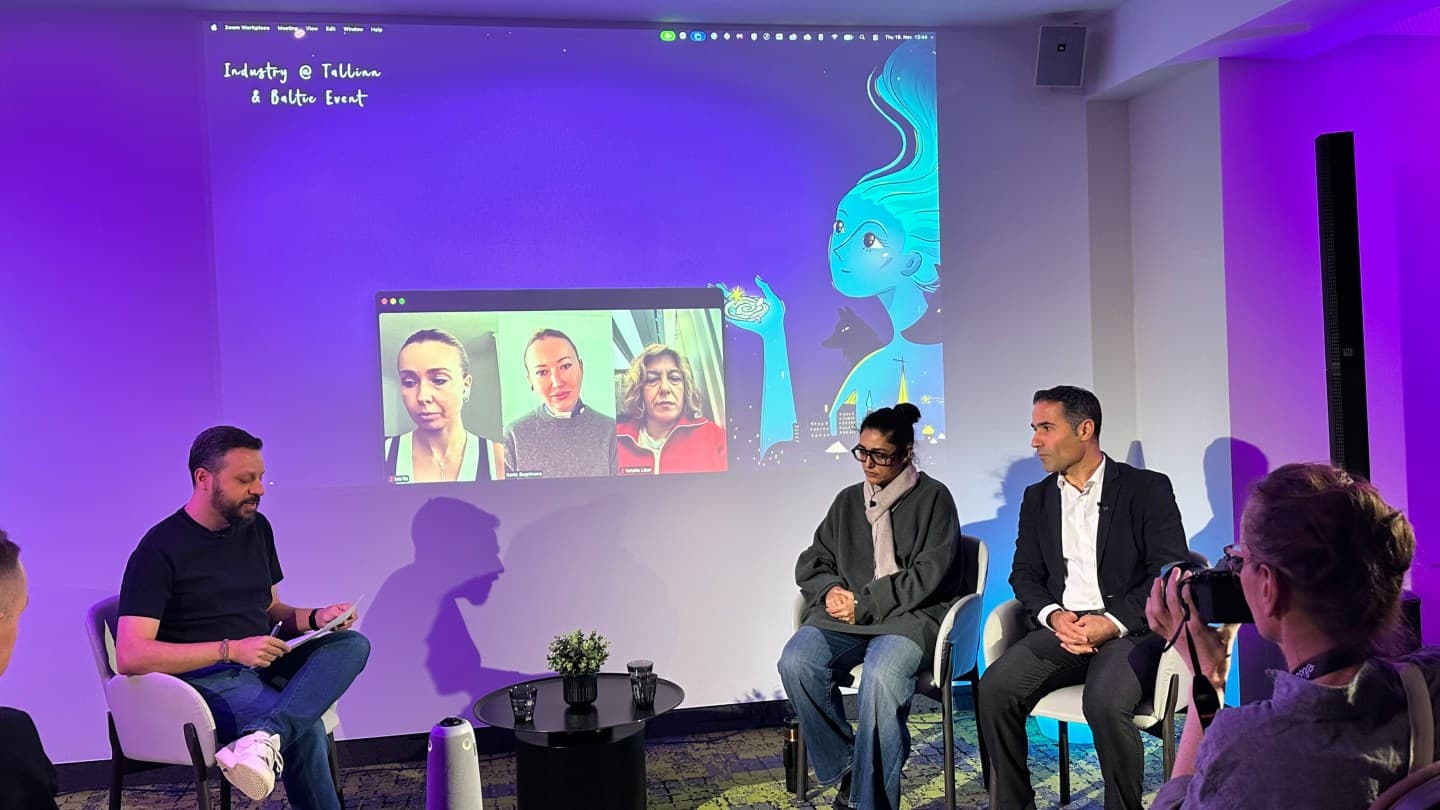
Hollywood has a long, proud history of playing fast and loose with the truth, and this week the industry got a friendly reminder about it - delivered from a very unlikely zip code. At the Tallinn Black Nights Film Festival in Estonia, filmmakers, critics and industry insiders gathered to wrestle with two questions that have been simmering all year: why does American cinema keep rewriting history, and why are female characters still so often written like afterthoughts? The timing isn't random. With the world lurching from one crisis to the next, audiences are demanding stories that feel real - and the panelists in Tallinn didn't mince words about what Hollywood gets wrong.
The "Hollywood rewrites history" critique isn't new, of course. Historical dramas have been bending timelines, flattening complex figures and inventing romantic subplots since the silent era. But the Tallinn conversation had a sharper edge to it, framed by a genuinely turbulent global moment. When reality feels unstable, audiences notice when a film smooths over uncomfortable facts or turns a messy historical figure into a tidy hero. The festival discussion pushed the idea that cinema has a responsibility to be honest about the past - not because audiences can't handle artistic license, but because historical films increasingly shape how people understand the world. That's a heavy burden for a three-act screenplay to carry, but the panels seemed to agree it's one worth picking up.
The Female Character Problem Won't Go Away
The second half of the debate hit closer to home for anyone who's sat through a blockbuster where the lone woman exists mainly to explain the plot to the male lead. Calls for authentic female characters have been loud for years, and Tallinn added another chorus: stop writing women as symbols, prizes or moral compasses, and start writing them as people. That means flaws, contradictions and motivations of their own - not just a compelling backstory that gets abandoned once the hero needs a pep talk. The frustration is understandable. Studios have gotten better at casting women in leading roles, but the panel's argument suggested the writing hasn't always kept pace with the casting decisions.
What makes the Tallinn debate interesting is how the two threads connect. Historical films that flatten real women into supportive wives, grieving mothers or silent witnesses are doing the same thing as blockbusters that sideline their female leads - just with period costumes. The festival crowd seemed to be making a collective case that authenticity, whether historical or character-based, is a creative choice that pays off in storytelling. Audiences have shown they'll reward films that respect their intelligence. They've also shown they'll roast the ones that don't on social media within hours.
A Festival Built on Facing the Hard Stuff
Tallinn Black Nights has quietly become one of Europe's more adventurous film festivals, known for programming work from outside the usual Hollywood pipelines. Hosting this conversation in Estonia, with the shadow of regional conflict hanging over the continent, gave the debate a weight it might not have had in a Los Angeles conference room. Global crises tend to sharpen the questions artists ask about their own work. When the news cycle is exhausting and the future feels uncertain, escapism has its place - but so does honesty. The Tallinn panels seemed to argue that the two don't have to be opposites. A film can entertain and still tell the truth about a woman who existed, or about a character who feels like she could.
The takeaway from the festival is less a verdict than a dare: Hollywood can keep rewriting history if it wants, but audiences are getting better at spotting the editing. And as for female characters, the demand isn't for perfection - it's for variety. Real women are complicated, contradictory and occasionally infuriating. Movies could stand to catch up.
Source: The Hollywood Reporter