Taika Waititi has never been a filmmaker who colors inside the lines, so it tracks that his take on artificial intelligence in Hollywood comes with a wink and a shrug rather than a doom-laden prophecy. The director is back in theaters this week with Klara and the Sun, a science-fiction drama arriving October 21, 2026, and he's using the press cycle to weigh in on the technology everyone in town can't stop arguing about. His read? AI is a tool, not a torchbearer - and the panic surrounding it says more about us than it does about the machines.
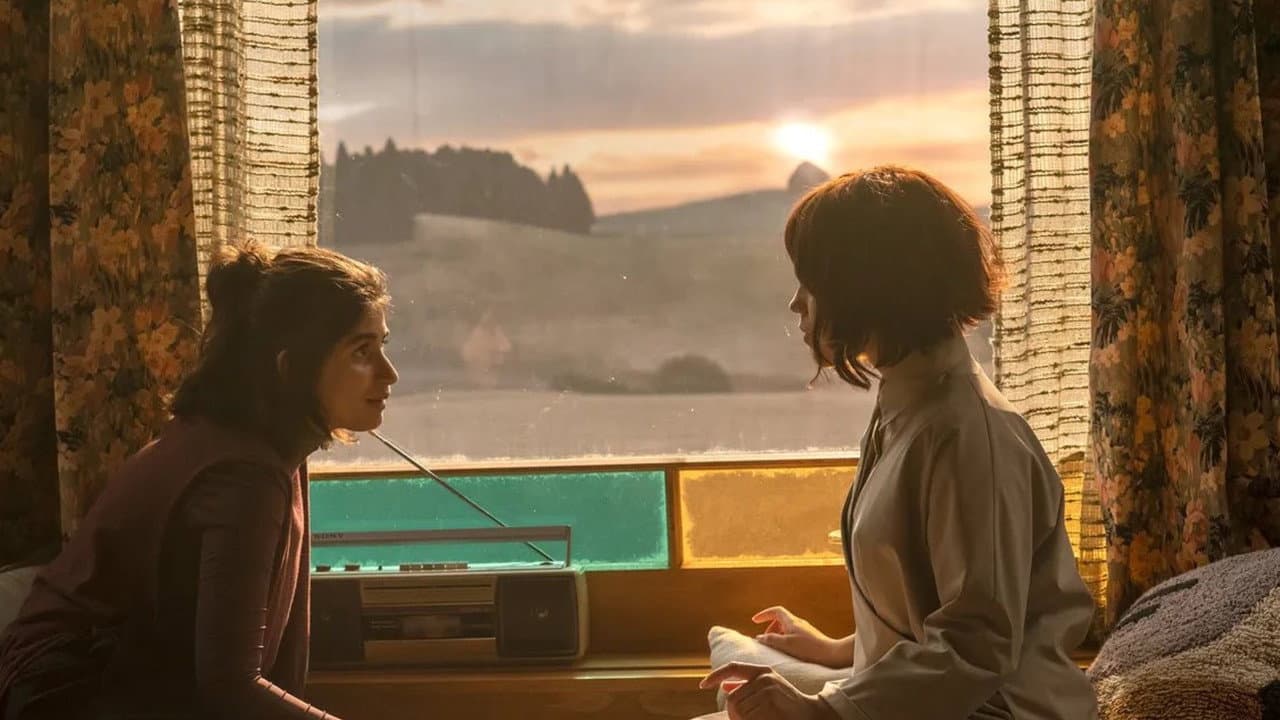
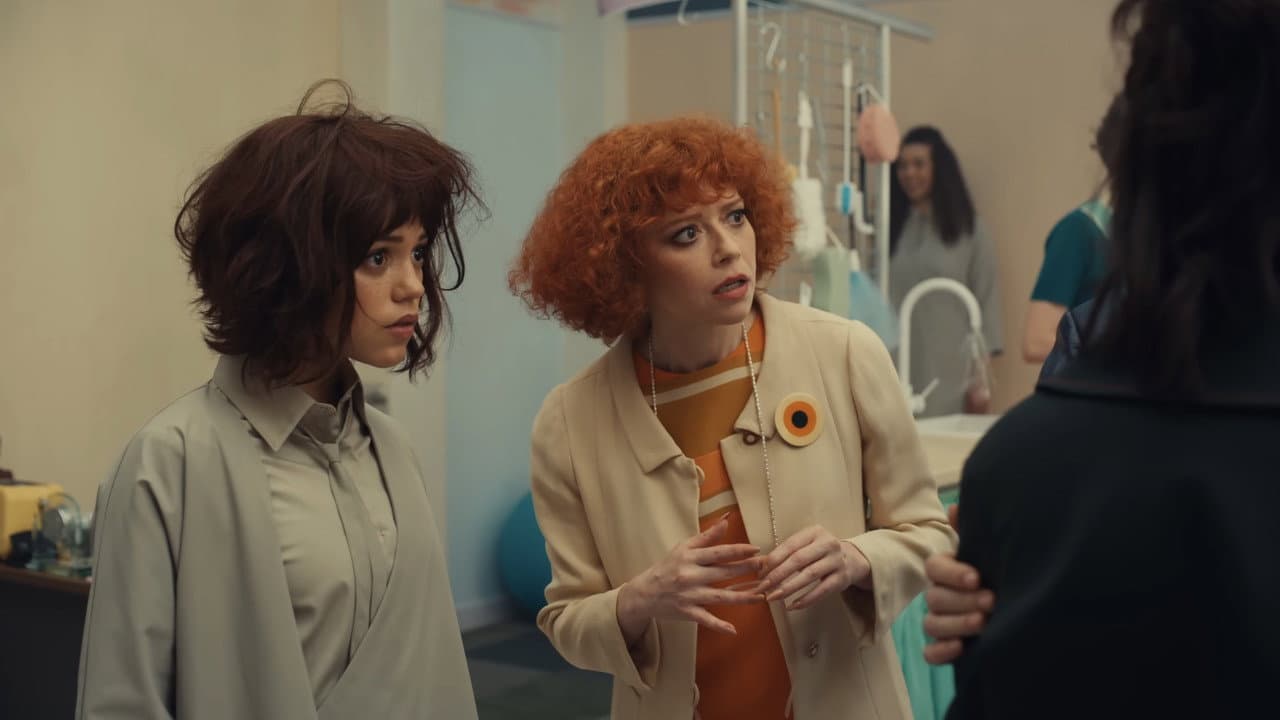
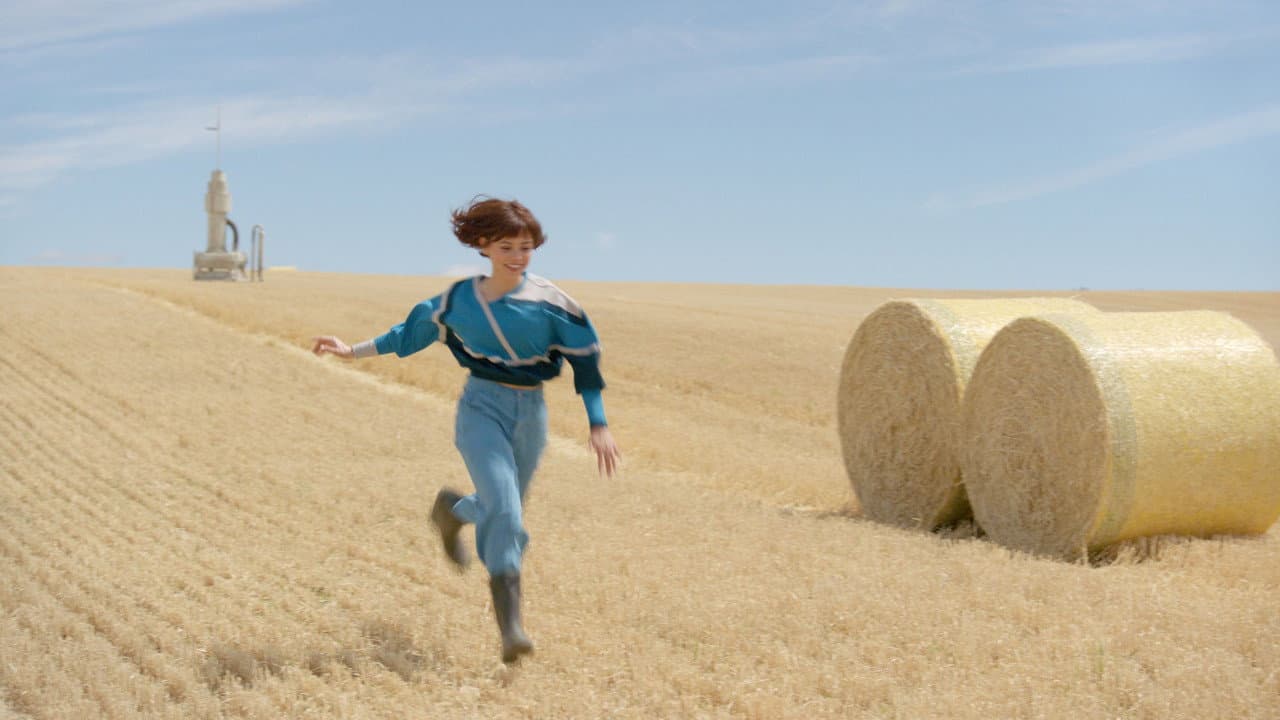
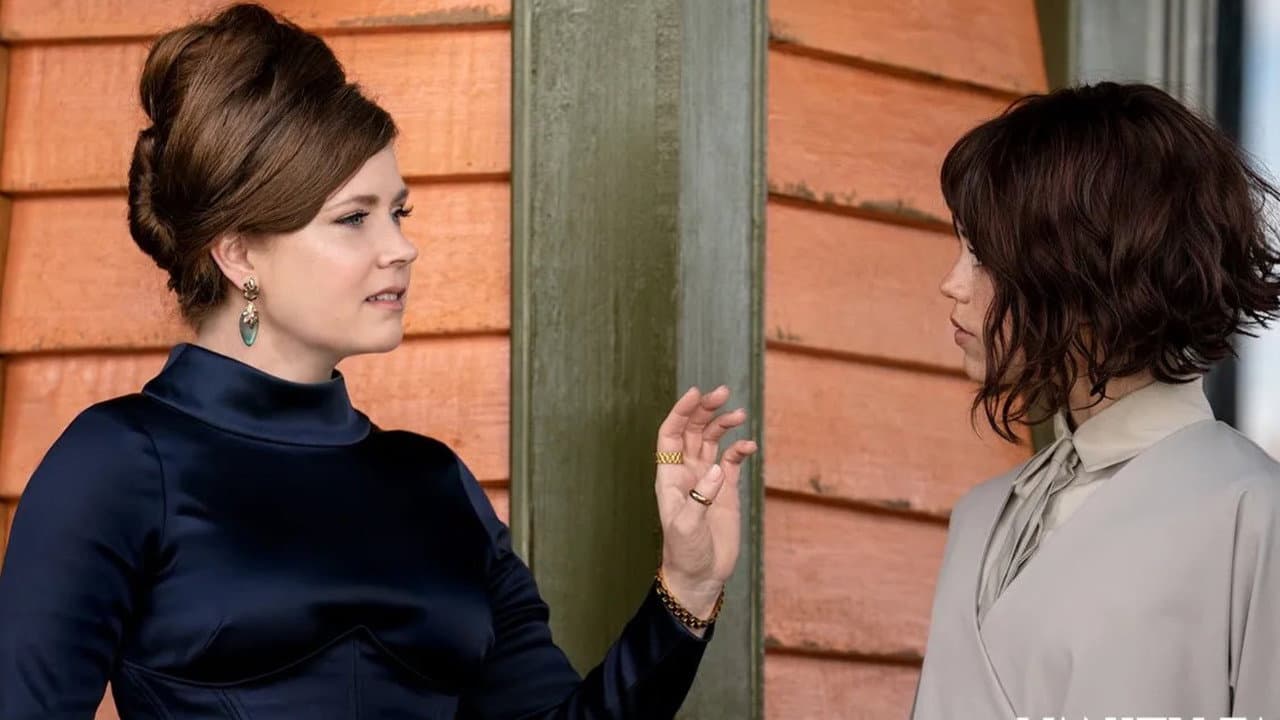
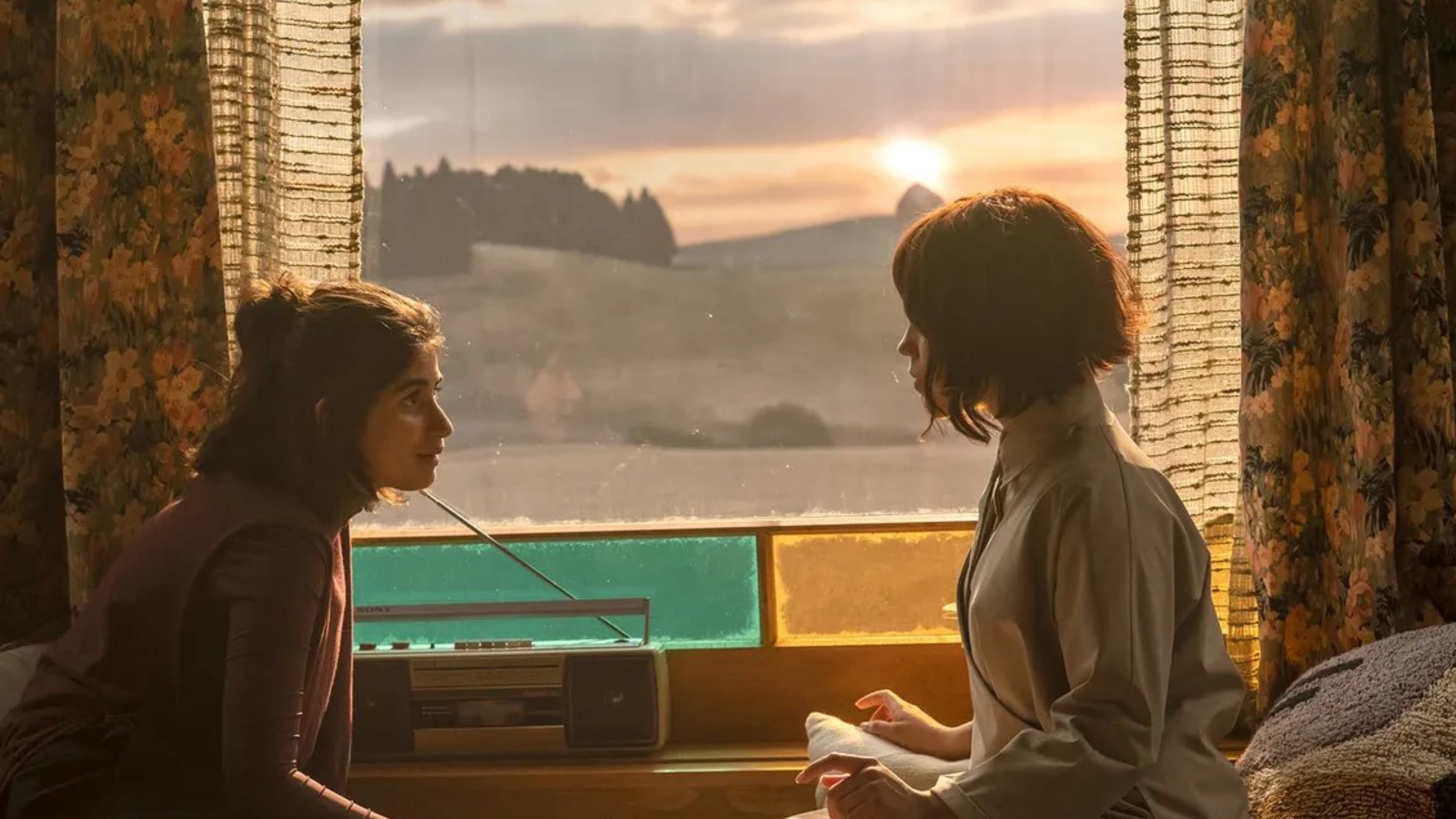
Waititi's latest stars Jenna Ortega as Klara, an Artificial Friend who develops a profound connection with a troubled young girl named Josie, played by Mia Tharia. The film follows Klara as her unwavering devotion and innocent wonder bring light and hope to a grieving family, and if that sounds like a softer, more humanistic spin on the robot story, that's precisely the point. The cast around Ortega is stacked: Amy Adams as Chrissie, Natasha Lyonne as Manager, Aran Murphy as Rick, Rachel House as Melania, Davida McKenzie as Simone, and Steve Buscemi rounding things out. It runs 116 minutes, and it's the kind of ensemble that suggests Hollywood still believes in the power of a single, weird, heartfelt movie.
A Director's Take on the AI Debate
On the topic of AI in Hollywood, Waititi's perspective lands somewhere between curiosity and eye-roll. He's spent his career bouncing between studio tentpoles and idiosyncratic passion projects, and he seems to view the current AI conversation as just the latest chapter in a long history of filmmakers fearing new tools. The director's position, as he's framed it, is that the technology is a lever - it can make the work faster, or it can make the work worse, depending on who's pulling it. What it can't do, in his view, is replicate the strange, messy, human impulse that makes someone want to tell a story in the first place. That's the part he keeps returning to, and it's a fitting thesis for a movie about a machine learning to care.
There's also a pleasing irony in the timing. Klara and the Sun is, at its core, a story about an artificial being whose greatest gift is emotional generosity. Waititi is promoting a film that argues for the irreplaceable warmth of connection while the industry around him debates whether algorithms can write a third act. He doesn't seem bothered by the contradiction. If anything, he seems to enjoy it.
Jenna Ortega Leads a Cast Built for Depth
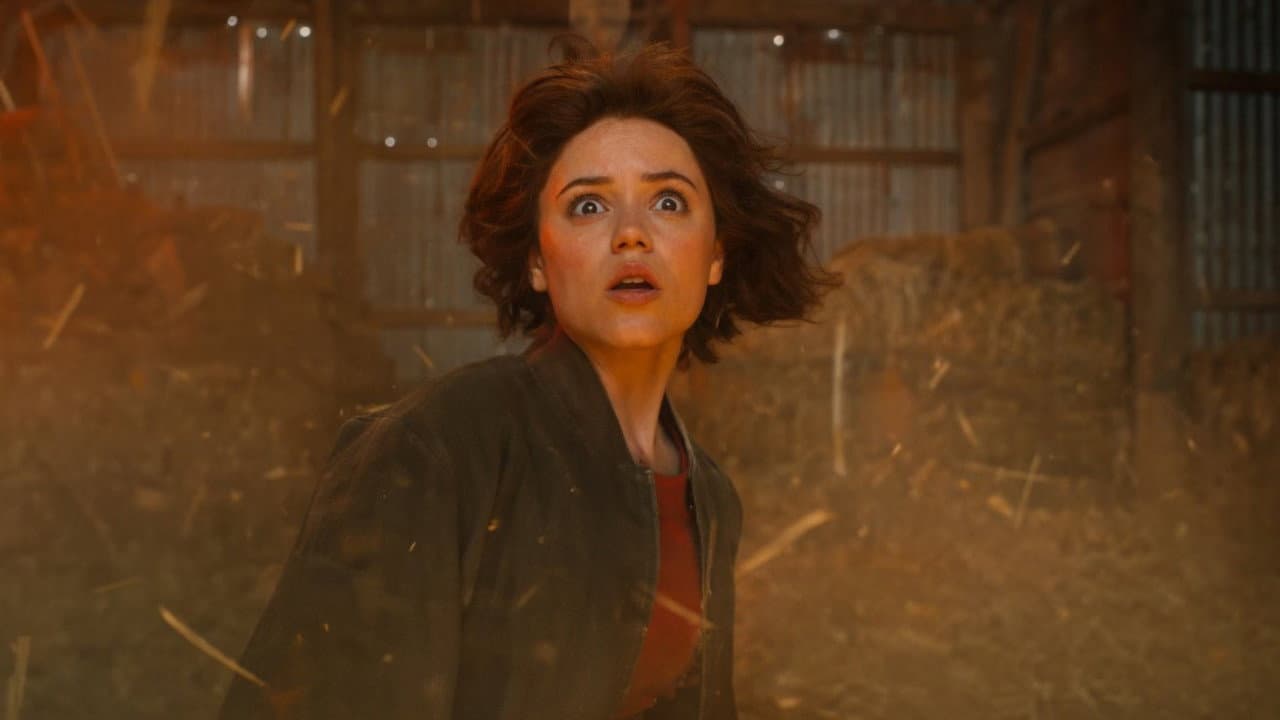
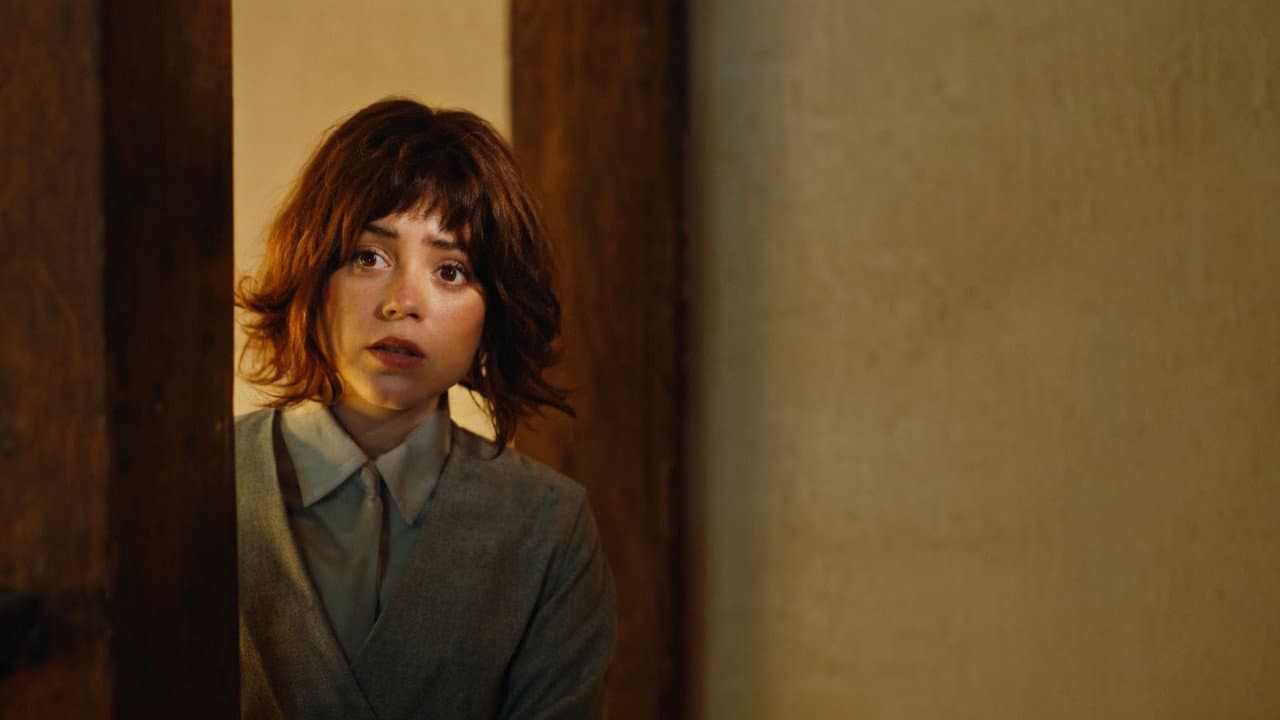
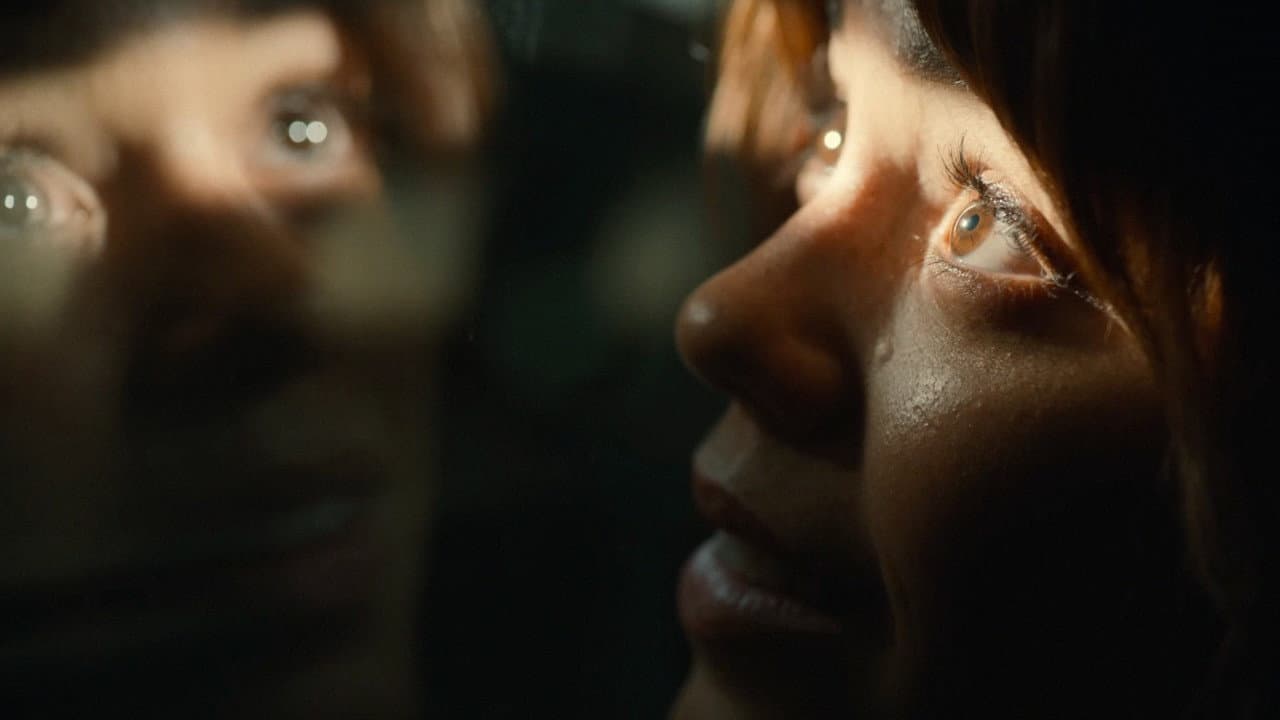
Ortega's turn as Klara is the engine of the whole thing, and it's a role that asks her to play something other than human without losing the humanity. It's a tricky needle to thread, and it's the sort of part that can define a young actor's range. Opposite her, Tharia carries the emotional weight as Josie, the girl whose world Klara enters, while Adams and Lyonne bring a lived-in gravity to the adult corners of the story. Buscemi's presence, as ever, promises a bit of unpredictable texture. The film's genre billing is science fiction and drama, but the marketing leans hard on the drama, which tells you where the heart of the movie sits.
What to Expect When It Lands
Klara and the Sun arrives in theaters on October 21, 2026, in English, and it's a Hollywood production through and through. The TMDb rating currently sits at 0/10, which is just the standard placeholder for a title that hasn't been widely rated yet - not a verdict, so don't read anything into it. What we do know is that Waititi has made a movie about devotion, grief, and the strange hope that can come from something that isn't quite alive. Whether audiences show up for a tender robot story in a season crowded with noise is the open question.
For now, the director's message is consistent: the machines are here, they're useful, and they're not the point. The point is the story. And if Klara and the Sun delivers even half the emotional wallop its premise promises, Waititi will have made his argument better than any op-ed ever could.
Source: The Hollywood Reporter