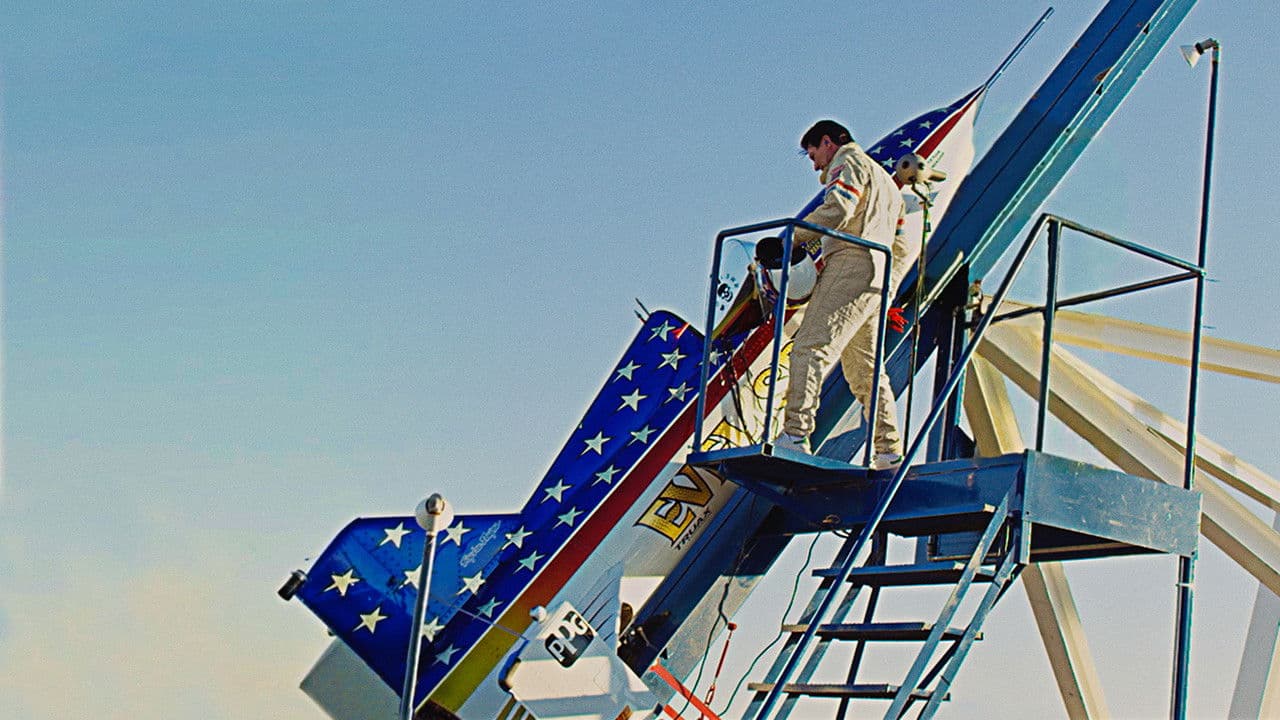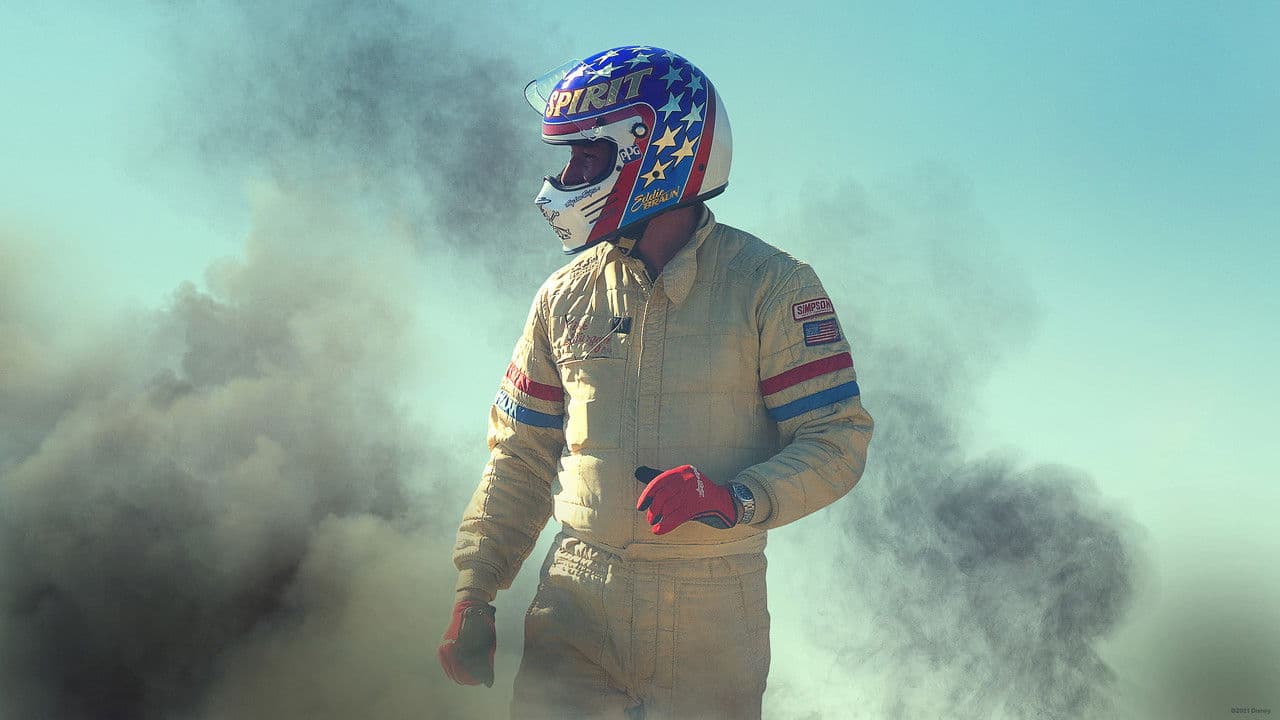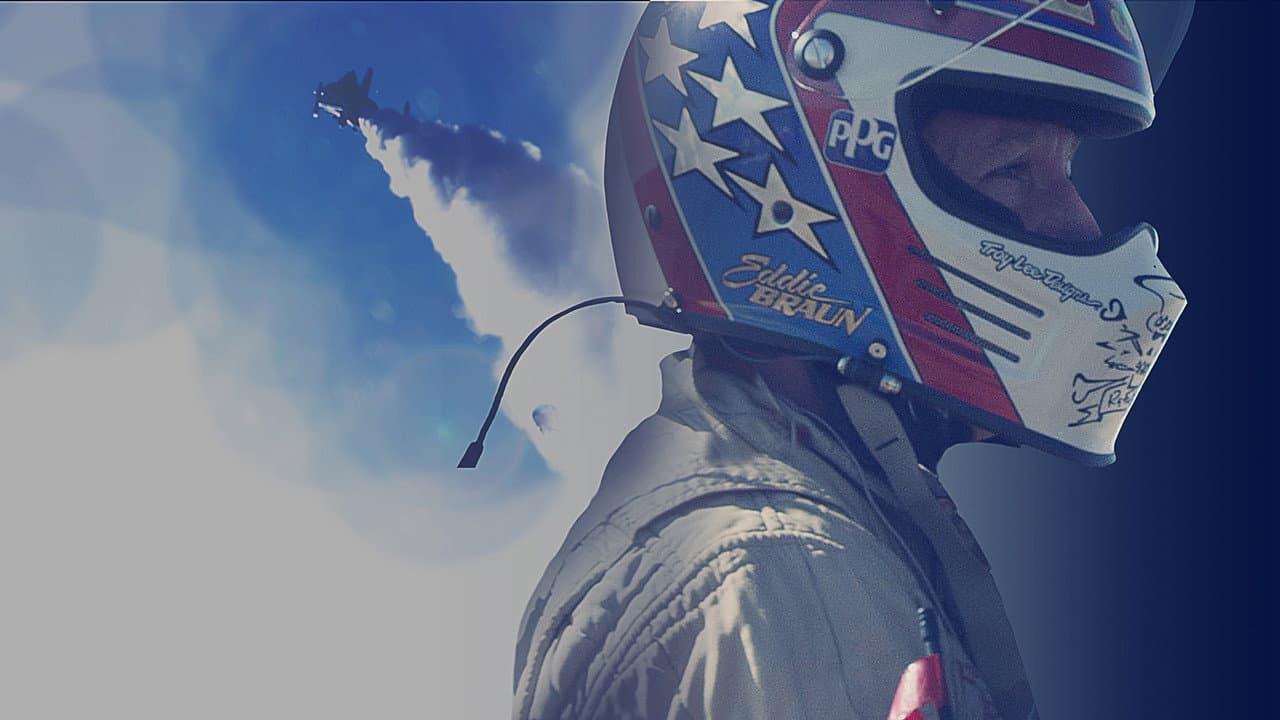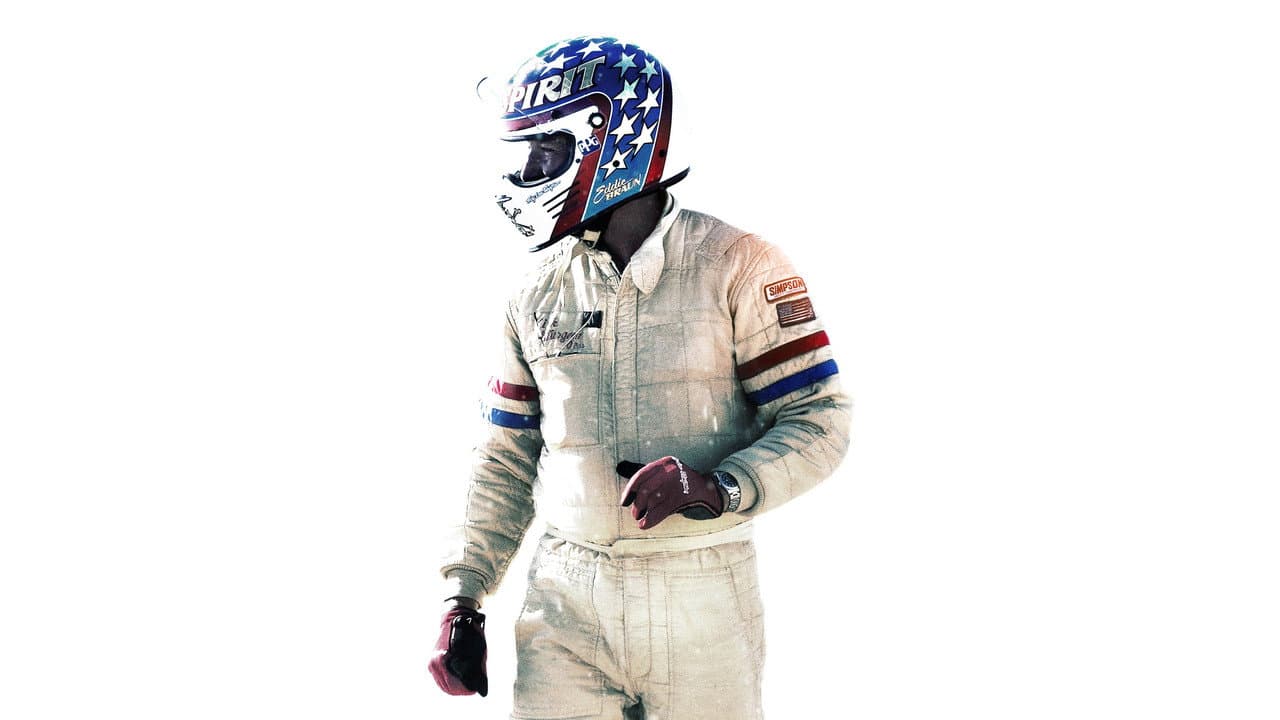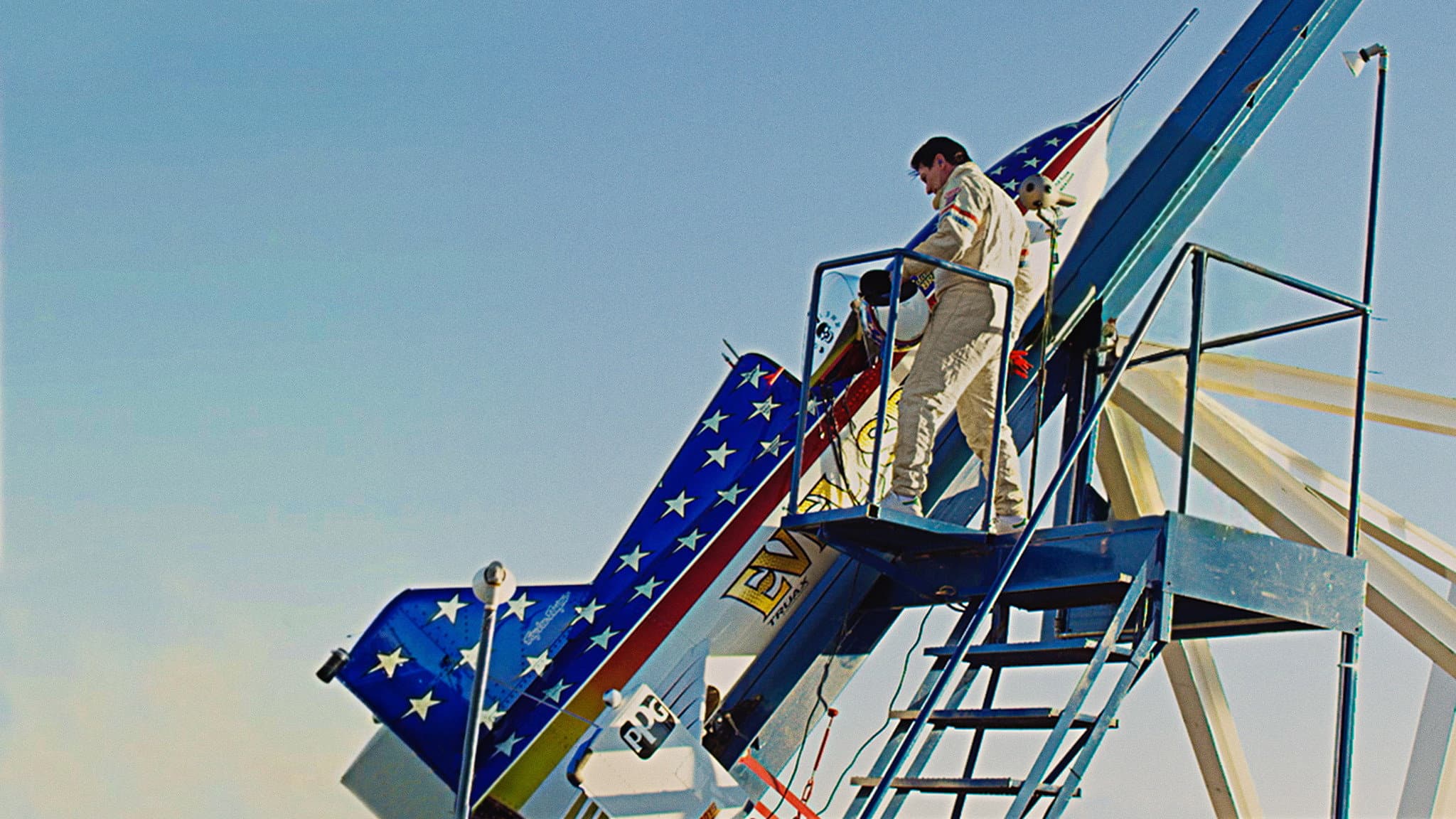
Eddie Braun had a score to settle with a canyon, and Hollywood gave him the tools to do it. That's the short version of Stuntman, Kurt Mattila's 2018 documentary that turns a decades-old daredevil dream into an unlikely, rocket-fueled comeback story. The film, which runs a tight 84 minutes, follows Braun - a veteran Hollywood stunt performer - as he attempts the one jump that haunted his hero, Evel Knievel: clearing the Snake River Canyon in a steam-powered rocket.
It sounds like the plot of a summer blockbuster. It isn't. It's a documentary, and a very Hollywood one at that - not just because of where it was made, but because of what it says about the town that made it possible.
A Canyon, a Rocket, and an Unfinished Bet
Knievel's 1974 attempt to soar over the Snake River Canyon in Idaho became one of the most famous failures in daredevil history. His "Skycycle X-2," designed by a team that included Scott Truax's father, never made it across. The jump passed into legend anyway - an American spectacle of ambition, danger, and a guy in a cape who refused to be sensible.
Braun grew up idolizing that spectacle. In Stuntman, he sets out to do what Knievel couldn't, and doing it requires more than nerve. It requires engineering, funding, and a small army of people who know how to keep a body intact when things go wrong at high speed. Truax, whose father built Knievel's original craft, appears in the film, picking up where his family's work left off. The documentary also features stunt professionals Buddy Joe Hooker, Conrad E. Palmisano, and Elia P. Popov, along with Gary Davis and - because this is still a movie business, after all - Slash.
That cast list tells you something. This isn't just one man versus gravity. It's a community project, built on the same relationships and reputations that keep movie sets running.
Why Hollywood Is the Secret Ingredient
The title of the story here is no accident: the secret to Stuntman's success is Hollywood itself. The industry that employs stunt performers gave Braun not only a career but a network - riggers, fabricators, coordinators, and veterans who understand risk in ways most of us never will. The film's behind-the-scenes story is a reminder that stunt work is a craft passed down through generations, often invisible to audiences who only see the actor who gets the credit.
Mattila, who directed and also appears on camera, treats the endeavor as both a personal quest and a tribute to an unsung trade. The result is a documentary that's less about explosions than about preparation - the unglamorous, meticulous work that makes a few seconds of glory possible.
Critically, the film landed as a modest but respectable performer with viewers. On TMDb, Stuntman holds a 6.66 out of 10 rating. That's a decent score for a niche documentary, and it suggests the story resonates beyond adrenaline junkies. There's something universally appealing about a guy who refuses to let a canyon have the last word.
A Story That Could Only Happen Here
It's worth noting that Stuntman is a Hollywood production through and through - made in the American film industry, in English, by people who spend their lives on sets. That context matters. The film's central gamble isn't just a physical feat; it's a product of an ecosystem where risk is professionalized and where legacy is taken seriously, sometimes to the point of obsession.
Braun's jump is the kind of thing that looks reckless from the outside and looks like a job from the inside. The documentary lets both perspectives breathe. You get the awe of the launch and the logistics of the launch, the myth of Knievel and the mechanics of a steam rocket built by people who knew exactly how much could go wrong.
Eight years after its 2018 release, Stuntman remains a strange little gem: part tribute, part thriller, part love letter to the people who fall down so the stars don't have to. It's available for anyone who wants to watch a man strap himself into a rocket and argue with a canyon that's been waiting since 1974.
And honestly? That's more suspense than most big-budget spectacles manage in two and a half hours.
Source: Creative Bloq