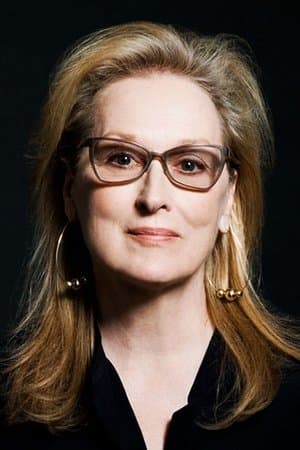
Well, this is one for the history books - literally. Meryl Streep, Colman Domingo, and Bill Hader are officially stepping into the haunting, fragmented world of Lincoln in the Bardo, the animated adaptation of George Saunders’ celebrated novel, and it’s shaping up to be one of the most intriguing voice casts of the year.
The project comes from Starburns Industries, the animation house known for pushing boundaries beyond the conventional cartoon lane. If you’re familiar with their work - think Anomalisa or the surreal stop-motion stylings of The Adventures of Mark Twain - you already know they’re not interested in making kid-friendly fluff. This is adult-minded, emotionally heavy material, and they’ve just stacked their ensemble with three actors who could read a phone book and make you cry, laugh, and question your existence in equal measure.
So what exactly is Lincoln in the Bardo about? If you haven’t read Saunders’ Booker Prize-winning novel, buckle up, because it’s a wild, genre-defying ride. The story unfolds over the course of a single night in 1862, as President Abraham Lincoln visits the crypt of his recently deceased young son, Willie. But that’s just the surface. The novel introduces readers to the “bardo” - a Tibetan Buddhist concept of an intermediate state between death and rebirth - where Willie finds himself trapped alongside a cast of restless spirits who are, shall we say, less than eager to move on.
These ghosts aren’t your typical wispy, sheet-draped spooks. They’re funny, flawed, gossipy, and desperately human. They chat, bicker, whisper secrets about their living days, and generally do everything they can to avoid facing the reality of their own passing. It’s a deeply original piece of storytelling, one that mixes historical fact with pure invention, and it’s already been praised as a masterpiece of narrative experimentation. Now, translating that to animation? That’s a challenge, but if anyone can pull it off, it’s the folks at Starburns with this caliber of voice talent attached.
Meryl Streep is, well, Meryl Streep. The living legend barely needs an introduction, but it’s worth noting that she’s spent the last few years hopping between prestige dramas and delightfully odd ensemble projects. Pairing her voice with the quirky, mournful inhabitants of the bardo feels like a natural fit for an actress who can summon both devastating grief and razor-sharp comedy in the same breath. What she’ll bring to this spectral ensemble is pure speculation at this point, but you can already imagine her commanding the space between worlds with remarkable grace.
Colman Domingo has been on a resounding career run that shows no signs of slowing down. With a Tony on his shelf and critically acclaimed performances in everything from Selma to The Color Purple and Sing Sing, Domingo’s voice carries warmth, authority, and a powerful sense of compassion. His addition to the bardo’s residents suggests a character with serious emotional weight, someone who might anchor the story’s more profound themes of loss and letting go.
And then there’s Bill Hader. If you’ve seen Barry, you already know that Hader excels at exploring the darker shades of human behavior while still keeping a spark of vulnerability - and occasional absurdity - alive. His improvisational instincts are legendary, honed for years at Saturday Night Live, but he’s also proven himself to be a thoughtful director and writer. For a multi-voiced narrative that jumps between dozens of perspectives, Hader’s range should make him a surprisingly nimble asset, capable of shifting gears from comic relief to genuine pathos at the drop of a hat.
The story’s lead - Abraham Lincoln himself - hasn’t been officially attached in this role as it stands in the announcement, and that’s fine. The buzz here isn’t just about casting; it’s about how this weird, wonderful literary adaptation might actually come together. The original novel is a mosaic of voices, constructed from snippets of historical quotes, fictionalized accounts, and footnotes that blur the line between truth and imagination. An animated film gives the creative team the freedom to play with visuals in a way live-action never could. Imagine shifting perspectives, fragmented scenes, and ghostly physics; animation is uniquely suited to capturing the disorienting, dreamlike quality of existence in the bardo.
Given Starburns Industries’ track record of experimental storytelling, fans can expect a visual style that leans into the eerie, the handcrafted, and the uncompromisingly artistic. This is not a project designed for mass-market multiplex appeal, and that’s exactly what makes it so exciting. This is for people who love films that challenge them, that ask questions about life after death, regret, and the bonds between parents and children.
The project itself hasn’t received an attached release date yet, which is typical for animation in early stages. Voice recording is often a lengthy, meticulously crafted process, especially when you’re dealing with actors of this caliber who’ll invest themselves in bringing nuanced characters to life. That’s fine. Good things take time.
Given the creative team's pedigree, there’s plenty of reason to be optimistic. When adaptations fail, it’s often because the filmmakers sanded the edges off the source material to make it more palatable for mass consumption. But with a source novel as unusual as Saunders’, being bold isn’t just a choice - it’s practically a requirement. The fact that stars of Streep, Domingo, and Hader’s level signed on suggests the script honors the spirit of the book rather than diluting it.
For now, all we have is this announcement and the rush of anticipation that comes with it. But if the stars align, Starburns Industries could deliver one of the year’s most poignant, unconventional cinematic experiences. Keep your eyes on this one. The bardo is calling, and by the sound of it, some incredible voices are ready to answer.
Source: The Hollywood Reporter