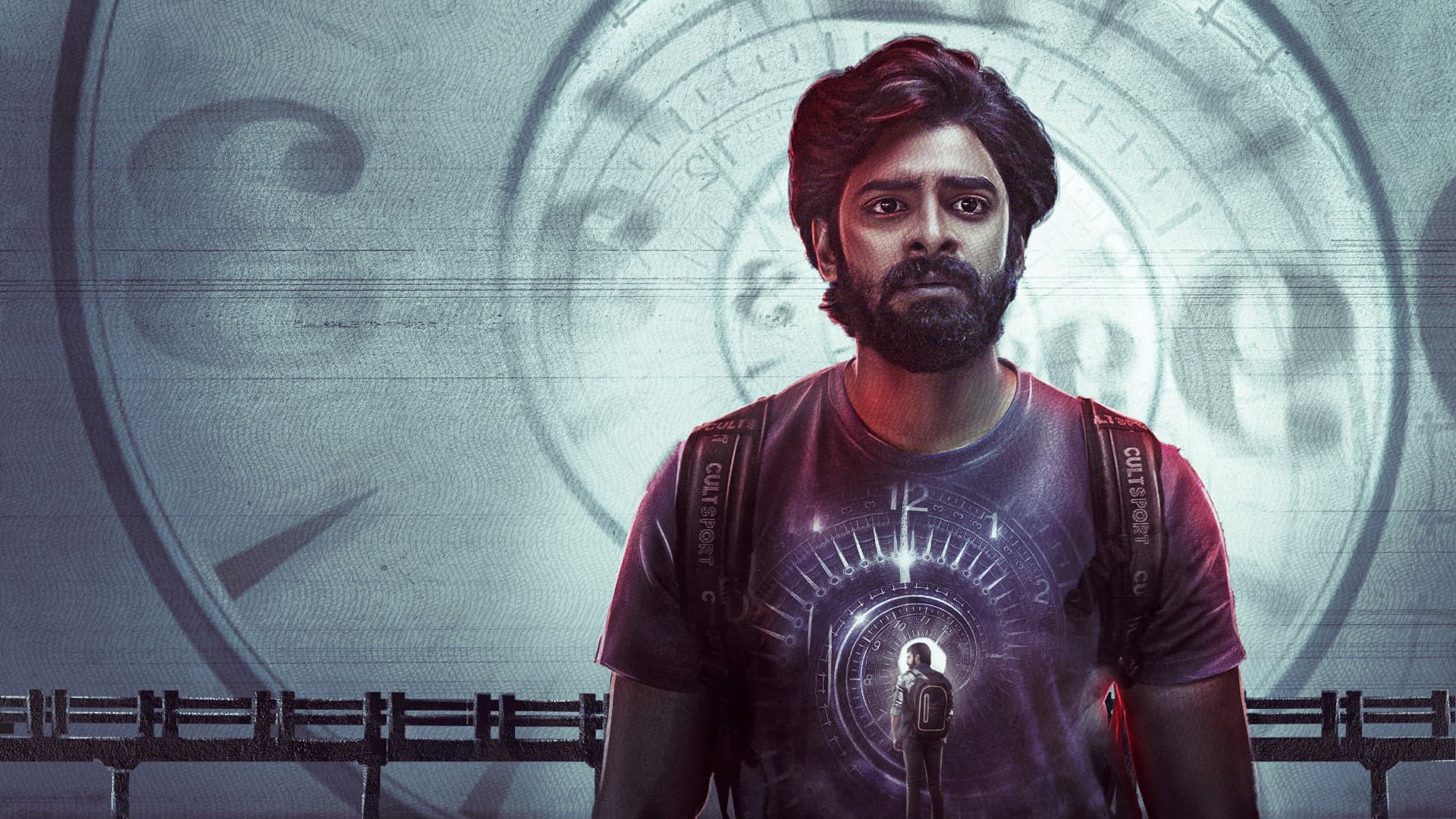
Srinidhi Bengaluru Brings Hollywood Horror to Video
Discover how Srinidhi Bengaluru applies Hollywood’s horror strategy to this new film, promising chills, thrills, and edge-of-seat suspense.
The horror genre has always been a playground for bold experiments, and it looks like Indian cinema is officially cribbing notes from the Hollywood playbook. Fresh buzz out of the industry suggests that filmmaker Srinidhi Bengaluru is taking a page straight out of the American indie horror scene, specifically the strategy that turned micro-budget scares into global phenomena. The idea here is simple but potentially game-changing: build terror on a shoestring, release it smartly, and let the audience do the marketing for you.
For years, the conventional wisdom in Indian filmmaking was that horror needed spectacle - big sets, elaborate VFX, and star power to sell tickets. Hollywood, however, rewrote that rulebook decades ago. Classics like The Blair Witch Project and modern juggernauts like Paranormal Activity proved that what truly terrifies audiences isn't the monster you see, but the one you barely glimpse. Srinidhi Bengaluru seems to be applying that exact logic to the Indian market, betting on atmosphere, sound design, and psychological dread over expensive jump-scare machinery. It’s a shift that could redefine how regional genre films are budgeted and marketed.
The real twist in this new approach, though, isn't just about the filmmaking - it's about the distribution. The strategy being referenced is the one where studios skip the traditional theatrical marathon and instead lean heavily into direct-to-video or streaming-first releases. This isn’t about dumping a movie quietly; it’s about a smart, focused launch that targets horror aficionados who actively hunt for fresh scares on digital platforms. By cutting out the massive prints and advertising costs of a wide theatrical release, the film can rely on word-of-mouth and niche community excitement, which horror fans are famously great at generating.
The logic is airtight when you look at the numbers that have come out of the West. Films that cost a few hundred thousand dollars have gone on to gross hundreds of millions globally, purely because they tapped into a primal fear that doesn't require expensive visuals to be effective. Srinidhi Bengaluru’s move suggests a keen understanding of this economic model, one that prioritizes return on investment over blockbuster bravado. It’s a pragmatic approach that could easily become the new template for mid-tier Indian horror filmmakers who have great scripts but lack the deep pockets of major studios.
Of course, this doesn’t mean we’re going to see a sudden drop in flashy Bollywood horror spectacles. There will always be room for the big, loud, VFX-heavy ghost stories that pack multiplexes. But what this signals is a healthy diversification of the genre. It opens up a lane for raw, gritty, and deeply unsettling films that might have previously been considered "too small" for a mainstream release. The beauty of horror is its intimacy - the genre works best when it feels personal, and that often translates better on a laptop screen in the dark than in a crowded theater filled with distractions.
For the audience, this is a win-win. It means a faster turnaround from production to release, meaning we get to see fresh, innovative horror sooner rather than later. It also means that filmmakers can take bigger creative risks. When you're not trying to appeal to the broadest possible demographic to justify a massive budget, you can afford to be weird, to be slow-burning, and to trust your audience to keep pace. The result could be a wave of truly unique Indian horror films that feel more like indie darlings than mass-market products.
The insiders' whispers suggest that this is just the beginning. If this particular project succeeds, it could trigger a domino effect, encouraging other regional filmmakers to explore direct-to-digital releases with the same strategic rigor. The entertainment landscape is already shifting under our feet - OTT platforms have turned our living rooms into private cinemas - and it makes perfect sense that horror, the most intimate and visceral of genres, would lead the charge in this new frontier.
Srinidhi Bengaluru is essentially saying that you don’t need a mountain of cash to make an audience scared out of their wits; you just need a clever script and a smart release plan. It’s a refreshingly modern take in an industry often bogged down by traditional pressures. Whether or not this specific film turns out to be a masterpiece, the strategy itself is a masterclass in adaptation. It’s about surviving and thriving in an era where attention spans are short and competition for eyeballs is brutal.
As this project gears up for its release, all eyes will be on the reception. If the gamble pays off, we might look back on this as the moment Indian horror got a much-needed adrenaline shot. The genre has always been resilient, finding new ways to scare us generation after generation. And right now, it looks like the scariest thing about this new wave might be how efficiently it spooks us without breaking the bank. Keep the lights on, folks - the smart era of horror is officially here.
Source: The New Indian Express