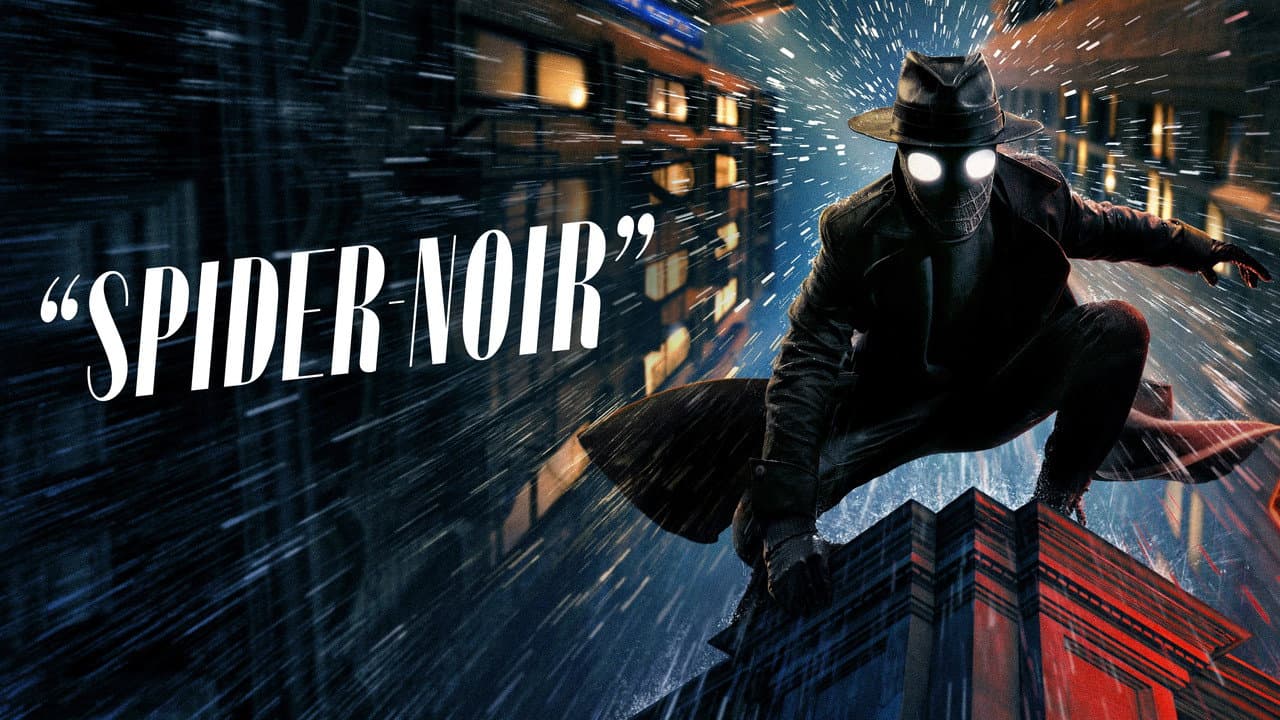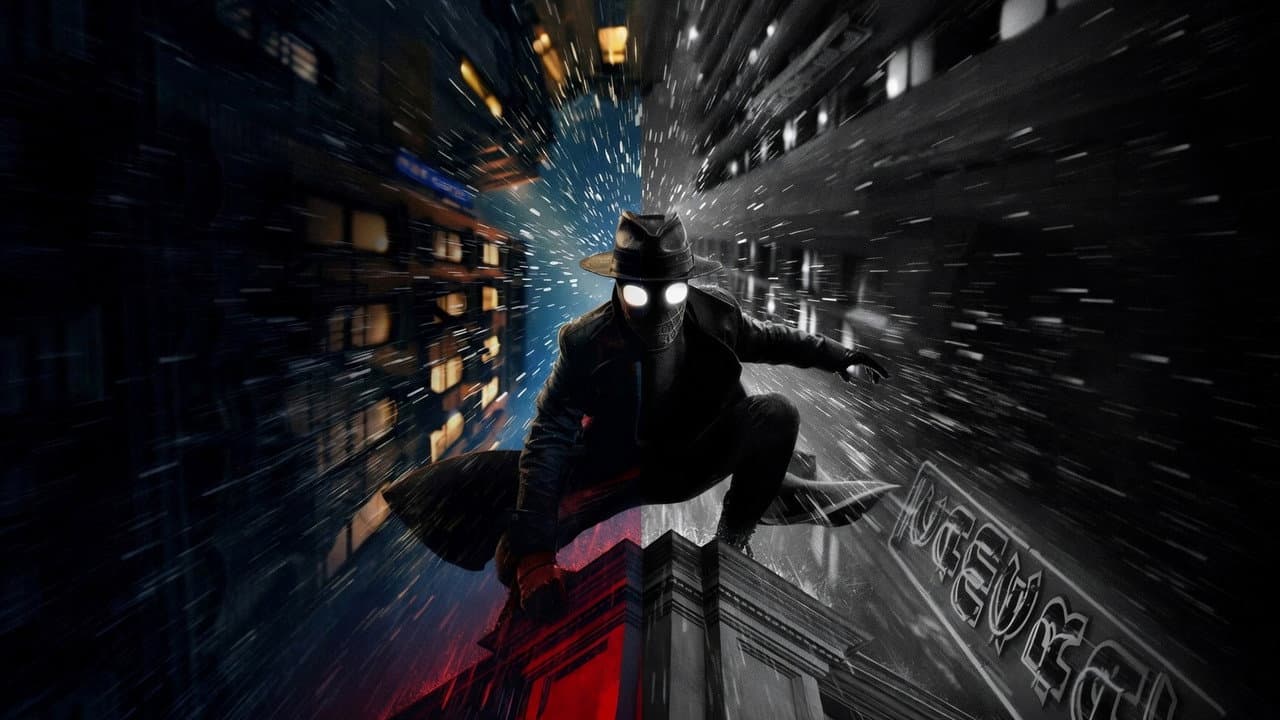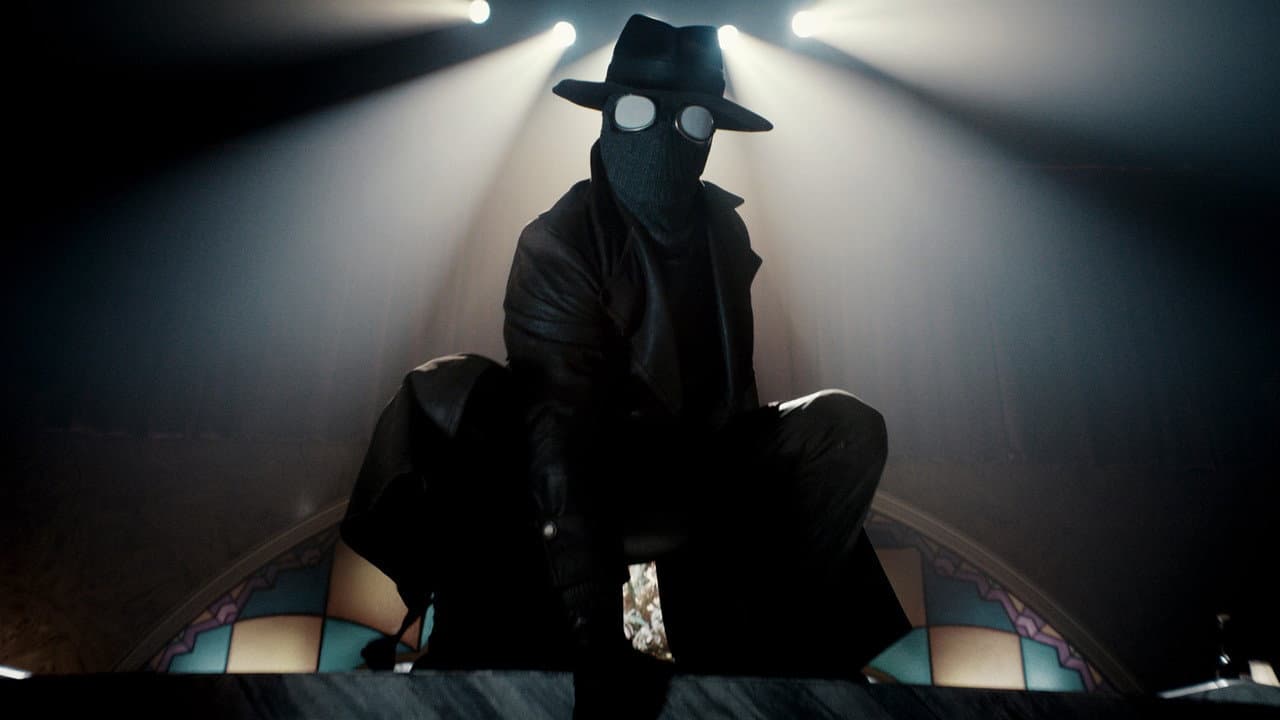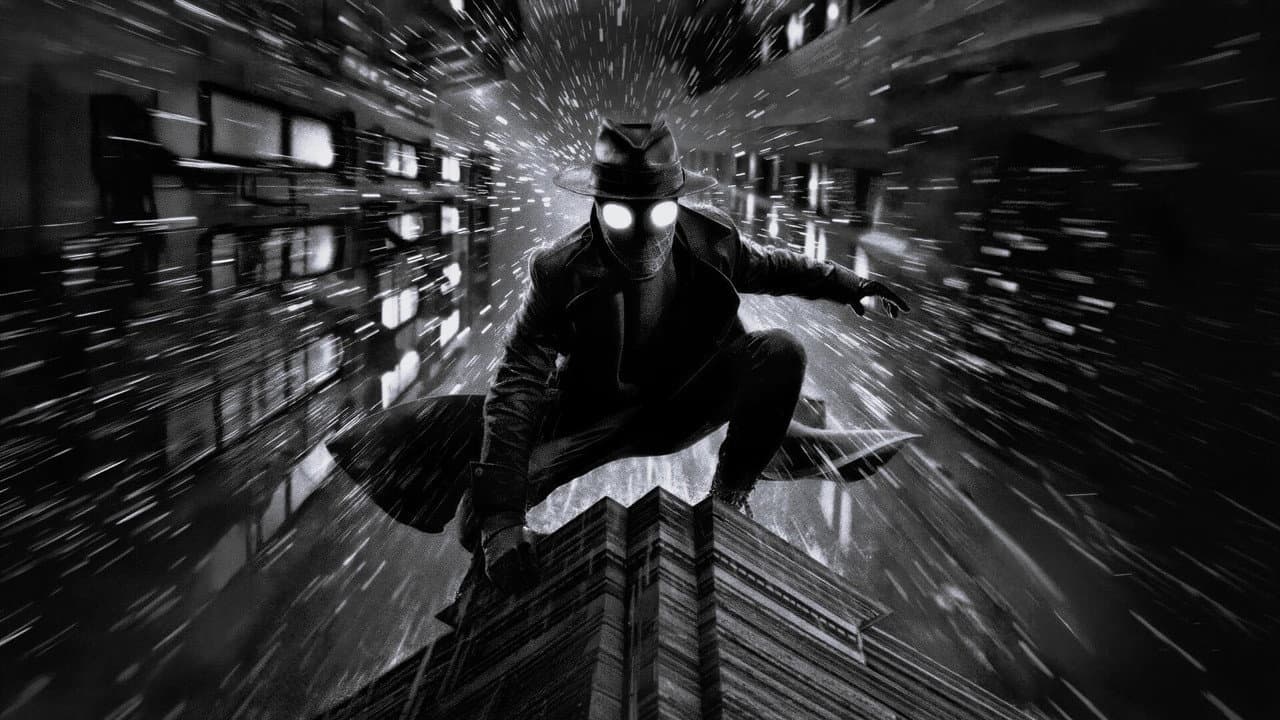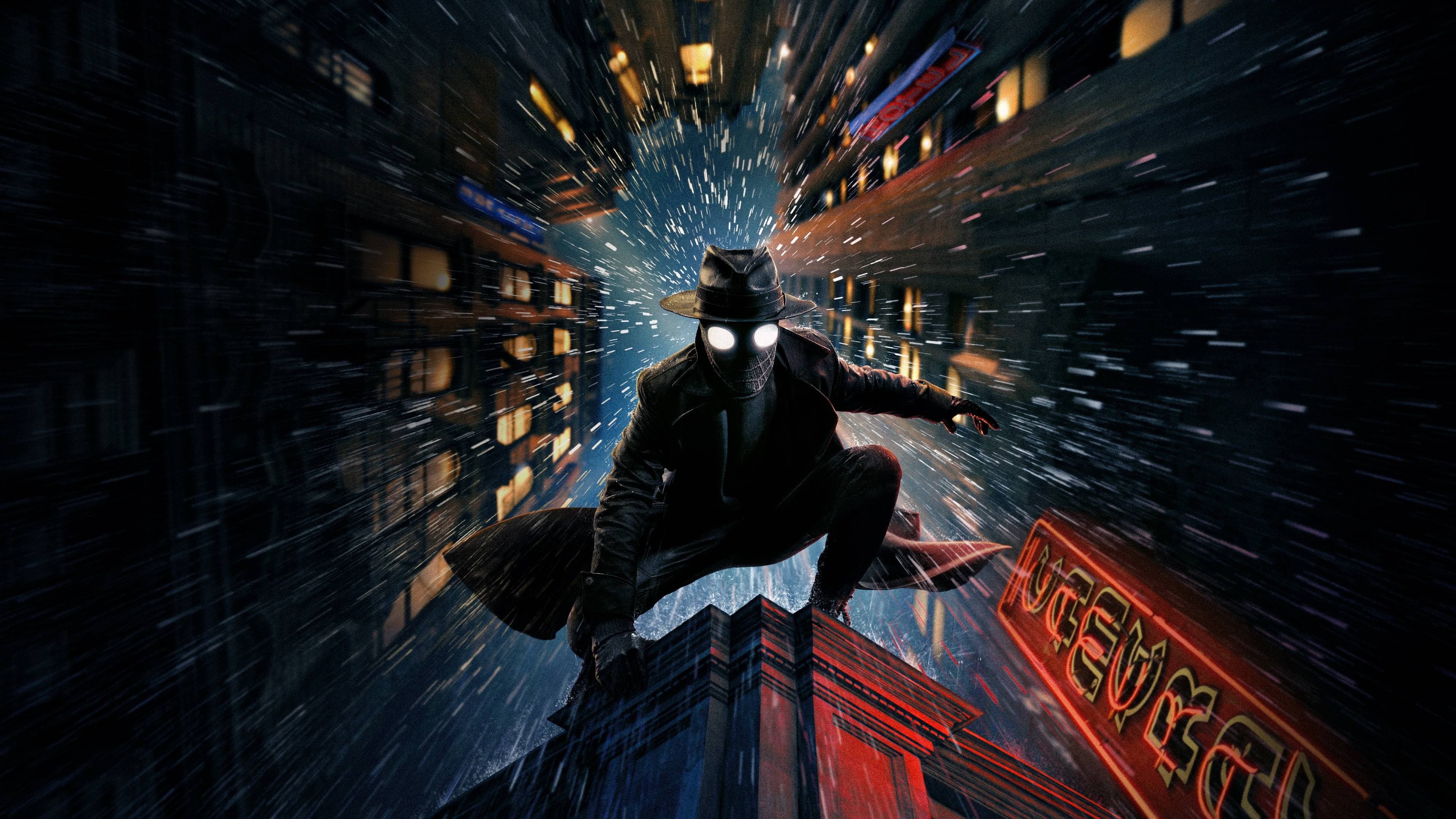
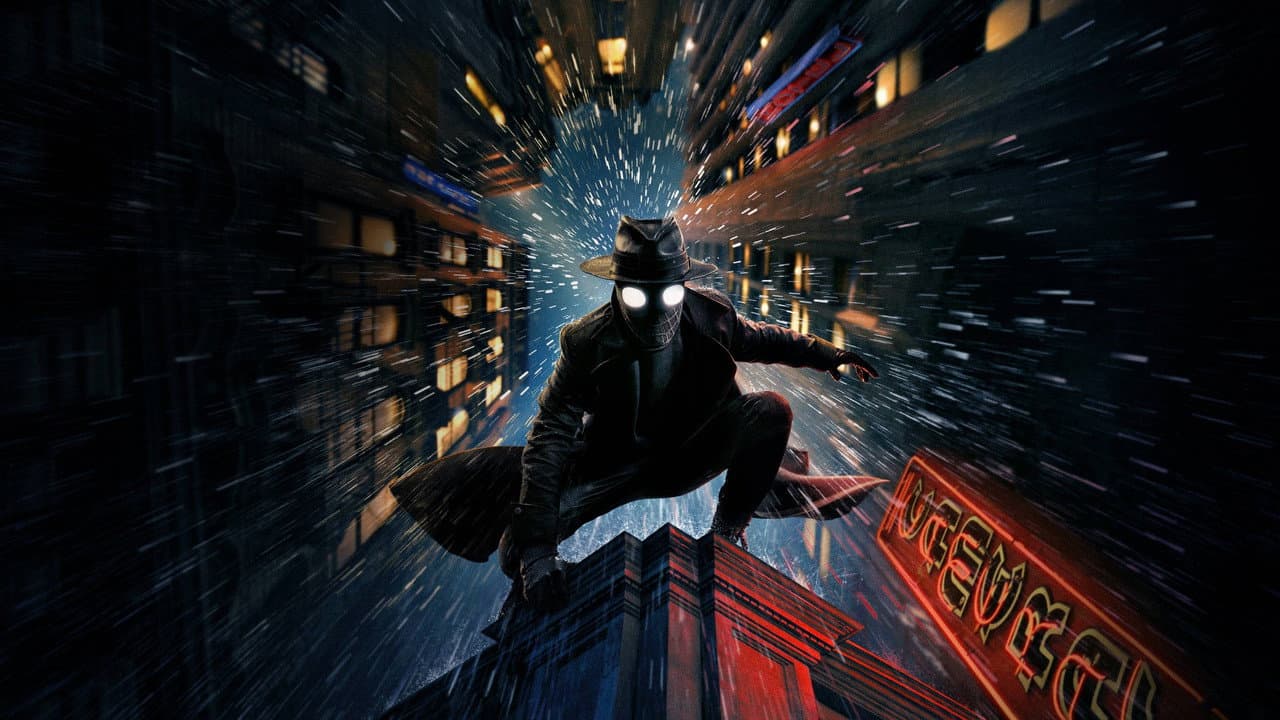
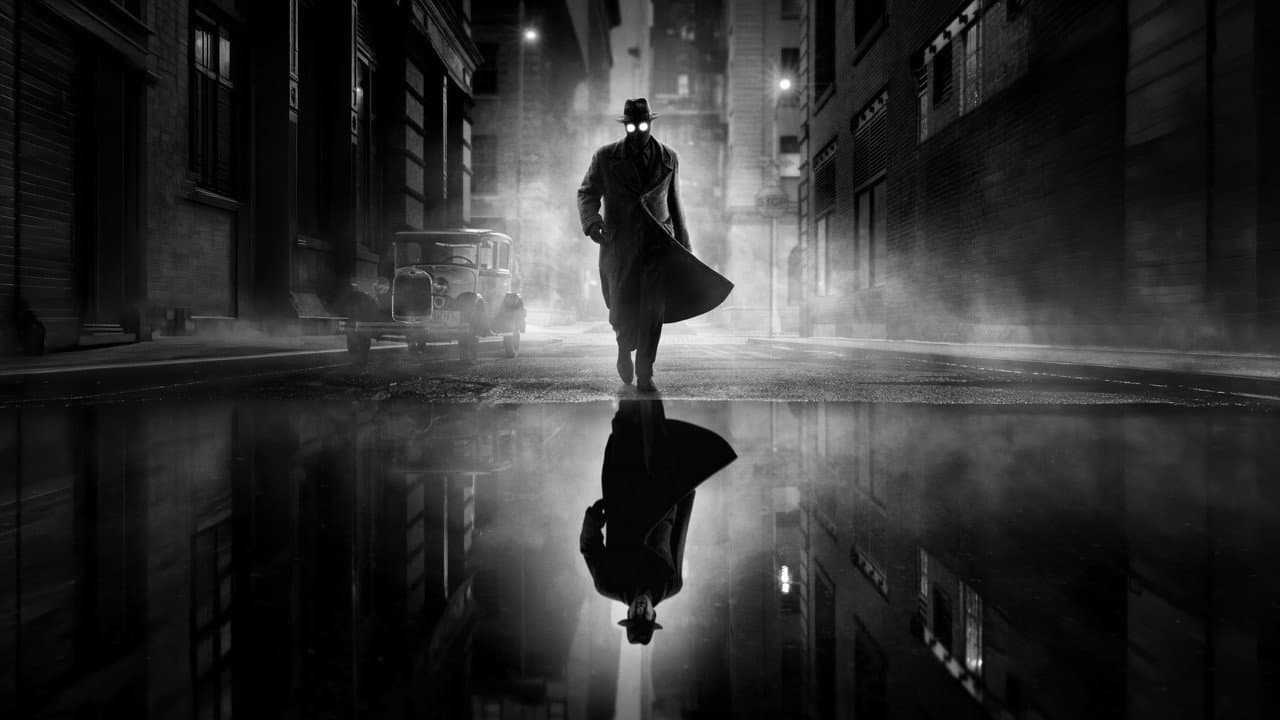
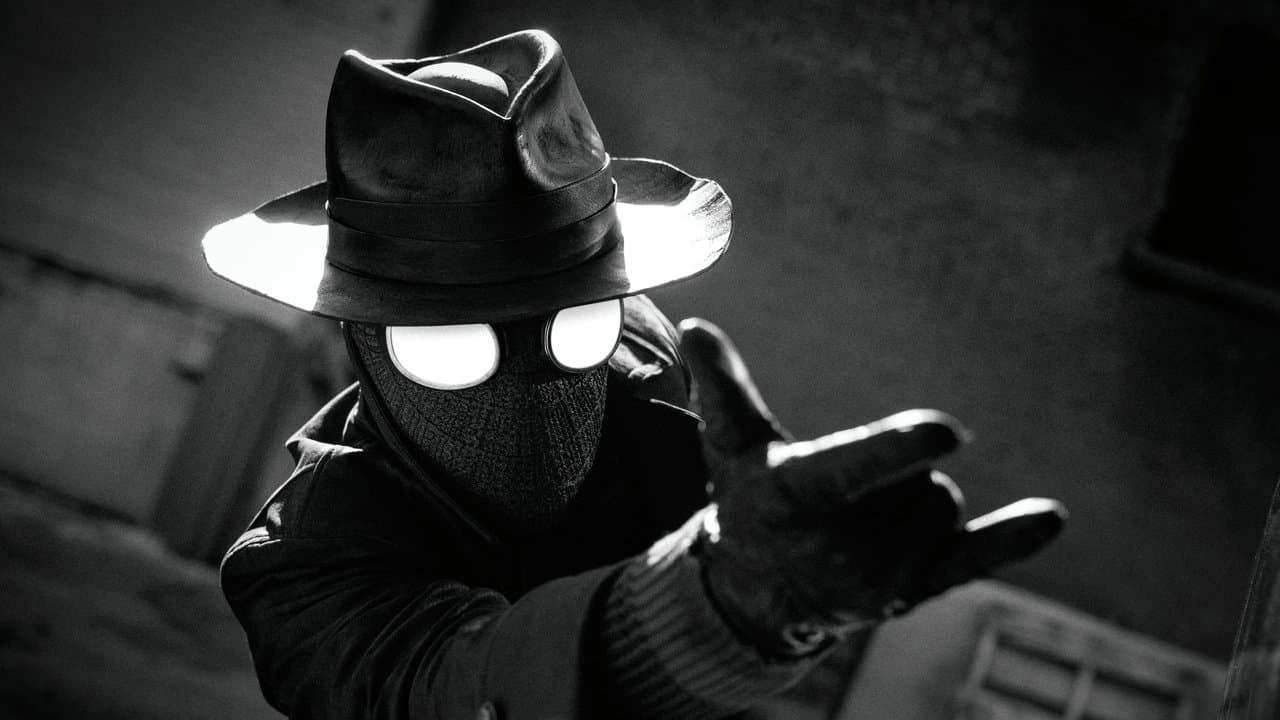
Well, folks, it’s officially official: the curtain has closed on Prime Video’s Spider-Noir. After just one season of moody monologues and fedora-drenched detective work, the streaming giant has pulled the plug on Nicolas Cage’s return to the web-slinging universe. The news broke on September 4, 2026, and while it stings for fans of the creatively ambitious series, it’s a reminder that even superheroes aren’t safe from the chopping block.
The show, which premiered on May 25, 2026, was never going to be your typical cape-and-cowl affair. Set in a 1930s New York that feels like it crawled straight out of a Raymond Chandler novel, the series followed Ben Reilly, a washed-up private investigator who’s long past his prime. But here’s the twist: this Reilly wasn’t just any gumshoe - he was once the city’s only superhero, and now he’s forced to confront the ghost of that legacy while dodging bullets and bad guys in a world that’s moved on without him. Think The Maltese Falcon meets Spider-Man, but with more cigarette smoke and existential dread.
An All-Star Cast That Couldn’t Save the Day
If there’s one thing Spider-Noir nailed, it was the casting. Cage anchored the whole affair as Ben Reilly, bringing his signature brand of unhinged intensity to a role that demanded both weary cynicism and flashes of superheroic glory. He wasn’t alone, though. The supporting roster was stacked with talent: Lamorne Morris stepped in as Joe “Robbie” Robertson, bringing some much-needed warmth to the grimy setting, while Li Jun Li played Cat Hardy with a sharp edge that suggested she could hold her own in any alleyway brawl. Karen Rodriguez’s Janet Ruiz and Abraham Popoola’s Lonnie Lincoln (a.k.a. Tombstone) added layers of menace, and Jack Huston’s Flint Marko hinted at a tragic backstory that never got its full due. Rounding out the crew was Brendan Gleeson as Finn “Silvermane” Byrne, proving that even in the 1930s, crime lords had the best names.
Critics and audiences alike seemed to vibe with it, too. The show pulled in a solid TMDb rating of 8.353 out of 10, which is no small feat for a genre mashup that could have easily collapsed under its own weirdness. That score suggests people genuinely connected with the show’s tone - a blend of noir mystery, crime drama, and action that felt fresh even in a crowded superhero landscape. But as we all know, critical goodwill doesn’t always translate to the kind of numbers that keep streaming executives happy.
Why Did the Web Snap?
So, what went wrong? The honest answer is that we don’t have the full picture yet. Prime Video hasn’t released a detailed post-mortem, and it’s likely that a mix of factors did the show in. For one, period-piece superheroes are a tough sell. The 1930s setting was a bold creative choice, but it also meant the production carried a heavier cost - elaborate set designs, vintage costumes, and the kind of visual flair that doesn’t come cheap. Viewers showed up, sure, but perhaps not in the droves needed to justify that kind of budget.
There’s also the matter of franchise fatigue. Audiences have been swimming in superhero content for over a decade now, and while Spider-Noir was refreshingly different, it still had to compete with the sheer volume of other comic-book adaptations flooding screens. It’s harder than ever to carve out a niche when viewers are juggling multiple streaming subscriptions and dozens of new releases every month. Sometimes a great show just gets lost in the shuffle.
A Legacy Beyond the Stream
It’s a shame, really, because Spider-Noir felt like it was building toward something special. The premise had legs - a hero who’s past his prime, forced to reckon with what he used to be - and the cast was clearly having a blast sinking their teeth into the material. Cage, in particular, seemed born to play a weary, world-weary Spider-Man variant. There was talk of this being a passion project for him, and you could feel that energy in every scene.
But here’s the thing about the streaming era: nothing is guaranteed. Shows live and die by algorithms, and sometimes even a beloved, well-crafted series can’t escape the ax. The cancellation leaves a dangling thread for anyone who got invested in Reilly’s journey. Will we ever see what happened next? At this point, it seems unlikely, but stranger things have happened in Hollywood. Revivals and spinoffs are always on the table, especially when a property has this much creative potential.
For now, though, fans will have to bid farewell to this particular corner of the Spider-Verse. It was a bold experiment, and while it didn’t get the runway it deserved, it’s a reminder that not every swing out of the park is a home run. Sometimes you get a gritty, stylish, wonderfully odd single-season wonder - and that’s okay. As Ben Reilly himself might say, the night is always darkest before the dawn. Even if that dawn never comes.
Source: The Hollywood Reporter