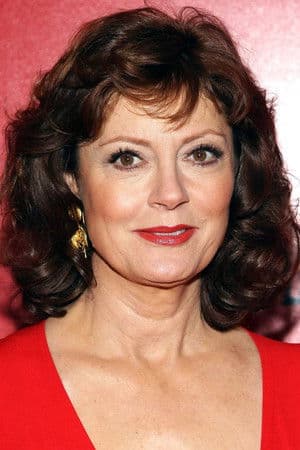
Susan Sarandon has never been the type to bite her tongue, and lately, that refusal to stay quiet is costing her in ways that go far beyond a few heated Twitter spats. The Oscar-winning actress, long celebrated as much for her outspoken political fire as for her iconic screen roles, is reportedly facing real professional consequences as her activism intensifies. While Sarandon has always worn her convictions on her sleeve - whether marching for women’s rights or sparring with Hollywood’s power structures - sources suggest that the current climate has left some industry doors swinging shut.
The fallout isn’t coming from a single scandal or one viral moment, but rather from a cumulative effect of years spent pushing back against the establishment, both in Washington and in Tinseltown. Sarandon has been a vocal critic of the Democratic Party’s centrist wing, a stance that has alienated some liberal power players who once championed her. In an industry where relationships are currency, that friction has reportedly translated into fewer offers, with some studios wary of attaching her name to projects that might come with unwanted political baggage. It’s a cynical calculus, but one that has long defined Hollywood’s relationship with its most outspoken stars.
The irony isn’t lost on longtime observers. Sarandon’s career has thrived on her willingness to defy expectations, from her breakthrough in The Rocky Horror Picture Show to her fearless turn in Thelma & Louise and her heartbreaking work in Dead Man Walking, which earned her an Academy Award. That same rebellious energy made her a beloved figure on the festival circuit and a reliable headline generator at award shows, where her acceptance speeches often veered into call-to-action territory. For decades, her activism was seen as part of her brand, a feature rather than a bug. Studios tolerated the red-carpet protests because her box-office appeal and critical cachet made the headache worth it.
But the entertainment landscape has shifted under her feet. The kind of searing political discourse that once felt like a refreshing dose of authenticity now reads as risky to risk-averse executives. With streaming platforms dominating the market and every release scrutinized through a hyper-partisan lens, a single actor’s famous opinions can become a liability in ways that were unimaginable during Sarandon’s 1990s heyday. That’s not to say she’s been blacklisted in any official sense - Hollywood rarely operates with that kind of blunt instrument - but the more subtle exclusion from shortlists and invite-only gatherings can be just as damaging to a career.
Sarandon herself hasn’t softened her stance. In recent interviews, she’s doubled down on her belief that artists have a moral obligation to speak out, even when it comes at a personal cost. She’s pointed to her own history, noting that she’s lost roles before because of her politics and that she’s learned to view those moments as badges of honor rather than setbacks. It’s a defiant posture that has endeared her to a new generation of fans who see her not as a relic of a bygone era but as a blueprint for how to age in an industry that often discards its women.
What makes this moment especially tricky, though, is that Sarandon isn’t just complaining from the sidelines. She’s putting her money and her time where her mouth is, showing up at protests, lending her voice to grassroots campaigns, and using her platform to amplify causes that don’t come with corporate sponsorship. That kind of genuine commitment can scare off the very people who once wrote her checks, not because they disagree with her causes but because they fear the optics. A star who’s willing to be arrested at a rally is a star who might not show up for a press junket with the right kind of manufactured enthusiasm.
There’s also a generational tension at play. The younger actors who now dominate franchise casting have grown up in an era of carefully managed personal brands, where every social media post is vetted and every public appearance is choreographed. Sarandon, by contrast, represents an older Hollywood archetype - one where the star and the activist were allowed to blur into one messy, unpredictable personality. That unpredictability is precisely what some producers now see as a risk, even as audiences increasingly claim to want authenticity from their celebrities.
Still, it would be a mistake to write Sarandon off as yesterday’s news. She remains a formidable figure in independent cinema, where her willingness to take chances on unconventional roles is prized rather than punished. Festivals like Sundance and Telluride still greet her with open arms, and her presence can elevate a modestly budgeted picture into a conversation piece. She’s also become a mentor of sorts, using her experience to guide younger performers who are trying to find their footing in an industry that often punishes conviction.
The bigger question is whether Hollywood’s current risk aversion will eventually loosen its grip. History suggests it might. The industry has a way of coming back around to the outspoken figures it once sidelined, especially when audiences start to value substance over safety. Sarandon has weathered these storms before, and she’s shown no signs of backing down from this latest one. If anything, the pushback seems to have energized her, reminding her of why she fell in love with storytelling in the first place - as a way to ask uncomfortable questions and agitate for change.
For now, the fallout is real, but so is Sarandon’s resilience. She’s built a career on being the voice that speaks when others stay silent, and if that means fewer blockbuster paydays and more niche character studies, she’s made it clear she’s okay with that trade. In a town that often rewards conformity, Susan Sarandon remains a stubborn reminder that the loudest voices in the room are sometimes the ones worth hearing. Whether Hollywood chooses to listen is another story entirely.
Source: Devdiscourse