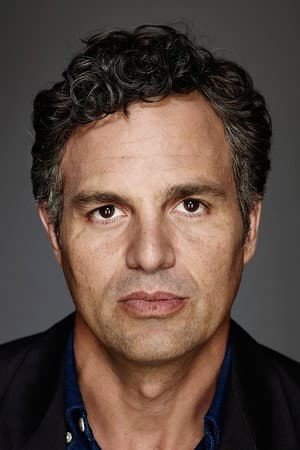
Hollywood isn't staying quiet this time. Mark Ruffalo, Michael Moore and a growing list of other big-screen names have signed on to condemn the five-year prison sentence handed to celebrated Iranian filmmaker Jafar Panahi - a director whose real-life story reads like one of his own films, except nobody wrote a happy ending.
Ruffalo has been one of the loudest voices in the industry on human-rights issues for years, and his involvement here lands with real weight. Moore, a director whose entire career is built on speaking truth to power, is equally unsurprising in this company. Together they're lending their names to a protest that's become something of a rallying cry for filmmakers watching one of their own get locked up.
Who Is Jafar Panahi, and Why Does This Keep Happening?
If you're not deep in the world-cinema weeds, here's the short version: Panahi is one of the most acclaimed directors to come out of Iran, known for films that mix gentle humanism with sharp social critique. He's won major prizes at the world's most prestigious film festivals, and his work has long been championed by critics and cinephiles who treat his movies as essential viewing.
He's also been in conflict with Iranian authorities for the better part of two decades. His troubles are older than plenty of the stars now rallying to his defense. Panahi has faced travel bans, legal restrictions and previous spells behind bars, even as he kept finding ways to make movies - sometimes under conditions you'd have to call extraordinary just to be accurate.
The five-year sentence is the latest chapter in a saga that has repeatedly alarmed the international film community. It's the kind of news that makes red carpets feel very far away.
The Hollywood Reaction
The condemnation from Ruffalo and Moore is part of a broader push from Western entertainment figures who see Panahi's case as a test of whether the creative world will stand up for artists abroad. The message from the signatories is blunt: punishing a filmmaker for his work is not a legal matter, it's an attack on free expression.
And in an industry that loves a united-front moment, these letters and statements carry symbolic weight. Hollywood has a long, complicated track record of speaking out when colleagues overseas get silenced. Sometimes it leads to real pressure; sometimes it's a hashtag that fades by Monday. Panahi's allies are clearly hoping for the former. The timing matters too - awards season chatter is about to dominate the conversation, and anything that can pull attention toward a filmmaker in peril has a shot at staying in the spotlight.
The Bigger Picture
There's a grim irony here that nobody involved is missing. Panahi's films are about ordinary people navigating systems that squeeze the life out of them. Now he's living inside one. His fellow directors can win Oscars and make blockbusters, but they can't do much to change the arithmetic of a courtroom in Tehran - which is exactly why they're using the one tool they have: their voices, and their fame.
Whether this international outcry moves the needle remains an open question. Campaigns like this have pressured governments and drawn eyeballs to imprisoned artists before, and the Panahi case is now one of the most closely watched free-speech fights in world cinema. Expect more names to join Ruffalo and Moore in the coming days. The industry tends to move in packs, and once a cause has momentum, silence becomes the awkward position.
For now, the takeaway is simple: one of the most important filmmakers alive is behind bars, and some of Hollywood's most recognizable faces are making sure we don't look away. That's the whole story - and it's worth your attention the next time you scroll past it.
Source: Republic World