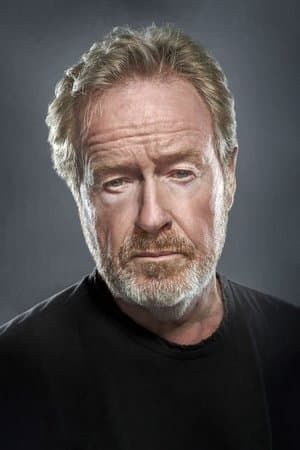
Ridley Scott won't be making the trip to the Governors Awards this year - but the Academy isn't letting him off the hook that easily. The legendary director, who is set to receive an honorary Oscar at the ceremony, will instead accept the honor remotely, according to an exclusive report. In other words: the man behind Alien, Gladiator, and Blade Runner is skipping the ballroom, but the statue is still his.
For those keeping score, this isn't a snub. Scott, who turns 89 later this month, has spent the better part of six decades making movies at a pace that would exhaust filmmakers half his age. His decision to stay away from the in-person celebration is being framed as a practical one - and honestly, if anyone has earned the right to accept an award from the comfort of his own home, it's the guy who gave us the chestburster scene.
A Career That Speaks for Itself
The honorary Oscar is the Academy's way of saying what cinephiles have known for years: Scott is one of the most influential filmmakers of his generation, full stop. His filmography reads like a greatest-hits album of modern cinema. He reinvented science fiction horror with Alien in 1979, then pivoted to the rain-slicked dystopia of Blade Runner just three years later - a film that initially underwhelmed at the box office before becoming one of the most influential movies ever made.
He won his first Oscar nomination for Thelma & Louise in 1991, a road movie that doubled as a cultural earthquake. Then came Gladiator in 2000, which won the Best Picture Oscar and earned Scott a nomination for Best Director. Black Hawk Down followed, then The Martian, which landed him another directing nomination. The man has been nominated for Best Director three times and never won. The honorary Oscar, at long last, fixes that glaring omission.
What makes Scott's career so remarkable is its sheer range. He's bounced between genres with the restlessness of someone who refuses to be boxed in - sci-fi, historical epics, crime thrillers, biopics, even a fashion-world drama. He's also famously prolific, often juggling multiple projects and shooting at a clip that frustrates his producers and delights his fans. At an age when most directors are content to rest on their laurels, Scott is still cranking out big-budget epics with the enthusiasm of a first-timer.
The Governors Awards: A Night of Heavyweight Honorees
The Governors Awards is the Academy's annual off-telecast celebration, a chance to hand out honorary statuettes to industry veterans without the time constraints of the main Oscars broadcast. It's typically a warm, looser affair - lots of speeches, lots of standing ovations, and a fair amount of roasting. Scott's remote acceptance will add an unusual wrinkle to the evening, but it's not unprecedented. The Academy has accommodated remote honorees before, and in a post-pandemic era, the logistics of beaming in a legend are well within reach.
Still, there's a bittersweet quality to Scott's absence. The Governors Awards are, at their core, about gathering the film community to celebrate its elders - the people who shaped the medium and are still around to be thanked. Having Scott appear only on a screen feels a little like watching Gladiator on a phone: technically functional, but missing the point.
That said, don't expect Scott to phone it in - literally or figuratively. He's never been one for sentimentality, and his acceptance speech is likely to be brisk, dry, and maybe a little gruff. He's the kind of filmmaker who'd rather talk about his next project than accept a lifetime achievement award, and there's something refreshing about that.
What This Means for Scott - and for the Academy
For the Academy, honoring Scott is a chance to correct a long-standing oversight and to signal that it values directors who operate at the commercial and artistic intersection. Scott has never been a critical darling in the way that, say, Martin Scorsese or Steven Spielberg have been, but his influence is everywhere. Every gritty sci-fi epic, every stylish historical drama, every grounded action movie owes him a debt. The honorary Oscar is as much about legacy as it is about the individual.
For Scott, the award arrives at a moment when he's still very much in the game. He's got projects in various stages of development, and he shows no signs of slowing down. The honorary Oscar isn't a retirement gift - it's a tip of the hat to a filmmaker who's still fighting the good fight, even if he'd rather do it from his living room than a banquet hall in Hollywood.
So the Governors Awards will go on without Ridley Scott in the room, but his presence will loom large. The man who made us afraid of space, afraid of rain, and afraid of ancient Rome - all in the same career - will accept his honor from afar. And honestly? That feels about right for a director who's always preferred to let the work do the talking.
Source: The Hollywood Reporter