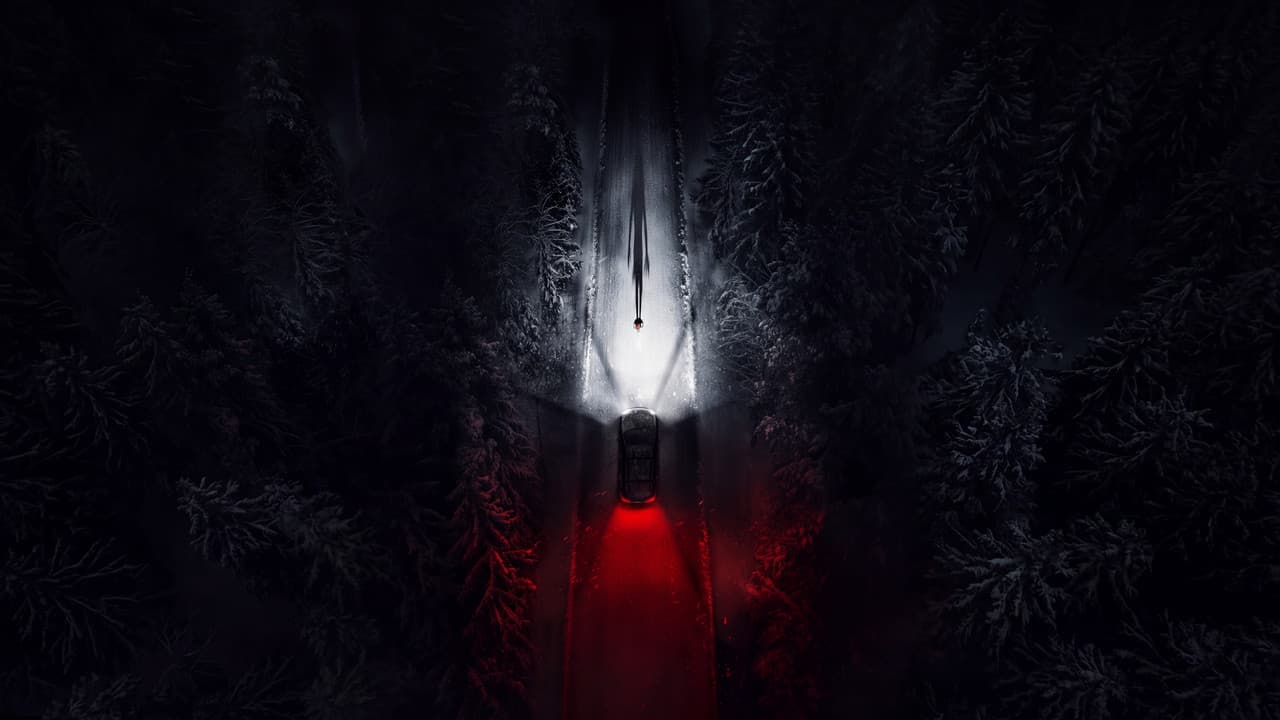
Zach Cregger has a horror hit on his hands - at least if early screenings are any indication - but the version audiences will finally see next week isn't quite the one that first flickered across a test screening room. The filmmaker behind Barbarian is back with Resident Evil, a fresh, loose adaptation of the video game franchise that trades the Umbrella Corporation's lab corridors for something considerably more claustrophobic, and he's now opening up about the one key adjustment he made after sitting through those early audience reactions.
The change, as Cregger tells it, wasn't about dialing back the scares. If anything, it was about making sure the audience had a chance to breathe before the roof caved in.
A Night That Collapses Around One Man
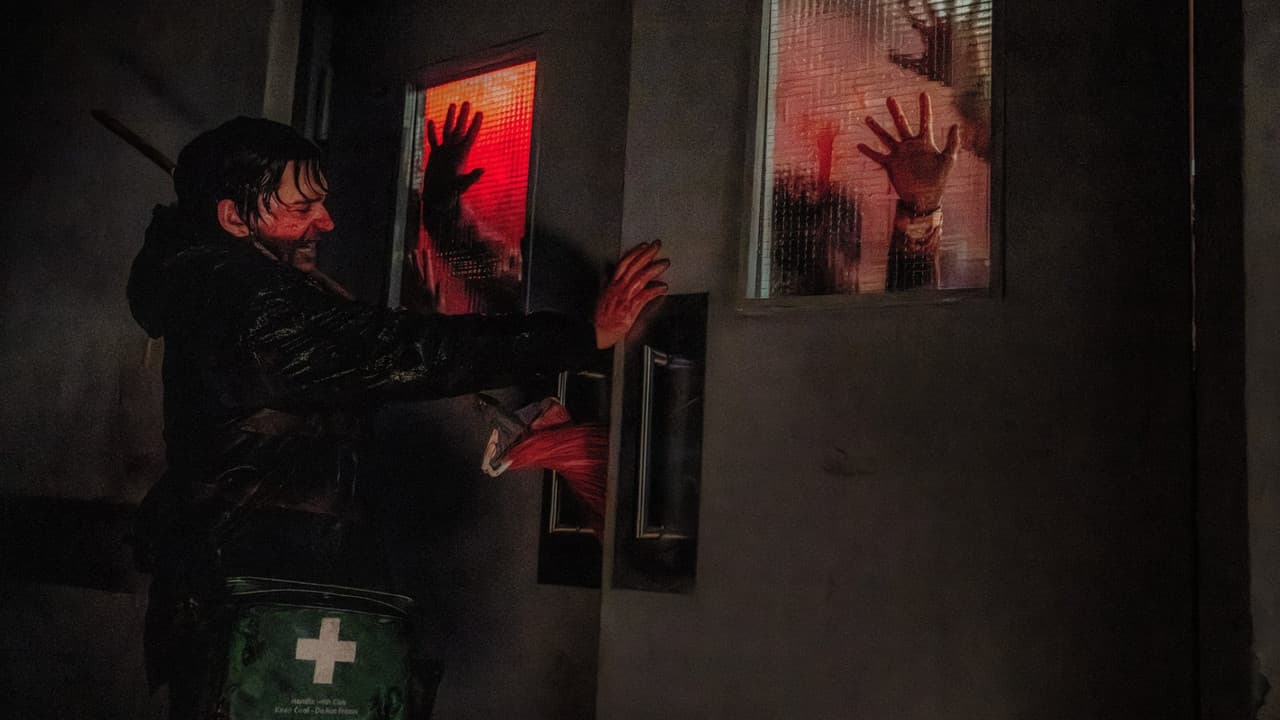
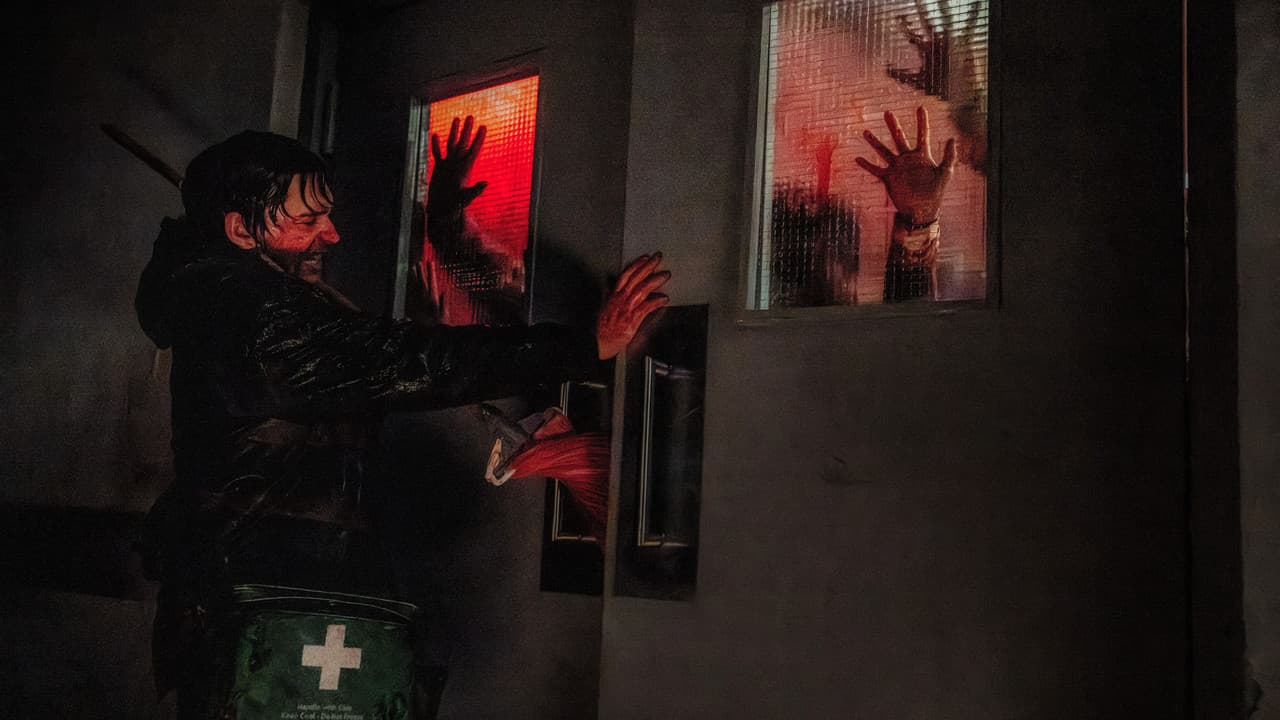
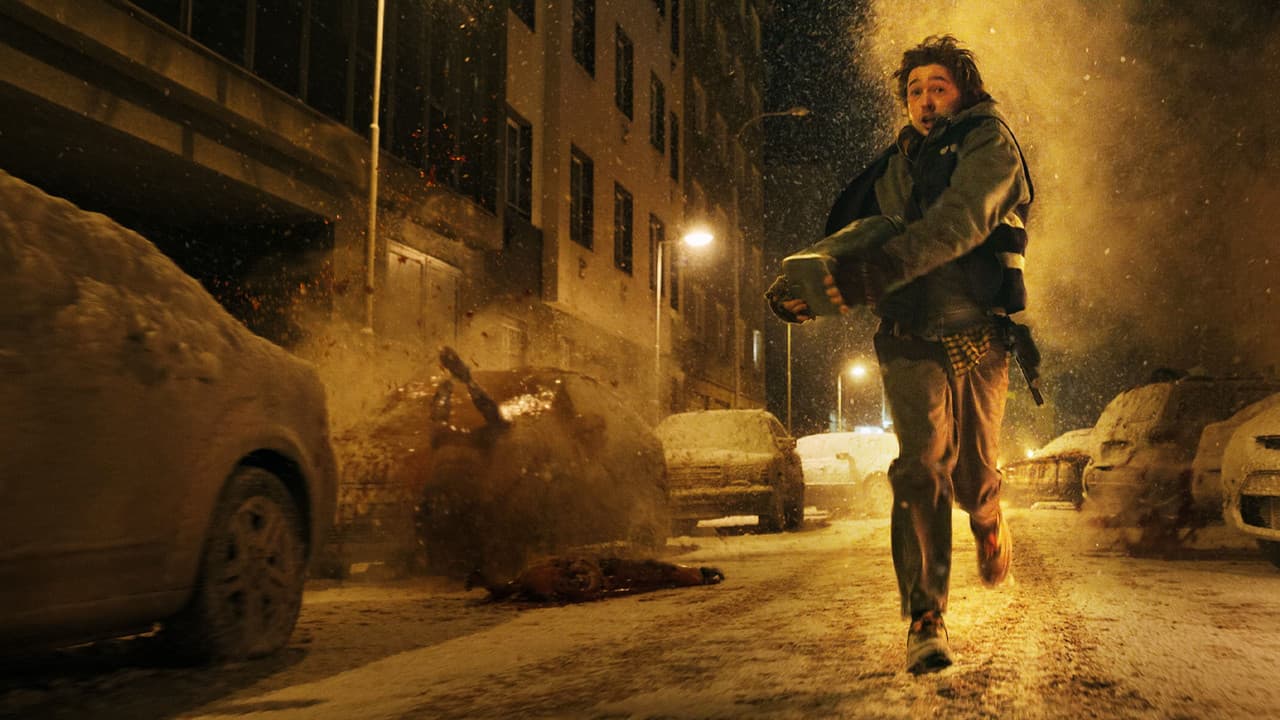
The setup for Resident Evil here is deceptively simple. Austin Abrams - yes, the guy who broke hearts in Waves and ran laps around Euphoria's Nate Jacobs - stars as Bryan, a medical courier who is just trying to get through his shift. Instead, he finds himself fighting for his life as one horrifying night spirals into total chaos around him. That's the logline, and it's a far cry from the globe-trotting, zombie-army spectacle of the Milla Jovovich era. This is a single-night survival story, which tracks with Cregger's instincts as a filmmaker: he likes tight spaces, mounting dread, and characters who don't fully understand the nightmare they've wandered into.
The supporting cast is stacked with the kind of character actors who tend to steal scenes. Zach Cherry (Severance) plays Dave, Kali Reis (True Detective: Night Country) steps in as Pauline, Paul Walter Hauser (Richard Jewell, Black Bird) is Carl, and Johnno Wilson rounds things out as Max. It's an eclectic crew - comedy improvisers rubbing shoulders with boxers-turned-actors - and that mix of tones is very much in Cregger's wheelhouse.
The film clocks in at a lean 91 minutes and arrives in theaters on September 16, 2026. It's an English-language Hollywood production, rated under the horror, thriller, and adventure umbrellas, which tells you the movie isn't content to stay in one lane. Given Barbarian's reputation for shifting gears mid-story, that genre-blending description feels less like marketing and more like a warning label.
What Test Screenings Taught Him
Now, about that adjustment. Cregger hasn't been shy about the fact that test screenings are a tool, not a verdict. The version that played for early audiences apparently had a pacing issue that only becomes obvious when you're sitting in a room full of strangers who have no idea what's coming. According to Cregger, the fix was all about the opening act.
He explained that the audience needed a clearer, earlier anchor to Bryan's ordinary world before everything goes sideways. When viewers don't know what "normal" looks like for a character, the chaos that follows doesn't land with the same force - you're just watching a guy run from things. Give them a few more beats of who Bryan is, what his job actually involves, what he stands to lose on this particular night, and suddenly every terrible thing that happens has weight.
It's a classic horror-screenwriting lesson dressed up as a post-screening note: dread is only as strong as the calm it interrupts. And Cregger, who has been candid about the collaborative, occasionally painful process of test screenings, treated the feedback as a tuning fork rather than a mandate to water things down.
That distinction matters, especially for a franchise like Resident Evil. Fans of the games are famously protective, and the property has already been through multiple cinematic iterations - some beloved, some less so. A filmmaker like Cregger, coming off an original breakout, has the credibility to take risks, but he also has to prove he can handle a known IP without sanding off the edges that made people love his work in the first place.
Why This One Might Actually Be Different
Here's the thing about Resident Evil in 2026: the bar is weirdly high and weirdly low at the same time. The franchise has spent two decades oscillating between video-game fidelity and total reinvention, and audiences have grown skeptical of adaptations that feel like they were assembled by committee. Cregger's version sidesteps a lot of that baggage by essentially starting over - new character, new scope, new tone. Calling it Resident Evil is almost a dare.
And 91 minutes is a statement. In an era when horror blockbusters bloat past two hours, a sub-100-minute thriller suggests a movie that knows exactly what it wants to do and refuses to overstay its welcome. If Cregger's test-screening tweak was about making those 91 minutes hit harder, then the adjustment wasn't about fixing a broken movie - it was about sharpening a knife.
Abrams carrying a film like this is another gamble worth watching. He's spent years as a supporting player and internet heartthrob; this is a chance to prove he can anchor a genre piece on his shoulders. Opposite him, Hauser and Reis bring genuine menace and grit, while Cherry offers the kind of dry comic relief that can either defuse tension or make it worse - in the best way.
Resident Evil hits theaters September 16, 2026. Whether Cregger's post-screening tinkering turns this into the definitive game-to-screen adaptation or just another intriguing misfire, one thing's clear: the man knows how to make a first act count. And in horror, that's half the battle.
Source: The Hollywood Reporter