Hollywood has been borrowing from the Ramayana for decades, and most viewers probably never noticed. The ancient South Asian epic - a sprawling tale of exile, abduction, and a prince who crosses an ocean to rescue his wife from a ten-headed demon king - has quietly woven itself into some of the biggest movies to ever hit American multiplexes. Sometimes the influence is obvious. Often, it's buried so deep in the production design or the action choreography that you'd need a Sanskrit scholar sitting next to you to catch it.
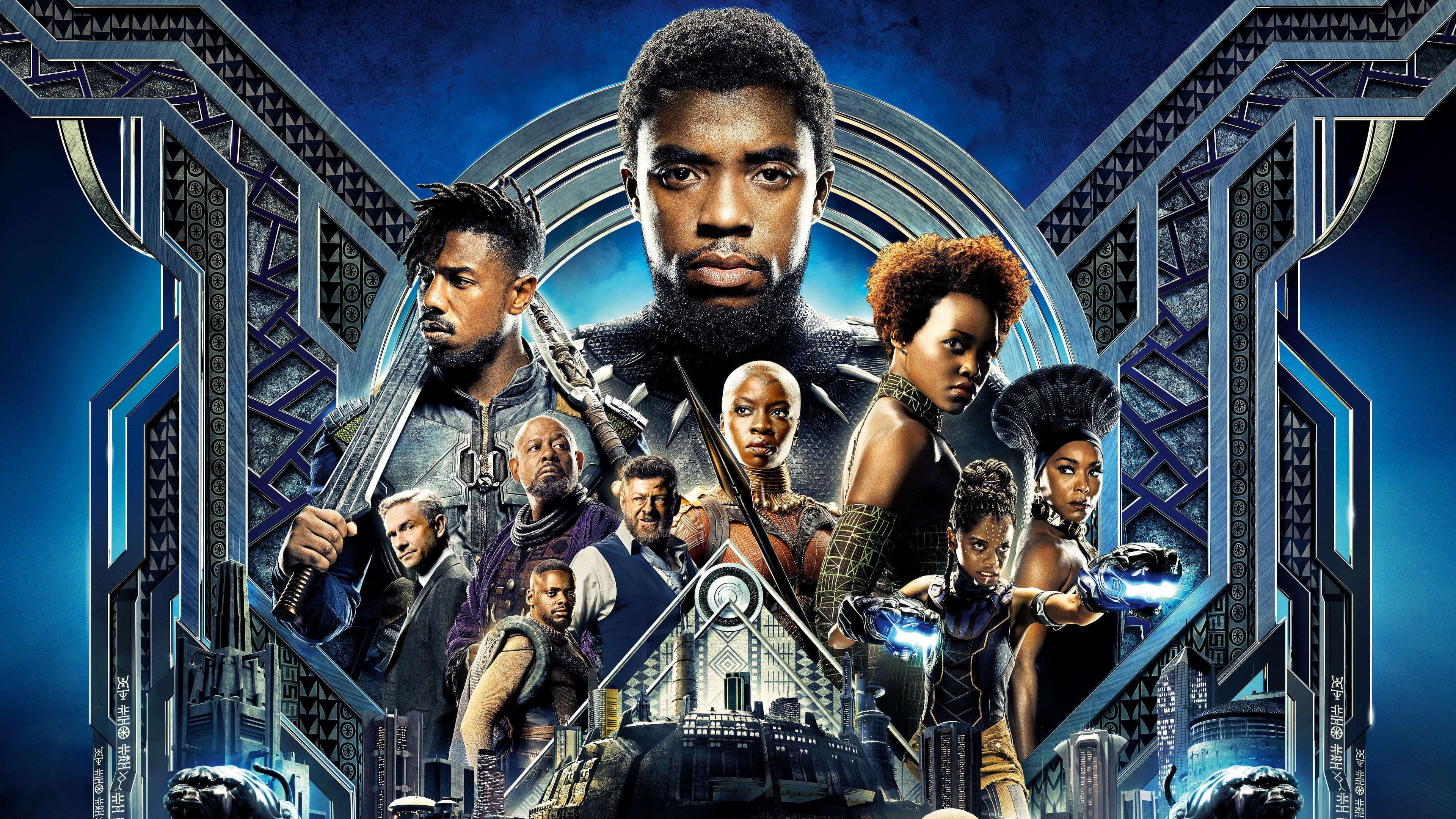
The latest round of online conversation about these hidden connections started when film fans began comparing notes on the visual language of the Ramayana and the Marvel blockbuster Black Panther. The parallels are hard to unsee once someone points them out.
A Lagos-to-Wakanda Pipeline Worth Tracing
The clearest connective tissue actually runs through Nigeria, not India. Before Ryan Coogler's Black Panther became a global phenomenon, a sprawling Nollywood industry had already spent years adapting the Ramayana into its own mega-franchises. Nigerian filmmakers took the epic's core structure - a noble hero, a stolen queen, a war against a seemingly invincible enemy - and filtered it through West African storytelling traditions, local languages, and low-budget practical effects. Those films found massive audiences across Africa and its diaspora.
When Black Panther arrived, its costume design, its royal cosmology, its ritual combat sequences, and its celebration of a technologically advanced African kingdom all overlapped with a visual grammar those Nollywood Ramayana adaptations had already established. Coogler's team never claimed to be remaking the epic, and they weren't. But the DNA is there - a hero returning from exile, a throne in question, a challenge fought in a waterfall-ring. Fans who grew up on both traditions recognized the echoes immediately.
The 1990s Connection Nobody Talks About
The Hollywood Ramayana connection goes back even further, and it involves a film you've almost certainly seen. The Lion King - released in 1994 - shares a striking structural kinship with the epic. A young prince is exiled from his kingdom, spends years in the wilderness, and returns to reclaim his rightful place from a usurping relative. Disney has never officially credited the Ramayana, though the studio's writers have long been open about drawing on Hamlet. The two source texts themselves share enough bones that the debate may never be settled.
Then there's A Little Princess, Alfonso Cuarón's 1995 adaptation of the Frances Hodgson Burnett novel. Cuarón layered the film with Indian imagery, an ayah telling the Ramayana to the young protagonist, and a dreamlike sequence that borrows directly from the epic's imagery. For a generation of American kids who had never encountered the Ramayana in any other form, that film was their first exposure - even if they didn't know it at the time.
Why Hollywood Keeps Coming Back
The Ramayana is, structurally, one of the most adaptable stories in human history. It has a clear three-act spine, an emotional core built around loyalty and rescue, and a villain so memorable he's practically a franchise unto himself. Hollywood loves a rescue mission. Hollywood loves a rightful heir reclaiming a throne. Hollywood loves an army of monkeys and a bridge built across the sea. The epic supplies all of it, plus gods and flying chariots and a magical bow, without asking for a single line of exposition.
That's why the influence keeps surfacing in unexpected places - in the aerial staging of superhero battles, in the way certain films frame a hero's departure into the forest, in the ritualized combat of a king's challenge. The Ramayana has been retold across South Asia for thousands of years in countless languages and forms. Hollywood is simply the newest teller in a very long line.
What's changed recently is that audiences are starting to notice. Social media has turned film appreciation into a collective detective game, and once someone posts a side-by-side comparison, the conversation spreads fast. Studios haven't rushed to confirm or deny any of it. They rarely do. But the pattern is clear enough that the question is no longer whether Hollywood has borrowed from the Ramayana, but how many times - and whether audiences will ever get a version that finally says the name out loud.
Source: The Conversation