Faisal Malik isn't done hyping up the Ramayana universe just yet. The actor, who appears in the upcoming two-part big-screen adaptation of the Hindu epic, has been out doing press for the first installment - and he's already promising that Part 2 will crank the spectacle dial well past where Part 1 leaves it. If you thought the opening chapter was going to be the big one, Malik suggests you hold his chai.
Speaking about what audiences can expect from the follow-up, Malik framed the split as a deliberate escalation rather than a simple sequel. The first film, he indicated, sets the stage - introducing the world, the characters and the stakes. The second, by his account, is where the scale really opens up. Think bigger battles, grander set pieces, and the kind of mythic sweep that the source material practically demands. It's the classic two-part playbook: build the world, then tear it up.
A Hollywood Connection Raises Eyebrows
Malik also let slip that the production involved a Hollywood collaboration, which he described as an experience worth talking about. The reveal isn't shocking on its own - cross-continental partnerships are increasingly standard for projects with this kind of ambition - but it does give the Ramayana films a different flavor than your average mythological epic. Malik's tease suggests the collaboration wasn't just a line item in a budget spreadsheet. It was, by his telling, something that shaped how the films were made.
For viewers who grew up on the small-screen Ramayana and the various retellings that have popped up over the decades, the promise of a Hollywood-assisted, two-part theatrical treatment is either thrilling or nerve-wracking, depending on your tolerance for reinterpretation. Malik seems firmly in the thrilled camp. His enthusiasm is the kind that tends to travel - he's not out there offering spoilers, just a broad "wait until you see what's next" energy that's become a staple of franchise promotion.
A Very Different Ramayana Is Already in the Archives
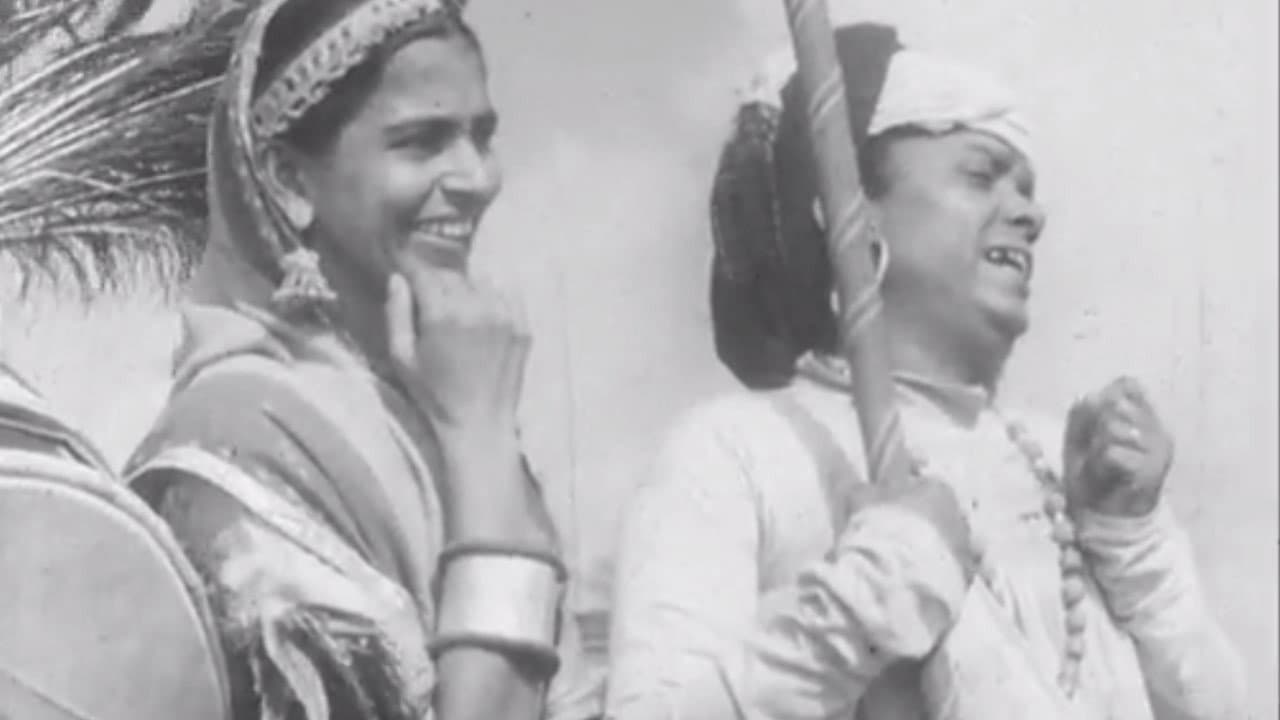
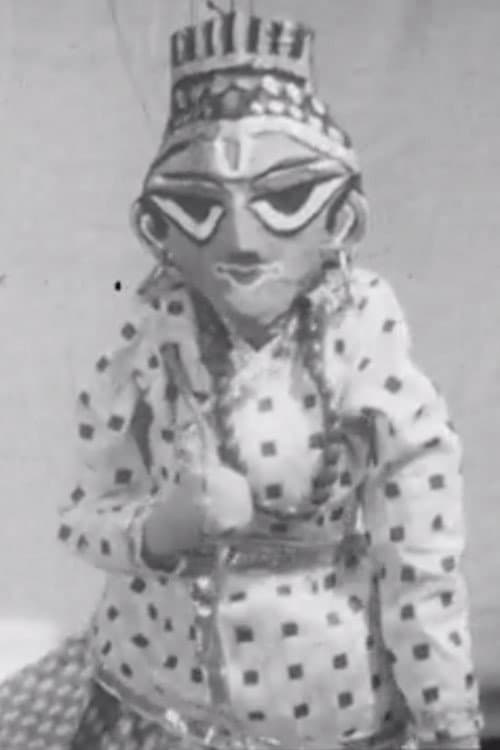
Here's a fun wrinkle for the film-history nerds in the audience. This isn't the first time the Ramayana has been translated into a form that left purists scratching their heads. Back in 1965, director Robin Hardy - yes, the same Robin Hardy who would later unleash The Wicker Man on an unsuspecting world - made a 26-minute documentary called Ramayana. Its subject? The Little Ballet Troupe of Bombay performing a "puppet ballet" version of the epic. That's right: a Hollywood-adjacent documentary about puppet ballet. It runs a brisk 26 minutes, was made in English, and has essentially vanished into the fog of film history - its TMDb rating sits at a resounding zero, which is a polite way of saying almost nobody has rated it.
The point isn't to dunk on a 60-year-old curiosity. It's to note that the Ramayana has been adapted, remixed and reimagined so many times that "bigger spectacle" is a genuinely bold claim. Malik is essentially promising that Part 2 will outdo not just Part 1, but every previous swing at the material. That's a lot of weight to put on a sequel's shoulders, and a lot of expectations to hand to an audience that knows these stories by heart.
What We Still Don't Know
Plenty, honestly. Malik's teases are long on vibe and short on specifics - no release window for Part 2, no details on the scale of the Hollywood involvement, no hints about which sequences get the full spectacle treatment. That's standard operating procedure for a press tour this early in a franchise's life. The first film has to land before anyone starts seriously counting down to the second. And with Part 1 still waiting in the wings, Malik's job right now is to build anticipation without giving the game away.
What's clear is that the team behind the Ramayana films sees this as a two-chapter story, not a movie and an afterthought. Malik's comments paint a picture of a production that planned its escalation from the start - a Part 1 that earns your attention and a Part 2 that spends it. Whether that bet pays off is a question for audiences and, eventually, the box office. For now, we've got a promise of a bigger spectacle, a Hollywood collaboration worth gossiping about, and a 1965 puppet-ballet documentary that just became the most unexpectedly relevant thing in this article. The more things change, huh?
Source: Moneycontrol.com