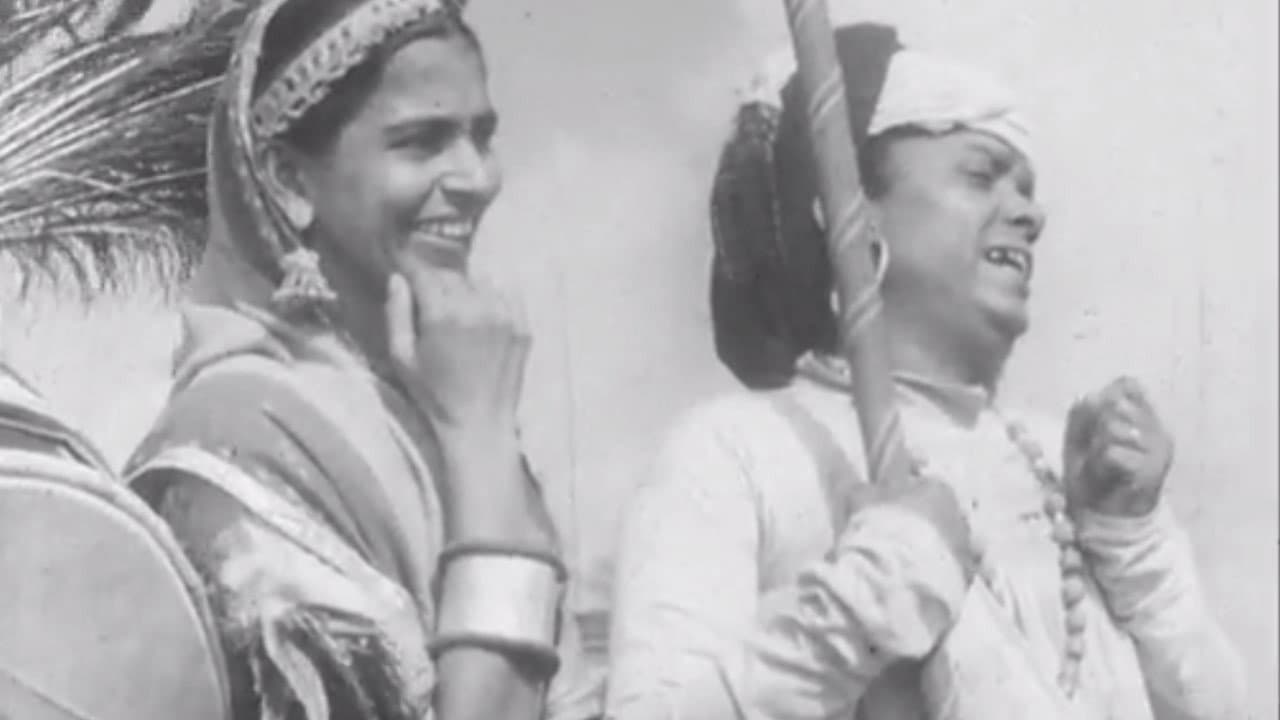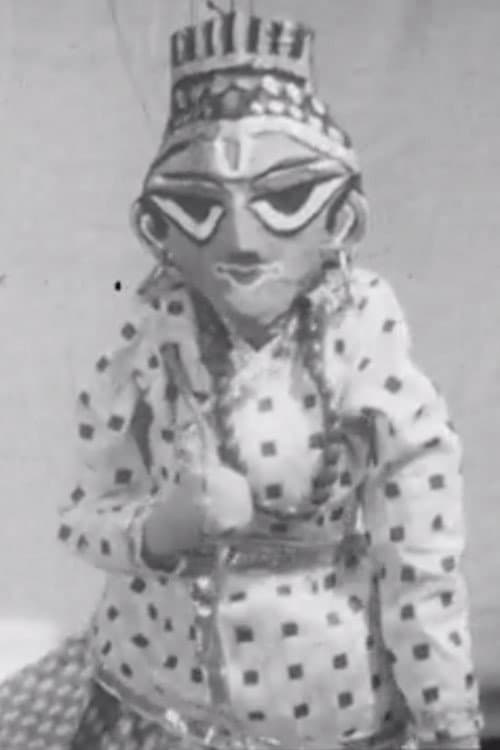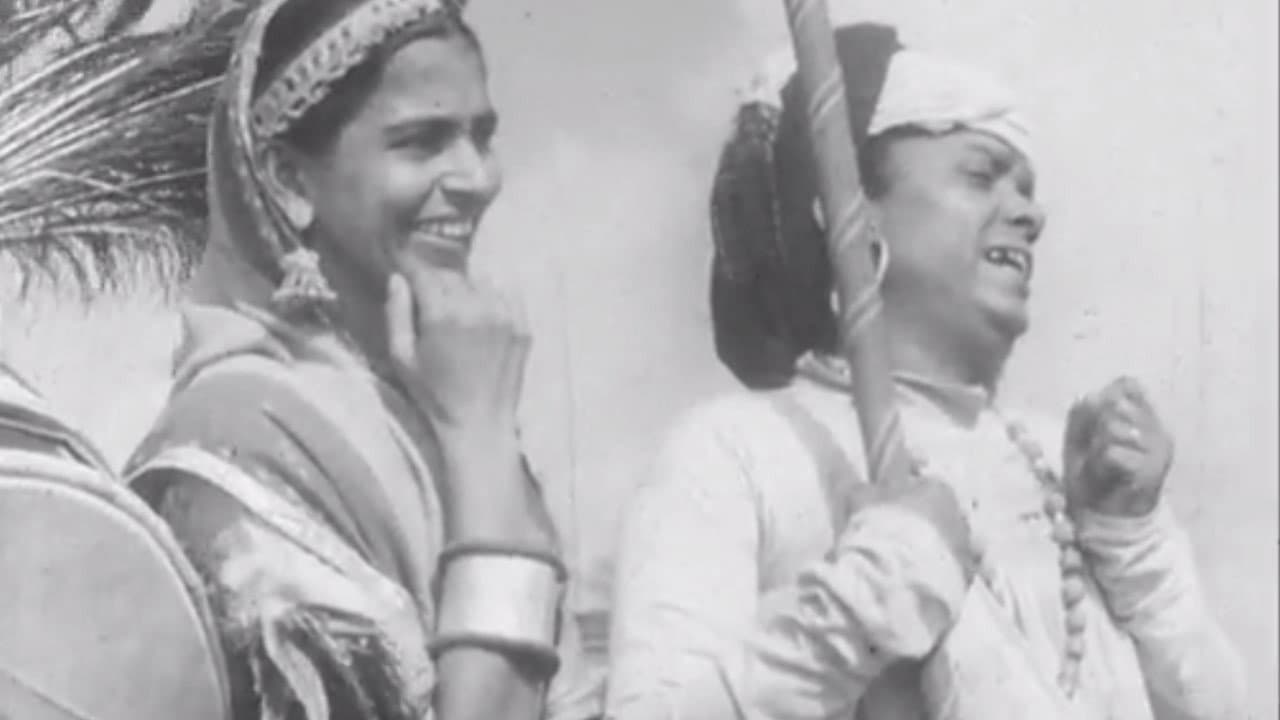
Hollywood loves a gamble, but it rarely loves one quite as strange as the artifact currently sitting in the archives: a 26-minute English-language documentary from 1965 called Ramayana, directed by none other than Robin Hardy. Yes, that Robin Hardy - the man who would later unleash The Wicker Man on an unsuspecting world. Long before Christopher Lee was singing about corn rigs and barley rigs, Hardy pointed his camera at the Little Ballet Troupe of Bombay as they staged a "puppet ballet" of the Hindu epic. That's it. That's the movie. And yet, if you squint at it the right way, this quiet little documentary is a reminder of the epic scale Hollywood keeps circling and never quite committing to.
A 1965 Curiosity With a Serious Pedigree
Let's get the facts straight first, because they're stranger than any pitch deck. Ramayana runs a brisk 26 minutes, was released on January 1, 1965, and is classified as a documentary in the English language, produced within the Hollywood industry system. The cast is uncredited to history, and its current TMDb rating sits at a flat 0 out of 10 - which tells you almost nobody has logged it, not that there's nothing there. Hardy's film captures the Little Ballet Troupe of Bombay turning the ancient Hindu epic into a puppet ballet, which is an absurdly charming premise when you say it out loud.
What matters here isn't the runtime or the rating. It's the ambition. Somebody in 1965 looked at one of the longest, most sprawling narratives in human culture and thought: puppets. That instinct - take the biggest story you can find and figure out a way to stage it - is exactly the instinct Hollywood keeps having and then losing its nerve over.
Why the Epic Keeps Beckoning
The Ramayana is a gift to anyone who thinks in franchises. It's got a heroic exiled prince, a kidnapped queen, a talking monkey army, a ten-headed demon king, and a finale that involves a bridge built across an ocean. It is, in other words, Avatar before Avatar - a lush, effects-hungry world with built-in mythology and a moral spine. It's also The Lord of the Rings before The Lord of the Rings, a journey structure with allies, monsters, and a hard-won homecoming.
Hollywood has spent two decades proving audiences will show up for exactly this kind of thing. James Cameron built an entire planet and made billions. Peter Jackson turned appendices into tourism. So why does the industry keep treating this particular epic as a documentary footnote rather than a tentpole blueprint? Hardy's little film is proof the material has been sitting in plain sight for over sixty years, waiting for someone with a budget and a spine.
The Gamble Nobody Has Fully Cashed
Here's the uncomfortable part. Adapting the Ramayana at blockbuster scale isn't a safe bet - it's a genuine gamble, and the 1965 documentary quietly illustrates why. The story is enormous, culturally specific, and carries devotional weight for hundreds of millions of people. Get it wrong and you've built a very expensive controversy. Get it right and you've got something the global market has never really seen done at that scale.
The creative community has been circling this forever - murmurings of big-budget adaptations surface, fade, and resurface. Meanwhile, Ramayana the documentary just sits there, a 26-minute time capsule of a troupe of performers doing with string and wood what studios struggle to do with hundreds of millions of dollars. Hardy's film doesn't answer the question in its title. But it's a reminder that the question was asked a very long time ago, and Hollywood still hasn't given a real answer.
What the Archive Actually Tells Us
It would be easy to dismiss a zero-rated, uncredited-cast documentary as trivia. But that's precisely what makes it a useful mirror for the current moment. Hardy went on to make The Wicker Man, a film that flopped on arrival and became a legend - proof that a small, odd project can outlive its own release. The Ramayana documentary is a smaller footnote, but it's part of the same story: ambitious material, modest means, and a creator willing to take a swing.
Hollywood should be watching. Not because a 1965 puppet ballet is secretly a billion-dollar property, but because it's evidence that the biggest untapped spectacle in cinema has been sitting in the public domain of world mythology all along. Someone just has to be brave enough to build the bridge.
Source: Bollywood Hungama