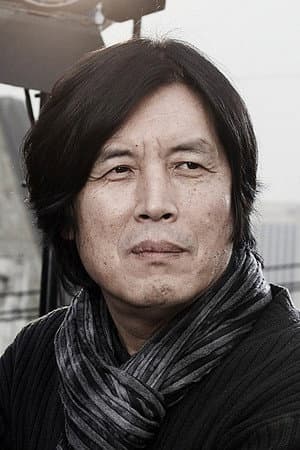
Lee Chang-dong doesn’t make movies you casually watch. He makes movies you sit with, the kind that linger in your bones long after the credits roll and the lights come up. His latest, “Possible Love,” arrives with the weight of expectation that comes from a filmmaker who has spent decades dissecting the human condition, and if early buzz is anything to go by, he’s done it again. The film is being described as a “transfixing meditation” on the tangled mess of economic and emotional unease, and honestly, that feels like an understatement. This is quiet power, the sort that sneaks up on you and leaves you rearranging your own thoughts on the drive home.
The premise, as far as we can piece together from the critical chatter, centers on the kind of intimate, everyday desperation that Lee captures better than almost anyone working today. We’re not talking about grand gestures or melodramatic showdowns. This is the slow burn of financial strain and the way it seeps into relationships, warping affection into anxiety and turning simple desires into complicated negotiations. It’s a story about what happens when the practicalities of survival start to crowd out the possibility of genuine connection. You know, the stuff that actually keeps people up at night.
What’s striking about the early reviews is how they emphasize the film’s restraint. In an era of blockbuster bombast and streaming content that screams for your attention, Lee operates in a register that’s almost whisper-quiet. The word “masterful” is getting thrown around, but it’s a specific kind of mastery - the ability to draw tension from a loaded pause, a half-glance, or the way a character folds a bill before handing it over. It’s not about what’s said; it’s about the crushing weight of what’s left unsaid. The economic unease isn’t just a backdrop; it’s a character in itself, a third presence in every conversation, shaping every decision with the cold logic of a calculator.
Lee Chang-dong has always been a poet of the ordinary, someone who finds the epic in the everyday. His previous works have explored themes of alienation, memory, and the chasm between who we are and who we pretend to be. This new film seems to slot right into that rich filmography, but with a fresh urgency. The emotional unease here feels particularly contemporary, a byproduct of a world where financial precarity has become a permanent state of being for so many. It’s that nagging feeling that you’re one bad month away from disaster, and how that paranoia can corrode even the most loving relationships. There’s a universality to that anxiety, regardless of where you live or what currency you use.
Of course, no Lee Chang-dong film would be complete without a staggering level of craft. The cinematography, as reported, is likely to be meticulous, with each frame composed like a painting that happens to move. The performances are being praised for their naturalism, with actors seemingly disappearing into their roles rather than performing them. It’s that commitment to authenticity that makes his films feel less like entertainment and more like observed life. You don’t watch his characters; you recognize them. You might even recognize parts of yourself, which is both the thrill and the terror of his work.
For those unfamiliar with Lee’s filmmaking style, calling “Possible Love” a “powerhouse” might seem contradictory, given the emphasis on quietude. But that’s the secret. It’s the power of a held breath, the force of a river running deep beneath a still surface. The film doesn’t need explosions or shouting matches to be compelling; it finds its drama in the small, devastating failures of communication and the slow erosion of hope. It’s the kind of cinema that rewards patience and pays off in a profound, lingering emotional resonance.
Yes, this is a film that will demand something from its audience. It asks you to pay attention to the nuances, to read between the lines of dialogue, to feel the weight of a character’s hesitation. It’s an antidote to the fast-food nature of modern media consumption, a sit-down dinner where every course is meant to be savored. Early reactions suggest that those willing to meet the film on its own terms will be rewarded with one of the most deeply affecting experiences of the year.
If you’re looking for a two-hour escape into pure escapism, this might not be your ticket. But if you’re after something that grapples with the real, uncomfortable textures of modern life - the financial knots we tie ourselves in, the emotional distance that can grow between two people in the same room - then “Possible Love” sounds like essential viewing. It’s a reminder that Lee Chang-dong remains a master of the human heart, chronicling its fears and fragile hopes with an unflinching, compassionate eye. This one’s going to be talked about for a long time, not for its spectacle, but for its searing, intimate truth.
Source: The Hollywood Reporter