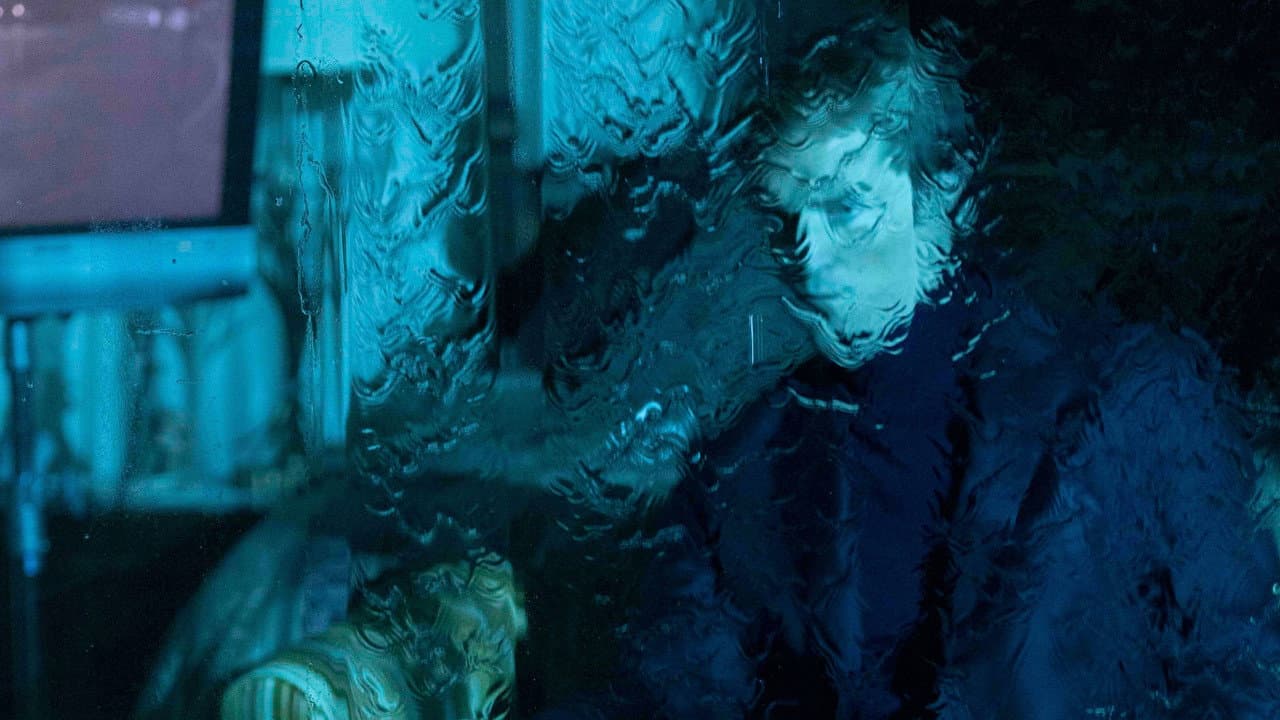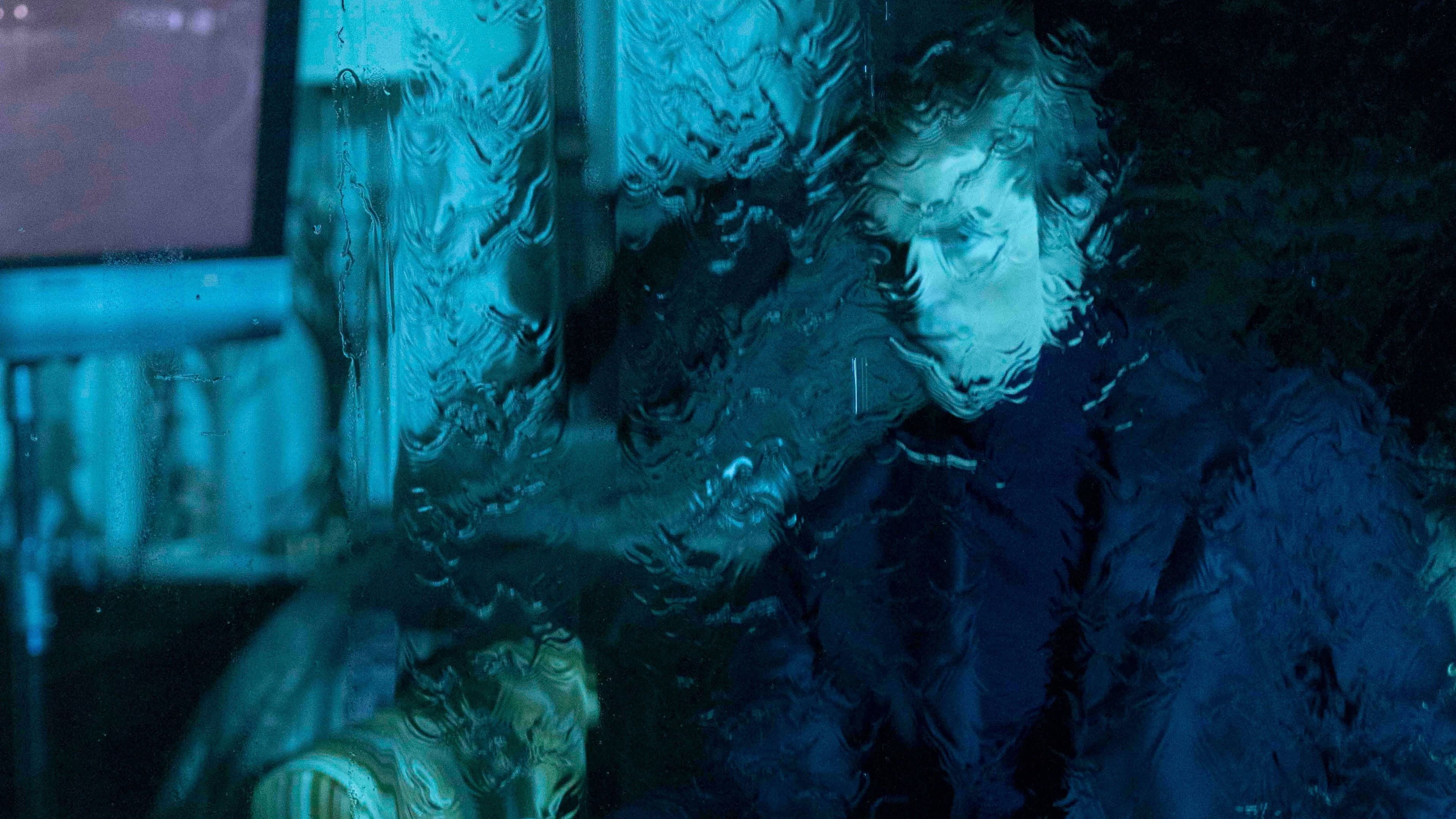
Robert Pattinson is no stranger to disappearing into strange, singular characters - a sparkly vampire, a cursed lighthouse keeper, a caped crusader. But his latest role might be his most unsettling yet: turning into TV's most infamous ambush journalist. The first details have emerged about his physical and psychological overhaul for the upcoming film Primetime, and the transformation sounds genuinely eerie.
The movie, which hits theaters on September 11, drops Pattinson into the slicked-back, khaki-wearing world of Chris Hansen. Set in 2006, the drama follows Hansen as he attempts to make television history with To Catch a Predator, the reality juggernaut that turned hidden cameras and decoy chat rooms into must-see TV. Early buzz suggests Pattinson isn't just doing a wig-and-suit impression; he's reportedly chasing something far more spectral. In a new feature on the film, the creative team describes his performance as “a reconfigured egregore” - a term for a kind of thought-form or collective psychic entity. In plain English? He’s playing the ghost in the machine of Hansen’s own moral crusade, not just the man himself.
More Than Just a Gotcha
For those who came of age in the mid-2000s, Hansen’s deadpan stare was a cultural watermark. He’d sit in a sting house, calmly asking a sweating man to “have a seat,” before laying out the evidence of his online chats. Primetime isn’t setting out to be a simple true-crime recap, though. Director Lance Oppenheim - known for his documentary-adjacent explorations of strange American subcultures like Spermworld and Some Kind of Heaven - is apparently aiming for a thriller that examines the unsettling theater of public shaming. The logline is deceptively simple: Hansen wants to make television history. The film seems to ask what that ambition cost, and what kind of "egregore" he summoned by turning predators into primetime content.
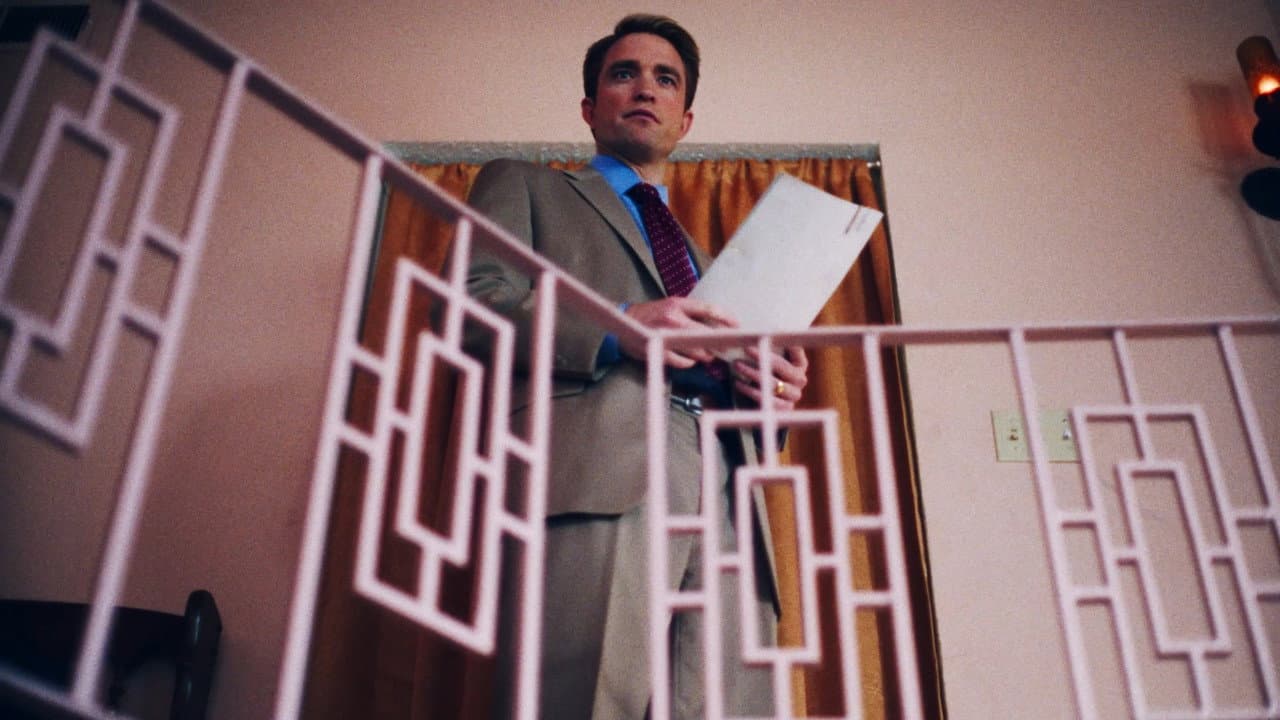
Pattinson’s look is already the talk of the early set photos. He’s swapped his usual brooding scruff for Hansen’s neat, news-anchor haircut and a wardrobe of sensible, slightly boxy shirts that scream "2006 suburban dad." But the "eerie" part comes from the physicality. Reports suggest Pattinson studied Hansen’s specific posture - the forward lean, the slightly too-calm voice that could shift into accusatory mode in a heartbeat. It’s a performance that allegedly leans into the uncanny valley of Hansen’s on-screen persona: the guy who seems less like a journalist and more like a force of nature sent to ruin your Tuesday afternoon.
A Sting Operation of an Ensemble
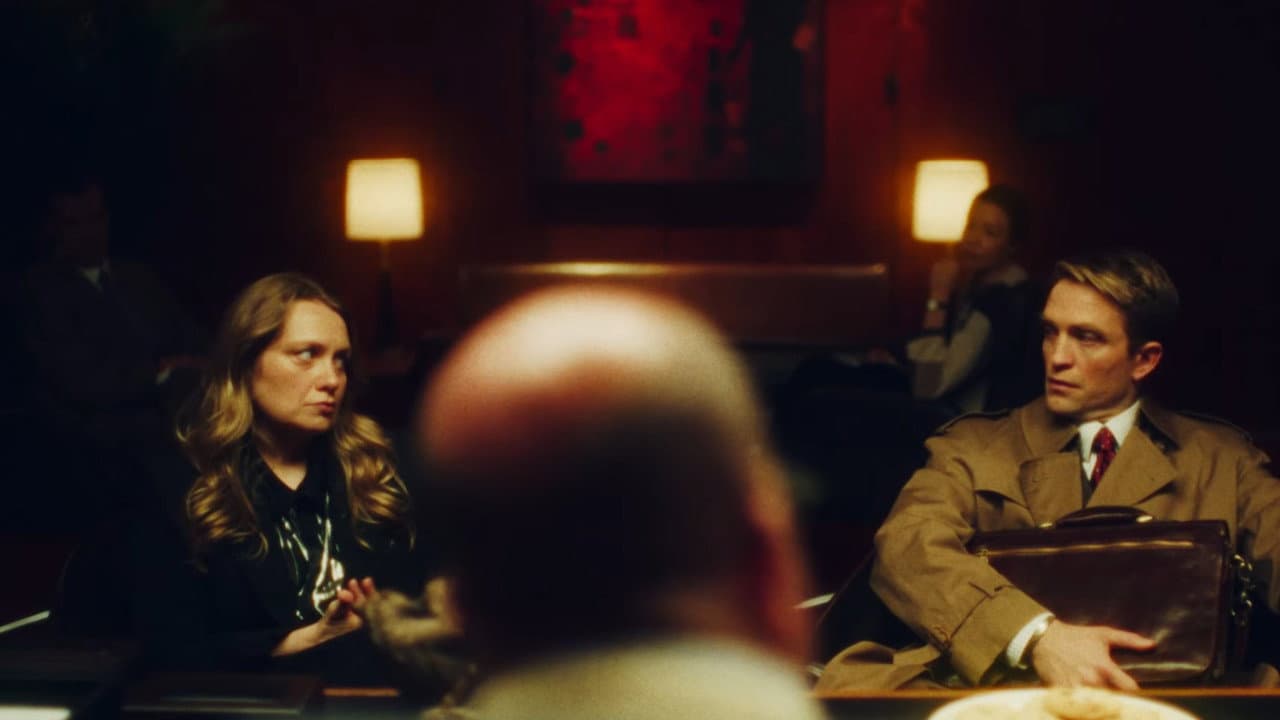
Of course, Hansen didn’t work alone. The film backs Pattinson with a stacked, slightly off-kilter cast that feels perfectly in line with Oppenheim’s vibe. Merritt Wever steps in as Lynn Keller, likely a producer wrangling the chaos behind the scenes, while Skyler Gisondo plays Dan Plumb, presumably one of the tech-savvy decoys. The real "wait, what?" casting comes from Phoebe Bridgers making her scripted feature debut - a musician crossing into Oppenheim’s world of oddball Americana makes a strange kind of sense. Add in Matthew Maher, Bokeem Woodbine, Eric Rahill, and Anna Faris as Mary Joan Hansen, and you’ve got a seriously intriguing mix of dramatic heft and tonal wild cards. Faris, in particular, is an interesting choice for the role of Hansen’s wife, grounding the moral gray areas in something more human and domestic.
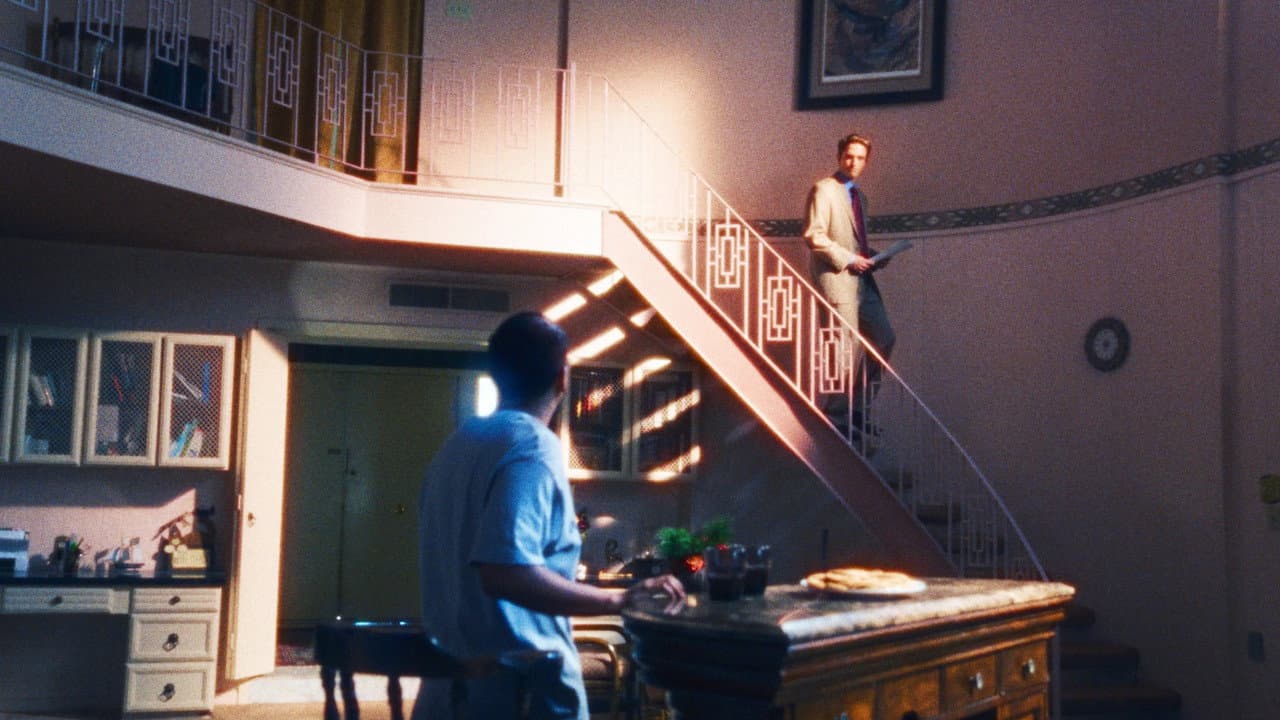
The film is also a period piece in the most uncomfortable way. This isn’t the glossy, nostalgia-soaked 2006 of low-rise jeans and MySpace that most movies offer. It’s the gritty, paranoid 2006 of dial-up internet and a media landscape just realizing the raw power of viral outrage. Primetime reportedly spends its 110-minute runtime in that specific liminal space - the sunny California houses that felt almost sterile, the awkwardly lit living rooms where Hansen’s interviews took place. Oppenheim is known for capturing the weirdness in the mundane, so don't expect any flashy montages. This is meant to be a slow, creeping descent into a particularly American brand of voyeuristic justice.
What’s most interesting here is the angle on Hansen himself. He was a hero to some, a television pioneer to others, and a vulture to his critics. By framing his transformation as an "egregore," the filmmakers seem to suggest that Hansen was less a man and more a vessel for the public's bloodlust for justice. Pattinson, with his track record of playing flawed, obsessive characters, is perfect for a remit that asks him to be both predator and prey in a meta-narrative sense. He’s the hunter, but the cameras are always on him, too.
The release date is right around the corner, landing on September 11. It’s a risky, provocative subject for an awards-season launch, but it feels tailor-made for late-night talk show soundbites and heated debates. If nothing else, seeing Robert Pattinson stare into the soul of a man who made a career out of exposing other people’s secrets is going to be unmissable cinema. Grab your popcorn and, uh, maybe have a seat.
Source: The Hollywood Reporter