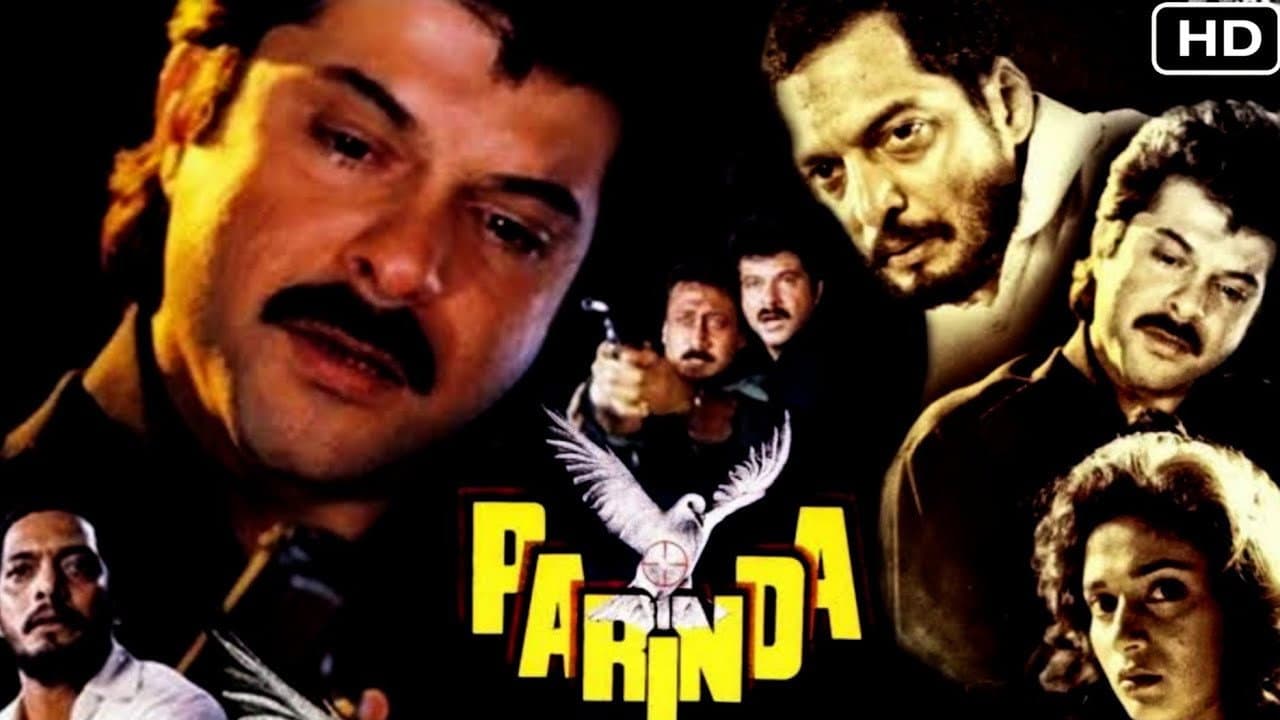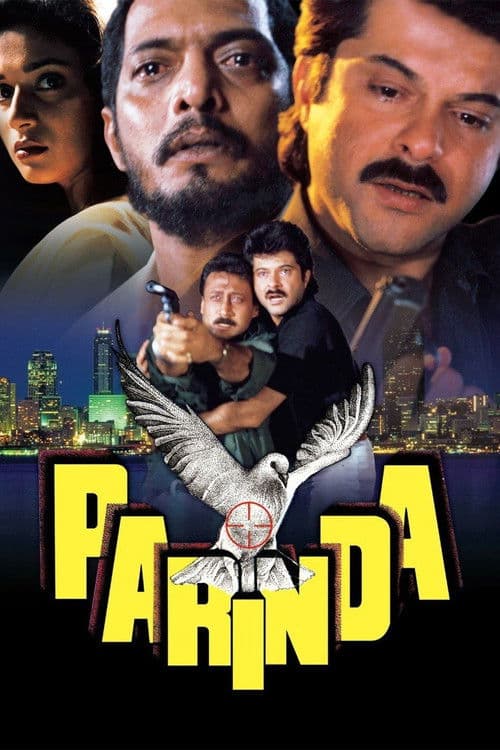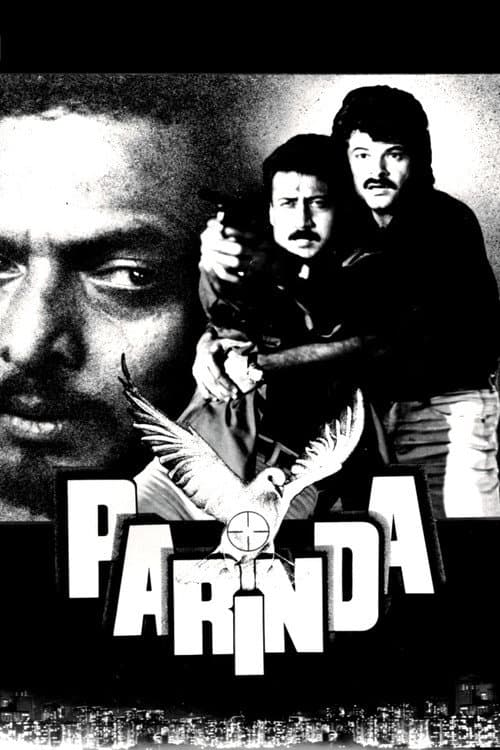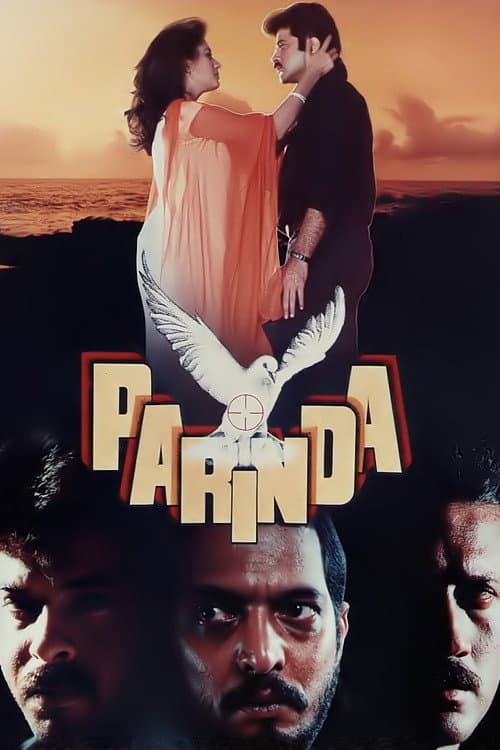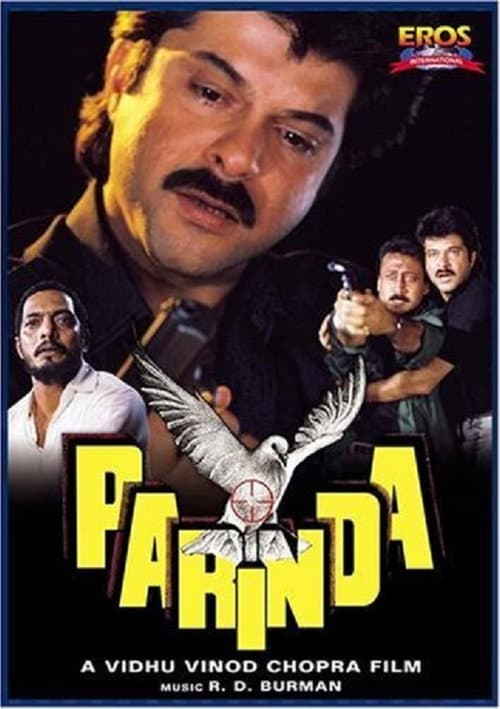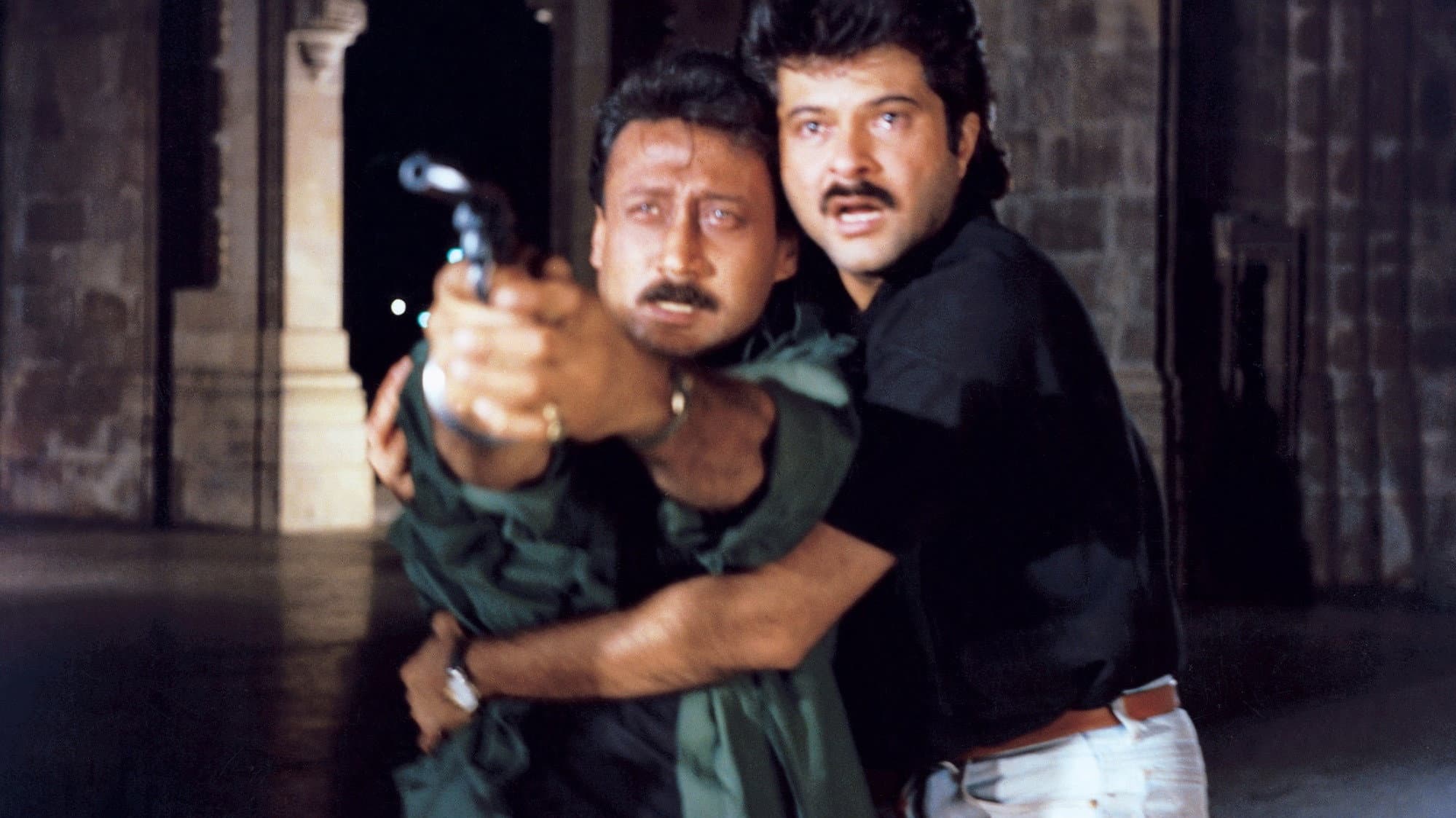
Before Vidhu Vinod Chopra was courting Oscars and sparring with studio chiefs, he was a young filmmaker in Bombay with a story about two brothers caught between loyalty and the underworld. Parinda hit theaters on November 3, 1989, and it didn't just change the trajectory of Hindi cinema's gangster genre. It eventually took Chopra all the way to Hollywood, where he would remake his own film nearly three decades later as Broken Horses.
A Story of Two Brothers Torn Apart
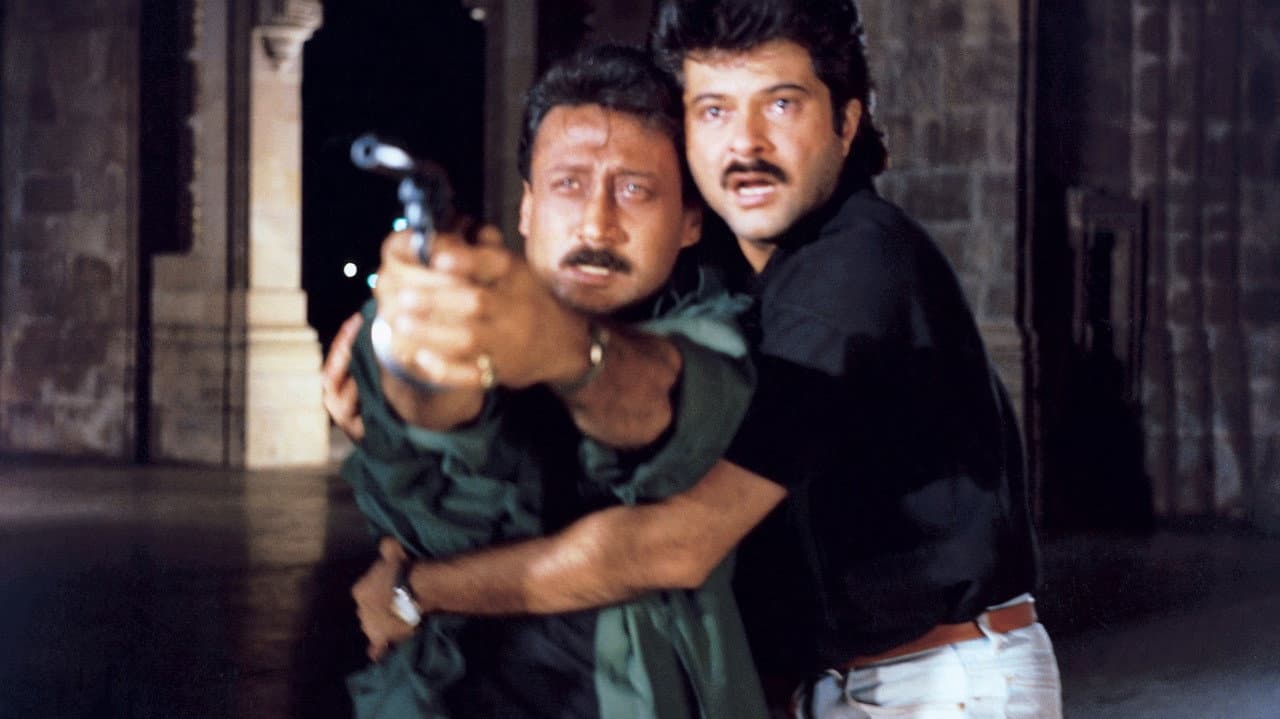
The film centers on Kishan and Karan Choudhary, siblings raised in the rough sprawl of Bombay. Karan, the younger of the two, gets sent away to study in America while Kishan stays behind and drifts into a life of crime, eventually falling under the influence of Anna Seth, a drug lord who commands a criminal empire. When Karan comes home to Bombay, Kishan is desperate to keep his brother far from the world he's been swallowed by. It doesn't work out. In a genre built on Shakespearean tragedy, that setup alone was enough to signal that nobody was getting out clean.
Parinda runs 154 minutes and blends action, crime, and drama into something critics and audiences hadn't quite seen from Hindi cinema at the time. Its reputation has held up remarkably well: on TMDb, it sits at a 7.2 out of 10.
Nana Patekar's Anna Seth Became the Blueprint
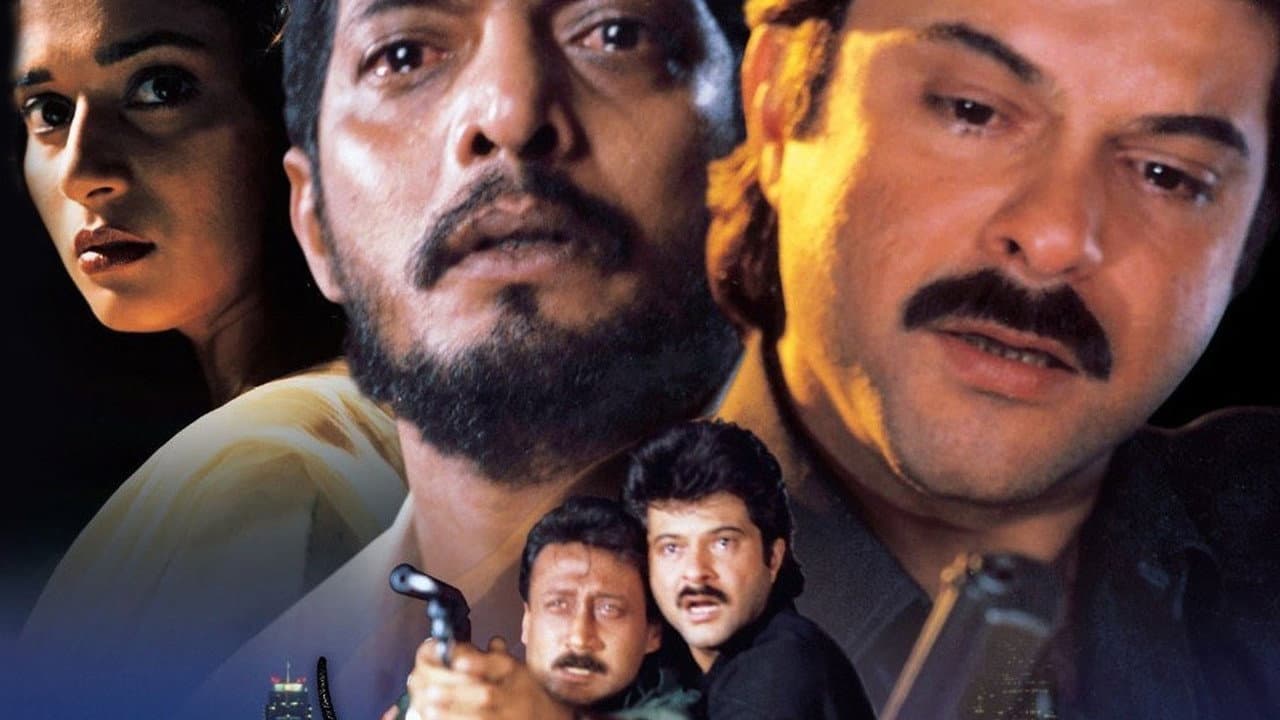
The cast is a murderers' row of late-'80s and '90s talent. Jackie Shroff plays Kishan, Anil Kapoor plays Karan, and Madhuri Dixit appears as Paromita "Paro" Nair. Anupam Kher steps in as Inspector Prakash Nair, with Suresh Oberoi as Abdul, Tom Alter as Musa, and Kamal Chopra as Rama Reddy rounding out the ensemble.
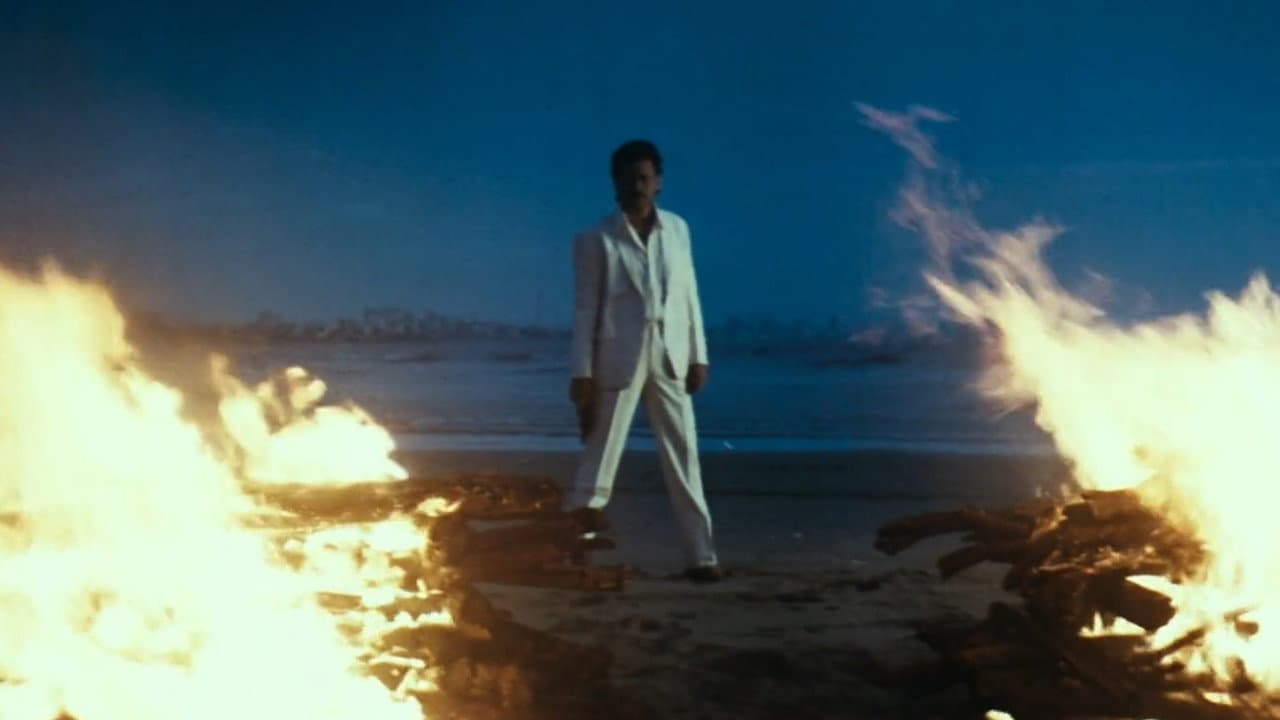
But it's Nana Patekar's performance as Anna Seth that turned the film into a landmark. Patekar's drug lord wasn't the mustache-twirling villain audiences expected. He was quiet, unsettling, and unpredictable, a crime boss whose menace came from stillness rather than shouting. That portrayal helped rewrite what an on-screen gangster in Hindi cinema could be, and it's a big reason the film still gets cited whenever people argue about the genre's high-water marks.
From Bombay to Hollywood, Via a Director's Obsession
What makes Parinda unusual is what happened to it decades later. Chopra didn't just let his movie age into a classic. He took the same story and brought it to Hollywood himself, directing Broken Horses as an English-language reimagining of the 1989 original. That's a rare move: most filmmakers watch someone else cash in on their early work. Chopra went and did the translating personally, moving the tale from Bombay's underworld to an American border-town crime setting while keeping the core relationship intact, two brothers, one criminal life, and the impossible hope that the innocent one stays untouched.
The details shifted, the language shifted, the industry shifted. The emotional engine didn't. Which is why the two films are best understood as a pair, the same filmmaker working the same wound twice, twenty-six years apart.
Why It Still Matters
Parinda arrived at the end of the 1980s, a period when Hindi cinema was starting to take its crime dramas more seriously, with tighter plotting, psychological depth, and a willingness to let tragedy actually land. Chopra's film helped push that door open, and the ensemble he assembled, Shroff, Kapoor, Dixit, Kher, and especially Patekar, gave the story a weight that's easy to underestimate from a plot summary alone.
The Hollywood version may have introduced the premise to a new audience, but the original remains the reference point. If you've never seen it, the pitch is simple: two brothers, one city, one crime lord whispering in the wrong ear, and a director who believed the story was strong enough to tell twice, on two continents, in two languages. Not many films from 1989 can claim that kind of afterlife. Parinda can.
Source: ThePrint