The ink is dry, the lawyers have gone home, and Hollywood has a new 800-pound gorilla. Paramount has officially completed its acquisition of Warner Bros., closing a deal that reshapes the entertainment landscape and puts two of the industry's most storied studios under one roof. The merger, which had been rumored, speculated about, and endlessly dissected for months, is now a done deal - and the town is still trying to figure out exactly what it means.
For Paramount, the move is a bold statement of intent: the studio isn't just competing in the streaming wars, it's trying to redraw the map. For Warner Bros., a brand synonymous with some of the most iconic films and franchises ever produced, the takeover marks the end of an era as an independent entity and the beginning of a strange new chapter. And for audiences? Well, the full picture is still coming into focus, but one thing is clear - fewer major studios means fewer places for a movie to call home.
What the Deal Actually Means
Strip away the corporate jargon and the press releases, and the headline is simple: two legacy studios are now one. That kind of consolidation doesn't happen quietly in Hollywood. It ripples through every corner of the business - from the executives who greenlight projects to the crews who build sets to the talent who sign on the dotted line.
There's an obvious concern baked into any merger of this size: fewer decision-makers often means fewer projects getting the green light, particularly the mid-budget dramas and quirky genre experiments that don't fit neatly into a franchise box. But there's also a counterargument, one that Paramount will surely be pushing hard in the coming weeks - that combining resources means bigger budgets, broader reach, and a more formidable competitor against the tech giants that have been muscling into the content game for years.
What that means for the release calendar, for the future of various Warner Bros. franchises, and for the countless employees waiting to hear about their jobs is still an open question. But the deal is signed, sealed, and delivered, and the industry is now watching closely to see how the newly merged giant flexes its muscles.
Meanwhile, in a Much Smaller Corner of the Universe
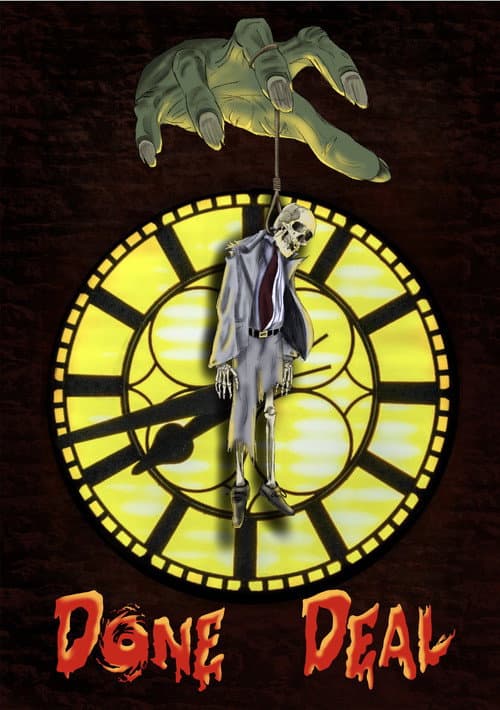
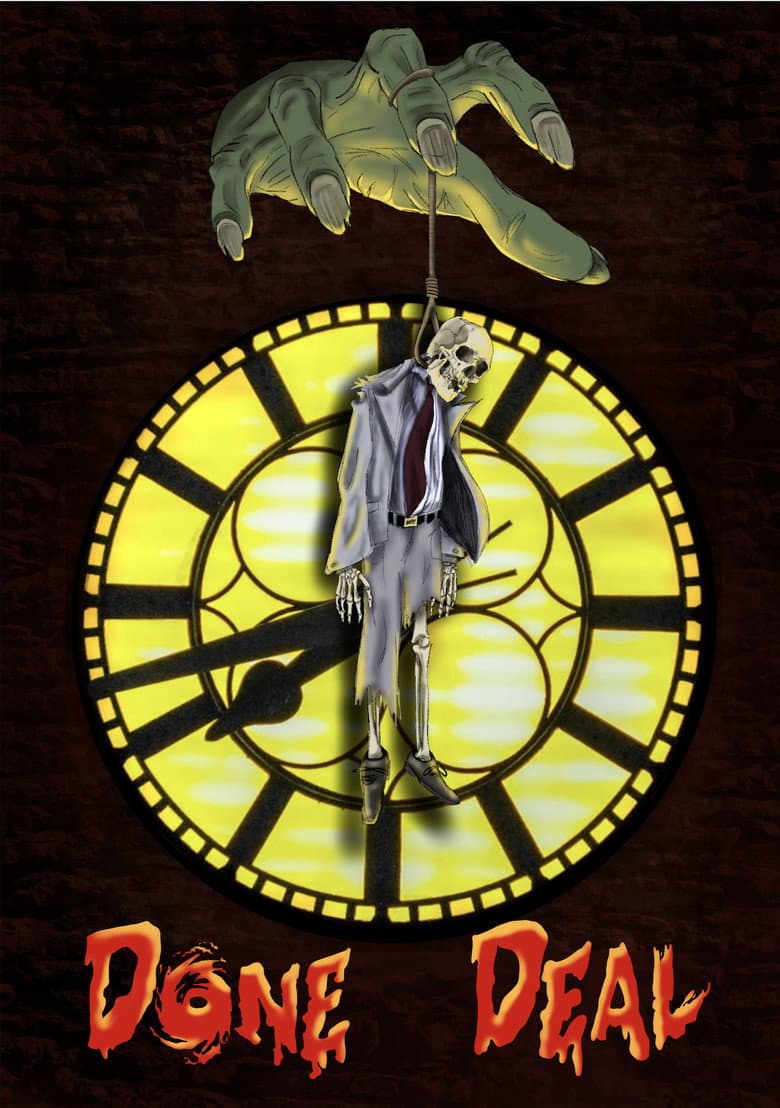
All of this corporate maneuvering is happening against a release landscape that also includes films like Done Deal, a short horror-comedy that has absolutely nothing to do with billion-dollar acquisitions - though its title is a coincidence that's hard to ignore.
Directed by Evan Hogarth, the 17-minute film tells the story of a down-on-his-luck watch salesman who makes a Faustian bargain to solve his money problems. Selling your soul for a quick buck is classic horror territory, but the twist here is that the unexpected buyer demands a little more than the salesman bargained for. It's the kind of premise that could go full grim or full absurd, and the movie apparently leans into both.
The cast includes Turner Allen as Hubert McPoyle, Alex Randolph as The Soothsayer, Shira KM as Ronda, and Anthony Oliver as Street Puncher - a character name that raises roughly a thousand questions and answers none of them. The film hit theaters on May 2, 2025.
It's worth noting that the movie has yet to make much of a dent with audiences. Its TMDb rating sits at 0/10, which, to be fair, usually means the film simply hasn't received enough votes to register meaningfully rather than that it's universally reviled. Short films often fly under the radar, and a 17-minute runtime makes it a tough sell for theatrical distribution in a marketplace dominated by two-hour tentpoles.
Still, there's something almost poetic about a movie called Done Deal existing in the same news cycle as the actual done deal that just transformed Hollywood. One is a multimillion-dollar merger involving some of the most valuable intellectual property on the planet. The other is a low-budget genre short about a guy who probably should have read the fine print before signing. Both, in their own way, are about what happens when you make a deal you can't take back.
The Bigger Picture
The Paramount-Warner Bros. merger is the kind of story that will be analyzed, argued about, and litigated in think pieces for years. It raises real questions about consolidation, about what gets made and who gets to make it, and about whether a shrinking pool of major studios ultimately serves the people who buy the tickets.
But history suggests audiences don't much care who owns the logo at the start of the movie - they care whether the movie is good. Paramount's challenge now isn't just integrating a massive acquisition; it's proving that this new mega-studio can still deliver stories worth showing up for. That's the real test, and it starts now.
Source: The Hollywood Reporter